
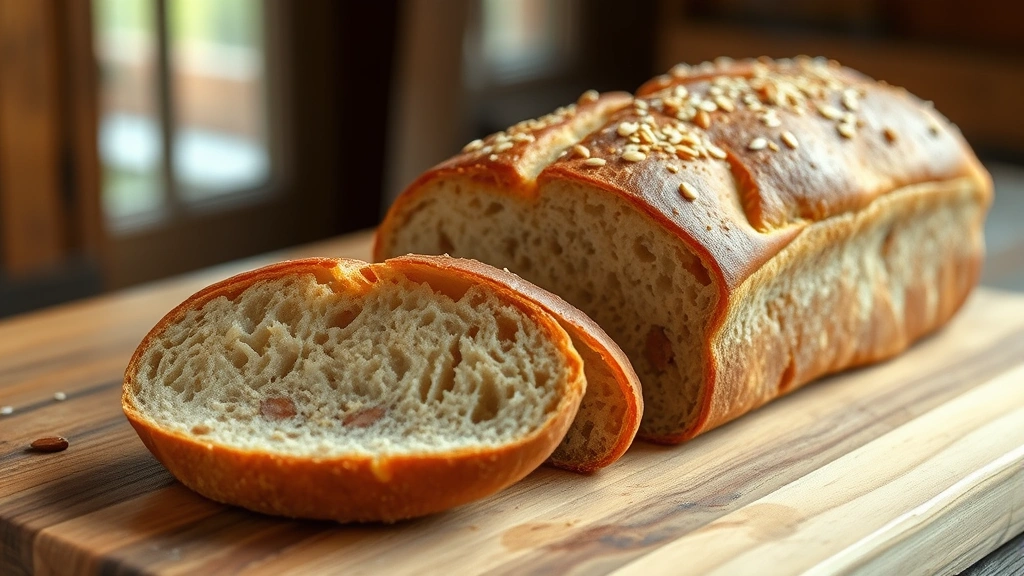
This almond flour bread recipe is an absolute game-changer for anyone looking to bake delicious, fluffy bread without the guilt. If you’ve been avoiding carbs or following a keto lifestyle, you’re going to fall head over heels for this one. The texture is surprisingly tender, the flavor is subtly nutty and completely satisfying, and honestly? Nobody will believe it’s low-carb.
I discovered this recipe during my own keto journey, and let me tell you—it was one of those magical moments when you realize healthy eating doesn’t mean sacrificing the foods you love. My family has been requesting this bread constantly, whether it’s for breakfast toast with butter and jam (sugar-free, of course), or as the base for the perfect spicy chicken sandwich. What truly sets this apart is the combination of almond flour with just the right amount of moisture and leavening agents—creating something that feels indulgent rather than restrictive.
Jump To Section
The beauty of an almond flour bread is that it’s naturally gluten-free, packed with protein and healthy fats, and significantly lower in carbohydrates than traditional wheat bread. Yet it delivers that satisfying, springy crumb and golden-brown crust you’d expect from quality bakery bread. Whether you’re new to low-carb baking or a seasoned pro, this recipe comes together easily and reliably every single time.
Why This Recipe Works
The secret to achieving that perfect fluffy texture lies in understanding how almond flour behaves differently than traditional flour. Almond flour is naturally denser and doesn’t develop gluten, so we need additional structure. This recipe uses a combination of psyllium husk powder and xanthan gum to create elasticity and help the bread rise beautifully.
Meanwhile, the eggs provide both moisture and binding power, creating a tender crumb that’s never dry or crumbly. The butter adds richness and helps with browning, while the apple cider vinegar reacts with the baking soda to create lift and improve the texture overall. Additionally, allowing the batter to rest for a few minutes before baking helps the psyllium husk fully hydrate, which is crucial for achieving that perfect rise.
The ratio of wet to dry ingredients is absolutely critical here. Too much liquid and your bread becomes dense; too little and it won’t have that lovely tender crumb. I’ve tested this recipe dozens of times to dial in the exact proportions, so trust the measurements and you’ll get bakery-quality results at home.
Ingredient Tips & Substitutions
Almond flour quality matters significantly in this recipe. Use blanched, finely ground almond flour—not almond meal, which is coarser and will give you a grittier texture. If you can only find almond meal, pulse it in a food processor for a minute to make it finer. For a vegan adaptation, you can substitute flax eggs (3 tablespoons ground flaxseed mixed with 9 tablespoons water) for the three regular eggs, though the texture will be slightly less tender.
Psyllium husk powder is non-negotiable for this recipe—it’s what gives you that bread-like texture and structure. You can find it at health food stores or online. Don’t confuse it with psyllium seed husk, which is coarser. Xanthan gum is optional but highly recommended; it acts as a binder and improves the overall structure. If you’re sensitive to xanthan gum, you can omit it, but increase the psyllium husk powder to 3 tablespoons total.
The apple cider vinegar is essential—it reacts with the baking soda to create carbon dioxide bubbles, which help the bread rise and lighten. Don’t skip it or substitute with lemon juice, as the chemical reaction is specific to vinegar. For the sweetener, erythritol or monk fruit work beautifully. Stevia can work but sometimes leaves a slight aftertaste, so choose carefully based on your preference.
Serving Suggestions
This bread is incredibly versatile and works wonderfully in so many ways. Slice it thick and toast it for breakfast with grass-fed butter and sugar-free jam—the warm, nutty flavor pairs beautifully with sweet toppings. However, it’s equally delicious for savory applications. Make it into sub rolls by shaping the batter into smaller loaves, or use it as the foundation for breakfast sandwiches with eggs and cheese.
For lunch, it’s absolutely perfect for creating satisfying sandwiches. The sturdy crumb holds up well to moist fillings without getting soggy. Additionally, you can cube it for salads (think of Mediterranean salad with homemade croutons), or simply enjoy it plain with a cup of coffee. The subtle nuttiness means it works with both sweet and savory applications.
Storage & Make-Ahead Tips
Once cooled completely, store this bread in an airtight container at room temperature for up to 3 days. The texture actually improves slightly on day two as the moisture distributes throughout. For longer storage, wrap the cooled loaf tightly in plastic wrap and freeze for up to 3 months. Thaw at room temperature for about 2 hours before serving, or pop slices directly into the toaster for a quick breakfast.
If you want to prepare ahead, you can mix the dry ingredients the night before in an airtight container. Mix the wet ingredients separately in the morning, combine them, and bake. This bread also freezes beautifully in individual slices—just wrap each slice in plastic wrap and store in a freezer bag. Pull out a slice whenever you need it, and it thaws in minutes or toasts directly from frozen.
For the best results, I recommend baking this fresh, but the make-ahead flexibility means you can fit it into your busy life. According to Serious Eats, proper storage of low-carb baked goods involves keeping moisture and air exposure in mind—which is why airtight containers are your best friend here.
The almond flour bread recipe has genuinely transformed how I approach low-carb baking. It proves that dietary restrictions don’t mean giving up the foods you love. This bread is proof that with the right ingredients and technique, you can create something truly special that nourishes your body and satisfies your soul. Whether you’re keto, paleo, or simply looking to reduce your carb intake, this is the bread that will make you feel like you’re not missing a thing.
Ingredients
- 2 cups blanched almond flour, finely ground
- 2 tablespoons psyllium husk powder
- 1 teaspoon xanthan gum
- 1 teaspoon baking soda
- 1 teaspoon salt
- 2 tablespoons erythritol or monk fruit sweetener
- 3 large eggs, room temperature
- 4 tablespoons unsalted butter, melted
- 1 tablespoon apple cider vinegar
- ¼ cup warm water
- 1 tablespoon sesame seeds or everything bagel seasoning (optional, for topping)
Instructions
- Preheat your oven to 375°F. Line a standard 9×5 inch loaf pan with parchment paper, allowing the edges to extend slightly over the sides for easy removal.
- In a medium bowl, whisk together the almond flour, psyllium husk powder, xanthan gum, baking soda, salt, and erythritol. Break up any clumps with the back of a spoon to ensure even distribution.
- In a separate large bowl, whisk the eggs until well combined and slightly frothy. Add the melted butter and apple cider vinegar, whisking until smooth and emulsified.
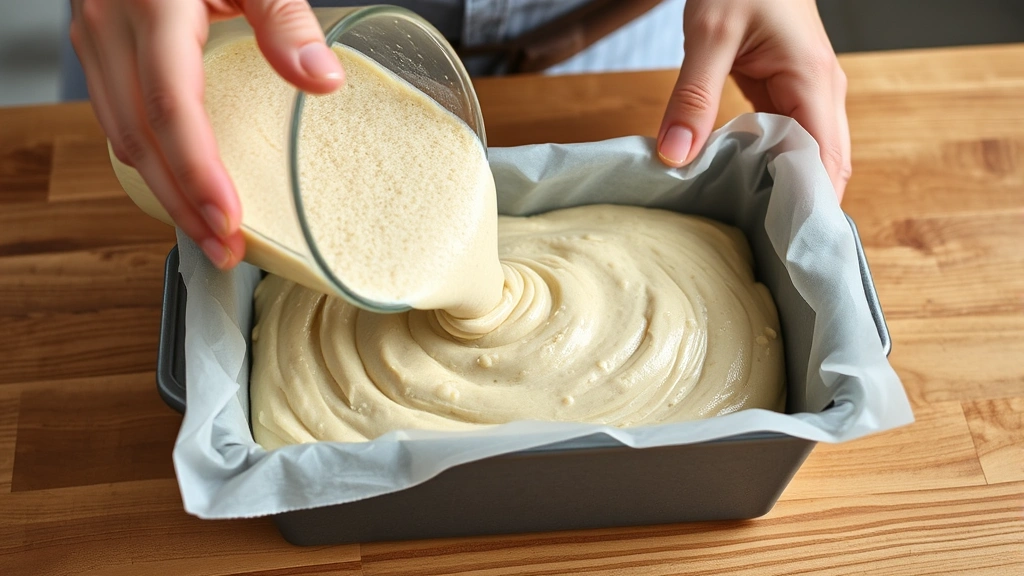
- Gradually add the dry ingredients to the wet ingredients, stirring gently with a spatula until just combined. The batter will be thick and slightly sticky—this is exactly right.
- Add the warm water one tablespoon at a time, stirring well after each addition. The batter should be thick enough to hold its shape but wet enough to easily transfer to the pan. It should be thicker than pancake batter but looser than cookie dough.
- Let the batter rest for 3-5 minutes. This allows the psyllium husk powder to fully hydrate, which is crucial for proper rise and texture.
- Transfer the batter to your prepared loaf pan, smoothing the top with a wet spatula. If using, sprinkle sesame seeds or everything bagel seasoning on top.
- Bake for 35-40 minutes, until the top is deep golden brown and a toothpick inserted into the center comes out clean or with just a few moist crumbs.
- Remove from the oven and let cool in the pan for 10 minutes. Using the parchment paper edges, carefully lift the loaf from the pan and transfer to a wire cooling rack.
- Cool completely (at least 1 hour) before slicing. This allows the crumb to set properly. Slice with a serrated bread knife using a gentle sawing motion for the cleanest cuts.
Pro Tips
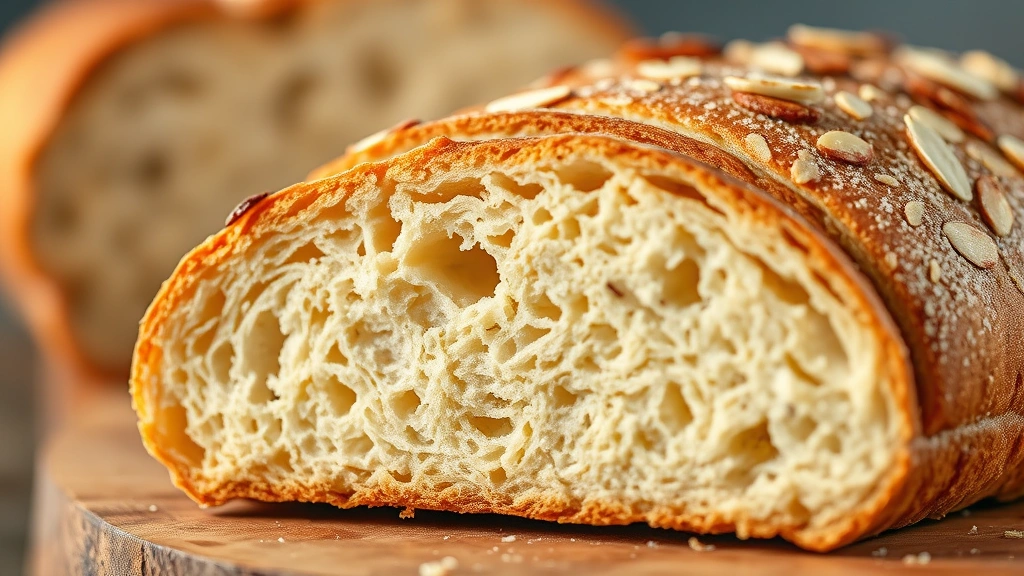
The texture of this bread improves as it cools and the crumb sets. Resist the temptation to slice into it while warm—patience is rewarded with cleaner slices and better overall texture. If your slices crumble, the bread likely needs more cooling time or the psyllium husk didn’t hydrate properly during the resting period.
Room temperature ingredients are important here, especially the eggs. Cold eggs won’t emulsify properly with the butter and vinegar, affecting the final texture. Take your eggs out of the fridge about 15 minutes before starting. The warm water also helps activate the baking soda more efficiently, creating better lift.
For a nuttier flavor, you can substitute half the almond flour with walnut flour or add 2 tablespoons of unsweetened cocoa powder for chocolate almond bread. However, adjustments to flour ratios may require slight changes to the water content. Some people love adding 1 teaspoon of vanilla extract or almond extract to enhance the subtle nutty flavor—add it with the wet ingredients.
The carb count for this bread is approximately 3-4 grams net carbs per slice, making it perfect for keto and low-carb diets. Psyllium husk powder is mostly soluble fiber, which doesn’t count toward net carbs, so it’s a keto-friendly addition. According to Bon Appétit, understanding how fiber affects your macros is essential for low-carb baking success.
If your bread doesn’t rise as much as expected, the baking soda may be old or your oven temperature might be slightly off. Baking soda loses potency over time, so replace it every six months. Invest in an oven thermometer to ensure accurate temperature—even 10 degrees makes a difference in rise and browning.
For those avoiding eggs entirely, flax eggs work, but the bread will be slightly denser with a less tender crumb. Use 3 tablespoons of ground flaxseed mixed with 9 tablespoons of water per whole egg. Let the mixture sit for 15 minutes before using to allow proper binding.
This bread freezes beautifully and actually thaws more gently than traditional bread, maintaining better texture. Additionally, you can double this recipe by using a larger loaf pan or splitting the batter between two standard pans, adjusting baking time slightly if needed.