

If you’re looking for almond flour recipes, you’ve come to the right place! This versatile, nutrient-packed ingredient has completely transformed the way I approach low-carb baking, and I can’t wait to share my favorite creations with you. Whether you’re following a keto diet, managing blood sugar, or simply exploring gluten-free options, almond flour opens up a world of delicious possibilities that don’t taste like you’re missing out.
I discovered almond flour almost by accident years ago when a friend raved about her keto brownies. Skeptical but curious, I tried one bite and was absolutely hooked. The texture was fudgy, the flavor was rich, and nobody would have guessed it wasn’t made with traditional flour. From that moment on, I became obsessed with mastering this ingredient and discovering all the ways it could elevate my baking game.
Jump To Section
Why This Recipe Works
Almond flour is truly magical because it delivers moisture, richness, and a subtle nuttiness that regular flour simply can’t match. The natural fat content in almonds means your baked goods stay tender and flavorful without requiring extra butter or oil. Additionally, it’s packed with protein and fiber, making these treats more satisfying than conventional sweets.
The beauty of these low-carb baking ideas is that they perform beautifully in your kitchen with minimal fuss. You don’t need special equipment or obscure ingredients—just quality almond flour and pantry staples you probably already have on hand. However, there’s a small learning curve, and I’ve made plenty of mistakes so you don’t have to!
One important thing to understand: almond flour behaves differently than wheat flour. It absorbs moisture differently, browns faster, and needs slightly different ratios of wet to dry ingredients. But once you grasp these fundamentals, you’ll be confidently creating bakery-quality treats at home.
Ingredient Tips & Substitutions
Always use blanched almond flour for the best results in baking—it has a finer texture and lighter color than unblanched varieties. The blanching process removes the skins, which would otherwise create a slightly grainy texture. I order mine in bulk online and store it in my freezer to keep it fresh longer since the natural oils can go rancid if left at room temperature.
If you’re out of almond flour, you can substitute with other nut flours like pecan flour or macadamia flour, though the flavor will shift slightly. Coconut flour is not a direct substitute—it absorbs significantly more liquid, so you’d need to adjust your ratios considerably. For a 1:1 replacement that works surprisingly well, try oat flour, though you’ll lose the low-carb benefit.
Eggs are essential in almond flour baking because they provide structure that wheat gluten would normally offer. I always use room-temperature eggs for better incorporation and more stable batter. Meanwhile, sweeteners matter too—I prefer monk fruit or erythritol for truly low-carb options, though stevia, allulose, or regular sugar all work depending on your dietary goals.
Getting Started with Your Baking
Before diving into these almond flour baking projects, let me share the secrets that took me months to learn. First, measure your almond flour correctly—spoon it into your measuring cup and level with a knife rather than scooping directly from the bag. This prevents packing and ensures consistent results batch after batch.
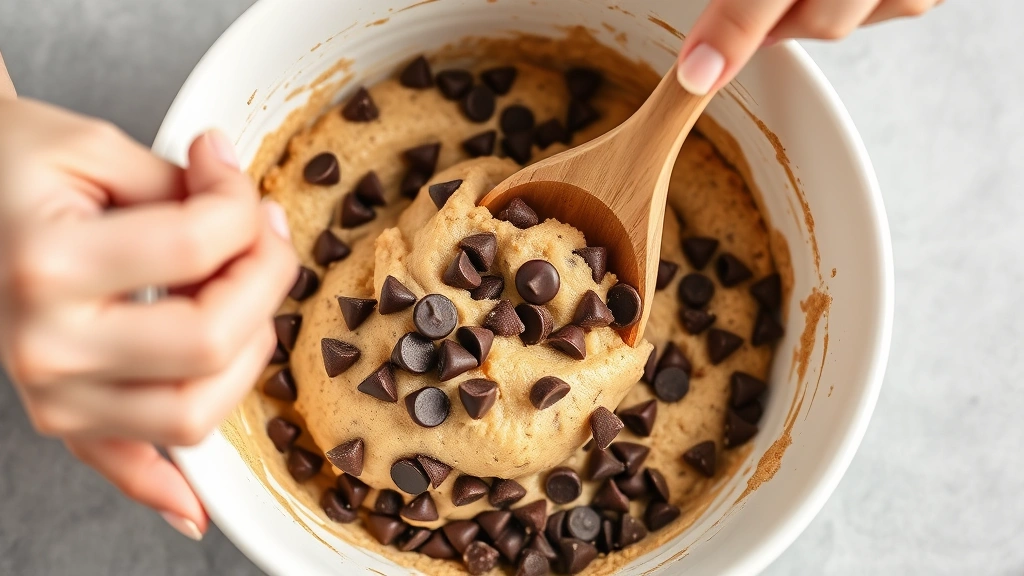
Second, don’t overmix your batter. Unlike wheat flour doughs that need kneading, almond flour batters should be mixed just until combined. Overmixing can create a dense, gummy texture that’s frankly disappointing. Fold in delicate ingredients like chocolate chips or berries at the very end using a gentle hand.
Temperature control is your secret weapon here. Most almond flour baked goods benefit from a slightly lower oven temperature and longer baking time compared to conventional recipes. This prevents the outside from browning too quickly while the inside remains undercooked. For instance, if a regular cookie recipe calls for 375°F, try 325°F for almond flour versions.
Serving Suggestions & Pairings
These recipes shine when paired thoughtfully with complementary flavors and textures. Serve almond flour cookies alongside a creamy coffee or rich hot chocolate for the ultimate comfort experience. For cakes and brownies, a dollop of whipped cream, Greek yogurt, or a simple glaze takes them from good to absolutely spectacular.
If you’re looking for complete meal inspiration, consider pairing your almond flour treats with a easy Chinese salad recipe earlier in the day for a balanced approach to low-carb eating. Or explore a best low carb soup recipe for warming, satisfying meals that complement your desserts perfectly.
For brunch occasions, serve almond flour pancakes or muffins with fresh berries, nut butter, and a sprinkle of cinnamon. The combination of protein, healthy fats, and fiber keeps you satisfied for hours. Additionally, these treats make wonderful gifts for friends following dietary restrictions—they’re impressive yet approachable.
Storage & Make-Ahead Tips
Most almond flour baked goods store beautifully for 4-5 days in an airtight container at room temperature. However, if you prefer softer cookies, add a piece of bread to the container—it absorbs excess moisture and keeps everything wonderfully chewy. For brownies and cakes, this method works even better, maintaining that fudgy texture longer.
Freezing is your friend with these recipes! Nearly everything I make freezes exceptionally well for up to 3 months when wrapped properly. I layer cookies between parchment paper, seal in a freezer bag, and simply thaw at room temperature before serving. This is perfect for meal prep or having treats on hand for unexpected guests.
One fantastic hack: prepare your batter in advance and freeze it in portions. When cravings strike, you can bake fresh treats without starting from scratch. Batter typically keeps frozen for 1-2 months, though baking time may increase by a few minutes since you’re starting from frozen.
The versatility of almond flour recipes means you’ll never get bored exploring new flavors and combinations. I’ve included fifteen incredible ideas that range from simple cookies to elegant cakes, all designed to fit your low-carb lifestyle without compromising on taste or satisfaction. For more low-carb meal inspiration, check out this best lettuce wraps recipe for savory options.
These bakes also pair wonderfully with protein-focused meals like a best lamb burgers recipe or tasty southwest salad recipe for balanced eating throughout your day. And if you’re really adventurous, try the best venison burger recipe for a unique protein pairing with your almond flour creations.
Looking for external inspiration? Check out Bon Appétit’s collection for elevated almond flour applications, or explore Serious Eats for scientific baking breakdowns that explain the why behind these techniques. The New York Times Cooking section also features sophisticated almond flour recipes worth exploring.
I’m genuinely excited for you to embark on this journey with almond flour. The first batch you make might not be perfect, and that’s completely okay—baking is as much about learning and experimenting as it is about creating delicious food. Each recipe teaches you something new, and soon you’ll be confidently adapting recipes and creating your own masterpieces. Happy baking!
Ingredients
- 2 cups blanched almond flour
- 1/2 cup unsalted butter, softened
- 1/2 cup monk fruit sweetener or erythritol
- 2 large eggs, room temperature
- 1 teaspoon vanilla extract
- 1 teaspoon baking powder
- 1/4 teaspoon sea salt
- 1/2 cup dark chocolate chips
- 1/4 cup chopped almonds
- 1 teaspoon ground cinnamon
Instructions
- Preheat your oven to 325°F and line a baking sheet with parchment paper for easy cleanup.
- In a small bowl, whisk together almond flour, baking powder, salt, and cinnamon, then set aside.
- Using an electric mixer, cream together softened butter and sweetener until light and fluffy, about 2-3 minutes.
- Beat in eggs one at a time, ensuring each is fully incorporated before adding the next, then add vanilla extract.
- Gently fold the dry ingredients into the wet mixture using a spatula, stirring just until combined and being careful not to overmix.
- Fold in chocolate chips and chopped almonds as final additions to the batter.
- Drop spoonfuls of batter onto your prepared baking sheet, spacing them about 2 inches apart.
- Bake for 20-25 minutes until the edges are lightly golden brown and the centers are just set.
- Allow cookies to cool on the baking sheet for 5 minutes before transferring to a wire rack to cool completely.
- Store in an airtight container at room temperature for up to 5 days, or freeze for up to 3 months.

Pro Tips
The key to perfect almond flour cookies is not overbaking them. They should look ever-so-slightly underdone when you pull them from the oven—they’ll continue cooking from residual heat and firm up as they cool. Meanwhile, if your cookies spread too thin, your oven might be running hot, so try reducing the temperature by 25°F on your next batch.
For a variation, try adding lemon zest and replacing chocolate chips with white chocolate, or go more adventurous with a tablespoon of espresso powder for a mocha twist. Additionally, if you prefer chewier cookies, slightly underbake them and store with a piece of bread in the container.
Room temperature eggs are genuinely important here—they incorporate more smoothly and create a better texture than cold eggs. If you forget to set them out, submerge them in warm water for 5 minutes. Furthermore, always measure your almond flour by spooning and leveling rather than scooping directly from the bag.
These cookies freeze beautifully, making them perfect for meal prep. Layer them between parchment paper in a freezer-safe container, and they’ll keep for up to 3 months. Simply thaw at room temperature for 30 minutes before serving. For make-ahead convenience, you can also freeze the batter in portions and bake fresh cookies anytime.
If you’re sensitive to sweeteners, taste your batter before baking—almond flour can sometimes mask sweetness, and you might want to adjust. Additionally, if your batter seems too thin, add another tablespoon of almond flour and mix gently. However, if it’s too thick, add a tablespoon of milk to achieve the right consistency.