
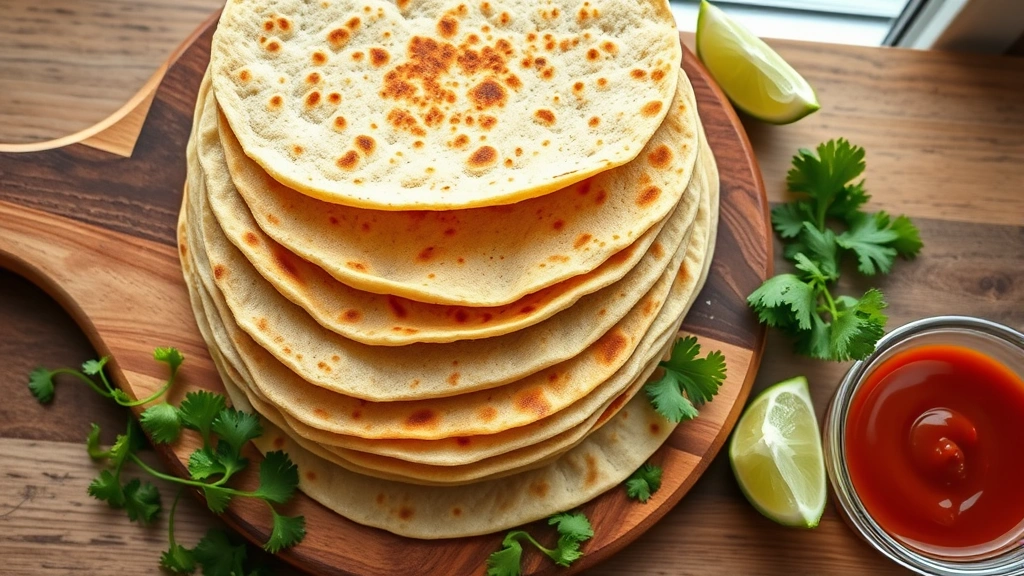
An almond flour tortilla recipe is an absolute game-changer for anyone following a low-carb, keto, or gluten-free lifestyle. These soft, pliable tortillas taste genuinely delicious—not like a sad substitute for the real thing—and they’re surprisingly simple to make at home with just a handful of pantry staples.
I remember the first time I tried making these. I was skeptical, honestly. How could almond flour possibly mimic the stretchy, chewy texture of traditional wheat tortillas? But after my first batch came off the skillet, I was completely converted. They’re tender, they hold up to fillings beautifully, and they’ve become my go-to for everything from tacos to wraps.
Jump To Section
Why This Recipe Works
The magic happens when you combine almond flour with psyllium husk powder, which acts as a binder and creates that essential chewiness. The eggs provide structure and help everything come together into a cohesive dough. This combination mimics the gluten network you’d get in traditional tortillas, giving you that satisfying texture without any of the carbs.
Meanwhile, the butter adds richness and helps with browning, while salt and a touch of xanthan gum (optional but helpful) round out the flavor and improve elasticity. The beauty of this recipe is that it comes together in minutes—no rising time, no complicated steps. You mix, you rest briefly, and you’re ready to cook.
Additionally, these tortillas are incredibly versatile. Use them for easy chicken wraps, fill them with seasoned ground beef for tacos, or wrap them around your favorite fillings for a tasty shrimp burrito. They’re sturdy enough to hold wet fillings without falling apart, yet delicate enough to fold without cracking.
Ingredient Tips & Substitutions
Let’s talk about the stars of this show. Almond flour is finely ground almonds without the skin, and it’s crucial for this recipe. Don’t confuse it with almond meal, which has a coarser texture and more oil content. Blanched almond flour gives you the best color and texture.
Psyllium husk powder is the secret weapon here. This soluble fiber creates the elasticity and chewiness that makes these tortillas actually enjoyable. You can find it in the supplement aisle at most health food stores or online. If you absolutely can’t find it, you could substitute ground flaxseed in a pinch, though the texture won’t be quite identical.
For instance, if you’re sensitive to eggs, there’s unfortunately no great substitute that maintains the same texture, though some folks have had success with aquafaba (the liquid from canned chickpeas). However, I’d recommend sticking with eggs for best results. The butter can be replaced with coconut oil or ghee if you prefer, and it won’t significantly impact the final product.
Xanthan gum is optional but recommended if you have it on hand. It improves the flexibility of the tortillas and helps prevent them from becoming too brittle. A tiny amount goes a long way—just a quarter teaspoon makes a noticeable difference.
Serving Suggestions & Recipe Ideas
These tortillas shine when filled with your favorite proteins and toppings. They’re perfect for breakfast burritos filled with scrambled eggs, cheese, and bacon. For lunch, try making the best taco bell chicken quesadilla using these as your base—the almond flour actually creates an incredibly crispy exterior when pan-fried.
Dinner options are endless. Make traditional tacos with seasoned ground beef or shredded chicken, add some best taco sauce, and load up with your favorite toppings. Or go lighter with vegetarian wraps filled with hummus, roasted vegetables, and fresh greens alongside a tasty southwest salad.
For something different, try making quesadillas with cheese and your protein of choice, then pan-fry until crispy. You could also use these as a base for fajitas, filled with grilled peppers and onions. Or keep it simple with the best Mexican cucumber salad for a refreshing side.
Storage & Reheating
These low-carb tortillas store beautifully, which makes them perfect for meal prep. Once cooled completely, stack them between parchment paper to prevent sticking, then store in an airtight container in the refrigerator for up to five days. They’ll stay soft and pliable the entire time.
For longer storage, freeze them for up to three months using the same parchment paper method. Pop them in a freezer bag, label with the date, and you’re set. When you’re ready to use frozen tortillas, simply reheat them in a dry skillet over medium heat for about a minute per side until warmed through.
Additionally, you can reheat refrigerated tortillas the same way—a quick warm-up in a skillet freshens them right up and makes them more pliable. Some folks also have success wrapping them in a damp paper towel and microwaving for 15-20 seconds, though I prefer the skillet method for better texture.
Pro Tips for Perfect Results
The dough will be quite thick and slightly sticky—this is exactly what you want. Don’t add extra flour, as this will make them tough and dry. Instead, if the dough is sticking to your hands excessively, lightly wet your hands with water rather than coating them in flour.
Resting the dough for 5-10 minutes before cooking is important. This allows the psyllium husk to fully hydrate and helps the dough become more workable. You’ll notice it becomes more cohesive and easier to shape during this resting period.
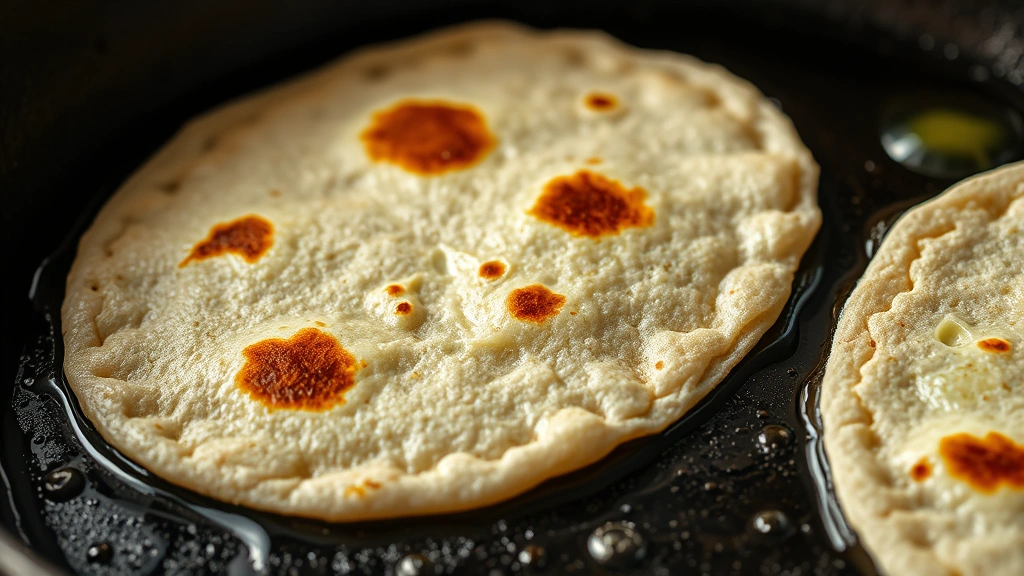
When cooking, use medium heat rather than high heat. These tortillas cook quickly and can burn if your skillet is too hot. You’re looking for light golden-brown spots, not dark browning. Each tortilla should take only about 45 seconds to 1 minute per side.
For the best results, check out Serious Eats’ guides on low-carb cooking for additional inspiration. You might also find Bon Appétit’s tortilla techniques helpful for perfecting your technique. For nutritional information and gluten-free baking science, New York Times Cooking offers excellent resources.
These gluten-free tortillas have genuinely transformed my meal prep routine. They’re proof that eating low-carb doesn’t mean sacrificing texture, flavor, or satisfaction. Once you master this recipe, you’ll find yourself making them weekly. Your family and friends will be amazed at how delicious they are, and they won’t even realize they’re eating almond flour instead of wheat.
Ingredients
- 1 cup blanched almond flour
- 3 tablespoons psyllium husk powder
- 3 large eggs
- 2 tablespoons melted butter
- 1/2 teaspoon salt
- 1/4 teaspoon xanthan gum (optional but recommended)
- 1/4 teaspoon black pepper
- 1/4 teaspoon garlic powder
- Cooking spray or additional butter for the skillet
Instructions
- In a medium mixing bowl, whisk together the almond flour, psyllium husk powder, salt, xanthan gum, black pepper, and garlic powder. Make sure there are no lumps in the psyllium husk powder, as this helps the dough come together evenly.
- In another bowl, beat the eggs with the melted butter until well combined. Pour the wet ingredients into the dry ingredients and stir vigorously until a thick, slightly sticky dough forms. The mixture should come together into a cohesive mass.
- Let the dough rest for 5-10 minutes at room temperature. During this time, the psyllium husk will absorb moisture and the dough will become more workable and less sticky. You’ll notice a significant change in the texture.
- Divide the dough into 8 equal portions. Lightly wet your hands with water (not flour) and shape each portion into a ball. Flatten each ball into a disk.
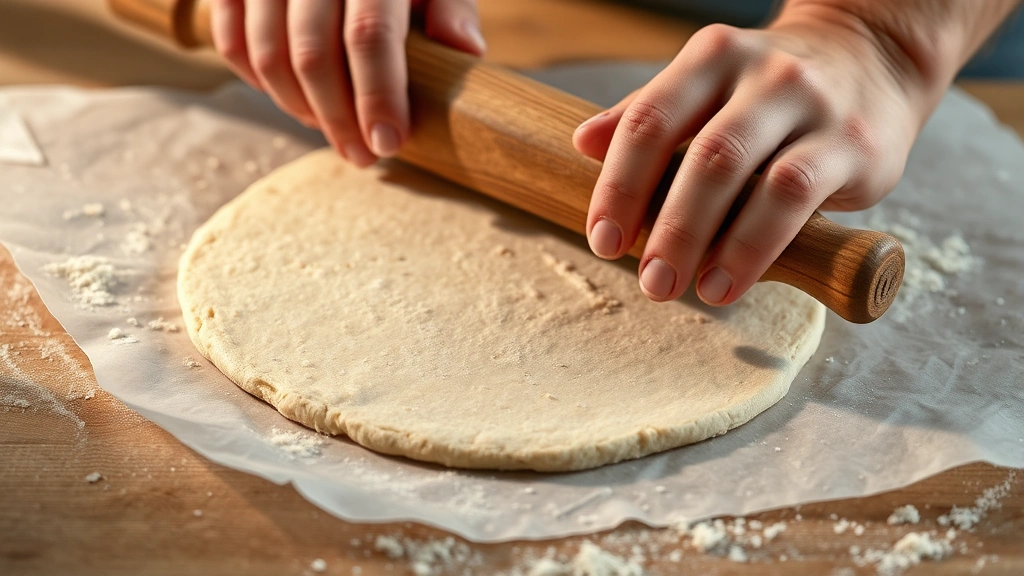
- Place a piece of parchment paper on your work surface and lightly wet it. Place a disk of dough on the parchment, then place another piece of parchment on top. Using a rolling pin or the bottom of a flat-bottomed cup, gently press and roll the dough into a thin circle about 6-7 inches in diameter.
- Carefully peel away the top parchment paper. Using the bottom parchment, flip the tortilla onto your hand or onto a plate. Gently peel away the remaining parchment paper.
- Heat a non-stick skillet or griddle over medium heat and lightly coat with cooking spray or butter. Once hot, carefully place the tortilla in the skillet.
- Cook for approximately 45 seconds to 1 minute until light golden-brown spots appear on the bottom. Flip the tortilla carefully and cook the other side for another 45 seconds to 1 minute until set and lightly spotted.
- Transfer the cooked tortilla to a clean kitchen towel or plate. Repeat with remaining dough portions, stacking the cooked tortillas on top of each other. The stack will keep them warm and pliable.
- Serve the tortillas warm or at room temperature. They can be used immediately for wraps, tacos, quesadillas, or any of your favorite applications.
Pro Tips
These tortillas have a naturally nutty flavor from the almond flour, which pairs beautifully with Mexican-inspired fillings. However, they’re also delicious with Asian-inspired fillings, Mediterranean toppings, or classic breakfast ingredients.
The texture is soft and pliable when warm, similar to corn tortillas. As they cool, they’ll firm up slightly, but they’ll remain flexible enough to fold. If you want them to stay extra soft, keep them wrapped in a towel while you’re cooking the rest of the batch.
For instance, if your first tortilla tears while you’re transferring it, don’t worry—this is a learning curve. The dough will become easier to handle as you practice. Make sure your hands are just barely damp, not soaking wet, as too much moisture will make the dough sticky.
Nutritionally, each tortilla contains approximately 4-5 grams of net carbs, 6-7 grams of protein, and around 140 calories. This makes them perfect for keto, low-carb, and gluten-free diets. Additionally, the almond flour provides beneficial healthy fats and the psyllium husk adds fiber, making these tortillas not just delicious but also nutritious.
If you find your tortillas are tearing during cooking, your skillet might be too hot or you might be rolling them too thin. Try cooking at a slightly lower temperature and rolling them to about 1/8-inch thickness rather than paper-thin. Thicker tortillas are more forgiving and easier to work with.
Storage is simple and convenient. Refrigerated tortillas keep for up to five days when stacked between parchment paper in an airtight container. Frozen tortillas last for up to three months. You don’t need to thaw them before reheating—just add a few extra seconds to your cooking time.
One common question: can you make these ahead for meal prep? Absolutely! Make a batch on Sunday and you’ll have ready-to-go tortillas all week. Whether you’re making breakfast burritos, lunch wraps, or dinner tacos, having these on hand makes everything faster and easier.