
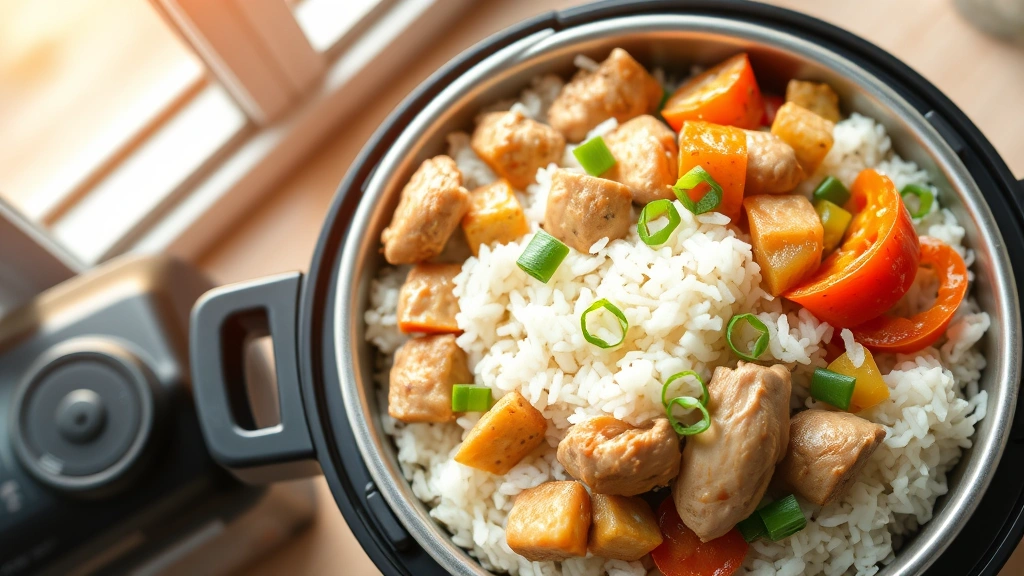
Aroma rice cooker recipes are absolute game-changers for busy home cooks who want delicious, hands-off meals without spending hours in the kitchen. If you’ve been treating your rice cooker as a one-trick pony, it’s time to discover just how versatile this humble appliance truly is. From fluffy jasmine rice to complete one-pot dinners, your Aroma rice cooker is ready to become your new favorite kitchen workhorse.
The beauty of using an Aroma rice cooker lies in its simplicity and reliability. These machines heat evenly, keep food warm automatically, and require minimal supervision. Whether you’re a busy parent juggling work and family, a college student living in a dorm, or simply someone who appreciates easy weeknight dinners, rice cooker meals deliver on taste and convenience.
Jump To Section
Why Aroma Rice Cookers Stand Out
Aroma rice cookers have earned a loyal following for good reason. They feature advanced heating technology that ensures perfectly cooked rice every single time, whether you’re making white rice, brown rice, or exotic varieties. The non-stick inner pot makes cleanup a breeze, and the keep-warm function means dinner stays at the perfect temperature until everyone’s ready to eat.
What sets Aroma apart from other brands is their attention to detail. The steam vent design, the precision thermostat, and the quality construction all combine to create consistently excellent results. Additionally, these cookers come in various sizes, so whether you’re cooking for two or ten, there’s an Aroma model perfect for your needs.
Beyond basic rice, your Aroma cooker can handle soups, stews, grain bowls, and even desserts. Try making the best pork stir fry by cooking your rice and protein together in layers. The possibilities are genuinely endless once you understand how your cooker works.
Getting Started with Rice Cooker Cooking
Before you dive into these aroma rice cooker recipes, let’s cover the basics. Always rinse your rice under cold water before cooking—this removes excess starch and helps achieve that perfect fluffy texture. Use the water-to-rice ratio recommended in your instruction manual, as this is crucial for success.
The general rule is one part rice to two parts liquid for white rice, though this varies slightly depending on the specific variety. Brown rice typically requires a bit more water and longer cooking time. Once you master these fundamentals, you’ll feel confident experimenting with different grains and flavor combinations.
Pro tip: arrange your ingredients strategically. Layer heartier vegetables and proteins on the bottom where heat is most intense, then add delicate items like leafy greens on top during the last few minutes. This simple technique ensures everything cooks perfectly without mushiness.
Easy One-Pot Meals Your Family Will Love
Imagine coming home to a house filled with the aroma of a home-cooked meal that practically made itself. That’s the magic of one-pot rice cooker dinners. For a quick weeknight solution, layer your rice with ground beef taco meat, black beans, corn, and salsa for an easy Mexican-inspired bowl.
Meanwhile, Asian-inspired dishes come together beautifully in your Aroma cooker. Combine jasmine rice with coconut milk, chicken broth, sliced chicken breast, and fragrant seasonings like ginger and garlic. The result? Restaurant-quality coconut chicken rice that tastes far more complicated than it actually is. Your family will be impressed, and you’ll barely break a sweat.
For something hearty and comforting, layer your rice with ground beef, sautéed onions, mushrooms, and beef broth for a savory rice pilaf that feels like a warm hug. Top with fresh parsley and a squeeze of lemon juice for brightness. These meals prove that simple ingredients, combined thoughtfully, create something truly special.
Incorporating Vegetables and Proteins
The secret to nutritious aroma rice cooker recipes is strategic layering and timing. Start with your dry rice at the bottom, add your broth or liquid, then arrange firmer vegetables like carrots and potatoes around the sides. This positioning ensures they cook through without becoming mushy.
For proteins, pre-cook tougher cuts like beef chuck or pork shoulder before adding them to the cooker. However, delicate proteins like fish or shrimp work beautifully when added during the last 10-15 minutes of cooking. Chicken breast sits somewhere in the middle—fully cooked but still tender when the rice finishes cooking.
Don’t forget about beans and legumes! pinto beans work wonderfully in rice cooker recipes, whether you’re using canned beans for convenience or dried beans that you’ve soaked overnight. They add protein, fiber, and satisfying substance to every bite.
Leafy greens like spinach, kale, or bok choy should always be added near the end of cooking. Simply scatter them on top during the last 5 minutes—the residual heat will wilt them perfectly without turning them into an unappetizing mush. This technique keeps your vegetables vibrant and nutritious.
Flavor Inspiration from Around the World
One of the most exciting aspects of aroma rice cooker recipes is how easily they adapt to different cuisines. Make taco rice with all your favorite toppings by combining seasoned rice with black beans, corn, and diced tomatoes. Top with cheese, sour cream, and fresh cilantro for a complete meal that tastes authentically delicious.
Mexican rice cooker meals offer incredible versatility. Layer your rice with chorizo, peppers, onions, and tomato sauce for a Spanish-inspired rice that transports your taste buds straight to a Madrid kitchen. The smoky flavors develop beautifully as everything cooks together in the moist heat environment.
For Asian-inspired options, explore Thai curry rice, where fragrant jasmine rice cooks in a mixture of coconut milk and red curry paste alongside vegetables and protein. Indian-style biryani becomes manageable in your rice cooker—layer basmati rice with yogurt-marinated meat, fried onions, and aromatic spices like cardamom and cinnamon.
Mediterranean flavors shine in rice cooker preparations too. Combine arborio or risotto rice with vegetable broth, sun-dried tomatoes, fresh basil, and mozzarella for a simplified risotto that requires none of the constant stirring. Additionally, you can create tacos al pastor filling in your rice cooker by cooking rice with pineapple, achiote paste, and tender pork for an unforgettable combination.
Storage, Make-Ahead Tips, and Reheating
One of the greatest advantages of aroma rice cooker recipes is their make-ahead potential. These meals store beautifully in the refrigerator for up to four days, making them perfect for meal prep. Divide cooled rice and protein mixtures into individual containers for grab-and-go lunches throughout the week.
When reheating, add a splash of water or broth to restore moisture, then reheat gently in the microwave or back in your rice cooker on the warm setting. For freezer storage, let everything cool completely before transferring to freezer-safe containers—these meals will keep for up to three months. Thaw overnight in the refrigerator before reheating for best results.
The make-ahead aspect of rice cooker cooking cannot be overstated for busy families. Prepare your ingredients on Sunday—chop vegetables, measure spices, and portion proteins—then simply assemble everything in your rice cooker each evening. In under five minutes of active time, you’ve got dinner handled.
For even more convenience, consider using your rice cooker’s timer function if your model includes one. Simply set up your ingredients the night before, and wake up to a hot, ready meal. This feature is particularly valuable for busy mornings or unexpected schedule changes.
Aroma rice cooker recipes represent the intersection of convenience, nutrition, and genuine deliciousness. Whether you’re making a simple weeknight dinner or impressing guests with sophisticated flavors, your rice cooker is absolutely capable. Start with these tried-and-true combinations, then feel confident experimenting with your own flavor combinations. Your kitchen routine is about to get significantly easier, and your dinner table is about to get significantly more exciting. Happy cooking!
Ingredients
- 2 cups long-grain white rice or jasmine rice
- 4 cups chicken or vegetable broth
- 1 pound protein of choice (chicken breast, ground beef, pork, or tofu)
- 2 cups mixed vegetables (carrots, peas, bell peppers, onions)
- 3 cloves garlic, minced
- 1 tablespoon soy sauce
- 1 teaspoon sesame oil
- 1 teaspoon salt, or to taste
- ½ teaspoon black pepper
- 1 teaspoon ginger, minced
- 2 cups fresh spinach or bok choy (optional)
- 2 tablespoons butter or olive oil
- Green onions for garnish
- Sesame seeds for garnish
Instructions
- Rinse your rice thoroughly under cold running water until the water runs clear—this removes excess starch and ensures fluffy results.
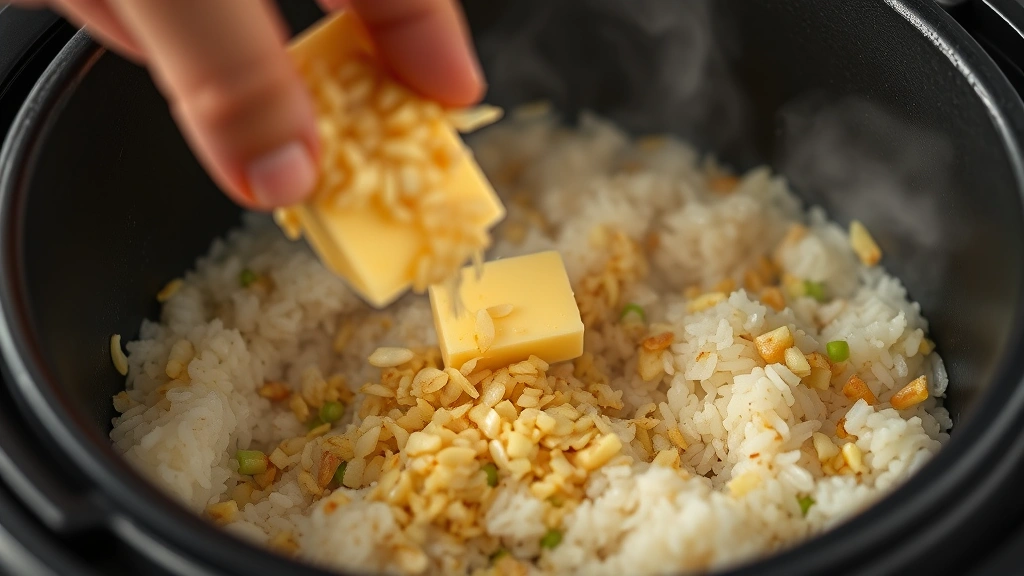
- Heat butter or oil in a skillet over medium-high heat, then sauté your garlic and ginger for about 30 seconds until fragrant.
- Add your chosen protein to the skillet and cook until partially done—about 3-5 minutes for chicken, depending on size. Season with salt and pepper while cooking.
- Stir in your chopped vegetables (except leafy greens) and cook for another 2-3 minutes until slightly softened. This step builds flavor through caramelization.
- Pour the rinsed rice into your Aroma rice cooker’s inner pot, spreading it in an even layer.
- Add the sautéed protein and vegetable mixture on top of the rice, distributing it evenly.
- Pour the broth over everything, then add soy sauce, sesame oil, salt, and pepper. Stir gently to combine without over-mixing.
- Close the lid and turn on your Aroma rice cooker. Select the white rice or brown rice setting depending on your rice type.
- Allow the cooker to run through its complete cycle—typically 30-40 minutes depending on your model.
- When the cooker switches to warm mode, quickly open the lid and scatter fresh spinach or bok choy on top if using.
- Close the lid again for 5 minutes to allow the residual heat to wilt the greens gently.
- Fluff the entire mixture with a fork, breaking up any clumps and distributing everything evenly.
- Garnish generously with sliced green onions and sesame seeds before serving hot.
Pro Tips
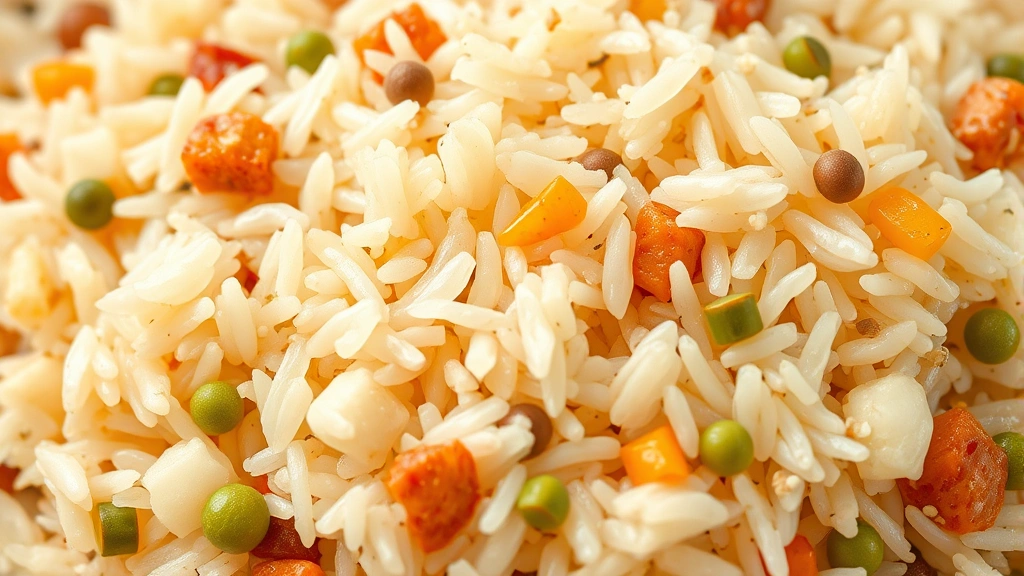
These aroma rice cooker recipes work best with proper rice-to-liquid ratios. Always follow your specific Aroma model’s manual for exact measurements, as different sizes vary slightly. The general rule of thumb is one part rice to two parts liquid for white rice, though brown rice typically requires slightly more liquid and longer cooking time.
Ingredient substitutions are absolutely encouraged and make these recipes incredibly flexible. Don’t have jasmine rice? Use basmati, arborio, or even wild rice blends—just adjust cooking times accordingly. For the protein component, swap chicken for beef, pork, shrimp, or keep it vegetarian with extra beans and tofu.
Vegetable choices should reflect what’s in your kitchen and your personal preferences. Carrots, peas, corn, bell peppers, broccoli, mushrooms, and snap peas all work beautifully. Harder vegetables like carrots and potatoes need longer cooking, so chop them smaller. Delicate vegetables like zucchini and mushrooms can be larger since they cook quickly.
The sautéing step before adding ingredients to the rice cooker makes an enormous difference in final flavor. This technique, called building flavor, creates depth that simply mixing everything raw cannot achieve. Don’t skip it—those few minutes of cooking time pay dividends in taste.
For storage, let your rice cooker meal cool completely before transferring to airtight containers. Properly stored meals keep in the refrigerator for up to four days and freeze beautifully for up to three months. When reheating, add a splash of water or broth to restore moisture and prevent drying.
Make-ahead preparation is one of the greatest advantages of rice cooker cooking. Chop vegetables, measure spices, and portion proteins the night before, then simply assemble everything in your cooker each evening. Some models include timer functions, allowing you to set up dinner in the morning and come home to a hot meal.
Experiment confidently with seasonings and flavors once you understand the basic cooking method. Asian-inspired versions benefit from soy sauce, ginger, and sesame oil. Mexican-style rice cooker meals shine with cumin, chili powder, and cilantro. Italian preparations call for basil, oregano, and sun-dried tomatoes. The framework remains the same; only the seasonings change.