
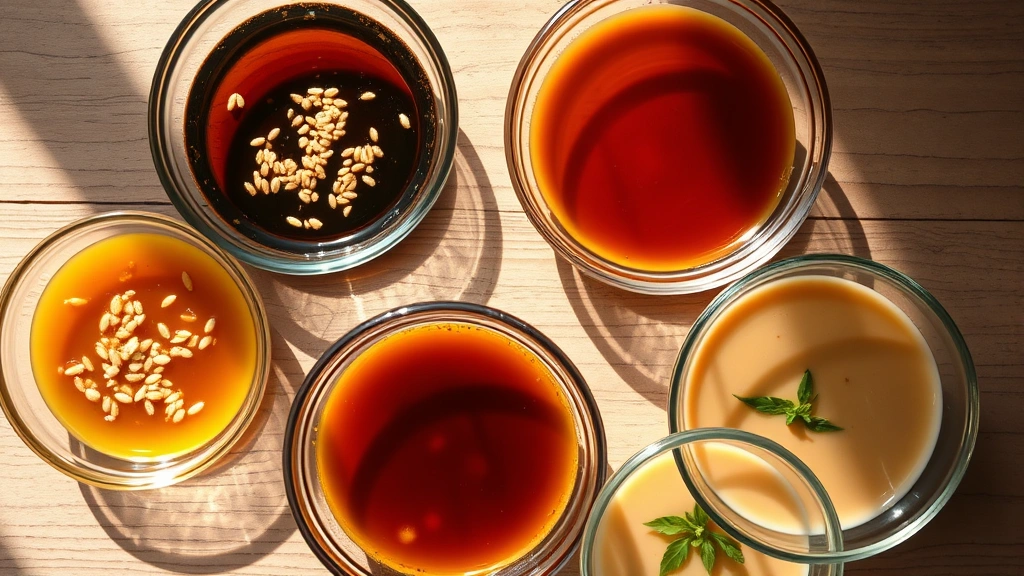
An asian dressing recipe is honestly one of the best shortcuts to making restaurant-quality meals at home. I’m talking about those incredible sauces that transform simple ingredients into something absolutely craveable—the kind you find yourself drizzling over everything from salads to noodles to grilled vegetables. Once you master these five homemade versions, you’ll never want to buy bottled dressing again.
What makes these sauces so special? They balance sweet, salty, sour, and spicy in ways that feel almost magical on your palate. The beauty of making your own asian salad dressing is that you control every single ingredient—no mysterious preservatives, no excess sodium, and you can adjust the flavors to match exactly what your taste buds are craving that day.
Jump To Section
Why This Recipe Works
These five dressings work because they’re built on classic Asian flavor foundations that have been perfected over centuries. Each one uses simple pantry staples like soy sauce, sesame oil, rice vinegar, and fresh ginger to create depth and complexity. Additionally, they’re incredibly versatile—use them on Thai cucumber salad, over crisp greens, or as a dipping sauce for P.F. Chang’s lettuce wraps.
The magic happens when you whisk these ingredients together. The emulsification creates a silky texture that clings to every leaf and ingredient. Meanwhile, the flavors meld and develop into something that tastes like it took hours to prepare, even though most of these come together in under five minutes.
I’ve tested these recipes countless times, and they consistently deliver restaurant-quality results. Whether you’re a seasoned cook or just starting your culinary journey, you’ll find that making your own homemade asian dressing is easier and more rewarding than you’d expect. The confidence boost alone is worth it.
The Five Essential Asian Dressings
First, we have the classic Sesame-Ginger dressing—this one’s my go-to for almost everything. It features toasted sesame oil, fresh ginger, and a hint of honey for sweetness. The combination is bright, warming, and absolutely addictive.
Second comes the Spicy Sriracha version, perfect for anyone who loves heat. This dressing packs a punch while maintaining balance through rice vinegar and a touch of honey. It’s phenomenal on grain bowls and roasted vegetables.
The Miso-Based dressing is for umami lovers. Miso paste creates incredible depth and savory notes that make simple salads taste extraordinary. This one pairs beautifully with Tom Yum Soup Recipe flavors and Asian-inspired dishes.
Fourth is the Light Ponzu dressing—citrusy, refreshing, and less heavy than oil-based versions. It’s ideal for delicate greens and seafood preparations. The citrus brightness brings everything to life.
Finally, the Peanut dressing rounds out our collection with creamy, nutty richness. This one’s essential for satay-style dishes and pork stir fry applications.
Ingredient Tips & Substitutions
Quality matters tremendously with an asian dressing recipe. I always recommend using authentic soy sauce—look for brands like Kikkoman or San-J that use traditional fermentation methods. The depth of flavor is noticeably different from cheaper imitation versions.
For sesame oil, buy toasted (dark) sesame oil, not the clear, neutral version. The toasted variety has that rich, nutty flavor that defines so many Asian dressings. A little goes a long way, so don’t be tempted to use more than the recipe calls for.
Rice vinegar is another non-negotiable ingredient. It’s milder and slightly sweet compared to white vinegar, which makes it perfect for balancing these sauces. However, if you absolutely can’t find it, regular white vinegar works in a pinch—just reduce the amount slightly since it’s more acidic.
Fresh ginger makes an enormous difference. Avoid powdered ginger for these dressings; the fresh stuff provides brightness and complexity that the dried version simply can’t match. Peel it with the edge of a spoon—it’s faster and wastes less than a vegetable peeler.
Additionally, don’t skip the garlic. Fresh minced garlic brings pungency and punch that keeps these dressings from tasting flat. For those with garlic sensitivities, you can reduce the amount or substitute with garlic powder, though the fresh flavor profile will shift.
Making & Storing Your Dressing
The beauty of homemade dressing is that it comes together in minutes. Most recipes require just whisking ingredients in a bowl or shaking them in a mason jar. No fancy equipment needed—just enthusiasm and a good arm.
Storage is where these dressings truly shine. Unlike many homemade dressings, these Asian versions keep beautifully in the refrigerator for up to two weeks in an airtight container. The flavors actually deepen and meld over time, meaning day-three dressing often tastes better than day-one.
Before using, give your dressing a good shake or stir. The oil and other ingredients naturally separate, which is completely normal and doesn’t indicate spoilage. This is actually a good sign that you’re using real ingredients without emulsifiers and stabilizers.
For meal prep enthusiasts, I recommend making a batch of your favorite asian dressing recipe on Sunday. Pour it into a mason jar, refrigerate, and you’ve got salad solutions ready for the entire week. It pairs beautifully with roasted vegetables, grains, and proteins like Matthew McConaughey tuna salad or grilled chicken.
Serving Suggestions & Flavor Pairings
These dressings aren’t just for salads—though they’re incredible on greens. Use the sesame-ginger version on roasted broccoli, bok choy, or Brussels sprouts for an Asian-inspired vegetable side dish. The heat brings out the natural sweetness in roasted vegetables beautifully.
The sriracha dressing works wonderfully with cold noodle salads, grain bowls featuring quinoa or brown rice, and even as a dipping sauce for spring rolls or dumplings. It transforms simple ingredients into something restaurant-worthy.
Miso dressing is phenomenal with soba noodles, edamame salads, and any dish featuring tofu. The umami-on-umami combination is absolutely heavenly. For something different, try it on Mexican corn salad for an unexpected Asian-fusion twist.
Ponzu dressing shines with delicate proteins like fish and shrimp. It’s also wonderful on cucumber salads, seaweed salads, and as a finishing drizzle over sushi bowls. The citrus brightness cuts through rich, fatty ingredients beautifully.
The peanut dressing is your go-to for Southeast Asian-inspired meals. Use it on satay skewers, spring rolls, noodle dishes, and even as a dip for fresh vegetables. It creates that cozy, satisfying feeling that makes you want to keep eating.
I’ve found that these dressings also work as marinades for proteins. The acid in the vinegar and citrus helps tenderize while the oils and aromatics add incredible flavor. Just let your protein marinate for 30 minutes to a few hours before cooking.
For external inspiration and additional ideas, check out Serious Eats for Asian cooking techniques, Bon Appétit’s Asian dressing variations, and New York Times Cooking for professional recipes.
Once you start making your own asian salad dressing at home, you’ll realize how simple the process truly is. These five recipes represent the foundation of Asian flavor profiles, and mastering them opens doors to countless delicious possibilities. The investment of five minutes will pay dividends in flavor and satisfaction for weeks to come.
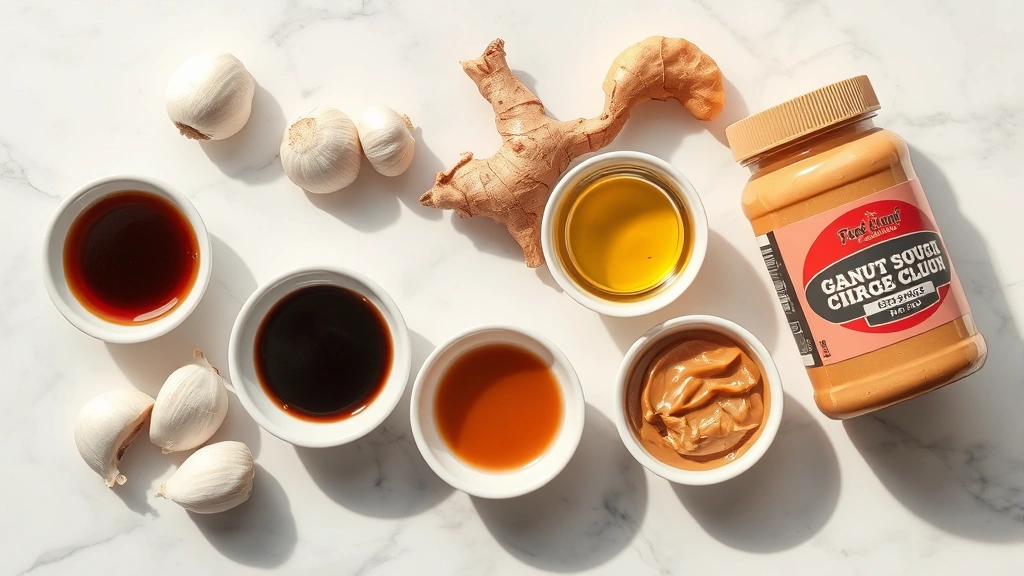
Ingredients
- 3 tablespoons soy sauce
- 2 tablespoons sesame oil
- 2 tablespoons rice vinegar
- 1 tablespoon honey
- 2 cloves fresh garlic, minced
- 1 tablespoon fresh ginger, minced
- 1 teaspoon sesame seeds
- ½ teaspoon sriracha (or to taste)
- 2 tablespoons smooth peanut butter
- 1 tablespoon lime juice
- 1 tablespoon miso paste
- ¼ cup ponzu sauce
- 1 tablespoon fresh cilantro, chopped
- Salt and black pepper to taste
Instructions
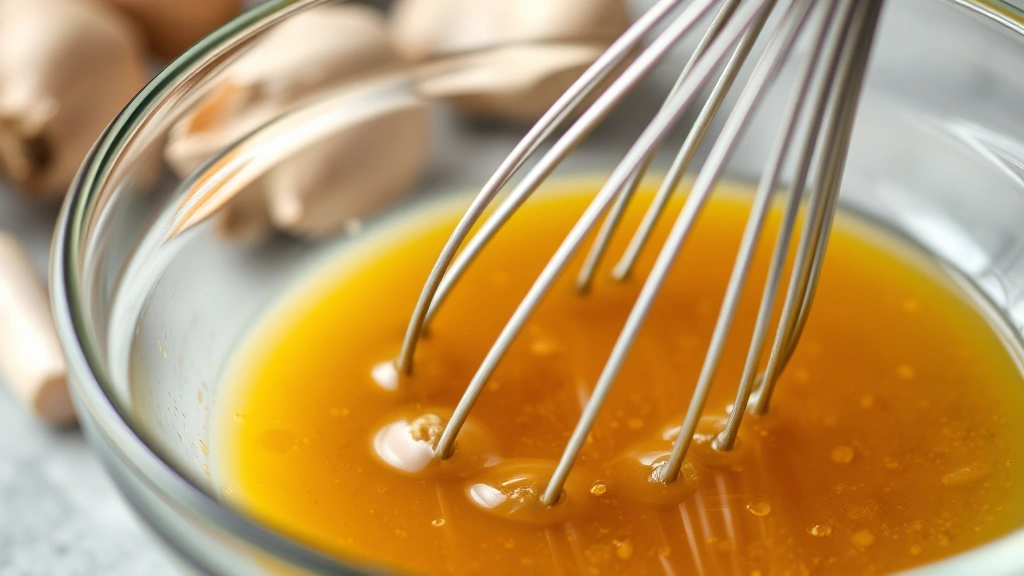
- For the Sesame-Ginger dressing: Whisk together 3 tablespoons soy sauce, 2 tablespoons sesame oil, 2 tablespoons rice vinegar, 1 tablespoon honey, minced garlic, and minced ginger in a medium bowl until well combined.
- Stir in 1 teaspoon sesame seeds and taste for balance—adjust soy sauce or vinegar as needed for your preferred saltiness and tang.
- For the Spicy Sriracha version: Combine soy sauce, rice vinegar, sesame oil, and honey as above, then whisk in ½ to 1 teaspoon sriracha depending on heat preference.
- Add minced garlic and ginger, then taste and adjust seasonings until the heat and flavor balance feels right to you.
- For the Miso-Based dressing: Whisk 1 tablespoon miso paste with 3 tablespoons soy sauce and 2 tablespoons rice vinegar until the miso dissolves completely.
- Stir in 2 tablespoons sesame oil, minced garlic, and ginger, then add a touch of honey if you prefer slightly more sweetness.
- For the Ponzu dressing: Start with ¼ cup prepared ponzu sauce as your base, then whisk in 1 tablespoon sesame oil and 1 tablespoon fresh lime juice.
- Add minced garlic and a pinch of fresh cilantro, tasting as you go to ensure the citrus brightness shines through.
- For the Peanut dressing: Whisk together 2 tablespoons smooth peanut butter, 2 tablespoons sesame oil, and 2 tablespoons rice vinegar until smooth and creamy.
- Add 2 tablespoons soy sauce, 1 tablespoon lime juice, minced garlic, and ginger, then thin with a little water if the consistency feels too thick.
- Transfer your chosen dressing to a mason jar or airtight container and refrigerate until ready to use.
- Before serving, shake or whisk the dressing well since the oils will naturally separate from the other ingredients.
- Drizzle generously over salads, vegetables, noodles, or use as a dipping sauce for appetizers and spring rolls.
Pro Tips
These five dressings represent the core flavors of Asian cuisine. However, you can easily customize each one based on what’s in your pantry or your personal taste preferences. For instance, if you don’t have rice vinegar, white vinegar works—just use slightly less since it’s more acidic than its milder cousin.
The Sesame-Ginger dressing is your most versatile option. Use it on absolutely any salad, roasted vegetables, grains, or noodles. The warm spice from ginger combined with nutty sesame creates a flavor profile that complements both light and hearty ingredients beautifully.
If you’re sensitive to heat, the Ponzu dressing offers brightness without spice. It’s particularly lovely on seafood salads or as a finishing drizzle over cooked fish. The citrus elements keep everything tasting fresh and light, making it perfect for warmer months.
Storage is refreshingly simple with these dressings. Keep them in airtight glass containers in your refrigerator for up to two weeks. The flavors often improve after a day or two as ingredients meld together, so don’t hesitate to make a batch ahead for meal prep.
For the Peanut dressing, consistency matters. If you prefer something thinner for drizzling over salads, add water a tablespoon at a time until you reach the desired consistency. For a thicker dipping sauce consistency, keep it as is or even add a bit more peanut butter.
One helpful tip: always taste your dressing before serving. Different brands of soy sauce, sesame oil, and other ingredients vary slightly in intensity, so you might need to adjust salt, acid, or sweetness based on what you’re using. This is totally normal and part of cooking with real ingredients.
Additionally, these dressings work wonderfully as marinades for proteins. The acid in the vinegar helps tenderize meat while the oils and aromatics infuse flavor. Marinate chicken, pork, or tofu for 30 minutes to a few hours before cooking for best results.
For those avoiding certain ingredients, substitutions are straightforward. Tamari works beautifully instead of soy sauce for a gluten-free option. Coconut oil can replace sesame oil if you have allergies, though the flavor profile will shift noticeably. For nut allergies, skip the Peanut dressing entirely or substitute tahini for a similar creamy texture.