
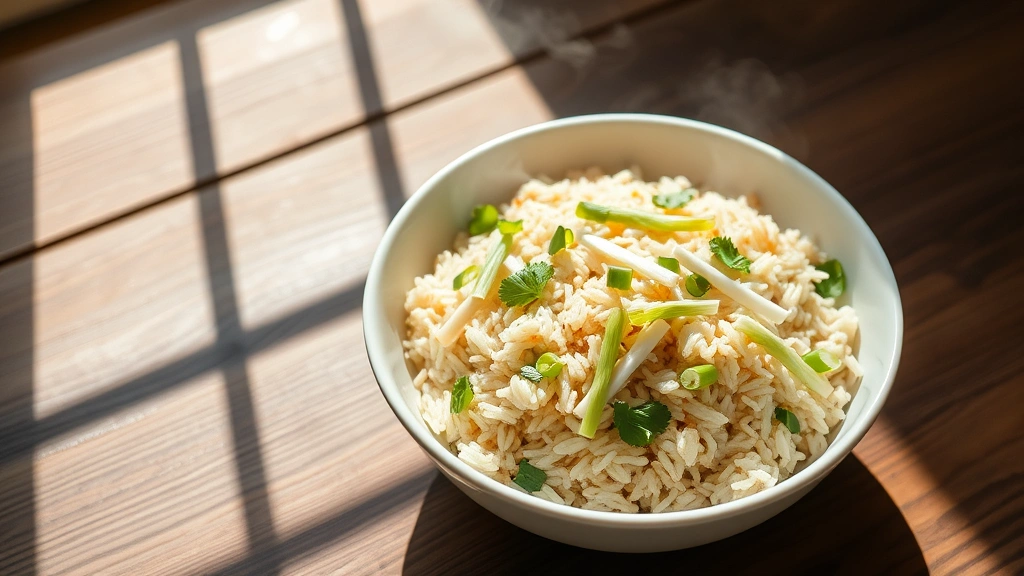
An asian rice recipe is the ultimate foundation for weeknight dinners and meal prep that actually tastes restaurant-quality. Whether you’re craving the comforting simplicity of jasmine rice bowls, the bold flavors of fried rice, or the aromatic perfection of coconut rice, these fifteen easy and authentic dishes will transform how you think about rice.
Rice has been the heart of Asian cuisine for thousands of years, and for good reason. It’s humble, versatile, and absolutely delicious when prepared with intention. I’ve spent countless evenings experimenting with different techniques, flavor combinations, and cooking methods to bring you the best asian rice recipe collection that won’t leave you standing at the stove for hours.
Jump To Section
Why This Recipe Works
The magic of an authentic asian rice recipe lies in respecting the rice itself while building layers of flavor around it. Most home cooks overlook the importance of properly cooking rice—getting that perfect balance between fluffy individual grains and just enough stickiness to hold everything together is an art form.
What makes these recipes special is how they honor traditional techniques while keeping things practical for busy home cooks. You don’t need fancy equipment or hard-to-find ingredients. Instead, you need understanding—knowing why you’re toasting spices, why you’re adding aromatics at specific moments, and how temperature control transforms simple ingredients into something extraordinary.
Additionally, these asian rice recipe variations teach you foundational skills that apply across dozens of dishes. Once you master the basics of jasmine rice or understand how to properly fry day-old rice, you’ll find yourself creating variations instinctively. The confidence that comes from understanding your ingredients is invaluable.
Ingredient Tips & Substitutions
The type of rice you choose makes an enormous difference in the final result. Jasmine rice offers that delicate floral note and slight stickiness that works beautifully in most asian rice recipe applications. Meanwhile, basmati rice provides a lighter texture and is perfect if you prefer grains that separate distinctly.
For fried rice variations, day-old rice is absolutely essential—freshly cooked rice becomes mushy and clumpy when stir-fried. This is one of those happy accidents where planning ahead actually makes your cooking easier and better. Pro tip: spread freshly cooked rice on a baking sheet and refrigerate it uncovered for a few hours to dry it out slightly.
Regarding aromatics and proteins, these recipes are incredibly flexible. Don’t have Thai basil? Regular basil works beautifully. Fresh ginger unavailable? Ginger powder (use about one-third the amount) steps in nicely. Swapping chicken for shrimp, tofu, or beef is always fair game. The framework of the recipe stays solid while you adapt based on what’s in your kitchen.
When it comes to soy sauce, tamari, and other seasonings, quality matters more than brand loyalty. Invest in good soy sauce—it’s one ingredient that truly shines through in rice dishes. Similarly, coconut milk varies significantly between brands, so experiment to find one you love.
Authentic Techniques You’ll Master
These asian rice recipe dishes teach you several essential cooking techniques that apply far beyond rice. Blooming spices in hot oil or ghee releases their essential oils and deepens their flavor—this thirty-second step transforms your entire dish.
Learning proper stir-fry technique means understanding high heat, quick movements, and ingredient timing. However, this doesn’t mean you need professional-grade equipment. A large skillet or wok works beautifully; the key is understanding heat control and not overcrowding your pan.
Steaming rice properly teaches you patience and attention. The absorption method—where rice simmers in a specific ratio of liquid until it absorbs everything—seems simple but requires respect. Too much heat and the bottom burns; too little and the top stays hard. This teaches you to trust the process and listen to your food.
For instance, learning to make perfect jasmine rice means understanding that the ratio shifts based on how old your rice is, your altitude, and even humidity. These variables teach you to develop intuition rather than blindly following numbers. That skill becomes invaluable in all your cooking.
Creating Your Perfect Meal
An asian rice recipe becomes a complete meal with thoughtful accompaniments. Crispy vegetables, tender proteins, and bright fresh herbs transform simple rice into something restaurant-worthy. Consider pairing your chosen rice dish with complementary sides like fresh salads for texture contrast.
Protein choices matter, and these recipes work beautifully with everything from grilled shrimp to marinated tofu. The rice acts as a neutral canvas that lets your protein shine. Additionally, consider that some proteins pair better with specific rice preparations—coconut rice loves seafood, while ginger-infused rice complements beef wonderfully.
Building a meal around an asian rice recipe doesn’t require cooking multiple complicated dishes. Often, the rice dish itself is substantial enough for dinner, especially when loaded with vegetables and protein. For lighter appetites, serving alongside pickled vegetables or a simple vegetable salad adds freshness and balance.
These dishes are also incredibly forgiving for meal prep. Most asian rice recipe preparations taste equally good hot or at room temperature, making them perfect for packed lunches. The flavors often deepen as they sit, so don’t be surprised when Tuesday’s portion tastes even better than Monday’s.
Storage & Make-Ahead Strategies
Storing an asian rice recipe properly ensures you can enjoy your effort throughout the week. Cooked rice keeps beautifully in the refrigerator for up to four days when stored in an airtight container. For longer storage, freeze portions in individual containers—they’ll keep for up to three months.
Reheating matters more than most people realize. Rather than microwaving rice and watching it turn rubbery, add a splash of water and reheat gently on the stovetop. This restores moisture and texture beautifully. Alternatively, if you’re making fried rice, cold rice actually reheats better in a hot wok, crisping up wonderfully.
However, some components of your asian rice recipe should be prepared fresh. Fresh herbs, crunchy toppings, and crispy elements lose their appeal after a day or two. Assemble these right before eating to maintain textural contrast and vibrant flavor. The rice itself is the stable foundation; everything else adds personality at serving time.
Planning ahead means cooking rice when you have time, storing proteins separately, and prepping vegetables in advance. Then, when hunger strikes, you’re minutes away from a delicious meal rather than starting from scratch. This approach makes healthy eating sustainable rather than stressful.
Exploring Beyond Basics
Once you’ve mastered foundational asian rice recipe techniques, exploring regional variations deepens your appreciation for this global cuisine. Thai rice differs from Vietnamese, which differs from Japanese, each with distinct characteristics and traditions worth understanding.
Learning about these differences teaches you that an asian rice recipe isn’t monolithic—it’s a diverse collection of approaches united by respect for the ingredient. Exploring resources like Serious Eats or New York Times Cooking exposes you to expert techniques and cultural context.
Many home cooks find that experimenting with different rice varieties and cooking methods becomes a delightful hobby rather than a chore. You might discover that short-grain sushi rice works beautifully for creamy coconut rice, or that wild rice adds interesting texture to traditional fried rice.
Consider trying rice soup variations that transform leftover rice into entirely new dishes. Or explore how protein-forward dishes can incorporate rice for added nutrition and texture. The possibilities expand exponentially once you understand the foundations.
An asian rice recipe collection becomes a trusted kitchen resource that you return to repeatedly. Whether you’re feeding a family, impressing guests, or simply nourishing yourself after a long day, these dishes deliver comfort and satisfaction. They remind us that the simplest ingredients, treated with respect and creativity, become something truly special.
Ingredients
- 2 cups jasmine rice
- 3 cups water or chicken broth
- 3 cloves garlic, minced
- 2 tablespoons soy sauce
- 1 tablespoon sesame oil
- 1 teaspoon ginger, freshly grated
- 2 eggs, beaten
- 1 cup mixed vegetables (peas, carrots, corn)
- 3 green onions, sliced
- 2 tablespoons vegetable oil
- 1/2 teaspoon white pepper
- 1 teaspoon salt (adjust to taste)
- Fresh cilantro for garnish
- Sriracha or chili oil (optional)
Instructions
- Rinse the jasmine rice under cold water in a fine-mesh strainer, stirring gently with your fingers until the water runs mostly clear. This removes excess starch and helps achieve fluffy individual grains.
- In a medium saucepan, bring the water or broth to a boil over medium-high heat. Add the rinsed rice and stir once, then reduce heat to low.
- Cover the saucepan with a tight-fitting lid and simmer for 15-18 minutes until the rice absorbs all the liquid. Don’t peek—resist the urge to lift the lid and check on progress.
- Remove from heat and let the rice rest, still covered, for 5 minutes. This allows any remaining moisture to distribute evenly.
- While the rice cooks, heat 1 tablespoon of vegetable oil in a large skillet or wok over medium-high heat. Once shimmering, add the beaten eggs and scramble until just cooked through, then transfer to a plate.
- Add the remaining tablespoon of oil to the same skillet and increase heat to high. Add minced garlic and grated ginger, stirring constantly for about 30 seconds until fragrant.
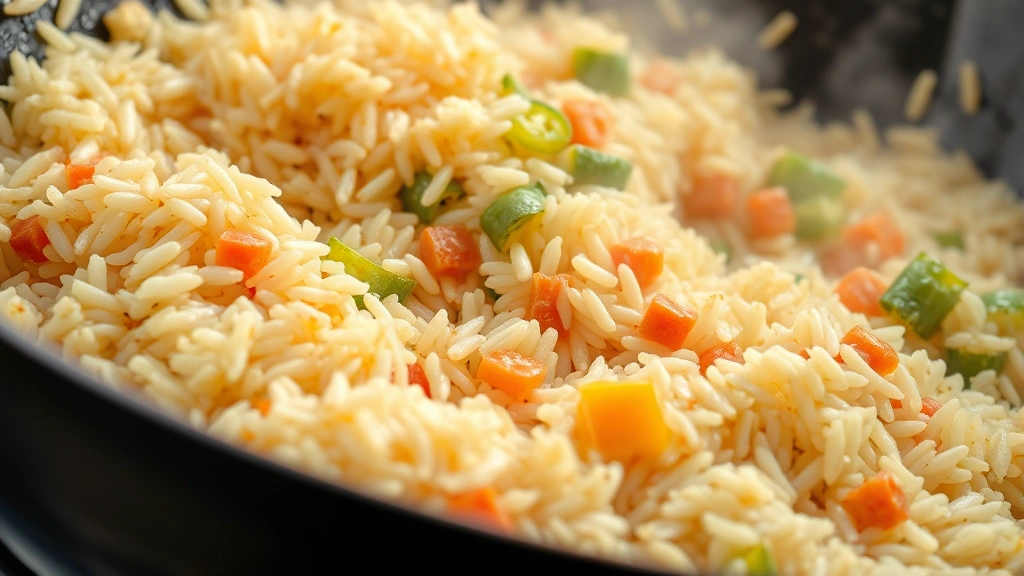
- Add the mixed vegetables and stir-fry for 2-3 minutes until they’re heated through and just beginning to soften. Don’t overcook—you want them to maintain slight crispness.
- Fluff the cooked rice with a fork and add it to the skillet with the vegetables. Break up any clumps gently as you stir.
- Drizzle soy sauce and sesame oil over the rice and vegetables, stirring constantly to distribute evenly. The mixture should be well-coated but not wet.
- Return the scrambled eggs to the skillet along with the sliced green onions and white pepper. Toss everything together for 1-2 minutes until heated through and well combined.
- Taste and adjust seasoning with additional salt or soy sauce as needed. Remember that flavors can vary based on your specific soy sauce brand.
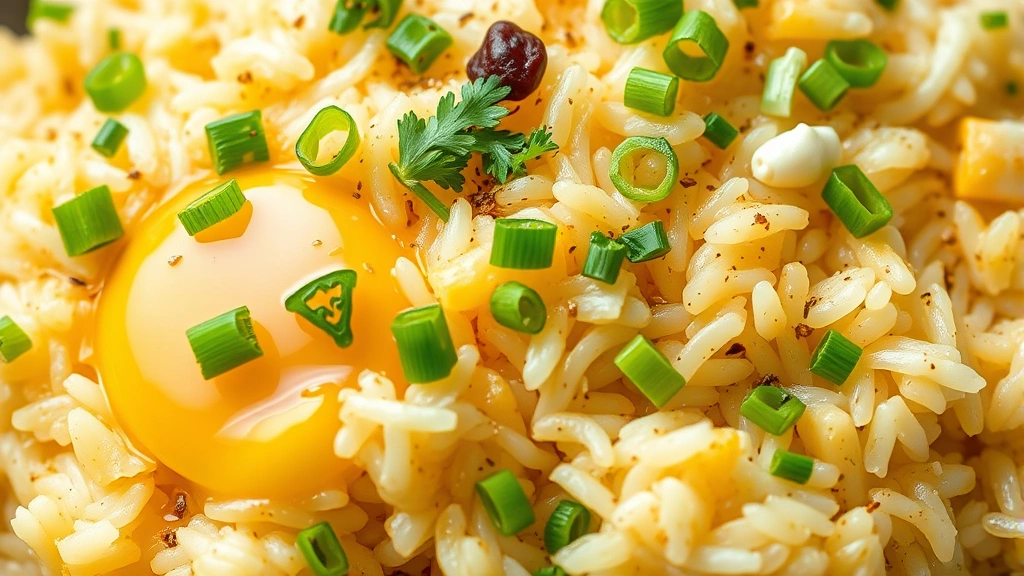
- Transfer to serving bowls and garnish generously with fresh cilantro and a drizzle of sriracha or chili oil if desired. Serve immediately while warm.
Pro Tips
The success of this asian rice recipe hinges on using day-old rice if possible. Freshly cooked warm rice contains too much moisture and becomes mushy when stir-fried. If you only have fresh rice, spread it on a baking sheet and refrigerate uncovered for 1-2 hours to allow some moisture to evaporate.
Regarding protein options, this recipe is incredibly flexible. Dice cooked chicken breast, shrimp, or even leftover rotisserie chicken works beautifully. For vegetarian versions, add extra tofu cubes or increase the variety of vegetables. Ground pork or beef also makes a delicious variation—brown it separately and add it back with the other ingredients.
The vegetable combination can be completely customized based on what you have available. Broccoli, bell peppers, snap peas, mushrooms, and zucchini all work wonderfully. However, avoid watery vegetables like tomatoes or cucumbers unless you add them fresh after cooking, as they’ll release moisture and make the rice soggy.
For the liquid component, chicken broth adds more flavor than plain water, but either works perfectly. Some cooks prefer fish sauce or oyster sauce for deeper umami, though these aren’t essential. If using fish sauce, reduce the amount of soy sauce slightly to avoid over-salting.
Storage is straightforward—this asian rice recipe keeps beautifully in the refrigerator for up to four days in an airtight container. Reheat gently on the stovetop with a splash of water, or use a microwave if time is tight. The flavor actually deepens after a day, making leftovers genuinely delicious rather than a compromise.
Make-ahead tip: Cook your rice a day ahead and store it separately from other components. Prep your vegetables and proteins the evening before, then you can assemble this entire dish in under 15 minutes when hunger strikes. This approach makes healthy eating sustainable during busy weeks.
For spice lovers, don’t hesitate to add fresh Thai chilies, chili paste, or sriracha to taste. Some cooks prefer a dash of white miso dissolved in a bit of water instead of additional soy sauce for more complex seasoning. The beauty of this asian rice recipe is that it welcomes your personal preferences and creativity.