
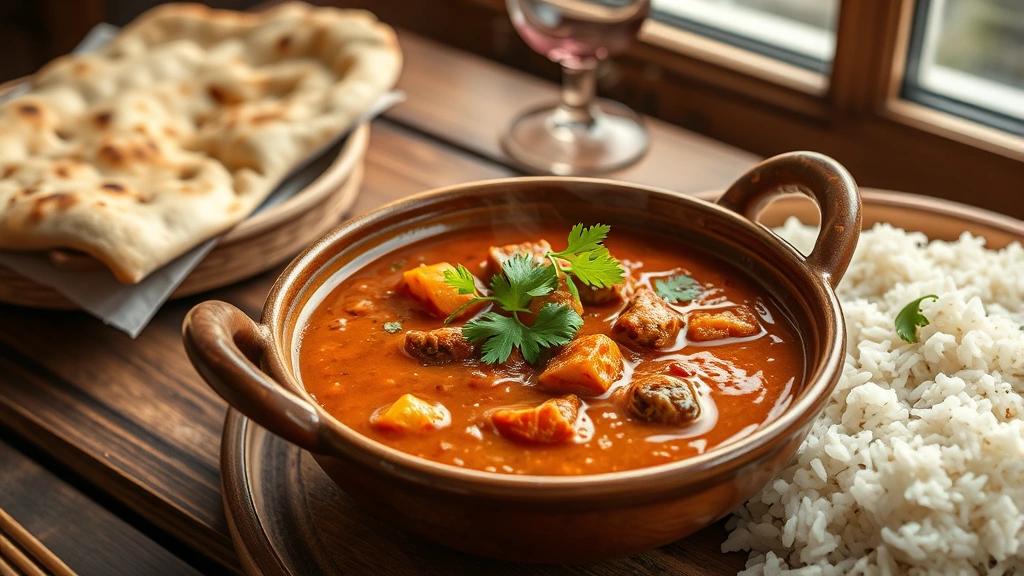
An auju recipe brings the authentic, bold flavors of Nepal right into your kitchen—and honestly, once you taste it, you’ll understand why this dish has been cherished for generations. Auju is a traditional Nepalese preparation featuring tender meat or vegetables cooked with aromatic spices, creating a warming, deeply satisfying meal that feels both special and comforting.
What makes auju so incredible is its simplicity paired with complex flavor development. The spices bloom in hot oil, the aromatics create a fragrant base, and everything comes together in one pot to create something truly magical. Whether you’re exploring Nepalese cuisine for the first time or you’re a seasoned home cook, this recipe will become a beloved staple.
Jump To Section
Why This Recipe Works
The beauty of an auju recipe lies in how the cooking method allows flavors to deepen and meld together naturally. You’re not rushing anything here—each ingredient gets its moment to shine. The initial tempering of spices in oil releases their essential oils, creating an aromatic foundation that’s absolutely essential to authentic auju.
Additionally, the slow cooking process tenderizes the meat while allowing it to absorb all those wonderful spice flavors. The result? Every bite is tender, flavorful, and deeply satisfying. This is comfort food at its finest, with layers of taste that make you want to keep coming back for more.
If you love exploring Asian noodle dishes, you might also enjoy making a best ramen bowl recipe for variety. However, auju offers something different—it’s a hearty, spiced meat dish that pairs beautifully with rice or flatbread instead of noodles.
Ingredient Tips & Substitutions
The foundation of any auju recipe starts with quality ingredients. Fresh ginger and garlic are non-negotiable—they provide that pungent, aromatic backbone that makes this dish sing. Don’t use pre-minced versions if you can help it; the flavor difference is genuinely noticeable and worth the extra effort.
For the meat, traditionally lamb or goat is used, but beef works beautifully too. You want pieces that are around 1-1.5 inches in size so they cook evenly and stay tender. If you’re vegetarian, mushrooms or cauliflower become the star, soaking up all those spices magnificently.
The spice blend is where auju truly distinguishes itself. Cumin seeds, coriander, turmeric, and chili powder create that characteristic warm heat. For a milder version, reduce the chili powder, but don’t skip it entirely—it adds depth beyond just heat. Meanwhile, if you can find Nepali cardamom or fenugreek, these elevate the recipe to restaurant-quality status.
Consider this your jumping-off point for experimentation. If you enjoy bold, aromatic dishes, you might also appreciate making a best Taiwanese beef noodle soup recipe, which shares similar spicing philosophy with Asian cuisine.
Serving Suggestions
The traditional way to serve auju is with steamed rice or warm flatbread like roti or naan. The rice soaks up all the flavorful cooking liquid, while flatbread is perfect for scooping up every delicious bit. Either option transforms your auju into a complete, satisfying meal.
For a more elaborate spread, pair it with a simple yogurt raita to cool the palate, or add a fresh cucumber salad on the side. The cooling elements balance the warm spices beautifully. Alternatively, if you want to explore complementary flavors, a tasty Mediterranean salad recipe offers fresh contrast, though traditional sides are always best.
Fresh cilantro scattered over the top at the end adds brightness and visual appeal. A squeeze of lemon juice just before serving brings everything into focus. These final touches take your auju from delicious to absolutely memorable.
Storage & Reheating
One of the best things about auju? It tastes even better the next day as the flavors continue developing. Store it in an airtight container in the refrigerator for up to four days. The cooling and reheating process actually enhances the spice profile, making leftovers a genuine treat.
To reheat, simply warm it gently on the stovetop over medium heat, stirring occasionally. Add a splash of water if it seems dry—you want that saucy texture to remain. The microwave works in a pinch, but stovetop reheating gives you better texture control and flavor recovery.
For longer storage, freeze auju in portions for up to three months. When you’re ready to enjoy it, thaw overnight in the refrigerator, then reheat gently. This makes auju an excellent meal-prep option for busy weeks ahead.
The Nepali Culinary Connection
Auju represents Nepali home cooking at its heart—it’s unpretentious, deeply flavorful, and meant to be shared with family. The preparation methods have been passed down through generations, each family adding their own subtle tweaks and preferences. This recipe honors that tradition while remaining accessible to any home cook.
Understanding the cultural significance makes cooking auju more meaningful. You’re not just preparing dinner; you’re participating in a culinary tradition that spans centuries. The spices used reflect Nepal’s position along ancient trade routes, where flavors from India, Tibet, and beyond converged and blended into something uniquely Nepalese.
If you’re exploring similar spiced meat preparations, check out this best pork ramen recipe, which offers another approach to aromatic meat cooking. For those interested in Asian cuisine more broadly, best shrimp pad Thai recipe provides exciting flavor profiles from Thai tradition.
Ready to dive in and create authentic auju in your own kitchen? This recipe delivers restaurant-quality results with straightforward techniques and readily available ingredients. You’re about to discover why auju has captivated Nepalese families for generations.
Ingredients
- 2 lbs lamb or beef, cut into 1-inch cubes
- 3 tablespoons vegetable oil
- 1 large onion, finely diced
- 4 cloves garlic, minced
- 2 tablespoons fresh ginger, minced
- 2 teaspoons cumin seeds
- 1 teaspoon coriander seeds
- 1 teaspoon turmeric powder
- 2 teaspoons chili powder
- 1 teaspoon garam masala
- 1 cup plain yogurt
- 1 cup water or meat broth
- 2 tomatoes, diced
- 1 teaspoon salt, plus more to taste
- ½ teaspoon black pepper
- 2 green chilies, slit lengthwise
- ¼ cup fresh cilantro, chopped
- Juice of ½ lemon
Instructions
- Pat the meat dry with paper towels and season generously with salt and pepper. This step ensures better browning and helps develop deep flavors.
- Heat 3 tablespoons of oil in a large, heavy-bottomed pot or Dutch oven over medium-high heat until shimmering and hot.
- Working in batches to avoid overcrowding, brown the meat on all sides until deeply golden, approximately 3-4 minutes per batch. Transfer browned meat to a plate and set aside.
- Reduce heat to medium and add cumin seeds and coriander seeds to the remaining oil. Toast for about 30 seconds until fragrant, stirring constantly to prevent burning.
- Add the diced onion to the pot and cook for 4-5 minutes, stirring frequently, until softened and beginning to turn golden.
- Stir in the minced garlic and ginger, cooking for another 1-2 minutes until the raw smell disappears and the mixture becomes fragrant.
- Add turmeric powder, chili powder, and garam masala, stirring constantly for about 30 seconds to bloom the spices in the oil. This creates the flavor foundation for your auju.
- Return the browned meat to the pot, stirring well to coat everything with the spiced oil mixture. Cook for 2 minutes, stirring occasionally.
- Add the yogurt slowly while stirring, allowing it to incorporate fully and coat the meat. This creates a creamy, flavorful sauce base.
- Pour in the water or broth and add the diced tomatoes and slit green chilies. Stir everything together thoroughly.
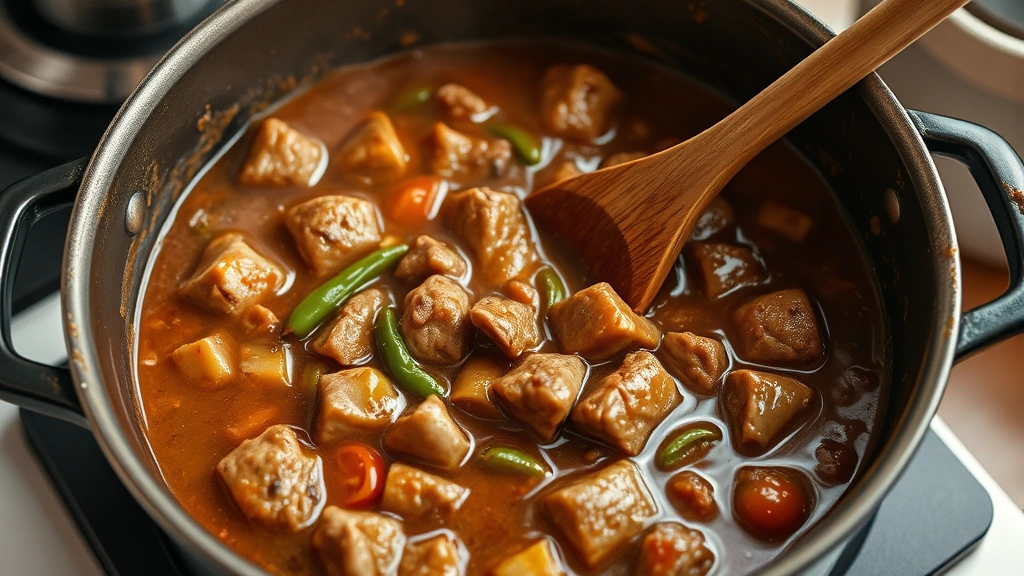
- Bring the mixture to a simmer, then reduce heat to low, cover partially, and simmer for 35-40 minutes until the meat is tender and the sauce has thickened slightly.
- Taste and adjust seasoning with additional salt and pepper as needed. Remember, you can always add more salt, but you can’t remove it.
- Finish with fresh cilantro and a squeeze of lemon juice just before serving. This brightens all the warm spices beautifully and adds freshness.
Pro Tips
The key to exceptional auju is patience and low heat during the simmering stage. Rushing the cooking will result in tough meat and underdeveloped flavors. Let the pot bubble gently, and resist the urge to stir constantly—occasional stirring prevents sticking without disrupting the cooking process.
When selecting your meat, look for pieces with some marbling, as this fat will render during cooking and create a richer, more flavorful sauce. Lean cuts tend to become tough and dry. If using beef, chuck or shoulder cuts are ideal for this slow-cooking method.
For a creamier auju, add an extra ¼ cup of yogurt in the final minutes of cooking. Conversely, if your sauce seems too thin, leave the pot uncovered for the last 10 minutes to allow some liquid to evaporate and the sauce to concentrate.
The green chilies are traditionally left whole or slit, rather than chopped, so diners can easily avoid them if they prefer less heat. However, if you love spice, chop them finely and distribute throughout. The slit version allows flavor to infuse the dish while keeping the chili pieces identifiable.
Fresh ginger and garlic really do make a difference in this recipe. If you absolutely must use jarred versions, use about half the amount, as these tend to be more concentrated and can overpower the other flavors. Additionally, jarred versions sometimes develop off-flavors during storage that can affect your final dish.
Make auju ahead of time whenever possible. The flavors develop and deepen beautifully overnight, making it an excellent candidate for meal preparation. Simply reheat gently before serving, and you’ll have a restaurant-quality meal ready in minutes.
For vegetarian auju, substitute mushrooms (cremini or button), cauliflower florets, or potatoes. These vegetables should be cut into similar-sized pieces as the meat would be. The cooking time remains the same, and the result is equally delicious and satisfying.