
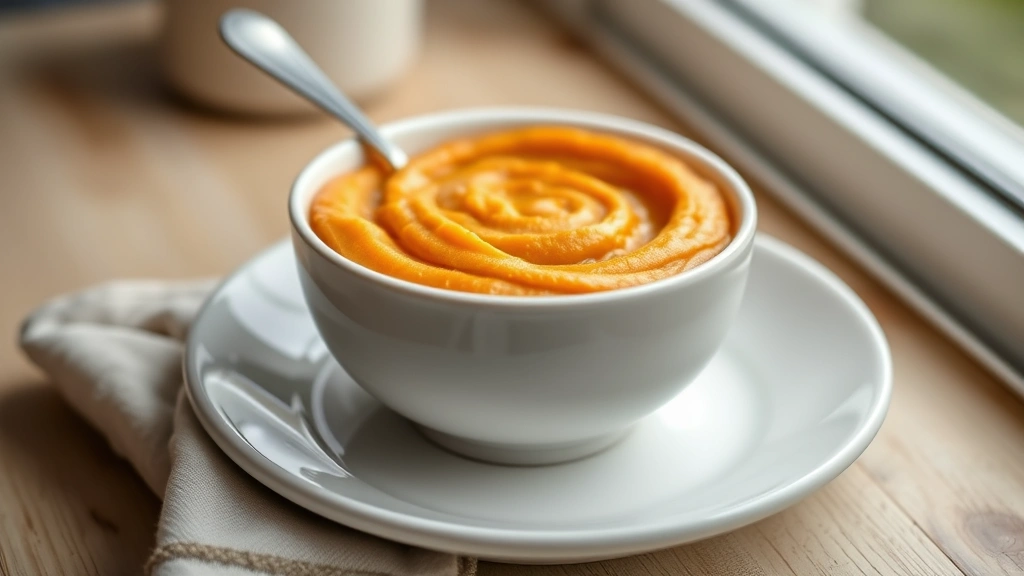
Baby puree recipes are one of the most rewarding culinary adventures you’ll experience as a parent, and they deserve more attention than the jarred options collecting dust on grocery store shelves. When you make homemade baby purees, you’re giving your little one the freshest, most nutrient-dense start to their food journey—and honestly, it’s easier than you might think. These first foods set the foundation for healthy eating habits, and there’s something incredibly special about watching your baby discover flavors you’ve lovingly prepared.
The beauty of making baby puree recipes at home is that you control every single ingredient. No mysterious additives, no questionable preservatives, just pure, wholesome food. Plus, your kitchen will smell absolutely divine while you’re steaming sweet potatoes or simmering carrots. It’s the kind of cooking that feels both nurturing and practical—two things we parents desperately need.
Jump To Section
Why This Recipe Works
These baby puree recipes work beautifully because they focus on single-ingredient purees first, which help you identify any potential allergies or sensitivities. Starting simple is smart parenting. Once your baby masters individual flavors, you can get creative with combinations that would make any chef proud. The gentle cooking methods preserve vital nutrients while creating the perfect smooth texture that tiny mouths can manage.
What makes these recipes foolproof is their flexibility. Whether you’re steaming, roasting, or slow-cooking, the end result is always creamy, delicious puree that freezes beautifully. You can batch-cook on Sunday and have ready-to-go meals for the entire week. It’s meal prep that actually saves you time and money while nourishing your baby. Additionally, homemade purees cost a fraction of what you’d spend on premium jarred options.
Getting Started with Baby Puree Recipes
Begin with vegetables and fruits that are naturally mild and less likely to cause reactions—think sweet potatoes, carrots, avocado, and pears. These gentle flavors introduce your baby to eating without overwhelming their developing palate. Avocado is particularly genius because it requires zero cooking; you literally just mash it with a fork and you’re done. For instance, a ripe avocado mixed with a tiny splash of breast milk or formula creates the silkiest puree.
The timing matters too. Most pediatricians recommend starting solids around six months, but always check with your doctor. You’ll know your baby is ready when they can sit up with minimal support and show interest in food. This is genuinely exciting—you’re about to witness their world expand one spoonful at a time.
For more inspiration on making soups and broths that can be adapted for older babies, check out our best vegetable beef soup recipe. As your baby grows, many of these techniques translate beautifully to family meals.
Ingredient Tips & Substitutions
When selecting produce for baby puree recipes, organic is ideal since babies have developing immune systems. However, if organic isn’t accessible, wash everything thoroughly under running water. Choose ripe fruits and vegetables at their peak—they’ll have the best flavor and nutritional content. Sweet potatoes should feel firm with no soft spots, while carrots should snap when you bend them.
Here’s a game-changer: you don’t need special equipment to make these work. A blender, food processor, or even an immersion blender does the job perfectly. Some parents use a simple fork for softer items like bananas or avocados. Meanwhile, if you want an ultra-smooth texture for younger babies, a fine-mesh strainer works wonders for removing any fibrous bits.
Water is your secret ingredient. Cooking water from steaming vegetables or unsalted vegetable broth adds nutrients and creates the ideal consistency. You can always add more liquid to thin it out, but you can’t remove it once it’s in. Start thick and adjust gradually until you reach that perfect Gerber-style smooth texture. As your baby ages and develops better chewing skills, you can leave it slightly chunkier.
Breast milk or formula can be mixed into purees to maintain familiar flavors your baby already loves. This clever trick makes the transition to solids smoother and more comforting. Additionally, a tiny pinch of cinnamon or mild spices (after checking with your pediatrician) can be introduced early, setting your child up to enjoy diverse flavors as they grow.
Storage & Reheating Best Practices
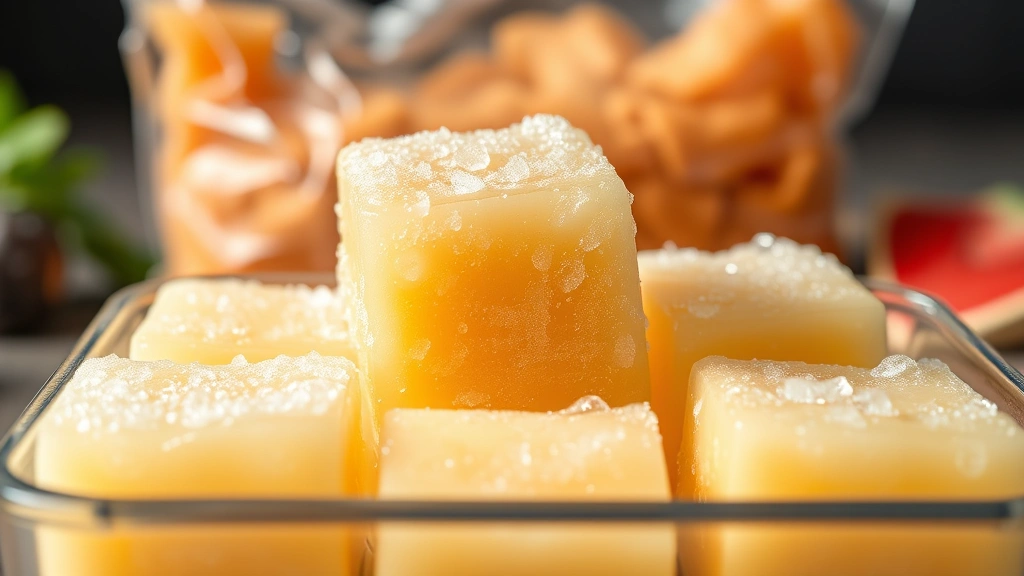
Freezing is your best friend when making baby puree recipes in batches. Ice cube trays create perfect portion sizes—most cubes equal about one ounce, making it simple to thaw exactly what you need. Pop frozen cubes into labeled freezer bags once solid, and you’ll have homemade purees ready for the next month. This system transforms Sunday cooking into a week’s worth of meals.
Refrigerated purees last three to four days in an airtight container, while frozen ones stay fresh for about three months. However, use the oldest batches first and always label with the date and ingredient. Thaw overnight in the refrigerator for best results, or run the sealed container under warm water for faster defrosting. Never refreeze thawed puree, and always check that it’s cooled to a safe temperature before serving to your baby.
For texture inspiration as your baby progresses, explore our best zucchini soup recipe, which demonstrates how to create silky, smooth preparations. The techniques you learn making baby puree recipes translate beautifully into family meals that everyone can enjoy together.
Flavor Combinations & Progression
Once your baby has mastered single-ingredient purees over a few weeks, you can start experimenting with combinations. Sweet potato and carrot is a classic pairing—naturally sweet, naturally appealing. Pear and pumpkin creates an autumn-inspired blend that tastes like dessert but packs serious nutrition. Apple and butternut squash feels almost like baby applesauce with depth and creaminess.
As your little one grows into the later stages of the first year, you can introduce slightly more complex flavors. A best tomato bisque soup recipe offers techniques for creating creamy, vegetable-forward preparations. The mushroom and barley combination from our best mushroom barley soup recipe shows how to build nutritious, satisfying meals as their palate matures.
Introduce one new flavor every three to five days to monitor for reactions. This patience pays off—you’re building a food diary of what your baby loves and tolerates beautifully. Trust me, this foundation makes introducing table foods infinitely easier down the road.
Making It Special & Sustainable
The joy of making baby puree recipes extends beyond nutrition into presence and connection. When you’re standing at your stove steaming vegetables for your baby, you’re investing in their future. You’re teaching them that food is prepared with care, that fresh ingredients matter, and that eating together is love in action. These values will shape their relationship with food for life.
Consider involving older siblings in the process—they can help wash vegetables, press the blender button, or decorate ice cube labels. Making baby puree recipes becomes a family activity rather than just another task. Plus, when bigger kids help create baby food, they often become more interested in eating vegetables themselves. It’s a win-win.
This approach is also remarkably sustainable. You’re reducing packaging waste from jars and pouches, supporting local farmers when you buy from farmers markets, and creating minimal food waste. Vegetable scraps become stock for thinning purees. It’s cooking in the most mindful way possible—which feels especially important when you’re feeding someone so small and precious.
For more advanced cooking inspiration as your family’s palate develops, explore trusted sources like Bon Appétit and Serious Eats for technique-forward recipes. New York Times Cooking offers beautifully tested recipes that work wonderfully for family meals. These resources will grow with your baby as you progress from purees to finger foods to family dinners.
Making baby puree recipes is one of those parenting tasks that feels simultaneously simple and profound. You’re nourishing your baby’s body while feeding your own soul with the satisfaction of providing something genuinely homemade. So grab some sweet potatoes, fire up that steamer, and embrace this beautiful season of first foods. Your baby—and your heart—will thank you.
Ingredients
- 2 pounds fresh sweet potatoes, peeled and cubed
- Water for steaming
- Breast milk or formula for thinning (optional)
Instructions
- Wash sweet potatoes thoroughly under running water and peel with a vegetable peeler to remove the thin outer skin completely.
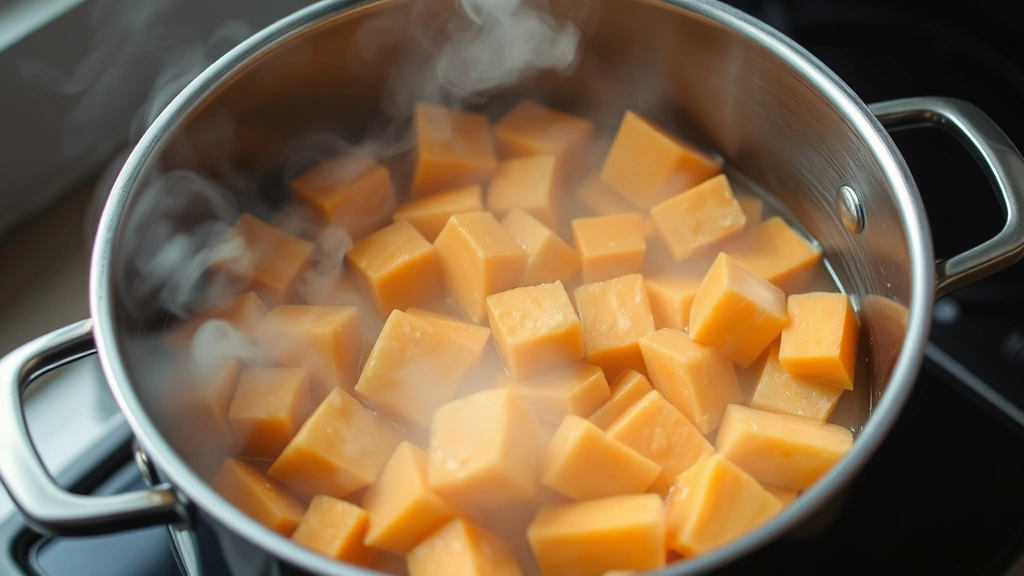
- Cut peeled sweet potatoes into uniform 1-inch cubes so they cook evenly and quickly.
- Pour about 2 inches of water into a pot with a steamer basket and bring to a rolling boil.
- Arrange sweet potato cubes in a single layer on the steamer basket, cover with a lid, and steam for 12-15 minutes until a fork pierces them easily.
- Transfer cooked sweet potatoes to a blender or food processor, working in batches if necessary.
- Blend until completely smooth, adding reserved cooking water or breast milk one tablespoon at a time until you reach desired consistency—thicker for older babies, thinner for younger ones.
- For silkier texture, press puree through a fine-mesh strainer using the back of a spoon to remove any fibrous pieces.
- Cool completely to room temperature before portioning into ice cube trays or storage containers.
- Once frozen solid in ice cube trays (about 4 hours), transfer cubes to labeled freezer bags and store up to three months.
- To serve, thaw one or two cubes in the refrigerator overnight, then warm gently in a small saucepan over low heat, stirring frequently, until warmed through.
Pro Tips
Sweet potato is an absolute hero ingredient for baby puree recipes because it’s naturally sweet, packed with beta-carotene, and rarely causes allergic reactions. However, you can use this exact same technique with carrots, butternut squash, pumpkin, or parsnips—just adjust cooking time slightly based on density. Carrots need about 18-20 minutes, while butternut squash might need 20-25 minutes depending on cube size.
The cooking water you steam in is liquid gold for thinning purees. It contains nutrients leached from the vegetables during cooking. If you prefer, unsalted vegetable broth or even filtered water works perfectly fine. Never add salt or sugar to baby puree recipes—their developing taste buds don’t need it, and their kidneys aren’t ready to process added sodium.
Storage is wonderfully simple with this batch-cooking method. Ice cube trays with lids are game-changers, preventing freezer burn and keeping purees fresh. If you don’t have cube tray lids, cover trays tightly with plastic wrap. Once frozen, transfer to dated freezer bags for space efficiency. Meanwhile, you can also use small glass jars or silicone storage containers—whatever works with your kitchen setup.
When serving, always check temperature carefully by placing a small amount on the inside of your wrist first. It should feel lukewarm, not hot. Additionally, never refreeze thawed puree for food safety reasons. If you thaw a cube and your baby only eats half, refrigerate the remainder and use within 24 hours.
As your baby progresses, you can introduce combination purees like sweet potato with pear, or carrot with apple. These complementary flavors make baby puree recipes more exciting while maintaining nutritional balance. The key is introducing one new ingredient at a time over several days to monitor for any sensitivities. This thoughtful approach gives you confidence and peace of mind as you navigate this wonderful feeding journey.