
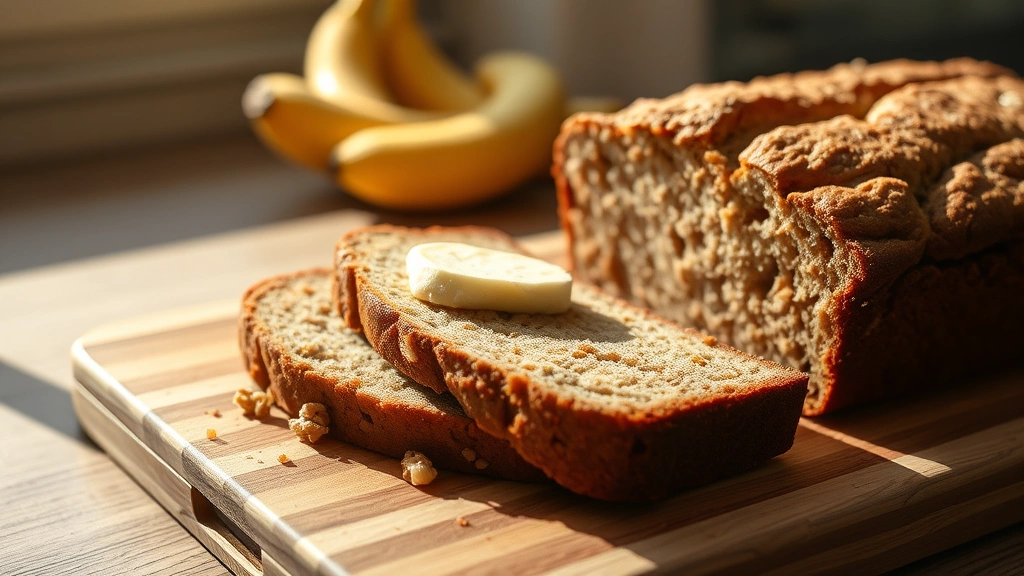
This gluten free banana bread recipe is the answer to all your prayers if you’ve been missing that perfectly moist, tender loaf. I’ve tested this recipe dozens of times, and I can confidently say it rivals any traditional banana bread you’ve ever had—gluten-free or not.
What makes this banana bread so special? The secret is in the combination of gluten-free flour blend and the technique of using ripe bananas that are almost too soft to eat. When bananas reach that stage where they’re heavily speckled with brown spots, they’re packed with natural sweetness and moisture that keeps this bread incredibly tender. Additionally, a touch of sour cream adds richness and prevents that dry, crumbly texture that plagues so many gluten-free baked goods.
Jump To Section
Why This Recipe Works
Baking gluten-free can feel intimidating, but this banana bread recipe strips away the complexity. The gluten-free flour blend I recommend contains xanthan gum, which provides the structure that gluten normally would. This means you don’t need to fuss with multiple flours or starches—one quality blend does the heavy lifting.
The ratio of wet to dry ingredients is carefully balanced to create that signature moist crumb. Too much flour makes it dense; too little makes it fall apart. I’ve dialed this in perfectly so you get a bread that’s tender without being gummy or undercooked.
Brown sugar instead of white sugar is another game-changer here. It adds moisture and creates a deeper, more complex sweetness. Meanwhile, the butter creamed together with that brown sugar creates air pockets throughout the batter, giving you a light, fluffy texture despite being gluten-free.
Ingredient Tips & Substitutions
Let’s talk about the star ingredient: your bananas. You want them ripe—seriously ripe. The peels should be mostly brown with just a few yellow spots remaining. This ensures maximum sweetness and moisture. If your bananas aren’t quite there yet, don’t panic; just let them sit on your counter for a day or two.
For the gluten-free flour blend, I’m partial to Bob’s Red Mill 1-to-1 or King Arthur’s Measure for Measure. Both contain xanthan gum and have been specifically formulated for baking. However, if you already have a trusted gluten-free blend at home, use that—just make sure it includes a binder.
Don’t skip the sour cream or Greek yogurt. This ingredient is absolutely crucial for moisture and tenderness. If you’re dairy-free, use full-fat coconut yogurt or a quality dairy-free sour cream alternative. The fat content matters, so avoid non-fat versions.
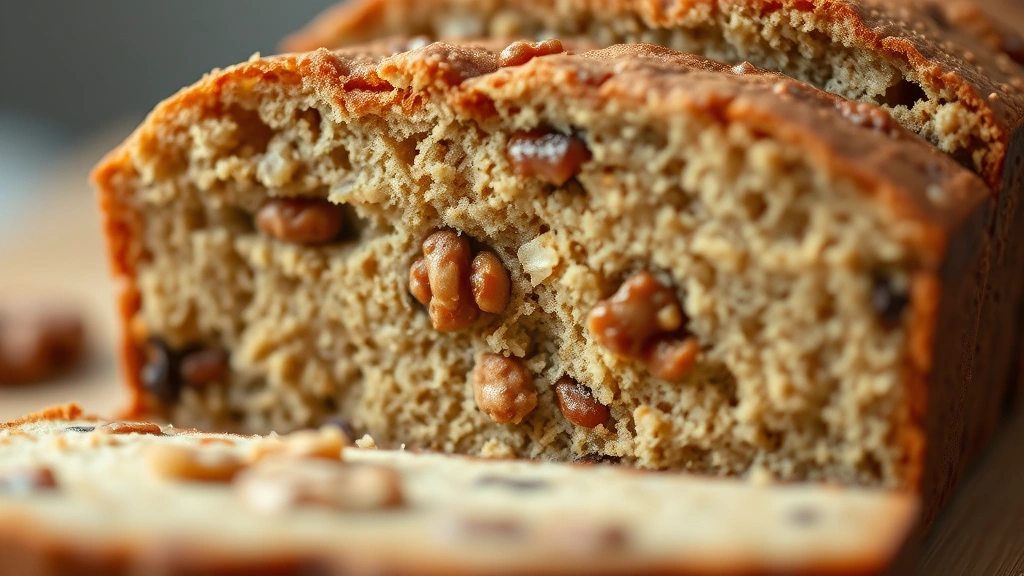
For the mix-ins, walnuts or pecans are traditional, but you could also use chocolate chips, dried cranberries, or even shredded coconut. Toast your nuts first if you have time—it deepens their flavor beautifully.
The Baking Process Made Simple
Start by preheating your oven and preparing your loaf pan. I line mine with parchment paper or use a baker’s spray—this prevents sticking and makes removal so much easier. Mash your bananas thoroughly; you want mostly a smooth puree with just a few small lumps for texture.
Cream the butter and brown sugar together until light and fluffy. This step usually takes 2-3 minutes with an electric mixer. Then add your eggs one at a time, beating well after each addition. This creates emulsification, which helps bind all your ingredients together beautifully.
Here’s where gluten-free baking differs slightly from traditional baking: mix your dry ingredients separately before folding them in. This prevents overmixing, which can make gluten-free baked goods tough. Fold gently with a spatula until just combined—a few flour streaks are perfectly fine.
Serving Suggestions
Serve this banana bread warm with a pat of butter melting into the soft crumb. It’s also wonderful toasted the next day with a spread of almond butter or cream cheese frosting. For breakfast, pair it with a cup of coffee or tea for a cozy morning treat.
This bread is also perfect for snacking straight from the kitchen, packed in lunchboxes, or brought to potlucks. People won’t believe it’s gluten-free unless you tell them—and honestly, you can keep that secret if you want!
Storage & Make-Ahead Tips
Let your banana bread cool completely in the pan before turning it out onto a wire rack. This takes about 15-20 minutes. Once cooled, wrap it tightly in plastic wrap or aluminum foil and store at room temperature for up to 3 days.
For longer storage, freeze your banana bread for up to 3 months. Slice it first, then wrap individual slices in plastic wrap and place them in a freezer-safe container. This way, you can thaw just what you need. Simply thaw at room temperature or pop a slice in the toaster for a quick breakfast.
You can also prepare the batter up to 4 hours ahead and refrigerate it before baking. Just add a couple extra minutes to the baking time if baking from cold. This makes it perfect for busy mornings when you want fresh banana bread but don’t have time for the full process.
Whether you’re baking gluten-free by necessity or choice, this banana bread recipe delivers the comfort and satisfaction you’re craving. The moist crumb, subtle banana flavor, and ease of preparation make it a recipe you’ll return to again and again. Happy baking!
Ingredients
- 2 cups gluten-free all-purpose flour blend (with xanthan gum)
- 1 teaspoon baking soda
- 1/2 teaspoon salt
- 1/2 teaspoon cinnamon
- 1/4 teaspoon nutmeg
- 1/2 cup (115g) unsalted butter, softened
- 3/4 cup (165g) packed brown sugar
- 2 large eggs, room temperature
- 4 ripe bananas (about 1 1/2 cups mashed)
- 1/2 cup sour cream or Greek yogurt
- 1 teaspoon vanilla extract
- 1/2 cup chopped walnuts or pecans (optional)
Instructions
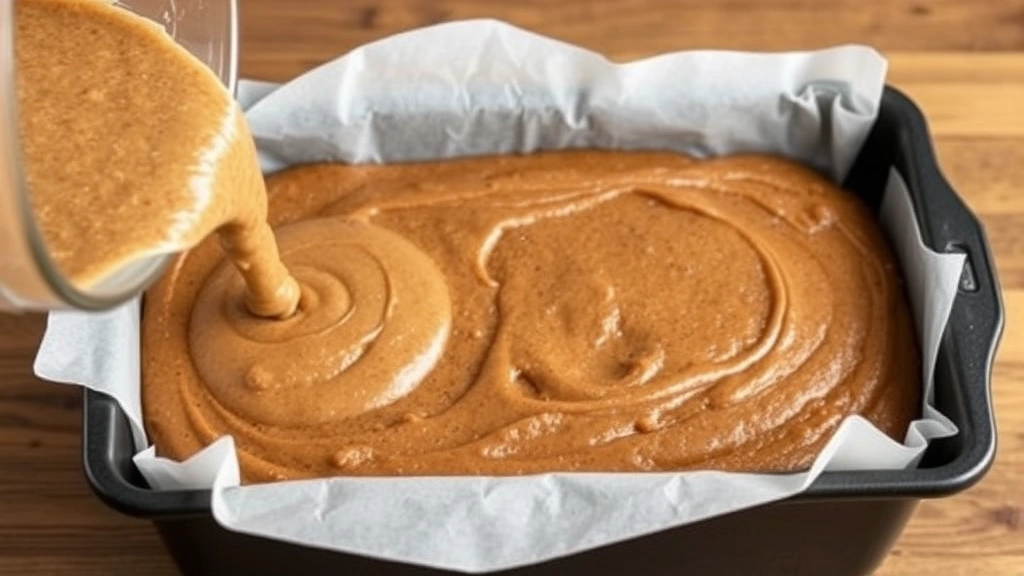
- Preheat your oven to 350°F (175°C). Prepare a 9×5-inch loaf pan by lining it with parchment paper or coating with baker’s spray to prevent sticking.
- In a small bowl, whisk together the gluten-free flour blend, baking soda, salt, cinnamon, and nutmeg. Set this dry mixture aside.
- In a large bowl, cream together the softened butter and brown sugar using an electric mixer on medium speed for 2-3 minutes, until the mixture is light and fluffy.
- Add the eggs one at a time to the butter mixture, beating well after each addition. This ensures proper emulsification and creates a smooth, cohesive batter.
- In another bowl, mash the ripe bananas until mostly smooth with just a few small lumps remaining for texture. Stir in the sour cream and vanilla extract until combined.
- Gently fold the banana mixture into the creamed butter mixture using a spatula, stirring just until combined. Don’t overmix.
- Carefully fold the dry ingredients into the wet ingredients using a spatula, mixing just until you see no white flour streaks. A few small lumps of flour are fine.
- If using nuts, gently fold them into the batter at this point, distributing them evenly throughout.
- Pour the batter into your prepared loaf pan, smoothing the top with a spatula for even baking.
- Bake for 55-65 minutes, until a toothpick inserted into the center comes out clean or with just a few moist crumbs. The top should be golden brown.
- Remove from the oven and let the bread cool in the pan for 15-20 minutes. Then turn it out onto a wire rack to cool completely before slicing.
Pro Tips
Banana ripeness is absolutely critical here. Those brown-speckled bananas that look almost past their prime are exactly what you want. They provide maximum sweetness and moisture, which is especially important in gluten-free baking where dryness can be an issue. If your bananas are still mostly yellow, give them another day or two on the counter.
Room temperature ingredients make a significant difference in gluten-free baking. Take your eggs and butter out of the refrigerator 30 minutes before baking. This allows them to combine more smoothly and creates a better texture in the finished bread. Cold ingredients can cause lumps and uneven mixing.
The gluten-free flour blend is non-negotiable—don’t substitute all-purpose wheat flour. However, if you’re using a different gluten-free blend without xanthan gum, add 1/4 teaspoon of xanthan gum to your dry ingredients. This binder is essential for structure in gluten-free baking.
For a dairy-free version, use vegan butter and a dairy-free sour cream alternative. Make sure the dairy-free sour cream is full-fat; this keeps the bread moist. Coconut yogurt works beautifully here too. You can also use applesauce, though the flavor will be slightly different.
If your loaf is browning too quickly on top, tent it with aluminum foil for the last 15-20 minutes of baking. Every oven is different, so adjust baking time as needed. The toothpick test is your best friend—it should come out clean or with just a few moist crumbs, never with wet batter.
Leftover banana bread keeps beautifully for up to 3 days at room temperature when wrapped tightly. For longer storage, slice it, wrap individual pieces in plastic wrap, and freeze for up to 3 months. Toast frozen slices for the best texture and flavor. You can also make this recipe ahead by preparing the batter and refrigerating it for up to 4 hours before baking—just add a couple extra minutes to the bake time.