

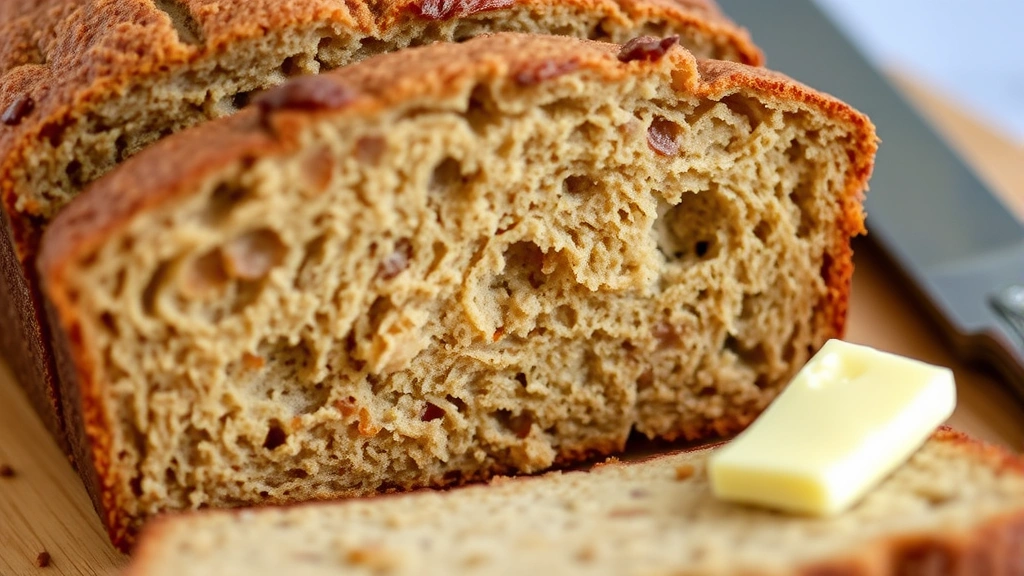
This banana bread recipe with almond flour is a game-changer for anyone seeking a moist, tender crumb without traditional wheat flour. I’ve been making this version for years, and honestly, it’s become my go-to when I want something that feels indulgent but keeps things naturally gluten-free.
What makes this recipe truly special is how the almond flour creates an incredibly tender texture while keeping everything naturally moist. The bananas provide sweetness and structure, while the almond flour adds a subtle richness that regular flour just can’t match. You’ll notice the difference immediately—this bread stays soft for days, unlike denser gluten-free loaves.
Jump To Section
I started experimenting with almond flour banana bread because I wanted something my gluten-sensitive friends could enjoy without that gritty, crumbly texture that disappoints so many people. After testing dozens of combinations, this recipe nails the balance perfectly. The result? A loaf that’s foolproof, delicious, and honestly tastes better than the traditional version.
Why This Recipe Works
The magic happens when you combine almond flour’s natural fat content with ripe bananas and eggs. This trio creates a structure that doesn’t need wheat gluten to hold together beautifully. Additionally, the almond flour brings a subtle nuttiness that elevates the entire flavor profile beyond typical banana bread.
Almond flour absorbs moisture differently than wheat flour, which means you need slightly less liquid overall. I’ve adjusted the eggs and butter ratios specifically for this, so your bread won’t turn out gummy or dense. The result is a crumb that’s genuinely moist but never soggy—the best of both worlds.
Temperature matters too. Room-temperature ingredients blend together more smoothly, creating a better emulsion. This means less mixing and a more tender final product. For instance, cold eggs won’t incorporate as evenly, potentially leading to a less consistent texture throughout.
Ingredient Tips & Substitutions
Use almond flour, not almond meal—the texture difference is significant. Almond flour is finely ground and creates a smoother crumb, while almond meal is coarser and can feel gritty. You can find quality almond flour at most grocery stores now, or online if needed.
Your bananas should be very ripe with brown speckles all over. These bananas have higher sugar content and mash more easily into a smooth paste. If they’re too yellow, the bread won’t be as sweet or moist. However, don’t use bananas that are completely black and mushy—there’s a sweet spot between ripe and overripe.
For the butter, I use unsalted so I can control the saltiness. Meanwhile, you can substitute coconut oil for a dairy-free version, though the flavor will shift slightly. The almond flour itself adds natural richness, so you don’t need excessive butter to achieve that tender crumb.
Brown sugar versus granulated sugar makes a difference here. Brown sugar adds moisture and creates a deeper flavor, which I prefer. That said, you can use all granulated sugar if that’s what you have on hand—just know the texture will be slightly less moist and the flavor more straightforward.
Vanilla extract is non-negotiable for bringing out the banana flavor. Real vanilla makes a noticeable difference compared to imitation, especially in a recipe this simple. A teaspoon of vanilla extract enhances everything without overpowering the banana.
The Baking Process Explained
Start by preheating your oven to 350°F (175°C) and preparing a loaf pan. This temperature is lower than traditional banana bread because almond flour browns faster. You want gentle, even baking to ensure the center cooks through without the edges becoming too dark.
Mash your bananas thoroughly until they’re completely smooth with no lumps. Lumpy bananas create uneven texture in the finished loaf. Take your time here—a smooth banana mixture is the foundation of an evenly textured bread.
Cream the butter and sugar together for about 2-3 minutes until pale and fluffy. This step incorporates air, which helps the bread rise and creates a lighter crumb. Don’t skip this—it’s worth the extra time.
Add eggs one at a time, mixing well between each addition. This ensures even incorporation and helps create that silky batter texture. Additionally, fully incorporated eggs contribute to better structure and moisture distribution throughout the loaf.
Fold in the almond flour gently rather than beating it. Overmixing develops gluten-like properties in almond flour, which can make your bread tough. Think of it like making muffins—you want a slightly lumpy batter, not a smooth, homogeneous mixture.
Serving Suggestions
Slice this bread while it’s still slightly warm for the best experience. Pair it with a simple oil and vinegar dressing on a side salad for a light brunch situation, or enjoy it plain with your morning coffee.
Toast slices and top with almond butter for extra richness. A spread of cream cheese adds tang that complements the sweetness beautifully. Honey drizzled over warm bread is simple but absolutely delicious.
This bread makes excellent gifts too. Wrap warm loaves in parchment paper and tie with twine—it’s both thoughtful and impressive. Most people are amazed when they learn it’s gluten-free because the texture is genuinely that good.
For a more substantial meal, serve alongside spinach strawberry salad for brunch. The fresh greens provide contrast to the rich, moist bread. Or pair with lemon pasta for a surprising sweet-savory combination that works better than you’d think.
Storage & Make-Ahead Tips
This banana bread keeps beautifully for up to 5 days wrapped tightly at room temperature. The almond flour keeps it naturally moist, so it won’t dry out like traditional banana bread might. Store it in an airtight container or wrapped in plastic wrap to maintain freshness.
For longer storage, wrap cooled bread tightly in plastic wrap and freeze for up to 3 months. Thaw at room temperature for several hours before serving. The texture remains perfect after freezing—this recipe is genuinely freezer-friendly.
You can prepare the batter the night before and refrigerate it. Almond flour batter is stable overnight, though you may need to add an extra 5-10 minutes to the baking time if baking from cold. Additionally, room-temperature batter bakes more evenly, so let it sit out for 30 minutes before baking if possible.
Individual muffins made from this batter bake in about 22-25 minutes and portion perfectly for grab-and-go breakfasts. Line your muffin tin with paper liners and fill each cup about three-quarters full. The muffins stay moist for 4-5 days in an airtight container.
Consider doubling this recipe to have extra loaves on hand. It freezes so well that having backup banana bread is genuinely smart meal prep. Thaw what you need when the craving strikes, and you’ve got homemade goodness ready to go.
For extra indulgence, check out mustard potato salad as a savory contrast for brunch, or try vegan soup for a complete meal. This gluten-free banana bread recipe is wonderfully versatile and deserves a permanent place in your rotation.
I promise once you master this banana bread recipe with almond flour, you’ll make it constantly. Friends will ask for the recipe, and you’ll finally have something delicious to serve that accommodates everyone’s dietary preferences. That’s the real magic here—bringing people together with food that tastes this good.
Ingredients
- 2 cups (200g) blanched almond flour
- 2 teaspoons baking powder
- 1/2 teaspoon baking soda
- 1/2 teaspoon sea salt
- 1/2 teaspoon ground cinnamon
- 4 very ripe bananas (about 1 1/2 cups mashed)
- 1/2 cup (115g) unsalted butter, softened
- 3/4 cup (150g) packed brown sugar
- 2 large eggs, room temperature
- 1 teaspoon vanilla extract
- 1/4 cup (60ml) unsweetened almond milk
Instructions
- Preheat your oven to 350°F (175°C). Line a standard loaf pan with parchment paper or grease it generously with butter, making sure to coat the bottom and sides evenly.
- In a small bowl, whisk together the almond flour, baking powder, baking soda, salt, and cinnamon. Set this dry mixture aside.
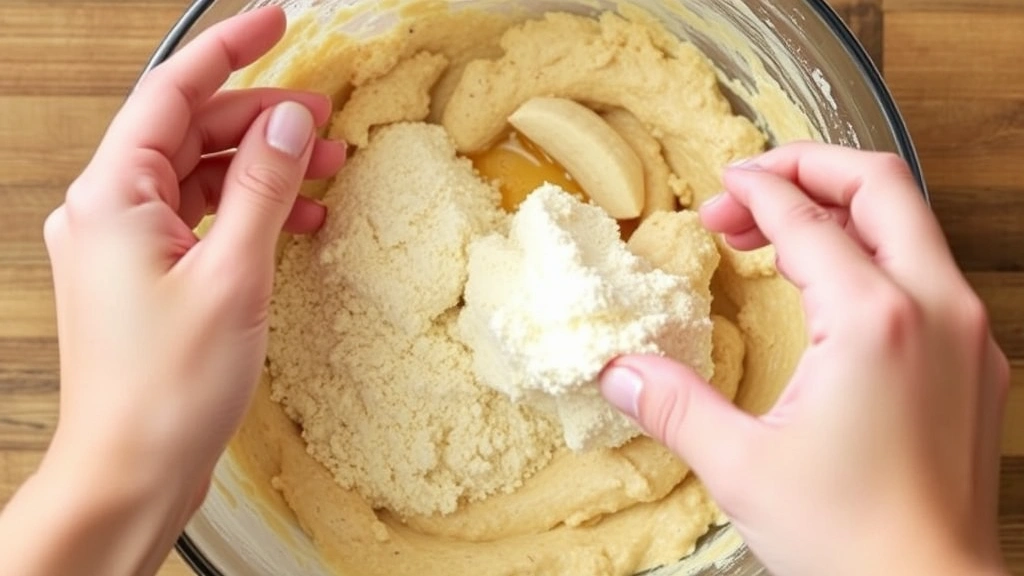
- Peel your bananas and place them in a large bowl. Mash them thoroughly with a fork until completely smooth with no visible lumps remaining.
- In a separate bowl, cream the softened butter and brown sugar together for 2-3 minutes, beating until the mixture is pale and fluffy. This incorporates air and helps create a lighter crumb.
- Add the eggs one at a time to the butter mixture, beating well after each addition to ensure they’re fully incorporated.
- Stir in the vanilla extract and the mashed bananas, mixing until well combined and smooth.
- Gently fold the dry ingredient mixture into the wet ingredients using a spatula or wooden spoon. Mix just until combined—don’t overmix. A few small lumps are perfectly fine and actually preferable.
- Stir in the almond milk until the batter reaches a smooth, spreadable consistency.
- Pour the batter into your prepared loaf pan, smoothing the top with a spatula. Tap the pan gently on the counter once to release any air bubbles.
- Bake for 50-55 minutes, until a toothpick inserted into the center comes out with just a few moist crumbs clinging to it. The top should be golden brown.
- Remove from the oven and let the bread cool in the pan for 10 minutes. This allows it to set up slightly before turning out.
- Turn the bread out onto a wire rack and cool completely. This prevents condensation from making the bottom soggy.
- Once completely cool, slice and serve. Store in an airtight container at room temperature for up to 5 days, or wrap and freeze for up to 3 months.
Pro Tips
The secret to this banana bread recipe with almond flour is not rushing the creaming step. Taking time to cream butter and sugar properly incorporates air, which creates lift and a tender crumb. This extra 90 seconds makes a genuine difference in your final result.
Don’t substitute almond meal for almond flour—the texture will be noticeably grittier and less pleasant. Almond flour is finely ground and creates that silky crumb you’re after. If you only have almond meal available, pulse it in a food processor for a minute to make it finer.
Room-temperature ingredients blend together more smoothly and evenly. Meanwhile, cold eggs straight from the refrigerator won’t incorporate as well, potentially creating a less consistent texture. Take eggs out 30 minutes before baking if you remember.
For a dairy-free version, substitute coconut oil for butter in equal amounts. The flavor will shift slightly toward coconut, which actually pairs beautifully with banana. Use coconut milk instead of almond milk to keep things consistently dairy-free.
Nut allergies require modifications—sunflower seed flour works as a substitute, though you may need slightly more liquid. The texture will be different but still delicious. Additionally, you could use finely ground oat flour for a different approach, though that introduces gluten unless you use certified gluten-free oats.
Adding chocolate chips, walnuts, or pecans transforms this into something new. Fold in 3/4 cup of mix-ins with the dry ingredients for a more indulgent loaf. However, be aware that mix-ins can affect baking time slightly—check for doneness a few minutes earlier.
If your bread comes out denser than expected, you likely overmixed the batter. Almond flour becomes tough when overworked, similar to regular flour. Next time, fold gently and stop as soon as everything is just combined.
Baking times vary based on oven accuracy and pan material. Dark pans conduct heat faster, so your bread might finish 5-10 minutes earlier. Light-colored pans bake more gently. Start checking at 50 minutes to avoid overbaking.
This bread freezes exceptionally well because almond flour retains moisture beautifully during the freezing process. Thaw completely at room temperature before serving for the best texture. You can also toast frozen slices directly from the freezer for a crispy-on-the-outside, moist-on-the-inside experience.
Make mini loaves in smaller pans for 30-35 minutes of baking time. These make perfect gifts and are great for portion control. The texture remains exactly the same—just watch for doneness earlier since smaller loaves bake faster.