
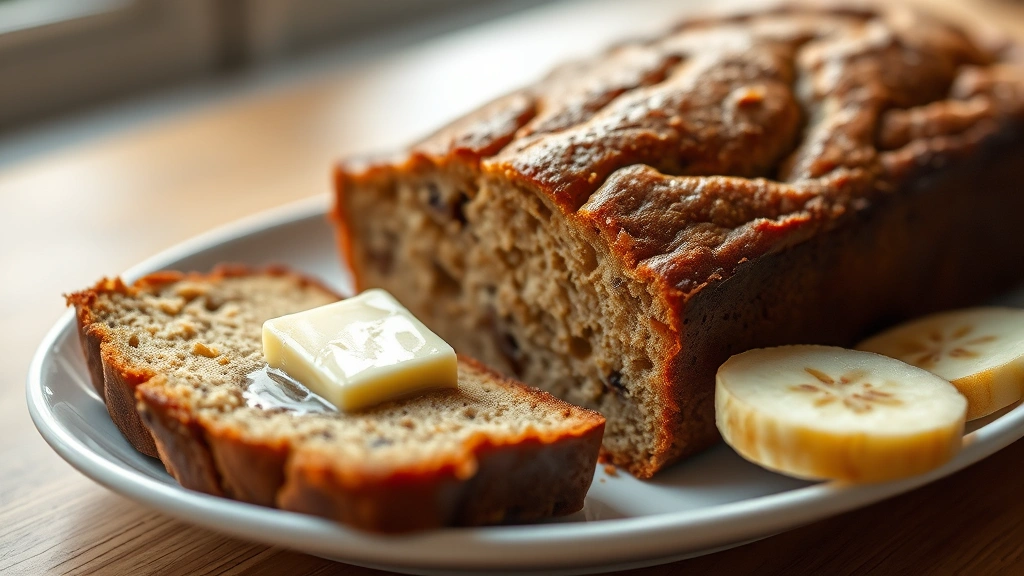
This banana bread recipe with buttermilk is the secret to achieving that incredibly moist, tender crumb that keeps people coming back for slice after slice. I’ve been making this loaf for years, and the buttermilk is truly the game-changer that transforms ordinary banana bread into something absolutely extraordinary.
There’s something magical about the way buttermilk works in baking. It reacts with baking soda to create a tender, velvety texture that you simply can’t achieve with regular milk. The slight tang also enhances the banana flavor, making every bite taste more vibrant and delicious.
Jump To Section
I first discovered this technique when my grandmother shared her old recipe card with me, and I’ve been perfecting it ever since. The combination of ripe bananas, creamy buttermilk, and simple pantry staples creates a loaf that’s both comforting and elegant enough to serve at brunch.
Why This Recipe Works
Buttermilk is the MVP ingredient here, and here’s why: the acidity in buttermilk reacts with baking soda to create carbon dioxide bubbles that make the bread rise beautifully and stay incredibly moist. This chemical reaction creates a tender crumb structure that’s far superior to banana bread made with regular milk or yogurt alone.
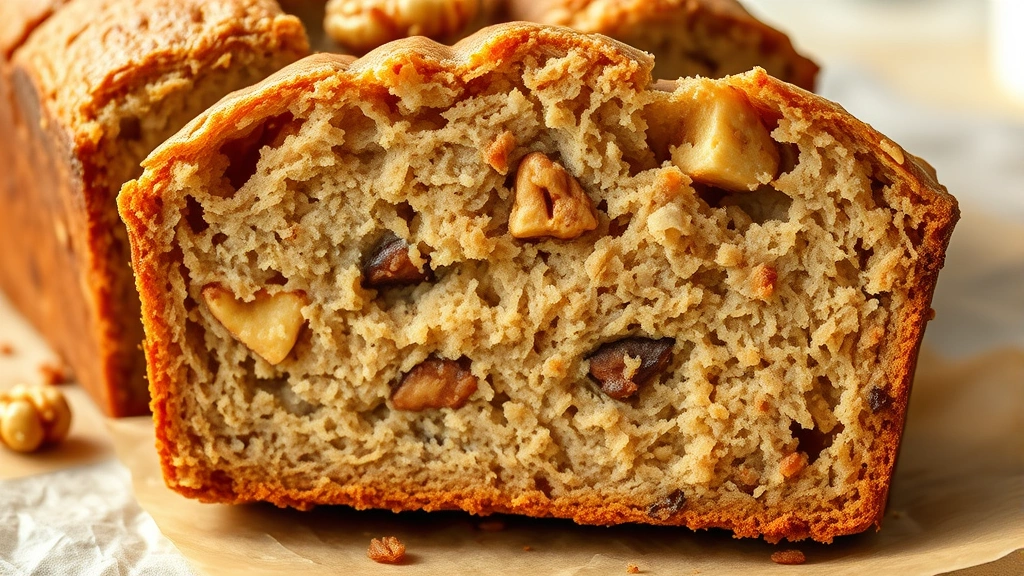
Additionally, buttermilk adds a subtle tang that balances the sweetness of the bananas perfectly. You won’t taste it overtly, but you’ll absolutely notice the difference in flavor depth and complexity. The bread stays fresh longer too, remaining moist for several days without becoming dense or heavy.
The brown sugar in this recipe dissolves more easily than white sugar, creating a naturally moist crumb. Meanwhile, the careful balance of flour and leavening agents ensures the bread rises evenly without becoming gummy in the center.
Ingredient Tips & Substitutions
Start with bananas that are very ripe—and I mean almost too ripe to eat fresh. Those dark brown speckles mean maximum sweetness and flavor. If your bananas are still pale, let them sit on the counter for a few days. They freeze beautifully too, so you can save overripe bananas for baking later.
For the buttermilk, use the real deal if you can find it. If you don’t have buttermilk on hand, make a substitute by adding one tablespoon of lemon juice or white vinegar to one cup of milk and letting it sit for five minutes. However, true buttermilk will give you the best results since it has a lower fat content and more acidity than milk-based substitutes.
You can certainly use all-purpose flour, but I love using a mix of all-purpose and whole wheat flour for added nutrition and a slightly deeper flavor. For instance, try using 1½ cups all-purpose and ½ cup whole wheat flour. If you prefer to keep things simple like my easy whole wheat pasta recipe, stick with all-purpose flour—both work beautifully.
The baking soda and baking powder work together here. Baking soda reacts immediately with the buttermilk’s acidity, while baking powder provides additional rise. Don’t skip either one, as both are essential for the perfect texture.
Baking Tips for Success
Room temperature ingredients mix together much more smoothly than cold ones. Pull your eggs and buttermilk out of the fridge about 30 minutes before you start baking. This helps create a better emulsion and results in a smoother, more uniform batter.
Mash your bananas thoroughly—I like to use a fork and get them fairly smooth, but a few small lumps are totally fine. Some people prefer using a food processor, but I find the rustic approach gives the bread nice texture variation. Don’t over-mix the batter once you add the flour; stir just until the dry ingredients are incorporated. Overmixing develops gluten and makes the bread tough.
A loaf pan that’s 9×5 inches is standard, but I sometimes use two smaller 7×3-inch loaf pans if I want to give them as gifts. Line your pan with parchment paper for easy removal, or generously grease it. I always do both because nothing’s worse than a stuck loaf.
Bake at 350°F (175°C) until a toothpick inserted in the center comes out with just a few moist crumbs. The bread will still look slightly underbaked when it first comes out—that’s perfect. It continues cooking as it cools, and this prevents it from becoming dry.
Serving Suggestions
Serve this banana bread warm from the oven with a generous spread of salted butter—it’s absolutely divine. The warm butter melts right into the moist bread, creating something truly special. Cream cheese frosting is another lovely option if you want to dress it up for a brunch gathering.
This loaf pairs beautifully alongside morning coffee or afternoon tea. For a heartier breakfast, serve slices alongside scrambled eggs or thick-cut bacon. You could even toast thick slices and top them with almond butter and sliced strawberries for a nutritious breakfast sandwich.
If you’re looking for other complementary recipes to serve alongside this banana bread, consider pairing it with The Best Panera Butternut Squash Soup Recipe for a cozy brunch, or create a full spread with The Best Waldorf Salad Recipe for a lighter lunch option.
Storage & Make-Ahead Tips
This banana bread keeps beautifully at room temperature for up to three days when stored in an airtight container. The buttermilk really does keep it moist and fresh-tasting longer than traditional recipes. If you want to store it longer, wrap the cooled loaf tightly in plastic wrap and freeze it for up to three months.
You can prepare the dry ingredients the night before in a separate bowl. When you’re ready to bake, simply combine the wet ingredients in another bowl and mix everything together. This makes a great shortcut for busy mornings when you want fresh banana bread without the full prep time.
To reheat frozen banana bread, let it thaw at room temperature for about an hour, or wrap it loosely in foil and warm it in a 300°F oven for about 15 minutes. Toasting slices also works beautifully—the edges get crispy while the inside stays moist and tender.
For more make-ahead baking inspiration, check out recipes like Quick Lazy Lasagna Recipe and The Best Velveeta Mac and Cheese Recipe that offer similar convenience for busy schedules.
This moist banana bread with buttermilk has become my go-to recipe for everything from casual weeknight desserts to impressive brunch offerings. The buttermilk truly elevates it above standard recipes, creating a loaf that’s tender, flavorful, and absolutely irresistible. Whether you’re an experienced baker or just starting out, this recipe is foolproof and guaranteed to impress. I promise you’ll find yourself making it again and again!
For additional baking inspiration and techniques, Serious Eats has excellent banana bread guidance, and New York Times Cooking offers creative variations to explore once you’ve mastered this classic version.
Ingredients
- 3 ripe bananas, mashed (about 1¼ cups)
- ½ cup unsalted butter, melted
- ¾ cup granulated sugar
- ½ cup packed brown sugar
- 2 large eggs, room temperature
- 1 cup buttermilk, room temperature
- 1 teaspoon vanilla extract
- 2 cups all-purpose flour
- 1 teaspoon baking soda
- ½ teaspoon baking powder
- ½ teaspoon salt
- ½ teaspoon ground cinnamon (optional)
- ¼ teaspoon ground nutmeg (optional)
- ½ cup chopped walnuts or pecans (optional)
Instructions
- Preheat your oven to 350°F (175°C). Grease a 9×5-inch loaf pan generously with butter or cooking spray, then line the bottom with parchment paper for easy removal.
- In a large mixing bowl, combine the melted butter, granulated sugar, and brown sugar. Whisk together until well combined and slightly fluffy, about one minute.
- Add the mashed bananas to the butter-sugar mixture and stir until fully incorporated. The mixture should look creamy and slightly chunky from the banana pieces.
- Crack the eggs into a small bowl and beat them lightly with a fork. Add the beaten eggs to the banana mixture and stir until combined.
- Pour in the buttermilk and vanilla extract, stirring gently until the wet ingredients are fully blended together. The batter should look smooth and creamy.
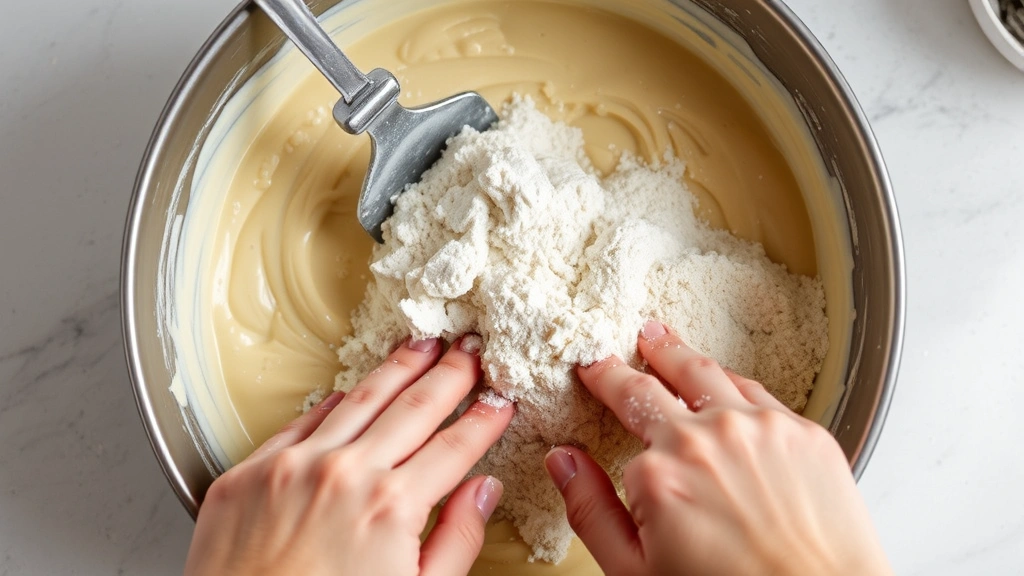
- In a separate bowl, whisk together the flour, baking soda, baking powder, salt, cinnamon, and nutmeg. Combine these dry ingredients thoroughly to distribute the leavening agents evenly.
- Pour the dry ingredients into the wet ingredients and fold gently with a spatula, stirring just until the flour is incorporated. Don’t overmix—the batter should look slightly lumpy. If using nuts, fold them in now.
- Pour the batter into your prepared loaf pan, smoothing the top with a spatula. Tap the pan gently on the counter a few times to release air bubbles.
- Bake for 50 minutes to 1 hour, until a toothpick inserted in the center comes out with just a few moist crumbs. The top should be golden brown. If the top is browning too quickly, tent it loosely with foil.
- Remove the banana bread from the oven and let it cool in the pan for 10 minutes. This allows the structure to set slightly, making it easier to remove without breaking.
- Turn the loaf out onto a wire cooling rack and let it cool completely before slicing. This prevents the interior from becoming gummy and allows you to slice it cleanly.
Pro Tips
Make sure your bananas are very ripe with dark brown speckles. The riper the bananas, the sweeter and more flavorful your bread will be. If you only have moderately ripe bananas, add an extra tablespoon of honey or maple syrup to the batter for additional sweetness.
Buttermilk is essential to this recipe’s success, but if you don’t have it on hand, you can make a substitute. Pour one tablespoon of fresh lemon juice or white vinegar into a measuring cup, then fill it to the one-cup mark with regular whole milk. Let it sit for five minutes before using. However, true buttermilk will always give you superior results because it has a lower fat content.
Room temperature ingredients mix together more smoothly and create a better emulsion. Remove eggs and buttermilk from the refrigerator about 30 minutes before baking. This small step makes a noticeable difference in the texture and appearance of the finished loaf.
When folding in the dry ingredients, use a gentle hand. Overmixing develops gluten in the flour, which makes the banana bread tough and dense rather than tender and moist. Stir just until you no longer see streaks of dry flour.
For added nutrition and deeper flavor, replace ½ cup of the all-purpose flour with whole wheat flour. You can also add ½ cup of Greek yogurt in place of ¼ cup of the buttermilk for extra protein and richness.
If you want to add chocolate chips, chopped pecans, or walnuts, fold them in gently with the dry ingredients. Use about ½ to ¾ cup of mix-ins. For a tropical twist, try adding ½ cup of shredded coconut or ½ cup of chopped macadamia nuts.
Store cooled banana bread in an airtight container at room temperature for up to three days. The buttermilk keeps it moist and fresh-tasting much longer than traditional recipes. For longer storage, wrap the entire loaf tightly in plastic wrap and aluminum foil, then freeze for up to three months.
To reheat frozen banana bread, let it thaw at room temperature for about one hour. Alternatively, wrap the frozen loaf loosely in foil and warm it in a 300°F oven for 15-20 minutes. Toasting individual slices in a toaster or under the broiler also works beautifully, creating crispy edges while keeping the interior moist.
For an extra-special treat, spread warm slices with salted butter, cream cheese frosting, or almond butter. This banana bread also makes an excellent gift—wrap a cooled loaf in parchment paper and tie it with twine for a charming presentation that friends and family will absolutely love.