
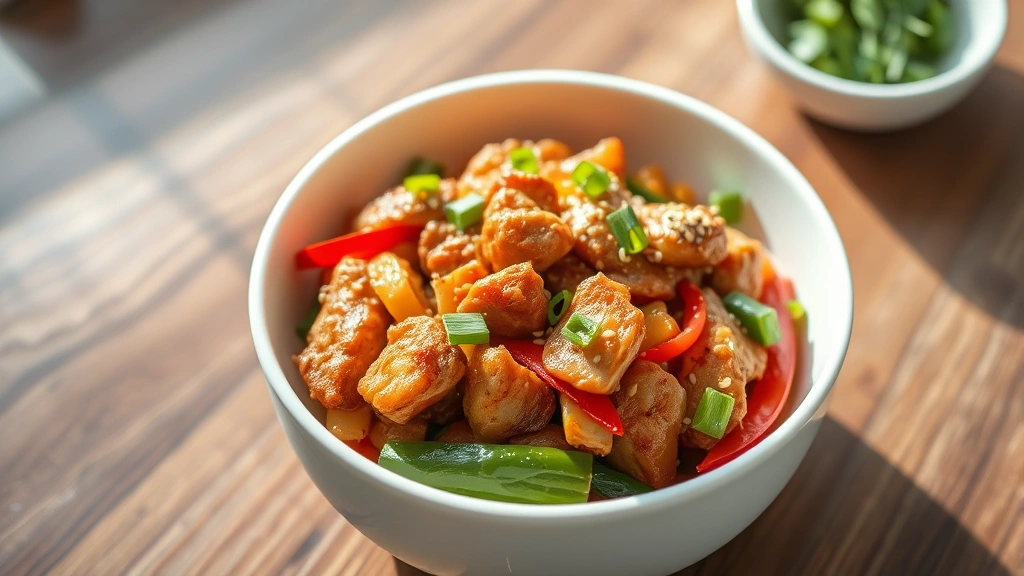
Bariatric recipes are designed to support your post-surgery journey with delicious, nutritious meals that work with your new dietary needs. After weight loss surgery, finding satisfying foods that fit your portion requirements and nutritional goals becomes essential—and honestly, it shouldn’t feel like punishment.
This collection of 25 easy bariatric recipes brings together dishes that are protein-rich, simple to prepare, and genuinely enjoyable. Whether you’re in the early stages of recovery or months into your transformation, these meals celebrate real food and real flavor.
Jump To Section
Why Bariatric Recipes Matter
The post-surgery period requires a thoughtful approach to eating. Your stomach capacity is smaller, your nutritional needs are specific, and your relationship with food is changing. Bariatric recipes address all of this by prioritizing protein, managing portions naturally, and eliminating unnecessary calories without sacrificing taste.
Many people worry that eating after surgery means bland, boring food. That’s simply not true. With the right approach, you can enjoy flavorful dishes that support your goals. From best shrimp salad recipes to satisfying protein-forward mains, there’s so much delicious variety available.
The key is understanding which ingredients work best for your new lifestyle. Lean proteins like chicken, fish, and turkey become your best friends. Vegetables add volume and nutrition without excess calories. Healthy fats from avocado and olive oil support satiety. Meanwhile, processed foods and high-sugar items naturally fall away.
Building Your Bariatric Kitchen
Success with bariatric recipes starts with smart shopping and meal planning. Stock your pantry with lean proteins, fresh vegetables, and simple seasonings. Quality protein powder becomes invaluable for smoothies and recipes that need extra nutritional support during early stages.
Additionally, investing in small kitchen tools makes a real difference. A quality food scale helps you understand portions. A blender opens doors to protein-rich soups and smoothies. Sharp knives make meal prep faster and more enjoyable.
For instance, keeping rotisserie chicken on hand means you can quickly assemble meals like our best shredded chicken sandwich recipe or toss together a best steak salad recipe variation with grilled chicken instead.
Essential Bariatric Recipe Categories
Our 25 bariatric recipes span several important categories. Protein-packed main dishes form the foundation—think grilled fish, slow cooker chicken, and lean ground turkey preparations. These are your go-to meals that satisfy hunger and support muscle preservation.
Vegetable-forward sides help you add volume and nutrition to meals. A Mediterranean salad recipe or best romaine salad recipe provides fiber and micronutrients that support overall health.
Soup and broth-based recipes deserve special attention in post-surgery eating. They’re gentle on your digestive system, deeply nourishing, and incredibly satisfying. A warm bowl of bone broth or vegetable soup often feels comforting when you’re adjusting to new eating patterns.
Finally, simple protein-forward options like our quick tasty pork stir fry recipe bring excitement to your plate. Stir-fries combine lean protein, vegetables, and controlled seasoning in one satisfying dish.
Ingredient Tips & Substitutions
The beauty of bariatric recipes lies in their flexibility. If you don’t eat pork, swap it for chicken or fish. Prefer beef? Choose sirloin or lean ground beef. The principles remain the same: prioritize lean proteins, skip heavy sauces, and season boldly with spices and herbs instead of fat.
Sugar and refined carbohydrates have no place in most bariatric recipes. However, you can satisfy sweet cravings with sugar-free options, fresh berries, and naturally sweet vegetables like carrots. Many recipes benefit from a splash of vinegar or lemon juice to brighten flavors without adding calories.
Dairy works beautifully in bariatric cooking when you choose wisely. Greek yogurt provides protein and creaminess. Low-fat cheese adds satisfaction in small amounts. Cottage cheese becomes a secret weapon for adding protein and texture to both sweet and savory dishes.
Meanwhile, cooking methods matter tremendously. Grilling, baking, steaming, and slow cooking preserve nutrients and keep calories in check. Avoid deep frying and heavily buttered preparations. A simple drizzle of olive oil and a squeeze of lemon transforms basic ingredients into something memorable.
Success Tips for Post-Surgery Eating
Meal timing becomes important after bariatric surgery. Small, frequent meals work better for most people than three traditional meals. These 25 bariatric recipes are designed to be portioned appropriately, but you’ll need to listen to your body and follow your surgeon’s specific guidelines.
Hydration deserves emphasis that can’t be overstated. Drinking water between meals (not during meals, which can cause discomfort) supports digestion and overall wellness. Many people find this adjustment challenging, so setting reminders and tracking water intake helps tremendously.
Additionally, eating slowly and mindfully transforms the experience. Put your fork down between bites. Chew thoroughly. Stop when you feel comfortably satisfied, not stuffed. This mindful approach prevents discomfort and helps you rediscover the pleasure of eating.
Protein should appear in every meal and snack. Whether it’s eggs, Greek yogurt, lean meat, fish, or plant-based options, prioritizing protein supports muscle preservation, keeps you satisfied longer, and stabilizes your energy throughout the day.
Preparing for Success
Meal prepping becomes your secret weapon when following bariatric recipes. Spend a few hours on the weekend grilling chicken breasts, roasting vegetables, and preparing proteins you can mix and match throughout the week. This approach removes decision fatigue and keeps you on track.
However, don’t feel pressured to prepare every component from scratch. Quality rotisserie chicken, pre-cut vegetables, and canned fish (in water) are legitimate kitchen staples. Your goal is nourishment and enjoyment, not culinary perfection.
Finally, remember that this journey is personal. What works beautifully for one person might not suit another. Give these 25 bariatric recipes a fair trial, but also pay attention to how your body responds. Keep notes on which meals satisfy you most, which flavors excite your palate, and which combinations feel sustainable for your lifestyle.
Your relationship with food is transforming, and that’s worth celebrating. These bariatric recipes are tools to support your new chapter—one delicious, nourishing meal at a time.
Ingredients
- 1 lb skinless chicken breast, cut into bite-sized pieces
- 2 tablespoons olive oil
- 2 cups mixed vegetables (bell peppers, broccoli, snap peas, carrots)
- 3 cloves garlic, minced
- 2 tablespoons low-sodium soy sauce
- 1 tablespoon rice vinegar
- 1 teaspoon ginger, grated
- ½ teaspoon sesame oil
- ¼ teaspoon red pepper flakes (optional)
- 2 green onions, chopped
- 1 tablespoon sesame seeds
- Salt and pepper to taste
Instructions
- Pat the chicken breast pieces dry with paper towels and season lightly with salt and pepper—this helps them brown beautifully.
- Heat 1 tablespoon of olive oil in a large skillet or wok over medium-high heat until shimmering.
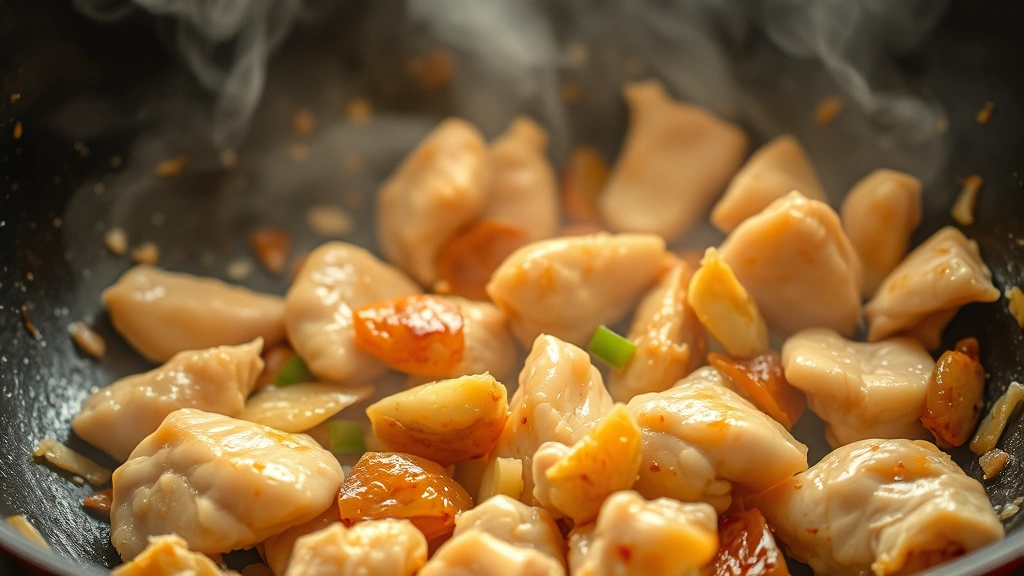
- Add the chicken pieces in a single layer and cook for 4-5 minutes without stirring, allowing them to develop a golden crust, then stir and cook another 3-4 minutes until cooked through.
- Transfer the cooked chicken to a clean plate and set aside.
- Add the remaining tablespoon of olive oil to the pan, then add the harder vegetables first (carrots and broccoli) and stir-fry for 3 minutes.
- Add the remaining vegetables along with minced garlic and ginger, stirring constantly for another 2-3 minutes until vegetables are tender-crisp.
- In a small bowl, whisk together soy sauce, rice vinegar, and sesame oil to create your sauce.
- Return the chicken to the pan with the vegetables, then pour the sauce over everything and toss to coat evenly.
- Cook for 1-2 minutes more, stirring constantly, until the sauce coats everything and the chicken is heated through.
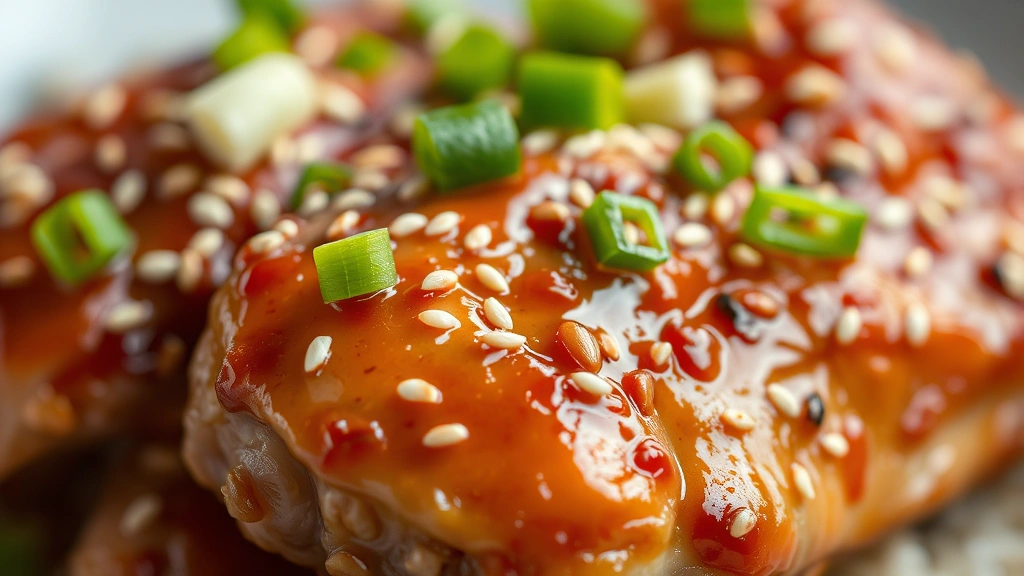
- Taste and adjust seasonings as needed, then remove from heat and sprinkle with green onions and sesame seeds before serving.
- Portion into bariatric-appropriate servings and enjoy while warm.
Pro Tips
This recipe exemplifies what makes successful bariatric recipes so satisfying. The combination of lean protein, abundant vegetables, and bold Asian-inspired flavors delivers incredible taste without excess calories. One serving provides roughly 35-40 grams of protein, making it ideal for supporting your nutritional goals.
However, feel free to adapt this recipe based on your vegetable preferences. Zucchini, mushrooms, cabbage, and asparagus all work beautifully in place of the suggested vegetables. The key is maintaining that protein-to-vegetable ratio that keeps you satisfied.
Additionally, you can prepare this recipe in bulk for meal prepping. Store cooked portions in airtight containers in the refrigerator for up to 4 days. When you’re ready to eat, gently reheat in a pan over medium heat or microwave in 30-second increments, stirring between intervals to preserve texture.
For substitutions, swap chicken for lean pork tenderloin, shrimp, or firm white fish like cod or tilapia. Each protein brings its own character to the dish while maintaining the nutritional profile that supports post-surgery wellness. Ground turkey also works well if you prefer a different texture.
The sauce can be adjusted to your taste preferences. If you prefer less sodium, use low-sodium soy sauce and reduce the amount slightly. Add more ginger for warmth, extra garlic for punch, or a touch of honey if you want subtle sweetness (though this increases calories slightly).
Meanwhile, serving suggestions make a difference in enjoyment. Some people enjoy this stir-fry over cauliflower rice for added volume with minimal calories. Others prefer it on its own as a complete meal. A side of steamed broccoli or a simple green salad rounds out the plate beautifully.
Finally, remember that your portions will be smaller than traditional servings, and that’s exactly right. A bariatric portion might be 3-4 ounces of chicken with about ½ to ¾ cup of vegetables. Listen to your body’s signals of fullness and stop eating when satisfied, not when the plate is empty.