
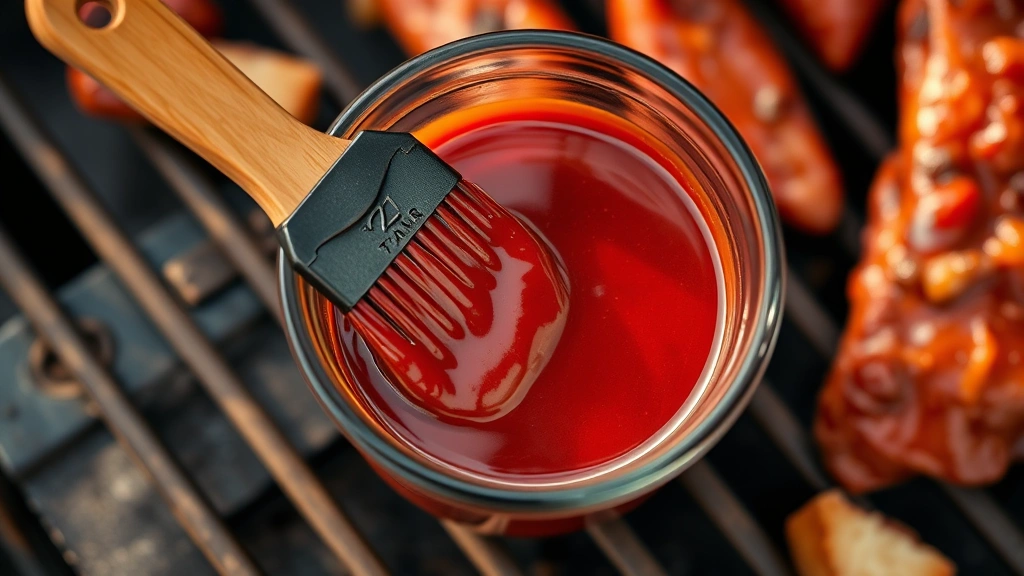
When it comes to BBQ sauce recipes, homemade is always the way to go. Store-bought bottles just can’t compete with the deep, complex flavors you get when you make your own sauce from scratch, and honestly, it’s easier than you’d think.
I grew up watching my dad tend to the grill with a brush in one hand and his secret sauce recipe in the other. He’d never tell anyone exactly what went into it, but I finally convinced him to share after years of begging. That’s when I realized the magic wasn’t in some fancy ingredient—it was in taking the time to build layers of flavor, letting spices bloom, and adjusting the heat and sweetness to perfection.
Jump To Section
Why This Recipe Works
The beauty of making your own barbecue sauce is the complete control you have over every single element. You decide how smoky it should be, how much heat to pack in, and whether you want it sweet or tangy. Plus, you’ll know exactly what’s going into your food—no mysterious preservatives or additives lurking in the ingredient list.
A great homemade sauce comes together in minutes but tastes like it simmered all day. The key is building flavor through layers: starting with a tomato base, adding acid for brightness, incorporating spices for depth, and finishing with heat and sweetness. When you nail that balance, you’ve got something that transforms simple grilled chicken, ribs, or burgers into restaurant-quality meals.
Additionally, homemade BBQ sauce recipes cost a fraction of what you’d pay for premium bottled versions. A batch that yields enough sauce for multiple cookouts costs just a few dollars to make. For families who grill regularly, this adds up to serious savings without sacrificing quality.
Ingredient Tips & Substitutions
The foundation of any great sauce is tomato. You can use ketchup for convenience (and it works beautifully), tomato paste for intensity, or crushed tomatoes if you want a chunkier texture. Each option brings something different to the party, so feel free to experiment based on what you prefer.
Vinegar is your secret weapon for brightness. Apple cider vinegar brings warmth and a subtle sweetness, while white vinegar adds sharp tang. Some people swear by a combination of both. The acid cuts through the richness of grilled meats and prevents the sauce from feeling one-note or cloying.
For sweetness, brown sugar is traditional and adds a subtle molasses note that white sugar can’t match. However, honey works beautifully too—it adds smoothness and a more complex sweetness. Maple syrup is another fantastic option if you want to lean into earthier flavors.
The spice profile is where you make these sauce recipes your own. Smoked paprika is absolutely essential—it gives that authentic grilled flavor even if you’re cooking indoors. Garlic powder, onion powder, and cayenne pepper round things out. If you like heat, add more cayenne or even a pinch of ghost pepper powder. Prefer it milder? Cut back or skip the hot stuff entirely.
Meanwhile, Worcestershire sauce adds umami depth that makes people ask, “What’s in this?” A little goes a long way. For a Kansas City–style sauce, you might lean heavier on this ingredient. For a Carolina-style sauce, you’d increase the vinegar and reduce the sugar.
Serving Suggestions & Pairings
These homemade BBQ sauce recipes shine brightest on grilled meats. Brush it on during the last few minutes of cooking for a caramelized finish, or serve it on the side for dipping. It’s absolutely stunning on smash burgers, where it adds richness without overpowering the beef.
For something different, try it on venison burgers to balance the game flavor, or use it as a glaze for pizza burgers for a fun twist. It’s also fantastic with pulled pork tacos if you want to add a smoky element to Mexican-inspired dishes.
Beyond the grill, these sauces work as condiments for everything from grilled vegetables to roasted chicken. Mix a batch into cream cheese for an appetizer dip, drizzle it over pasta salad, or brush it on grilled vegetables alongside spring salad ingredients for a cookout spread.
Storage & Reheating
The beauty of homemade sauce is how long it keeps. Store it in an airtight container in the refrigerator for up to three weeks, or freeze it in ice cube trays for convenient portion-sized servings that last up to three months. Simply pop out a cube whenever you need sauce for a quick dinner.
When reheating, warm it gently on the stovetop over low heat, stirring occasionally. If it seems thick after refrigeration, thin it with a splash of vinegar or water. The flavors will actually deepen as the sauce sits, so don’t hesitate to make a batch a day or two ahead of your cookout.
For gift-giving, bottle your homemade sauce in mason jars with personalized labels. It’s thoughtful, impressive, and costs way less than fancy retail options. Your friends will absolutely love having a jar of your signature blend on hand.
Taking Your BBQ Sauce Recipes to the Next Level
Once you’ve mastered the basics, start playing with variations. Try Serious Eats for inspiration on regional sauce styles, from Carolina vinegar-based versions to thick Kansas City molasses sauces.
For a spicy version, add fresh jalapeños or habaneros. For a smoky depth, incorporate liquid smoke (use sparingly—a little goes a long way). Bourbon or whiskey adds sophistication and warmth. Some people swear by adding coffee or espresso powder for hidden depth that enhances the savory notes.
The magic of making your own BBQ sauce recipes is the freedom to experiment. Start with a solid base, taste as you go, and adjust to your preferences. Keep notes on what works so you can recreate your favorite batch. Before long, you’ll have signature sauces that people request by name.
Check out Bon Appétit for creative plating ideas and New York Times Cooking for techniques that elevate your grilling game. These resources offer endless inspiration for taking your sauces and grilled dishes from good to absolutely unforgettable.
The satisfaction of serving food brushed with sauce you made yourself is something special. Your family and guests will taste the care and attention you put into every batch, and that homemade touch makes all the difference at the table.
Ingredients
- 1 cup ketchup
- 1/2 cup apple cider vinegar
- 1/4 cup brown sugar, packed
- 2 tablespoons Worcestershire sauce
- 2 tablespoons honey
- 1 tablespoon smoked paprika
- 1 teaspoon garlic powder
- 1 teaspoon onion powder
- 1/2 teaspoon cayenne pepper
- 1/4 teaspoon black pepper
- 1/4 teaspoon salt
- 2 tablespoons butter
- 1 tablespoon mustard powder
- 1/2 teaspoon liquid smoke (optional)
Instructions
- Melt butter in a medium saucepan over medium-low heat. Once melted, add the garlic powder and onion powder, stirring constantly for about 30 seconds until fragrant. This blooms the spices and releases their flavors into the butter.
- Pour in the ketchup, apple cider vinegar, brown sugar, Worcestershire sauce, and honey. Stir everything together until the brown sugar starts to dissolve. The mixture should look slightly thick and glossy at this point.
- Add the smoked paprika, cayenne pepper, black pepper, salt, and mustard powder. Stir well to combine, making sure there are no lumps of spice powder floating around. Taste the sauce and adjust seasonings as needed.
- If using liquid smoke, add it now and stir thoroughly. This ingredient is potent, so start with the half-teaspoon and add more only if you want a smokier flavor.
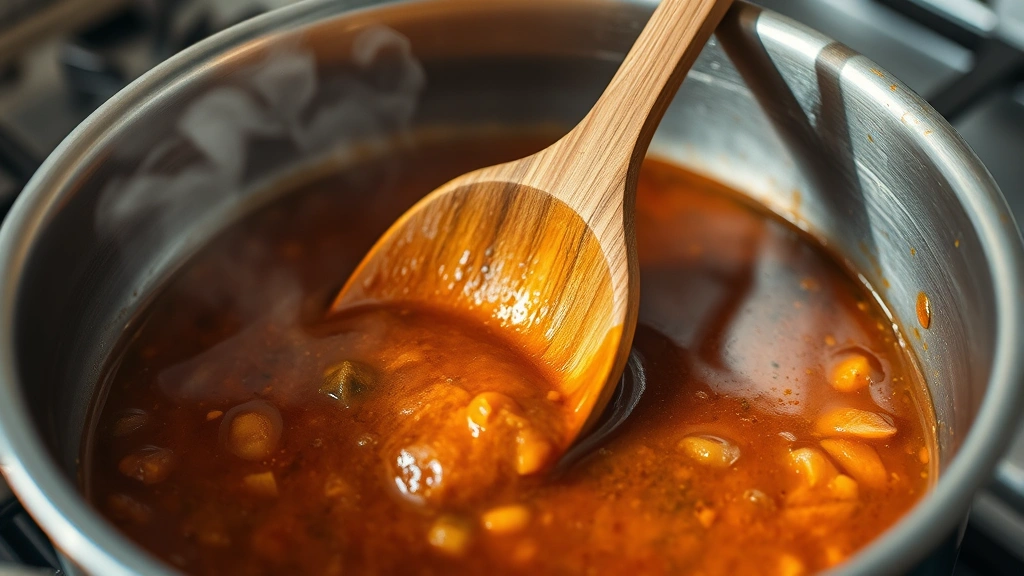
- Reduce heat to low and let the sauce simmer gently for about 10-12 minutes, stirring occasionally. The sauce will thicken slightly and the flavors will marry together beautifully. You’re not looking for a rolling boil—just gentle bubbles breaking the surface.
- Remove from heat and let cool slightly. Taste one more time and make any final adjustments to sweetness, heat, or tanginess. If it’s too thick, thin with a splash of vinegar or water. If it’s too thin, let it simmer a couple more minutes.
- Transfer to sterilized glass jars or bottles and let cool completely before refrigerating. The sauce will continue to thicken slightly as it cools.
- Use immediately as a brush-on sauce for grilling, or store in the refrigerator for up to three weeks. For longer storage, freeze in ice cube trays for up to three months.

Pro Tips
This basic recipe is incredibly versatile and serves as a foundation for exploring different regional styles of BBQ sauce recipes. Once you master this version, you’ll understand how to build flavors and create variations that suit your taste preferences perfectly.
For a thicker, more concentrated sauce, simply simmer longer—up to 20 minutes—until it reaches your desired consistency. For a thinner, more pourable sauce, add more vinegar a tablespoon at a time. The consistency you’re after depends on how you plan to use it: thicker for brushing on meat, thinner for dipping.
The brown sugar versus honey debate is real among BBQ enthusiasts. Brown sugar gives you that classic molasses sweetness and slightly grainy texture, while honey dissolves completely and adds silky smoothness. Some people use a combination of both for the best of both worlds. Experiment and see which you prefer.
Worcestershire sauce is a game-changer in these sauce recipes, but use a quality brand if possible. The difference between premium and budget versions is noticeable. If you have a vegetarian household, check the label, as some versions contain anchovies. Many brands now make vegetarian options that work beautifully.
For a spicier version, increase the cayenne to 1 teaspoon and add a few dashes of hot sauce or fresh minced jalapeño. For a milder sauce, reduce the cayenne to 1/4 teaspoon or omit entirely. Heat is personal, so dial it to your comfort level.
The liquid smoke is optional but recommended for that authentic grilled flavor, especially if you’re using the sauce indoors or on oven-roasted meats. However, it’s potent—start with the smaller amount and add more only if needed. Too much will make the sauce taste like liquid charcoal.
Make-ahead tip: This sauce actually tastes better after sitting overnight, as the flavors have time to meld and deepen. Prepare a batch the day before your cookout for the best flavor development.
Storage in the freezer is excellent for these sauce recipes. Portion into ice cube trays, freeze solid, then pop cubes into freezer bags. This way you always have small amounts ready to go for quick weeknight grilling or last-minute entertaining.