
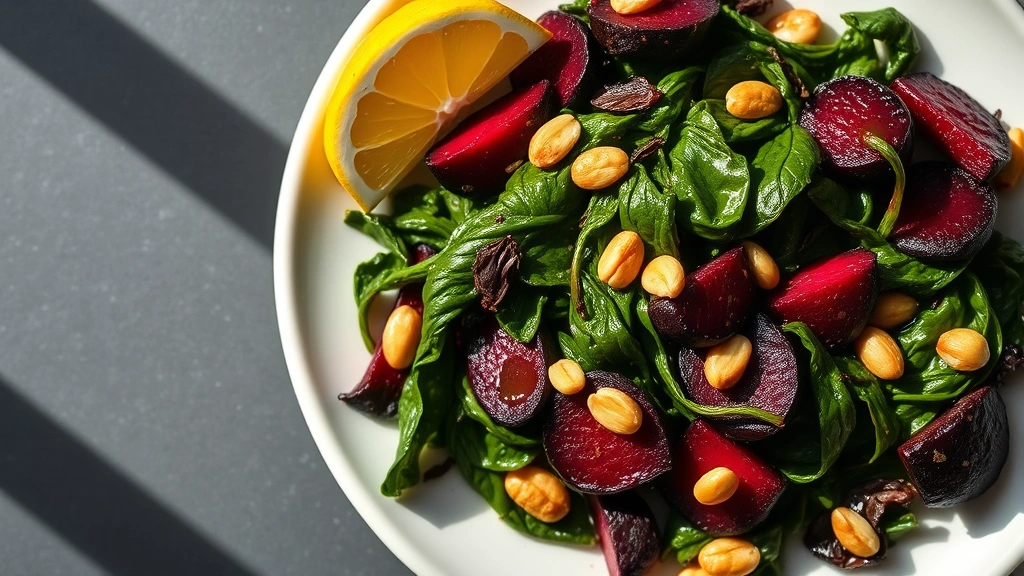
A beet greens recipe is one of those culinary secrets that transforms what many people throw away into something absolutely delicious. If you’ve ever bought fresh beets and wondered what to do with those leafy tops, you’re about to discover they’re packed with nutrients, flavor, and endless possibilities.
The truth is, beet greens are criminally underrated. They’re tender, slightly earthy, and wonderfully versatile—perfect for sautéing, adding to soups, tossing into salads, or blending into smoothies. Best of all? They cook in minutes, making them ideal for busy weeknights when you need something quick and nourishing on the table.
Jump To Section
Why This Beet Greens Recipe Works
What makes a beet greens recipe truly special is its simplicity combined with serious nutritional punch. These leafy vegetables are rich in vitamins A, C, and K, plus minerals like manganese and potassium. When you cook them right, they become tender without turning mushy, and their natural sweetness shines through beautifully.
The five methods we’re sharing today cover every cooking style you could want. Whether you prefer the quick sauté method or something more elaborate like a creamy pasta, there’s an approach here that’ll become your go-to. Additionally, each technique takes advantage of beet greens’ natural flavor without overwhelming it with unnecessary ingredients.
One of my favorite discoveries was learning that beet greens pair wonderfully with garlic, lemon, and a touch of butter. However, they’re equally delicious with Asian-inspired flavors like sesame oil and ginger, or Mediterranean combinations with olive oil and feta. The beauty of cooking with beet greens is their chameleon-like ability to work with virtually any cuisine.
Ingredient Tips & Substitutions
When selecting beet greens, look for bright, crisp leaves without brown spots or wilting. The stems should snap when you bend them slightly. For instance, if you’ve just harvested beets from your garden, the greens are usually in perfect condition and taste incredibly fresh.
The main ingredient you’ll need is obviously fresh beet greens—about 8 to 10 ounces per serving makes a generous side dish. You’ll also want quality olive oil, fresh garlic, and either lemon juice or vinegar to brighten the flavors. For the various preparations, have on hand ingredients like butter, cream, pasta, or whatever components suit your chosen cooking method.
Substitutions are wonderfully flexible with beet greens. If you can’t find them, Swiss chard works beautifully and cooks similarly. You can also use spinach or kale, though these will have slightly different flavor profiles. Meanwhile, the seasoning profile remains completely adaptable to your pantry—use whatever herbs and aromatics you love.
The Five Quick Cooking Methods
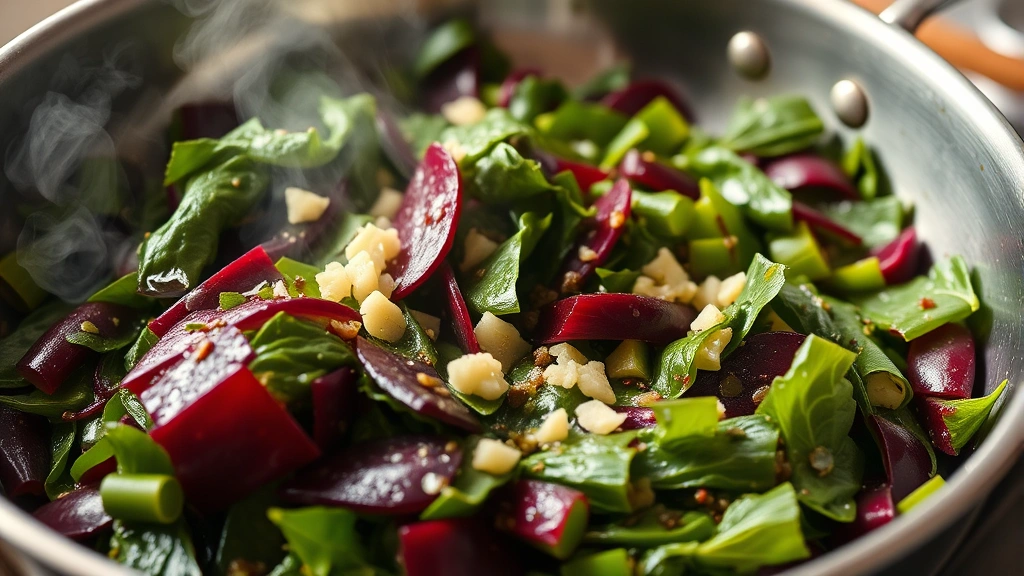
The classic sauté is where most people start, and rightfully so. Heat olive oil in a large skillet, add minced garlic, then toss in your cleaned and roughly chopped beet greens. Cook for 5-7 minutes until tender, season with salt, pepper, and a squeeze of lemon juice. This straightforward approach lets the natural flavors shine.
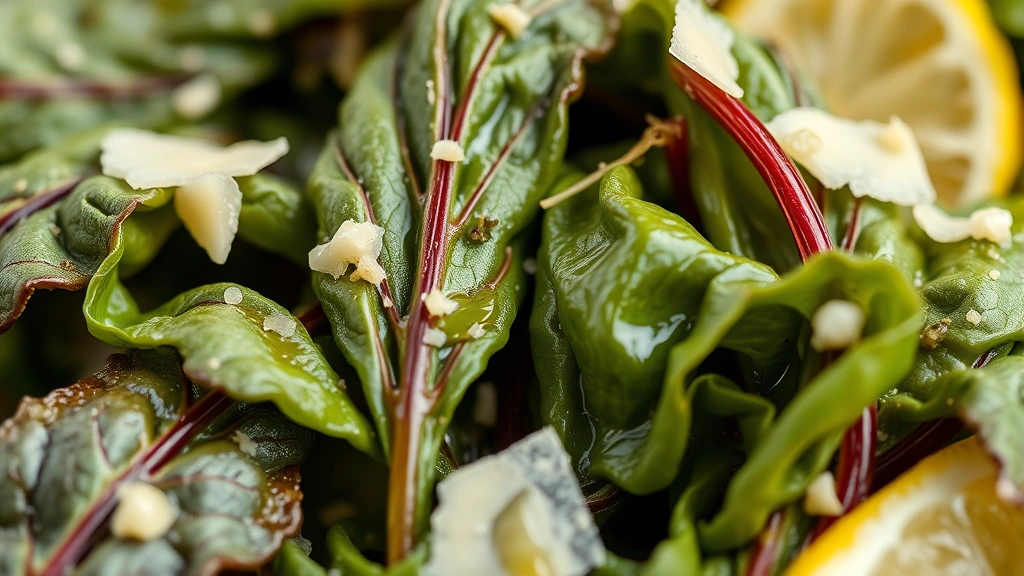
For a creamier preparation, follow the sauté method but add a splash of heavy cream or crème fraîche at the end. Finish with grated Parmesan cheese and a pinch of nutmeg for something restaurant-worthy. This version pairs beautifully with roasted chicken or serves as an elegant side for any special dinner.
Creamy pasta with beet greens is another winner that transforms this simple ingredient into something truly crave-worthy. Cook your pasta of choice, then finish it in a pan with sautéed garlic, beet greens, cream, and a handful of pine nuts. The result is sophisticated enough to impress guests yet simple enough for Tuesday dinner.
If you’re looking for something lighter, try our warm salad preparation. Wilt the beet greens gently, then toss them while still warm with a vinaigrette made from olive oil and quality vinegar—try this oil and vinegar salad dressing recipe for inspiration. Add crumbled goat cheese, walnuts, and perhaps some roasted beets for a stunning presentation.
The final method involves incorporating beet greens into soups. They work wonderfully in low carb soup recipes, hearty broths, or even creamy preparations. For a Tuscan-inspired approach, check out this Olive Garden Zuppa Toscana recipe which would be enhanced beautifully with tender beet greens stirred in at the end.
Serving Suggestions & Pairing Ideas
Beet greens shine as a side dish alongside grilled fish, roasted poultry, or lean beef. Their earthiness complements rich proteins perfectly. However, they’re equally at home as a vegetable component in grain bowls, pasta dishes, or even breakfast scrambles.
For a vegetarian meal, pair your prepared beet greens with creamy goat cheese polenta or alongside roasted root vegetables. The tender greens add nutritional balance and visual appeal to any plate. Consider also tossing them into a hearty lettuce salad recipe for added depth and nutrition.
Wine pairing? Opt for crisp whites like Sauvignon Blanc or Pinot Grigio when you’ve prepared them with lemon and light seasonings. For creamier versions, a medium-bodied white or even a light red works beautifully. Additionally, a chilled rosé pairs surprisingly well with virtually any beet greens preparation.
Don’t overlook the potential of beet greens in soup, especially something like a vegetable minestrone or a warming fresh tomato soup recipe where their slight bitterness adds complexity to the broth.
Storage, Make-Ahead & Helpful Notes
Fresh beet greens should be stored in the refrigerator as soon as you bring them home. Place them in a plastic bag or container with a damp paper towel, and they’ll keep for 3-5 days. For longer storage, you can blanch them quickly, cool in ice water, and freeze in portions.
Cooked beet greens keep beautifully for 3-4 days in an airtight container. Reheat gently on the stovetop with a splash of olive oil or water to restore their texture. Interestingly, they’re equally delicious served cold as part of a composed salad or grain bowl the next day.
One pro tip: don’t discard those tender stems! They’re completely edible and delicious when cooked alongside the leaves. Simply chop them finely so they cook in about the same time as the greens. For instance, in a sauté, the stems add a pleasant textural element.
If you’re meal prepping, you can chop and clean your beet greens in advance, storing them in containers ready to cook. When you’re ready, they go from container to pan in seconds. This preparation method makes weeknight dinners considerably easier without sacrificing freshness or nutrition.
For those watching their diet, beet greens are naturally low in calories but high in nutrients, making them perfect for health-conscious cooking. They’re also naturally gluten-free and work beautifully in any eating approach from paleo to vegan diets.
The versatility of a beet greens recipe means you’ll find yourself coming back to these leafy tops again and again. Once you’ve tried even one of these five methods, you’ll understand why so many cooks consider them a treasure rather than kitchen waste. Start with whichever method appeals to you most, then explore the others as your confidence grows.
Ingredients
- 8-10 ounces fresh beet greens, cleaned and roughly chopped
- 3 tablespoons extra virgin olive oil
- 4 cloves garlic, minced
- 1/4 teaspoon red pepper flakes (optional)
- Salt and freshly ground black pepper to taste
- 2 tablespoons fresh lemon juice or quality vinegar
- 1/4 cup heavy cream (for creamy version)
- 2 tablespoons grated Parmesan cheese (optional)
- Pinch of nutmeg (optional)
- 2 tablespoons pine nuts or walnuts (for garnish)
Instructions
- Rinse your beet greens thoroughly under cool water, paying special attention to the base where dirt collects. Pat them dry with a clean kitchen towel—this helps them cook evenly rather than steam.
- Roughly chop the beet greens into 2-3 inch pieces, keeping the tender stems attached. They’ll shrink considerably as they cook, so don’t worry about the volume.
- Heat olive oil in a large skillet over medium heat. Once shimmering, add minced garlic and red pepper flakes if using, cooking for about 30 seconds until fragrant but not browned.
- Add all your chopped beet greens to the skillet, stirring to coat with the oil and garlic. The greens will look impossibly full at first—this is completely normal and expected.
- Cook for 5-7 minutes, stirring occasionally, until the greens are completely wilted and tender. The leaves should turn a deeper green color and become silky rather than crispy.
- Remove from heat and drizzle with fresh lemon juice or vinegar. Season generously with salt and freshly ground black pepper, tasting as you go.
- For the creamy version: after cooking, stir in heavy cream and Parmesan cheese. Add a pinch of nutmeg and cook for another minute until the cream is warmed through.
- Transfer to a serving dish and garnish with toasted nuts. Serve immediately while the greens are still warm and tender.
Pro Tips
Beet greens cook incredibly quickly, so keep a close eye on them to avoid overcooking. The goal is tender and silky, not mushy and brown. When you’re stirring them in the pan, you’ll notice the dramatic color change from bright to a deeper, richer green—this is exactly what you’re aiming for.
The garlic in this recipe should be minced finely and cooked very briefly. Burnt garlic will make the entire dish taste bitter, so if you accidentally brown it, simply discard it and start with fresh. Additionally, starting with medium heat rather than high gives you more control and prevents burning.
For substitutions, you can replace the heavy cream with Greek yogurt, sour cream, or even coconut milk for a dairy-free option. The Parmesan can be swapped for any hard cheese you love—Pecorino Romano, Asiago, or aged Gruyère all work beautifully. Meanwhile, the nuts can be replaced with seeds if you have allergies or preferences.
When making the pasta version, toss the cooked beet greens directly with your hot pasta, a splash of pasta water, and the cream mixture. This helps everything combine smoothly without the need for additional sauce. The starch from the pasta water acts as a natural emulsifier.
Storage is straightforward—keep cooked beet greens in an airtight container for up to four days. Reheat gently on the stovetop with a small splash of water or olive oil to restore the original texture. For instance, if they seem dry when reheating, that little bit of moisture brings them back to life beautifully.
If you’re preparing beet greens for the first time, start with the basic sautéed version to truly appreciate their natural flavor. Once you’ve tasted how delicious they are simply prepared, you’ll feel confident experimenting with cream, pasta, or soup applications.