
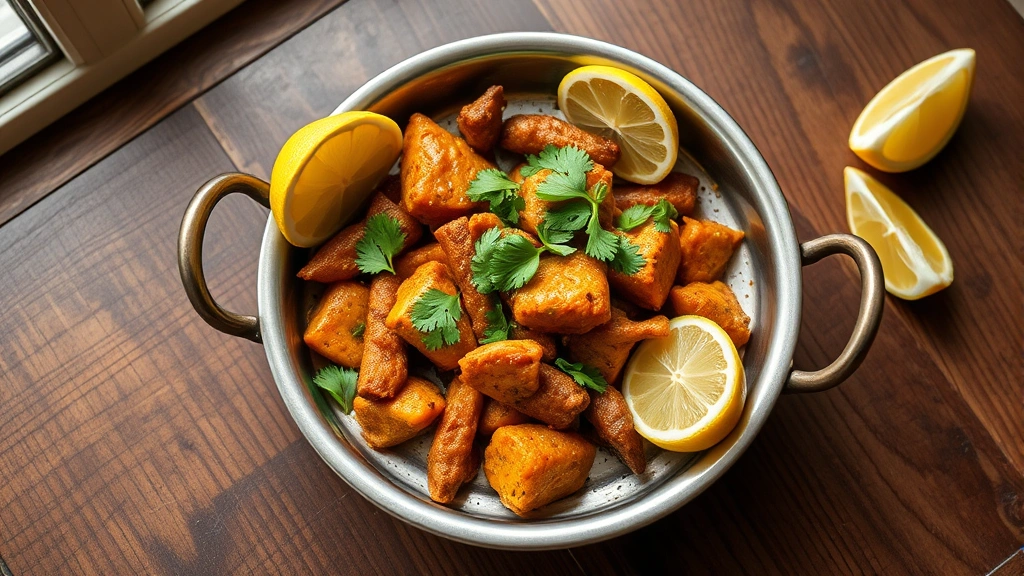
This bhindi masala recipe is the answer to anyone who’s ever wondered how restaurants create that perfectly crispy, absolutely delicious okra dish that keeps you coming back for more. If you’ve been intimidated by okra’s notorious sliminess or disappointed by soggy homemade versions, I’m here to tell you that this ultimate guide changes everything. The secret isn’t complicated—it’s all about technique, the right spices, and a few insider tricks that transform humble okra into a restaurant-worthy masterpiece.
I grew up watching my grandmother prepare bhindi masala in her tiny kitchen, and I realized early on that this humble vegetable deserved respect. She’d spend extra time selecting the freshest, youngest pods, and she never—and I mean never—added water during cooking. That single lesson taught me more about Indian cooking than any cookbook ever could. What makes bhindi masala so special is how it celebrates simplicity while delivering complex, layered flavors that dance across your palate.
Jump To Section
Why This Recipe Works
This bhindi masala recipe succeeds because it respects the vegetable itself. The key is cooking okra on high heat to drive off moisture and create that coveted crispy texture instead of the mushy, slimy consistency that turns people away. Additionally, we’re using a combination of aromatic spices—cumin, coriander, turmeric, and a hint of amchur (dried mango powder)—that complement rather than overpower the delicate okra flavor.
The technique matters just as much as the ingredients. We start by thoroughly drying the okra and cutting it into proper-sized pieces, then we cook it without adding any liquid whatsoever. This might sound counterintuitive, but the moisture released by the okra itself is perfectly sufficient. The high heat creates a beautiful caramelization on the outside while keeping the inside tender, resulting in that restaurant-quality finish you’ve been chasing.
Meanwhile, the onion-spice base creates an aromatic foundation that ties everything together beautifully. For instance, blooming your whole spices in hot oil releases their essential oils and deepens their flavor profile exponentially. This method transforms simple spices into something truly magical, and it’s the difference between good bhindi masala and extraordinary bhindi masala.
Ingredient Tips & Substitutions
Selecting the right okra is absolutely crucial for this recipe’s success. Look for tender, bright green pods that are no longer than four inches—these young okras are less fibrous and cook more quickly. Avoid any that feel sticky or have brown spots, as these indicate age or improper storage. If you can’t find fresh okra, frozen works beautifully, though you’ll need to thaw it completely and pat it extra dry before cooking.
Amchur, or dried mango powder, is essential to authentic bhindi masala recipe preparation, but if you can’t locate it at your local Indian market or online, fresh lemon juice works as an excellent substitute. The acidity serves the same purpose—adding brightness and preventing the okra from becoming gummy. However, add lemon juice only at the very end of cooking to preserve its vibrant flavor and acidity.
For the spices, always purchase them whole when possible and toast them yourself just before grinding. This elevates the entire dish dramatically. If you must use pre-ground spices, make sure they’re fresh—older spices lose their potency and won’t deliver the depth of flavor this recipe demands. Additionally, using good quality oil matters tremendously; choose between vegetable oil, peanut oil, or ghee depending on your preference and dietary needs.
Cooking Technique Secrets
The foundation of restaurant-style bhindi masala recipe results lies in proper okra preparation. After rinsing, dry each pod thoroughly using a clean kitchen towel—any moisture clinging to the surface will steam rather than fry, creating that undesirable sliminess. Cut the okra on a slight diagonal into half-inch pieces, which creates more surface area for that gorgeous caramelization we’re after.
Never—and I cannot stress this enough—ever add water to your bhindi masala. The okra releases its own moisture as it cooks, and that’s precisely what you want. Trust the process. The vegetables will initially seem dry, but within minutes they’ll release their natural juices, creating a light, flavorful sauce that coats each piece perfectly.
Heat control is paramount throughout cooking. Start with high heat to quickly evaporate any initial moisture, then adjust to medium-high once the okra begins releasing its juices. This prevents sticking and ensures even cooking. Stir frequently—about every minute or so—to promote even browning and prevent any pieces from scorching on the bottom of the pan.
Serving Suggestions
Bhindi masala recipe variations shine when paired thoughtfully with other dishes. Serve it alongside fluffy basmati rice, warm naan bread, or crispy roti for an authentic Indian meal experience. The slightly tangy, spiced okra complements creamy dal beautifully, and it makes an excellent side dish for tandoori chicken or paneer tikka masala.
For a lighter meal, try serving bhindi masala over quinoa or alongside best Mexican corn salad recipe for an unexpected fusion twist. You could also incorporate it into grain bowls with roasted vegetables and yogurt-based sauces. The possibilities are genuinely endless once you master this versatile dish.
Garnish with fresh cilantro and a squeeze of lemon juice just before serving to brighten all the flavors. A dollop of cooling yogurt on the side provides a lovely contrast to the warm spices. These finishing touches transform a good dish into something truly memorable.
Storage & Make-Ahead Tips
Bhindi masala keeps beautifully in the refrigerator for up to four days when stored in an airtight container. However, the texture changes slightly upon reheating, becoming softer than freshly cooked versions. To reheat, simply warm gently in a skillet over medium heat for a few minutes, stirring occasionally until heated through.
You can make the spice base ahead of time and store it separately, which cuts down weeknight cooking time considerably. The onion-spice mixture keeps for three days refrigerated. When ready to cook, simply reheat this base, add your fresh okra, and proceed with the recipe as written. This make-ahead strategy is perfect for busy weeks when you want homemade Indian food without the stress.
Freezing bhindi masala isn’t recommended, as the okra becomes quite soft and loses its appealing texture upon thawing. Instead, prepare this recipe fresh when you’re craving it—the actual cooking time is remarkably short, typically just fifteen to twenty minutes from start to finish.
This bhindi masala recipe delivers restaurant-quality results every single time you make it. Whether you’re cooking for family weeknight dinners or impressing guests at dinner parties, this technique-driven approach guarantees success. The combination of crispy-edged okra, aromatic spices, and that perfect no-water cooking method creates something absolutely irresistible. Start with this classic preparation, and soon you’ll be making bhindi masala from memory, adjusting heat levels and spice proportions to match your family’s preferences perfectly.
For more Indian vegetable inspiration, explore best low calorie soup recipe options or discover best vegan soup recipe variations that complement this dish beautifully. Additionally, check out best slow cooker soup recipe options for warming side dishes. For something completely different, try perfect shoyu ramen recipe for an entirely different cuisine experience.
According to Serious Eats okra cooking guide, proper heat management is essential for vegetable success. Meanwhile, New York Times Cooking emphasizes the importance of ingredient quality in Indian cuisine. Food52’s approach to Indian vegetable preparation offers additional inspiration for variations on this classic recipe.
Ingredients
- 1 pound fresh okra, rinsed and thoroughly dried
- 3 tablespoons vegetable oil or ghee
- 1 teaspoon cumin seeds
- 1 teaspoon coriander seeds
- 2 medium onions, finely diced
- 2 tablespoons ginger-garlic paste
- 1 teaspoon turmeric powder
- 1 teaspoon red chili powder
- 1 teaspoon ground coriander
- ½ teaspoon ground cumin
- ½ teaspoon amchur (dried mango powder)
- 1 medium tomato, finely chopped
- ½ teaspoon salt, or to taste
- ¼ teaspoon black pepper
- 2 tablespoons fresh cilantro, chopped
- 1 tablespoon fresh lemon juice
- ¼ teaspoon garam masala
Instructions
- Pat the okra completely dry using a clean kitchen towel—moisture is the enemy of crispy bhindi masala. Cut each pod on a slight diagonal into half-inch pieces and set aside on a paper towel-lined plate.
- Heat oil or ghee in a large skillet over medium-high heat. Once shimmering, add cumin seeds and coriander seeds, stirring constantly for about 30 seconds until fragrant and just starting to darken.
- Add diced onions to the bloomed spices and cook for 4-5 minutes, stirring frequently, until the onions become golden brown and softened. Don’t rush this step—proper caramelization builds flavor depth.
- Stir in the ginger-garlic paste and cook for 1 minute more, stirring constantly to prevent burning. The mixture should smell incredibly aromatic at this point.
- Add turmeric powder, red chili powder, ground coriander, and ground cumin to the onion mixture, stirring well to combine. Cook for just 30 seconds to bloom these ground spices in the hot oil.
- Add the chopped tomato and cook for 2-3 minutes, stirring occasionally, until the tomato breaks down and combines with the spice mixture. The oil should begin separating slightly from the mixture.
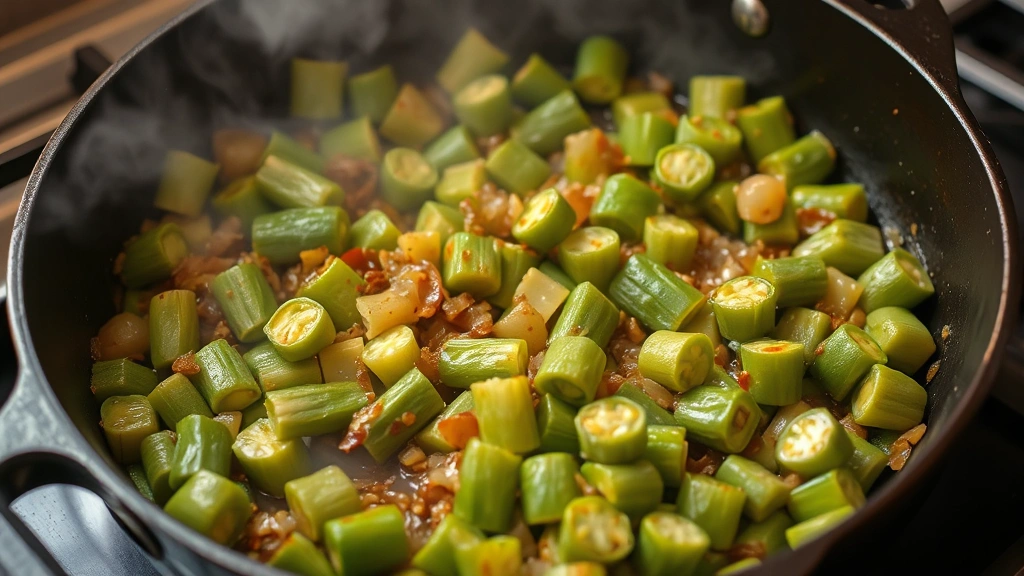
- Increase the heat to high and carefully add the prepared okra pieces, stirring constantly to coat everything evenly with the spice mixture. The okra will release moisture as it cooks—this is perfect and expected.
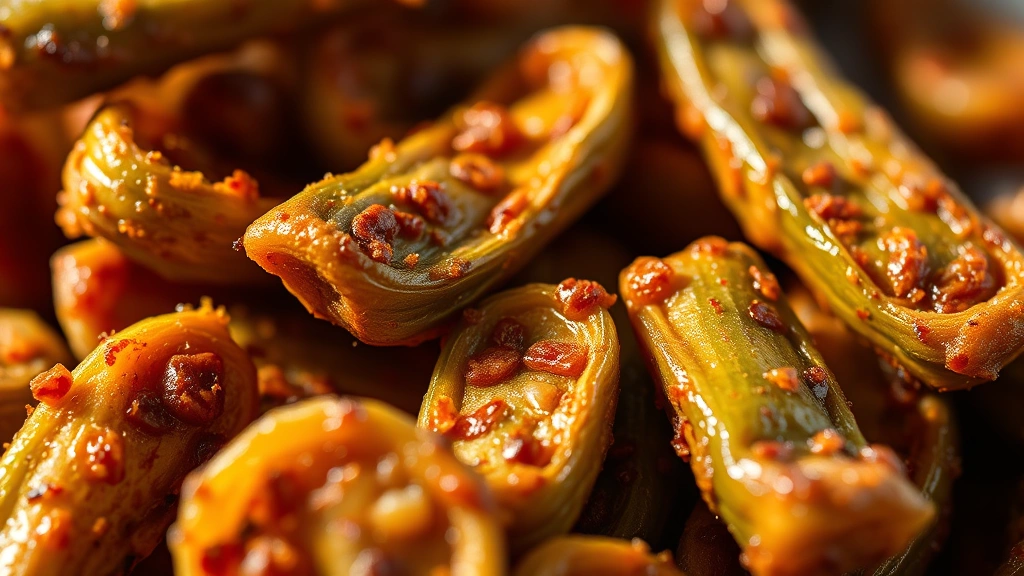
- Continue cooking on high heat for 10-15 minutes, stirring frequently (about every minute) to ensure even cooking and prevent sticking. The okra should gradually turn tender-crisp with slightly caramelized edges.
- Once the okra is cooked through and the majority of moisture has evaporated, add the amchur powder, salt, and black pepper. Stir well to distribute evenly.
- Remove from heat and finish with fresh cilantro, lemon juice, and a pinch of garam masala. Taste and adjust seasoning as needed—bhindi masala should have a balance of spice, tang, and subtle sweetness.
- Transfer to a serving dish and serve immediately while the okra retains its crispy texture. Bhindi masala is best enjoyed fresh and warm.
Pro Tips
Never add water to your bhindi masala recipe while cooking—this is the fundamental rule that separates restaurant-quality results from soggy disappointment. The okra releases its own moisture naturally, which is exactly what you need to create that signature light sauce.
Okra selection matters tremendously for recipe success. Choose young, tender pods that are bright green and no longer than four inches. Older, larger okras become tough and fibrous, resulting in a less pleasant eating experience regardless of cooking technique.
If using frozen okra, thaw it completely and pat it absolutely dry before cooking. Frozen okra releases more moisture than fresh, so extend the cooking time by 5-7 minutes and stir more frequently to ensure proper evaporation.
The amchur powder is truly essential to authentic bhindi masala flavor, but fresh lemon juice works beautifully as a substitute if you can’t find it. Add lemon juice only at the very end to preserve its bright, acidic qualities.
For a spicier version, increase the red chili powder to 1½ teaspoons or add fresh green chilies during the onion-cooking stage. Conversely, reduce chili powder to ½ teaspoon if serving to those with heat sensitivity.
Ghee creates a richer, more luxurious bhindi masala recipe than vegetable oil, though both work beautifully. If using ghee, you may need slightly less as it has a lower water content and more concentrated flavor.
Store leftover bhindi masala in an airtight container in the refrigerator for up to four days. The texture softens slightly upon reheating, so consume within two days for optimal crispy texture. Reheat gently over medium heat in a skillet rather than using a microwave to maintain better texture.
Make-ahead tip: Prepare the spice-onion base ahead of time and refrigerate separately from the okra. When ready to cook, reheat the base and proceed with the okra, which keeps this dish weeknight-friendly and restaurant-quality.