
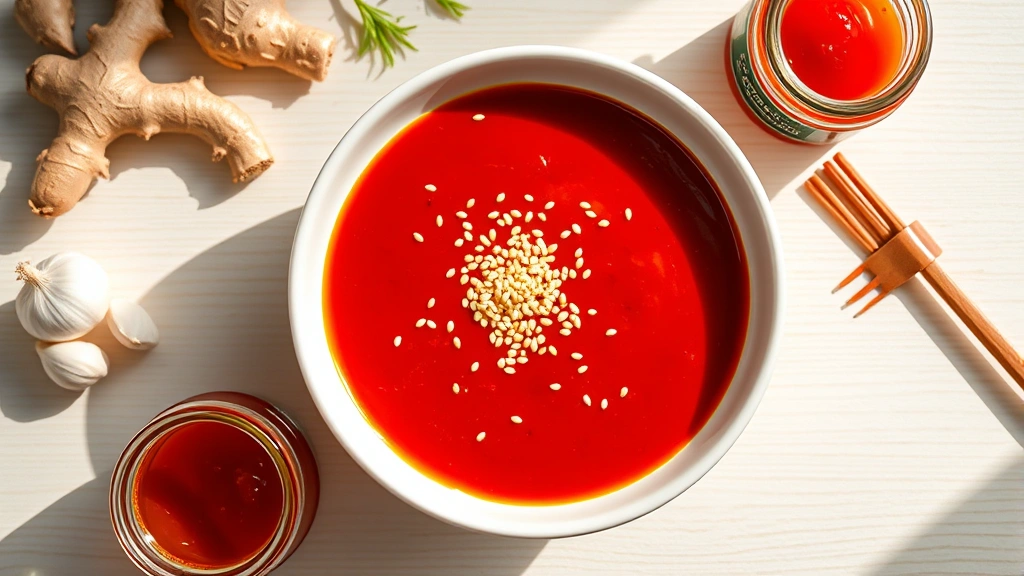
This bibimbap sauce recipe is the secret to creating an authentic Korean masterpiece that’ll have everyone asking for seconds. The magic happens when you blend gochujang’s deep, spicy warmth with sesame oil’s nutty richness and a touch of sweetness that brings everything into perfect harmony.
I still remember the first time I tasted bibimbap at a small restaurant in Seoul. The sauce wasn’t just a condiment—it was the soul of the entire dish. Every element on that bowl, from the crispy rice to the tender beef, came alive once I mixed that vibrant red sauce throughout. That’s when I realized I needed to master this recipe myself.
Jump To Section
What makes bibimbap sauce so special? It’s the balance. You’ve got heat from gochujang (Korean red chili paste), earthiness from sesame oil, brightness from rice vinegar, and a subtle sweetness from sugar. These four ingredients work together like a perfectly choreographed dance. Nothing overpowers the other—instead, they create something greater than the sum of their parts.
Why This Recipe Works
The beauty of this sauce lies in its versatility and simplicity. Unlike complicated dressings that require whisking or emulsifying, this bibimbap sauce comes together in literally one minute. You simply combine your ingredients, give them a good stir, and you’re done.
Gochujang is the foundation here. This fermented red chili paste has been a staple in Korean kitchens for centuries. It brings depth, umami, and that signature spicy kick. However, the heat isn’t aggressive or one-dimensional—it’s rounded and complex, thanks to the fermentation process. Additionally, sesame oil adds a toasted, nutty dimension that elevates this from a simple hot sauce to something truly special.
The rice vinegar provides acidity that cuts through the richness beautifully. For instance, without it, the sauce would feel heavy and one-note. A touch of sugar balances the heat and fermented funk, making the sauce approachable even for those who don’t typically enjoy spicy food. This is why bibimbap sauce recipe variations that skip the sugar miss the mark entirely.
Ingredient Tips & Substitutions
Finding quality gochujang is non-negotiable. Look for authentic Korean brands like Nongshim, CJ, or Haechandle in the Asian aisle of your grocery store. The paste should be a vibrant red color and have a thick, spreadable consistency. Avoid anything that looks dull or dried out—freshness matters here.
Sesame oil is equally important. You want toasted sesame oil, not the light variety used in stir-fries. The darker, more fragrant bottle is what you need. One tablespoon goes a long way because sesame oil is potent and flavorful. Meanwhile, if you’re in a pinch, you could use a neutral oil with a tablespoon of sesame seeds ground into it, though the result won’t be quite the same.
Rice vinegar brings brightness without overwhelming the sauce. White rice vinegar works perfectly, though some people prefer the slightly sweeter profile of seasoned rice vinegar. The sugar dissolves quickly and helps balance the spice. For those watching their sugar intake, honey works beautifully as a substitute—use about three-quarters of a teaspoon since honey is sweeter than granulated sugar.
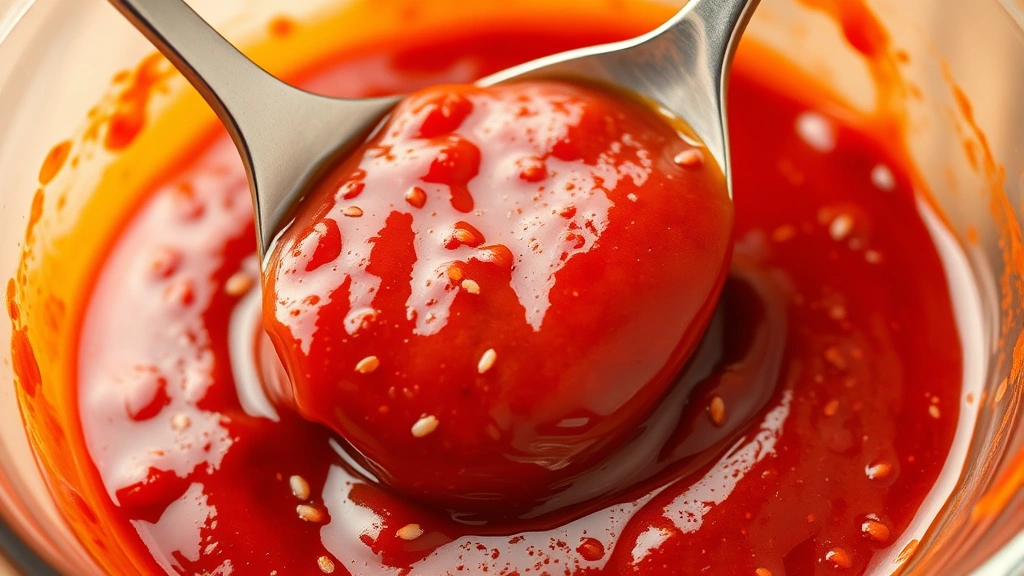
Water acts as a binder and helps you achieve the right consistency. Start with less and add more if needed. The sauce should be pourable but still thick enough to coat a spoon. Think of it as similar to oil and vinegar dressing in terms of texture—it should cling to ingredients without being watery.
The Authentic Korean Experience
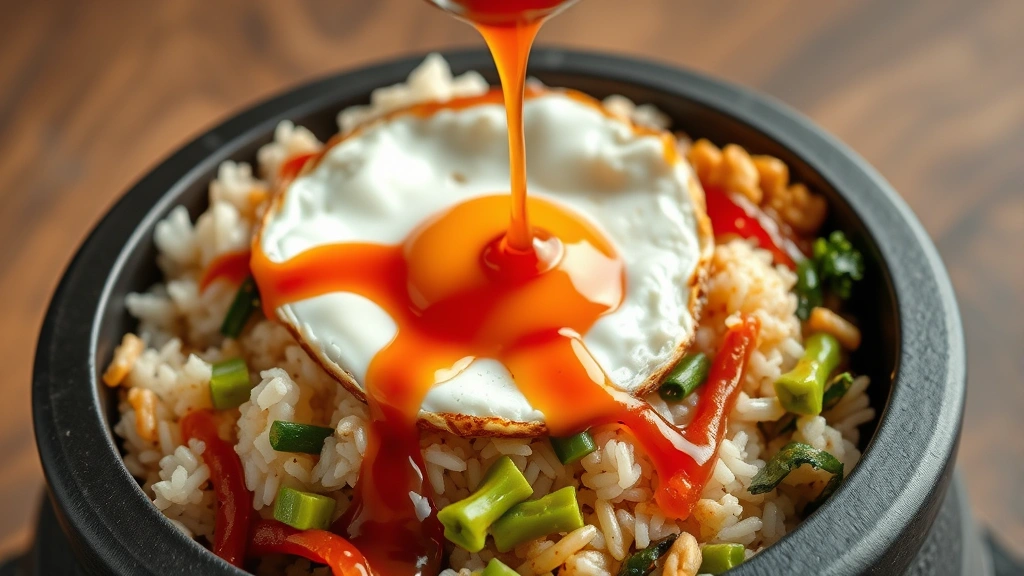
This sauce is meant to be mixed throughout your bibimbap bowl just before eating. That’s actually what “bibimbap” means—”mixed rice.” The rice sits at the bottom of a hot stone or ceramic bowl, topped with an array of vegetables, protein, and a fried egg. Then comes the sauce. You break that golden yolk, pour the sauce over everything, and mix it all together with a spoon or chopsticks.
The combination of the warm rice, hot stone bowl, cool vegetables, and warm sauce creates an incredible sensory experience. Additionally, the mixing action itself is part of the enjoyment and ritual. There’s something deeply satisfying about bringing all those separate components into harmony with this vibrant red sauce.
Beyond traditional bibimbap bowls, this sauce works wonderfully on other Korean rice bowls. Try it on similar marinated protein dishes, drizzle it over sushi rolls, or use it as a dipping sauce for spring rolls. It’s also fantastic as a marinade for chicken or tofu before grilling.
Storage & Make-Ahead Tips
This bibimbap sauce recipe is wonderfully convenient for meal prep. Make a batch at the beginning of the week and store it in an airtight container in the refrigerator for up to two weeks. The flavors actually deepen and meld beautifully over time, so it tastes even better on day three or four than it does on day one.
The sauce keeps its texture and consistency throughout storage. However, you might notice the oil separating slightly—that’s completely normal. Just give it a good stir before using. Alternatively, you can make individual portions and freeze them in ice cube trays for up to three months. Pop out a cube whenever you need sauce for a quick bibimbap bowl.
This makes weeknight bibimbap incredibly easy. Meanwhile, if you’re cooking for guests, you can prepare everything—the sauce, the vegetables, the rice, the protein—hours in advance. Just reheat gently before serving, and your Korean dinner comes together in minutes.
Serving Suggestions & Pairings
The traditional way to serve bibimbap sauce is with a complete bibimbap bowl. You’ll want cooked white rice as your base, along with an assortment of vegetables like spinach, carrots, bean sprouts, mushrooms, and zucchini. A protein like beef, chicken, or tofu is essential. Top with a fried egg and nori (seaweed), then generously drizzle with this sauce.
For vegetarians, this sauce pairs beautifully with roasted vegetables and beans. Try it on spicy cucumber salad for a lighter meal, or use it as a condiment alongside grilled vegetables. The heat and depth of gochujang make it surprisingly satisfying even without meat.
You can also get creative with fusion bowls. Use this sauce on grain bowls with quinoa, roasted sweet potatoes, and Brussels sprouts. Drizzle it over fish tacos for an Asian-inspired twist. The sauce’s complexity means it complements both light, fresh ingredients and rich, hearty components.
For side dishes, consider pairing your bibimbap with traditional Korean banchan (small side dishes). Kimchi, seasoned spinach, and pickled vegetables all work wonderfully. Additionally, a simple cucumber salad provides a cool, refreshing contrast to the sauce’s heat.
Beverages matter too. Serve cold barley tea (boricha) to cool the heat, or opt for a crisp beer or light wine. The sauce’s complex flavors pair well with beverages that have some acidity or slight sweetness.
If you’re looking for more inspiration on sauce-based dishes, check out resources like Serious Eats’ Korean cuisine section or Bon Appétit’s Asian recipes for additional ideas. These sites offer wonderful complementary recipes that work beautifully with homemade bibimbap sauce.
The beauty of mastering this bibimbap sauce recipe is that it opens doors to so many possibilities. Once you have a jar in your fridge, you’ll find yourself reaching for it constantly. It transforms simple ingredients into something memorable and crave-worthy. That’s the power of knowing how to make authentic Korean sauces from scratch.
Ingredients
- 3 tablespoons gochujang (Korean red chili paste)
- 1 tablespoon toasted sesame oil
- 1 tablespoon rice vinegar
- 1 teaspoon sugar
- 3-4 tablespoons water
- 1/2 teaspoon minced garlic (optional but recommended)
- 1/2 teaspoon sesame seeds (optional garnish)
Instructions
- Add the gochujang to a small bowl. This fermented red chili paste is the foundation of your sauce, so use a quality brand.
- Pour in the toasted sesame oil and stir well, breaking up any lumps in the gochujang. The oil helps create a smooth, cohesive sauce.
- Add the rice vinegar and sugar, stirring until the sugar dissolves completely. This balances the heat and fermented flavors.
- Gradually add water, starting with 3 tablespoons, stirring constantly. The sauce should be pourable but still thick enough to coat ingredients.
- Taste and adjust consistency. Add more water if it’s too thick, or let it sit for a few minutes if you prefer a thicker sauce.
- Stir in minced garlic if using for extra depth and flavor complexity.
- Transfer to a serving bowl or jar and garnish with sesame seeds if desired.
- Use immediately or store in an airtight container in the refrigerator for up to two weeks.
Pro Tips
This bibimbap sauce recipe comes together in under five minutes, making it perfect for busy weeknights. The ratio of ingredients is flexible based on your preferences—if you like things spicier, add more gochujang; if you prefer it sweeter, increase the sugar slightly.
One important note about gochujang: always use authentic Korean gochujang, not gochugaru (chili flakes). The paste has been fermented, which gives it complexity that fresh chili powder simply cannot replicate. This fermentation process is what makes the sauce taste authentically Korean rather than just spicy.
The water measurement is intentionally vague because gochujang brands vary in thickness. Some are very paste-like, requiring more water; others are slightly looser. Start with less water and add more gradually until you reach your desired consistency. You want the sauce to flow smoothly but not be completely liquid.
For a garlic-forward version, increase the minced garlic to a full teaspoon or even add a tiny pinch of garlic powder. Meanwhile, some people enjoy adding a touch of honey instead of sugar for a slightly different flavor profile. Both work beautifully, so experiment and find your preference.
If you’re making bibimbap sauce recipe in bulk for meal prep, multiply the ingredients by however many servings you need. However, don’t quadruple the water—add it more conservatively since the ratio changes with larger batches. It’s easier to thin out than to thicken up.
Storage is simple and forgiving. The sauce keeps refrigerated for two weeks, and the flavors actually improve as the ingredients meld together. You can also freeze portions in ice cube trays for individual bibimbap bowls. Just thaw at room temperature for a few minutes before using, or microwave gently.
Temperature-wise, this sauce is delicious at room temperature, warm, or even slightly chilled. There’s no single “correct” way to serve it—follow your preference and what works best with the temperature of your bibimbap bowl.