

A bistek recipe is the heart of Filipino home cooking, bringing together tender beef, savory soy sauce, and bright citrus in one unforgettable dish. This classic Filipino beef steak is nothing like the American steakhouse version—it’s actually a beloved comfort food that graces dinner tables across the Philippines and Filipino communities worldwide. The beauty of bistek lies in its simplicity: thin-sliced beef marinated and cooked with onions in a savory-salty sauce that’s both elegant and deeply satisfying.
Growing up, bistek was the dish my lola would make when she wanted something special but didn’t want to spend all day in the kitchen. The sizzle of beef hitting the pan, the aroma of garlic and soy sauce filling the kitchen—it’s a sensory memory that brings comfort instantly. What makes this Filipino beef steak so special is how it manages to feel both homey and restaurant-worthy at the same time.
Jump To Section
Why This Recipe Works
The magic of bistek recipe success starts with understanding the cut of beef you’re using. Thinly sliced beef—typically sirloin, ribeye, or chuck—cooks quickly and absorbs all those wonderful flavors. The thin slices mean you’re done cooking in minutes, not hours, which is perfect for busy weeknight dinners.
The marinade is where the real flavor development happens. Soy sauce provides that deep umami backbone, while calamansi juice (or lemon juice as a substitute) adds brightness and helps tenderize the meat. Garlic brings warmth and complexity. Additionally, the acidity in the citrus helps break down the muscle fibers, ensuring every bite is tender and flavorful. This combination has been perfected over generations of Filipino cooking.
What sets bistek apart from other beef stews is the cooking method itself. You’re not braising for hours—you’re searing the meat quickly to develop a flavorful crust, then finishing with a concentrated sauce. The onions become sweet and slightly caramelized, creating little pockets of flavor throughout the dish. This approach means dinner can be on the table in under 30 minutes.
Ingredient Tips & Substitutions
The beef cut matters, but you have flexibility here. Sirloin is the traditional choice because it’s lean, tender, and slices beautifully. However, if you prefer more marbling and richness, ribeye works wonderfully. Chuck is more budget-friendly and still delivers amazing flavor, though it requires slightly longer cooking to reach peak tenderness.
For the citrus component, calamansi is traditional and adds an authentic Filipino flavor—but let’s be real, finding calamansi juice outside the Philippines can be challenging. Lemon juice is your best substitute, offering similar acidity and brightness. Some cooks use lime juice, which works too, though it’s slightly less acidic. However, don’t skip the citrus entirely; it’s essential to the flavor profile. If you’re making stir fry sauces, you’ll recognize how important acid balance is to overall taste.
Soy sauce is non-negotiable, but you can choose between regular soy sauce and low-sodium varieties. Regular soy sauce gives you that authentic, slightly salty depth. If you use low-sodium, you may need to add a pinch of salt to taste. Some home cooks swear by adding a splash of vinegar (about a tablespoon) for extra tang and depth.
Onions are equally important—use yellow or white onions and cut them into thick half-moons. These hold their shape better during cooking and create satisfying texture contrasts. Meanwhile, garlic should be minced fresh, never from a jar, for the best aromatic quality.
Cooking Techniques for Perfect Bistek
The key to restaurant-quality bistek is proper heat management. Your pan needs to be hot enough to sear the meat quickly, creating a flavorful crust while keeping the inside tender. Medium-high heat is ideal—too high and your onions burn before the beef finishes cooking; too low and you’ll steam the meat instead of searing it.
Pat your beef dry before cooking. This is crucial for achieving that golden-brown crust. Moisture is the enemy of browning, so take a moment to blot each slice with paper towels. The marinade adds flavor, not moisture, so you’re not losing anything by drying the meat.
Don’t overcrowd the pan. Work in batches if needed, searing the beef on both sides until golden (about 1-2 minutes per side), then setting it aside. This patience pays dividends in flavor development. Additionally, by working in batches, you maintain a proper cooking temperature throughout the process.
Serving Suggestions
Bistek is traditionally served with steamed white rice—the perfect vehicle for soaking up that delicious sauce. The combination of tender beef, sweet onions, and savory sauce over rice is pure comfort food poetry. For a healthier twist, try it over brown rice or cauliflower rice.
Beyond rice, consider pairing bistek with taco rice for a fusion twist, or alongside steamed vegetables like bok choy or broccoli. A simple green salad with vinaigrette provides refreshing contrast to the rich, savory beef. You might also enjoy it with warm pork stir fry recipes as a complete Filipino feast.
For beverages, bistek pairs beautifully with fresh lemonade, iced tea, or even a light beer. The citrus notes in the dish complement these refreshing options perfectly.
Storage & Reheating Tips
Bistek actually improves after a day or two as the flavors meld together, making it an excellent meal-prep option. Store leftovers in an airtight container in the refrigerator for up to 4 days. The beef stays tender and the sauce continues developing flavor.
To reheat, use the stovetop rather than the microwave for best results. Place the bistek in a pan over medium heat, adding a splash of water or beef broth if the sauce has thickened too much. Stir gently until warmed through, about 5-7 minutes. This method preserves the texture of the beef and keeps the sauce silky.
You can also freeze bistek for up to 3 months. Cool it completely first, then transfer to a freezer-safe container. When ready to use, thaw in the refrigerator overnight and reheat as described above. Freezing doesn’t significantly impact quality, making this recipe perfect for batch cooking.
Filipino cooking is all about making delicious food accessible and quick, and this beef steak recipe embodies that philosophy perfectly. Whether you’re cooking for your family on a Tuesday night or impressing guests at a dinner party, bistek delivers restaurant-quality results with minimal fuss. The combination of tender beef, caramelized onions, and savory sauce creates a dish that’s both sophisticated and deeply comforting.
This Filipino beef steak has fed generations and will continue to be a staple in Filipino kitchens because it works. It’s forgiving, adaptable, and absolutely delicious. Once you master this beef steak cooking method, you’ll find yourself making it regularly. The simplicity is deceptive—what looks straightforward on the surface is actually a masterclass in flavor development and technique.
So gather your ingredients, heat up your pan, and get ready to create something truly special. Your family will thank you, and you’ll understand why bistek has earned its place as a beloved Filipino classic.
Ingredients
- 2 lbs beef sirloin or ribeye, thinly sliced (about ¼ inch thick)
- ½ cup soy sauce
- ¼ cup fresh calamansi juice (or lemon juice)
- 6 cloves garlic, minced
- 3 medium yellow onions, cut into thick half-moons
- 2 tablespoons vegetable oil
- 1 teaspoon black pepper
- ½ teaspoon salt (adjust to taste)
- 1 cup beef broth or water
- 2 tablespoons butter
Instructions
- In a large bowl, combine soy sauce, calamansi juice, minced garlic, black pepper, and salt to create the marinade. Mix well until all ingredients are incorporated.
- Add the thinly sliced beef to the marinade, stirring to coat each piece evenly. Let marinate for at least 10 minutes while you prepare the remaining ingredients. If you have time, 30 minutes yields even better flavor development.
- Pat the beef dry with paper towels, reserving the marinade. This step is crucial for achieving a proper sear and golden-brown crust.
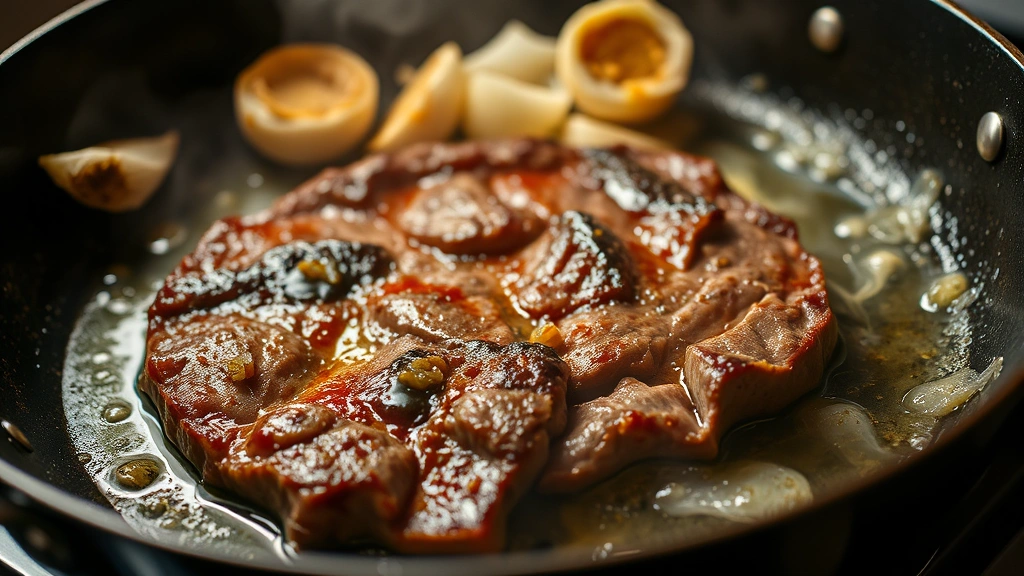
- Heat 1 tablespoon of vegetable oil in a large skillet or wok over medium-high heat. Once the oil shimmers, carefully add half of the beef in a single layer.
- Sear the beef for 1-2 minutes on each side until golden brown, working in batches to avoid overcrowding the pan. Transfer cooked beef to a plate and repeat with remaining oil and beef.
- In the same skillet, melt the butter and add the sliced onions. Cook for 3-4 minutes, stirring occasionally, until the onions become slightly softened and begin to caramelize at the edges.
- Pour the reserved marinade into the skillet with the onions, scraping up any browned bits from the bottom. These caramelized bits add incredible flavor depth.
- Add the beef broth and return all the cooked beef to the skillet, stirring gently to combine. Bring the mixture to a gentle simmer.
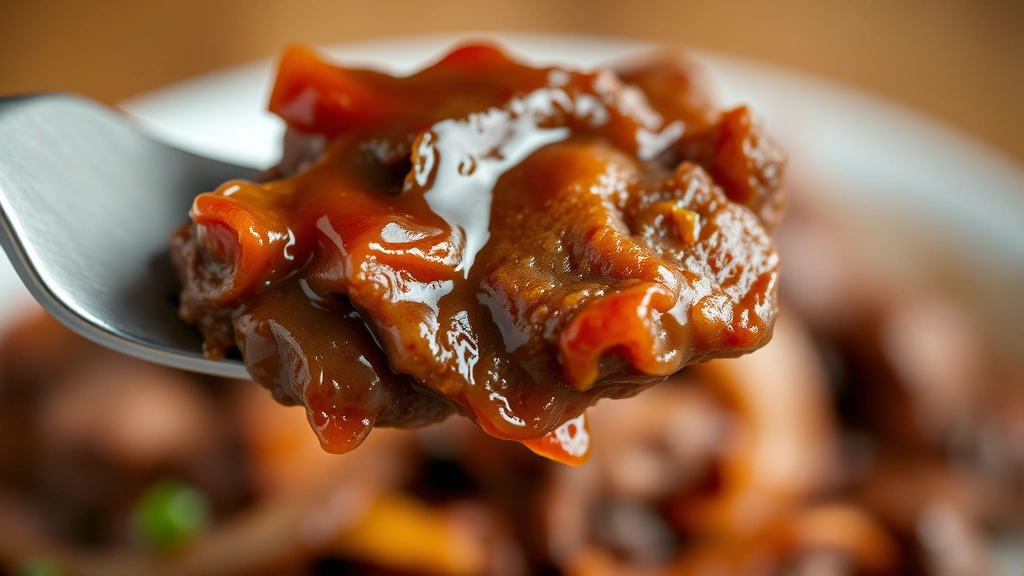
- Simmer for 5-7 minutes, allowing the sauce to reduce slightly and concentrate in flavor. The sauce should coat the beef and onions beautifully.
- Taste and adjust seasoning as needed, adding more soy sauce, lemon juice, salt, or pepper to your preference. Serve immediately while hot over steamed white rice.
Pro Tips
The quality of your beef makes a significant difference in this dish. Ask your butcher to slice the beef for you if possible, ensuring consistent thickness that cooks evenly. If you’re slicing it yourself, partially freeze the beef for 30 minutes first—this makes slicing much easier and cleaner.
Marinating time is flexible depending on your schedule. A quick 10-minute marinade works fine for weeknight dinners, but if you have time, letting it sit for 30 minutes to an hour allows the flavors to penetrate deeper into the meat. However, don’t marinate longer than 8 hours, as the citrus acid can make the beef mushy.
For a lighter version, you can reduce the soy sauce to ⅓ cup and add an extra ¼ cup beef broth for more subtle seasoning. Meanwhile, if you prefer a thicker sauce, simmer uncovered for an additional 5 minutes to further reduce the liquid.
The onions are essential to this dish—they should be thick enough to hold their shape but soft enough to eat easily. Avoid cutting them too thin or they’ll disappear into the sauce. Additionally, if your family prefers softer onions, simply cook them a bit longer in step 6 before adding the marinade back in.
Some regional variations include adding diced potatoes or carrots to make it more of a stew, which works beautifully for feeding a crowd. If you go this route, add the vegetables in step 8 and simmer until tender, about 10-12 minutes.
For those who like heat, add sliced fresh red chilies or a dash of hot sauce to the marinade. This complements the savory-salty profile without overwhelming the delicate beef flavor. You can also serve extra lime wedges on the side for guests to adjust the acidity to their taste.
Storage is straightforward—refrigerate in an airtight container for up to 4 days or freeze for up to 3 months. The flavors actually deepen after a day, making bistek an excellent candidate for meal prep. This is one of those dishes that tastes even better as leftovers.