
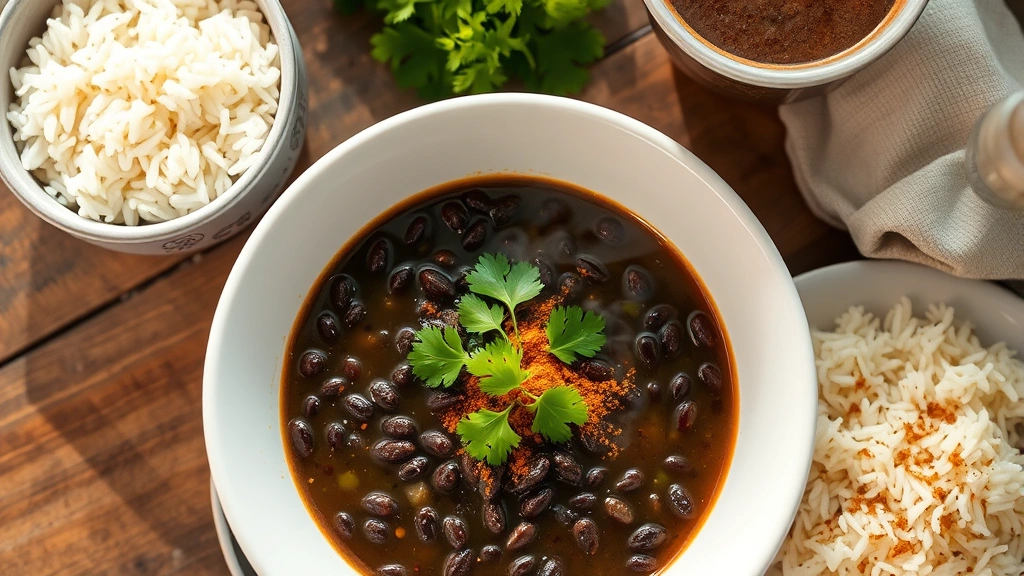
A black lentil recipe is one of those beautiful dishes that feels fancy enough for company but simple enough for a weeknight dinner. Black lentils, also called beluga lentils, are my absolute favorite legume—they’re smaller, earthier, and hold their shape better than their red or green cousins. This creamy, aromatic dal is the kind of comfort food that makes your kitchen smell incredible and leaves everyone at the table asking for seconds.
I first fell in love with black lentils at a tiny Indian restaurant tucked away on a side street. The chef told me their secret was patience and proper seasoning, and honestly? That advice changed how I cook. Now, every time I make this recipe, I’m transported back to that cozy corner table with steaming bowls of dal and warm naan.
Jump To Section
Why This Recipe Works
Black lentils are nutritional powerhouses packed with protein, fiber, and minerals—making this dish as nourishing as it is delicious. Unlike red lentils that turn mushy, black lentils maintain a beautiful texture throughout cooking. The combination of aromatic spices creates depth without overwhelming heat, and the cooking method ensures each lentil is perfectly tender while still holding its shape.
The beauty of this recipe lies in its simplicity. You’re working with pantry staples and building layers of flavor through proper tempering of spices. Additionally, this dal freezes beautifully, so batch cooking on Sunday means easy weeknight meals ahead. Whether you serve it over rice, with taco rice, or alongside vegetables, it’s incredibly versatile.
Ingredient Tips & Substitutions
Start with quality black lentils—they should be shiny and uniform in size. If you can’t find black lentils, French green lentils work as a solid alternative, though they’re slightly less earthy. For the aromatics, fresh garlic and ginger make all the difference; don’t skip them or use jarred versions if you can help it.
The spice blend is flexible based on your preferences and what you have on hand. Cumin seeds provide earthiness, mustard seeds add a subtle pop, and fenugreek leaves (methi) bring a unique bittersweet note—but if you can’t find fenugreek, simply increase your cumin. Meanwhile, coconut milk creates the creamy texture without dairy, though you can substitute heavy cream or Greek yogurt if preferred. For heat lovers, fresh green chilies can be increased, or add a pinch of cayenne pepper to taste.
The cooking liquid matters more than you’d think. Vegetable or chicken broth adds flavor compared to plain water, and if you’re serving this to vegetarian guests, always confirm your broth is vegetable-based. For instance, some beef broths sneak into generic “chicken” stocks.
How to Cook Perfect Black Lentils
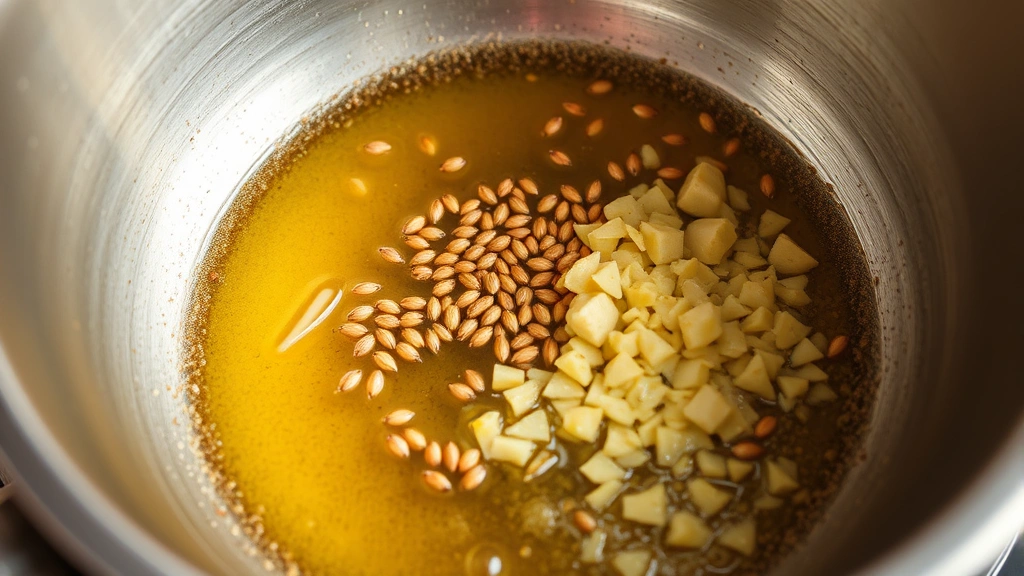
Begin by rinsing your lentils thoroughly under cool water—this removes debris and prevents excessive foaming during cooking. Heat oil or ghee in a heavy-bottomed pot over medium-high heat, then add your cumin seeds and mustard seeds, listening for that satisfying crackling sound. This tempering step is crucial because it releases the seeds’ essential oils and distributes that spiced flavor throughout your dish.
Once the seeds are fragrant (about 30 seconds), add minced garlic and ginger, stirring constantly for about a minute until the raw edge disappears. The aromatics should become golden and smell absolutely heavenly. Next, add your rinsed lentils, stirring them in the oil for 2-3 minutes—this “toasting” step deepens their flavor considerably.
Pour in your broth and bring everything to a boil, then reduce heat and simmer gently. Black lentils typically need 25-35 minutes to become tender, though cooking time varies based on your lentils’ age and your altitude. You want them soft enough to mash between your fingers but not falling apart. About halfway through, add your diced tomatoes and fenugreek leaves if using.
In the final minutes, stir in your coconut milk and adjust seasonings with salt and a squeeze of lemon juice. The lemon brightens everything and adds complexity you didn’t know was missing. Taste as you go—seasoning is deeply personal, and you might want more spice or more salt than the recipe suggests.
Serving Suggestions
This dal shines when served over fluffy basmati rice with a dollop of Greek yogurt and fresh cilantro on top. The creamy dal against the light rice creates perfect balance. However, it’s equally wonderful served with warm naan bread for scooping, or alongside roasted vegetables for a lighter meal.
For a complete meal, consider pairing this with a crisp salad—something like a best Mexican salad recipe or fresh cucumber raita provides textural contrast. You might also enjoy it alongside the best Mexican corn salad recipe for a fusion approach.
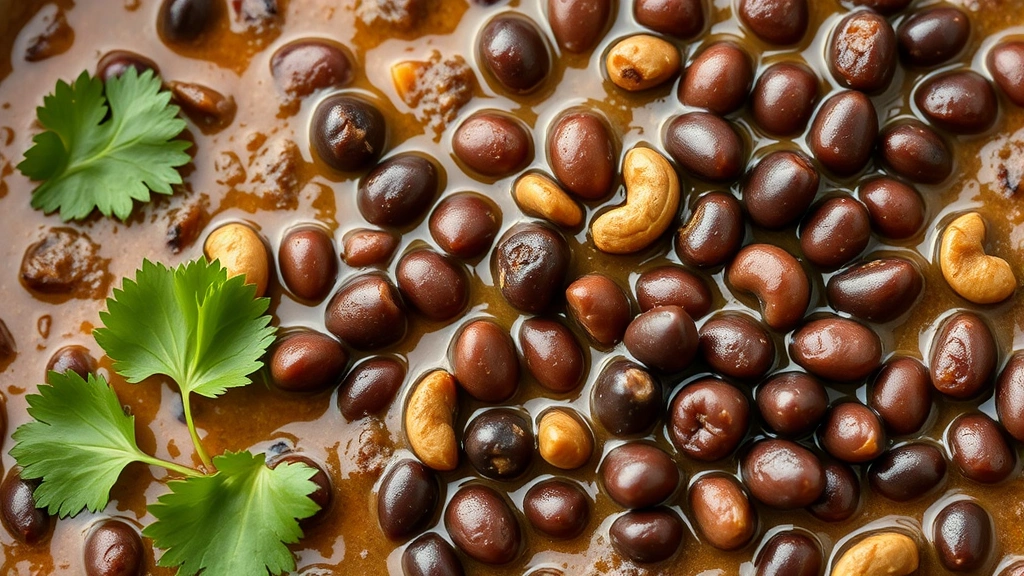
Garnish generously with fresh cilantro, a sprinkle of cumin powder, and a drizzle of tempered oil infused with more mustard seeds. Some people add a fried onion garnish or a few cashews for crunch—these additions elevate the dish from simple to restaurant-quality.
Storage & Reheating
This black lentil recipe keeps beautifully in the refrigerator for up to five days in an airtight container. The flavors actually deepen as it sits, making it perfect for meal prep. When reheating, add a splash of water or broth to restore the creamy consistency, then warm gently on the stovetop or in the microwave.
For freezing, let the dal cool completely before transferring to freezer-safe containers, leaving a bit of headspace for expansion. It freezes wonderfully for up to three months. Thaw overnight in the refrigerator and reheat as directed above. Additionally, frozen dal is clutch for those nights when you need dinner fast but want something homemade and healthy.
If your dal seems too thin after reheating, simmer it uncovered for a few minutes to reduce. Conversely, if it’s thicker than you like, simply whisk in more broth. This flexibility makes it forgiving for batch cooking when exact conditions vary.
For more lentil inspiration, check out recipes like pinto bean soup recipe or easy vegetable beef soup recipe for similar comfort-food vibes. You might also enjoy the best vegetable beef soup recipe if you’re looking to add protein to your legume dishes.
This black lentil dal recipe is genuinely one of those dishes that improves your cooking confidence. Once you master the technique, you’ll find yourself making it regularly—it’s that good, that satisfying, and that worth the minimal effort required. The combination of nutrition, flavor, and ease makes it a recipe you’ll return to again and again.
Ingredients
- 1 cup black lentils (beluga lentils), rinsed and drained
- 2 tablespoons ghee or coconut oil
- 1 teaspoon cumin seeds
- 1 teaspoon mustard seeds
- 4 cloves garlic, minced
- 1 tablespoon fresh ginger, minced
- 1 medium onion, diced
- 2 medium tomatoes, diced (or 1 can diced tomatoes, 14 ounces)
- 4 cups vegetable or chicken broth
- 1 can coconut milk (13.5 ounces)
- 1 teaspoon ground turmeric
- 1 teaspoon ground coriander
- 1/2 teaspoon red pepper flakes (adjust to taste)
- 1 tablespoon dried fenugreek leaves (methi), optional
- 1 teaspoon salt (adjust to taste)
- 1/2 teaspoon black pepper
- 2 tablespoons fresh lemon juice
- Fresh cilantro, for garnish
- Additional cumin powder for garnish
Instructions
- Rinse the black lentils thoroughly under cool running water until the water runs mostly clear, then set aside to drain completely.
- Heat ghee or coconut oil in a large, heavy-bottomed pot over medium-high heat until shimmering.
- Add cumin seeds and mustard seeds to the hot oil, listening for a crackling sound (about 30 seconds), then immediately add minced garlic and ginger, stirring constantly.
- Continue cooking the garlic and ginger for about 1 minute until fragrant and the raw edge disappears, being careful not to burn.
- Add the diced onion to the pot and cook for 3-4 minutes, stirring occasionally, until the onion becomes translucent.
- Stir in the rinsed black lentils, coating them well with the oil and spices, and cook for 2-3 minutes to lightly toast them.
- Add ground turmeric, ground coriander, and red pepper flakes to the lentils, stirring well to combine all spices evenly.
- Pour in the vegetable or chicken broth, stirring to combine, and bring the mixture to a boil over high heat.
- Once boiling, reduce heat to low and simmer gently, uncovered, for 20 minutes.
- Add the diced tomatoes and fenugreek leaves (if using) to the pot, stirring well, then continue simmering for another 10-15 minutes until the lentils are completely tender.
- Stir in the coconut milk, salt, and black pepper, mixing thoroughly to combine.
- Taste the dal and adjust seasonings as needed—add more salt, pepper, or red pepper flakes according to your preference.
- Finish with fresh lemon juice, which brightens the flavors beautifully and adds complexity.
- Serve hot over basmati rice or with warm naan bread, garnished with fresh cilantro and a sprinkle of cumin powder.
- Optional: drizzle with additional tempered oil infused with mustard seeds, or top with fried onions and roasted cashews for extra texture.
Pro Tips
Black lentils are smaller and earthier than red or green varieties, holding their shape perfectly during cooking. This makes them ideal for dal—they won’t break down into mush but will become creamy and tender instead. If you can’t find black lentils at your regular grocery store, check the bulk section or specialty stores, as they’re becoming increasingly available.
The tempering of spices in hot oil is non-negotiable for authentic flavor. This technique, called tadka in Indian cooking, releases essential oils and distributes spice flavors throughout the entire dish. Don’t skip this step or do it halfheartedly—it genuinely makes the difference between good dal and great dal.
Regarding coconut milk, use full-fat canned coconut milk for the richest, creamiest results. Light coconut milk works but produces a thinner consistency. Meanwhile, if you prefer dairy, substitute heavy cream or even a splash of whole milk whisked with Greek yogurt for a tangy element.
Fenugreek leaves (methi) add a subtle bittersweet note that’s hard to describe but immediately recognizable if you’ve had it before. However, they’re optional—your dal will be delicious without them. If you find fresh fenugreek leaves, they’re even better than dried, though you’ll need about three times the amount by weight.
For batch cooking and meal prep, this recipe doubles easily and freezes beautifully for up to three months. Cool completely before freezing, and add a splash of broth when reheating to restore the creamy consistency. Additionally, the flavors deepen after a day or two in the refrigerator, so don’t hesitate to make this ahead.
If your dal seems too thick after cooling (lentils absorb liquid as they sit), simply whisk in more broth until you reach your desired consistency. Conversely, if it seems too thin, simmer uncovered for a few minutes to reduce and concentrate flavors. This flexibility is one of the best things about dal—it’s very forgiving.
Serving suggestions extend beyond rice and naan. This dal pairs beautifully with roasted vegetables, alongside a crisp salad, or even as a hearty soup course before the main meal. Some people serve it as a side dish with grilled proteins, using it as a creamy complement similar to how you might serve risotto.