

A blackened seasoning recipe is honestly the secret weapon every home cook needs in their pantry. This ultimate homemade Cajun blend brings that smoky, spicy, slightly sweet flavor profile that makes everything from fish to chicken absolutely sing with restaurant-quality taste.
I fell in love with blackened seasoning years ago after trying it at a New Orleans restaurant, and I’ve been perfecting my own version ever since. There’s something magical about how this blend transforms simple proteins into something extraordinary. The beauty of making it at home? You control every single ingredient, skip the additives, and save a ton of money compared to store-bought versions.
Jump To Section
Why This Recipe Works
This blackened seasoning recipe strikes the perfect balance between heat, smokiness, and depth. The combination of paprika, cayenne, and black pepper creates that signature kick, while garlic and onion powder add savory undertones that make people ask, “What is that amazing flavor?”
What makes this blend special is the ratio. Too much cayenne and you’ve got pure heat with no flavor. Too little paprika and you lose that beautiful color and subtle sweetness. I’ve tested this formula dozens of times to get it just right. The dried oregano and thyme add an herbal complexity that separates this from basic spice mixes.
Additionally, this recipe uses whole spices that you toast lightly before grinding, which intensifies the flavors dramatically. However, if you’re in a time crunch, the ground version works perfectly fine. The key is freshness—make a batch and use it within a month or two for the best results.
Ingredient Tips & Substitutions
Let me break down each component so you understand what you’re working with. Smoked paprika is non-negotiable here—it’s what gives you that blackened, slightly charred appearance and flavor. Sweet paprika works in a pinch, but you’ll lose some of that smoky depth that makes this seasoning so craveable.
For the heat level, start with one tablespoon of cayenne pepper if you like things mildly spicy. Want to turn up the fire? Add up to two tablespoons. The black pepper should be freshly ground if possible—pre-ground loses potency quickly. Garlic powder and onion powder are must-haves; they provide umami that makes the seasoning incredibly versatile.
The dried herbs matter more than you’d think. Fresh oregano and thyme are wonderful if you have them on hand, but dried versions actually work better here because they’re more concentrated. For instance, if you can only find Italian seasoning, you can substitute it one-to-one, though the flavor profile shifts slightly toward Mediterranean notes.
One pro tip: if you have access to smoked garlic powder or smoked onion powder, those are absolutely worth seeking out. They elevate this blackened seasoning recipe from great to absolutely phenomenal. Meanwhile, some people add a tiny pinch of ground cloves or allspice for extra complexity—experiment and see what you love.
How to Use Your Blackened Seasoning
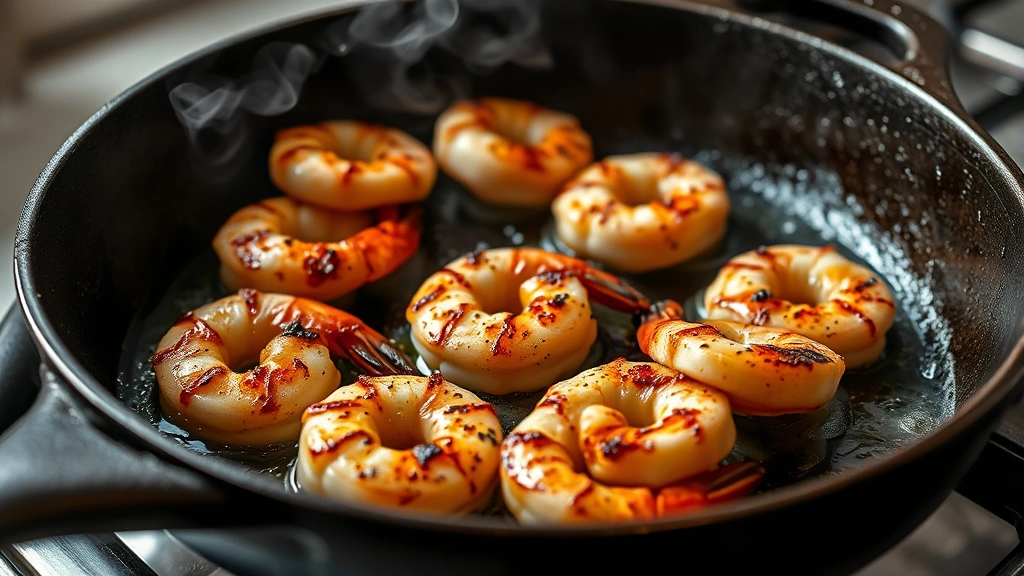
This blend works beautifully on virtually any protein. Fish, especially catfish and redfish, are traditional blackened choices, but honestly? Try it on shrimp, chicken, steak, or even vegetables. The magic happens when you coat your ingredient generously, then sear it in a hot cast-iron skillet with a little butter until you get that gorgeous charred crust.
For seafood, our best shrimp pad thai recipe showcases how different seasonings transform the same ingredient. Similarly, try this blend on a steak salad for a quick dinner that feels restaurant-worthy.
You can also use this seasoning as a dry rub for grilled meats, sprinkle it on roasted vegetables, or even rim a cocktail glass. Some of my favorite applications include blackened chicken over our best Caesar salad, or tossed with shrimp for appetizers.
Storage & Shelf Life
Keep your blackened seasoning in an airtight container away from heat and light. A glass jar works beautifully and lets you see when you’re running low. This blend stays fresh and potent for about two months, though the flavors gradually fade over time. To maximize freshness, store it in a cool, dark cabinet rather than above the stove where heat can degrade the spices.
I like to make a fresh batch every six weeks. It’s such a quick process—literally five minutes of work—that keeping your supply fresh is super easy. Alternatively, you can make larger batches and freeze portions in ice cube trays, then pop out a cube whenever you need to season a dish.
Chef’s Notes & Pro Tips
The reason this Cajun blend works so magnificently is rooted in Louisiana cooking tradition. It’s all about building layers of flavor: the heat, the smoke, the herbs, the savory depth. When you make this homemade blackened seasoning recipe, you’re capturing that authentic bayou spirit in your own kitchen.
For the absolute best results, toast your spices gently in a dry skillet for about 30 seconds before grinding. You’ll smell the aroma intensify—that’s when you know the flavors are waking up. Don’t skip this step; it makes a noticeable difference. However, if you prefer pre-ground spices and want to skip toasting, absolutely go for it.
When applying this seasoning to proteins, create a generous coating on both sides. The seasoning should be visible and substantial—this isn’t a light dusting situation. Get your skillet smoking hot (literally, it should be quite hot), add a pat of butter, then sear your ingredient until you see that beautiful blackened crust forming. This typically takes about three to four minutes per side for fish.
According to Serious Eats’ spice guide, understanding spice ratios helps you customize seasoning blends. Additionally, Bon Appétit’s Cajun cooking series offers fantastic context for traditional Louisiana flavors. The New York Times cooking section also has excellent articles on blackened cooking techniques.
One thing I absolutely love about making my own Cajun spice blend is knowing exactly what goes into my food. No mysterious additives, no anti-caking agents, just pure spice goodness. Plus, homemade versions are exponentially more flavorful than most commercial options.
If you’re serving this on delicate fish, let the protein sit at room temperature for about fifteen minutes before cooking. This ensures even cooking throughout. For heartier proteins like steak or chicken, room temperature also helps, but it’s less critical.
Finally, don’t be afraid to experiment. This blackened seasoning recipe is your foundation, but feel free to adjust the ratios based on your preferences. Like extra heat? Add more cayenne. Prefer deeper smokiness? Increase the smoked paprika. Love garlic? Bump up the garlic powder. Cooking is about making food that makes you happy, so customize away.
Ingredients
- 2 tablespoons smoked paprika
- 1 tablespoon garlic powder
- 1 tablespoon onion powder
- 1 tablespoon dried oregano
- 1 tablespoon dried thyme
- 1.5 teaspoons cayenne pepper
- 1.5 teaspoons black pepper, freshly ground
- 1 teaspoon salt
- 0.5 teaspoon white pepper
- 0.25 teaspoon ground cayenne (optional, for extra heat)
Instructions
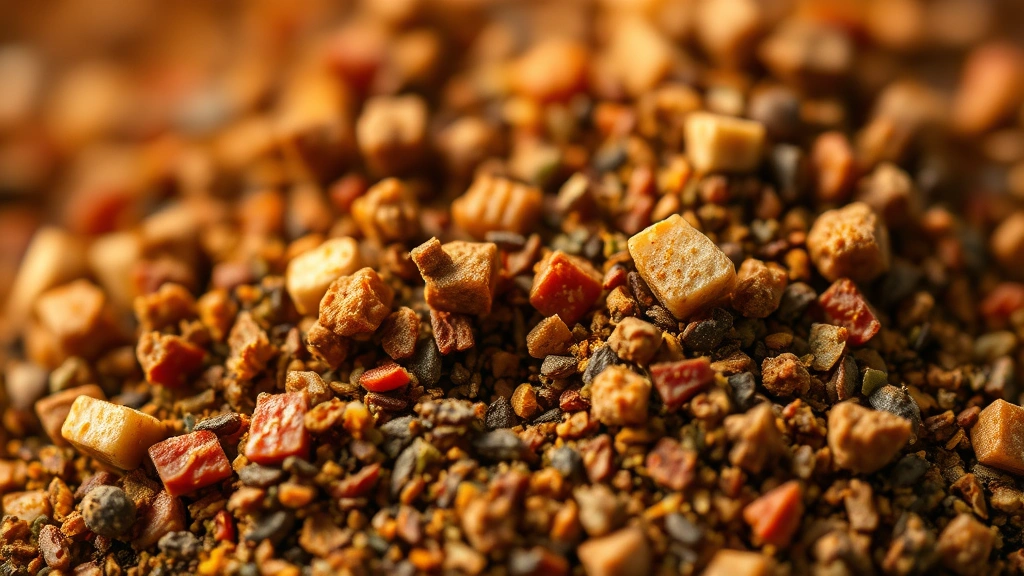
- Gather all your spices and place them in a small bowl. If you want to enhance the flavor, lightly toast the whole spices in a dry skillet over medium heat for about 30 seconds until fragrant, then grind them using a spice grinder or mortar and pestle.
- Combine the smoked paprika, garlic powder, onion powder, dried oregano, and dried thyme in a small bowl. Mix thoroughly to distribute the herbs evenly throughout the blend.
- Add the cayenne pepper, freshly ground black pepper, salt, and white pepper to the bowl. Stir everything together until the mixture is completely uniform, breaking up any clumps with the back of a spoon.
- Taste a tiny pinch (seriously, just a touch!) to check the heat level. If you want it spicier, add the optional extra cayenne and mix well. Adjust salt if needed based on your preference.
- Transfer your blackened seasoning to an airtight glass jar or spice container. Label it with the date so you remember when you made it. Store in a cool, dark cabinet away from direct heat and light.
- Use this seasoning generously on fish, shrimp, chicken, steak, or vegetables. For the classic blackened preparation, coat your protein thoroughly on both sides, then sear in a very hot cast-iron skillet with butter until a flavorful crust forms.
Pro Tips
Storage is straightforward—keep this blackened seasoning recipe in an airtight container in your pantry. Glass jars work beautifully and keep the seasoning fresher longer than plastic. The blend stays vibrant and flavorful for about six to eight weeks, though optimal flavor is within the first month.
Want to customize the heat level? Start with one tablespoon of cayenne and adjust from there based on your spice tolerance. Some people prefer milder blends while others crank up the cayenne to two tablespoons. There’s no wrong answer—make it your own.
For a slightly different flavor profile, try substituting the smoked paprika with equal parts sweet paprika and a pinch of liquid smoke. However, the smoked paprika version is more authentic and requires no extra ingredients. Additionally, if you have smoked salt available, swap it in for regular salt for an extra layer of smokiness.
This seasoning blend works wonderfully as a gift for cooking enthusiasts. Fill small jars, add a homemade label, and include instructions for use. People absolutely love receiving homemade spice blends, and it’s such a thoughtful, practical present.
One helpful tip: make a double batch and store half in the freezer. Spices stay fresher when frozen, so you can have vibrant seasoning available months later. Just thaw it fully before opening the container to prevent condensation from affecting the spices.
If you’re making this for someone with dietary restrictions, it’s naturally gluten-free, dairy-free, and vegan. Just verify your individual spices don’t have any cross-contamination or additives if that’s a concern for your household.
For the best blackened cooking experience, use a cast-iron skillet if possible. It holds heat evenly and develops that gorgeous crust better than other cookware. Heat the skillet until it’s almost smoking—yes, it should be quite hot—then add a pat of butter and your seasoned protein. The sizzle you hear is exactly what you want.