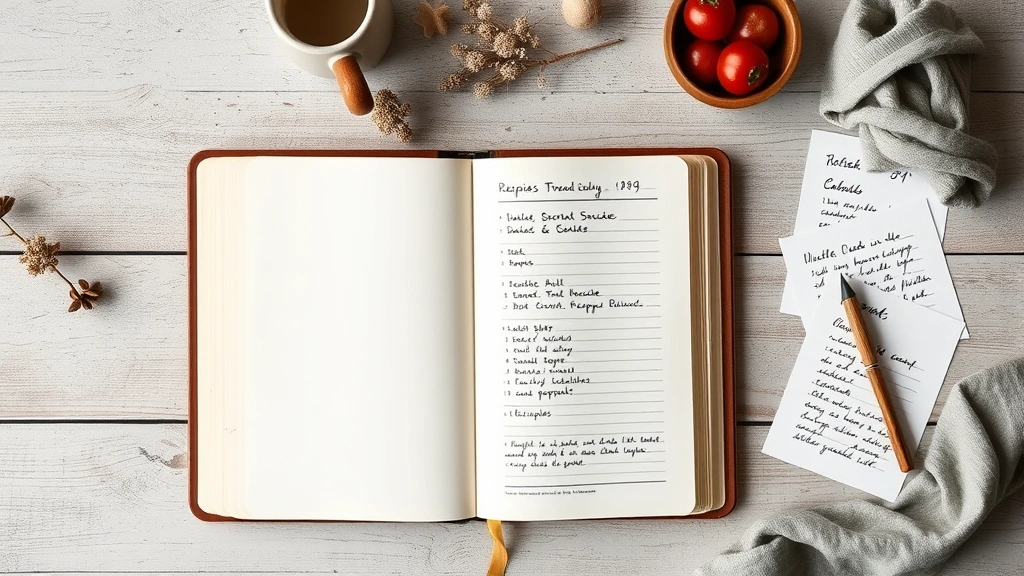
Creating your own blank recipe book is one of the most rewarding projects you can undertake in your kitchen journey. Whether you’re a seasoned home cook looking to organize your culinary creations or a beginner eager to document your cooking adventures, a personalized recipe collection becomes an invaluable treasure that tells your unique food story.
I’ve always believed that the best recipes aren’t just found in cookbooks—they’re lived, tested, and perfected in your own kitchen. A blank recipe book gives you the freedom to capture those moments: the afternoon you discovered your signature dish, the family recipe passed down through generations, or that restaurant meal you finally recreated successfully. It’s more than just a collection of instructions; it’s a memoir written in flavors and techniques.
Jump To Section
Why Your Personal Recipe Collection Matters
Think about it—how many times have you searched frantically through old emails, Pinterest boards, or scattered recipe cards trying to find that one dish you made months ago? A dedicated blank recipe book solves this problem entirely. By creating a centralized, organized collection, you’re building a reliable resource that’s always at your fingertips when inspiration strikes.
Moreover, having your recipes in one place makes meal planning infinitely easier. Instead of defaulting to the same five dishes, you can flip through your curated collection and rediscover forgotten favorites. Additionally, you’re creating something meaningful to pass down—imagine your children or grandchildren cooking from recipes in your handwriting, understanding not just the “how” but the “why” behind each dish.
The beauty of documenting your cooking is that you can include personal notes that cookbooks never capture. Why did you choose certain ingredients? What memory does this dish evoke? What adjustments worked better for your family’s taste? These details transform a simple recipe into a meaningful heirloom.
Getting Started: Choosing Your Format
The first decision is deciding whether you want a physical or digital blank recipe book. Physical notebooks offer charm and the tactile joy of writing by hand, plus they’re never dependent on batteries or internet connection. Digital formats, meanwhile, provide searchability, easy sharing with family, and the ability to add photos effortlessly.
If you’re going the physical route, choose a notebook that feels good to you—perhaps a three-ring binder for flexibility, a bound journal for permanence, or a recipe box with index cards for classic appeal. For digital versions, consider platforms like Google Docs, Notion, or specialized recipe apps that allow customization. The right format is simply whichever one you’ll actually use consistently.
However, many home cooks find that a hybrid approach works best. Keep a digital version for searching and meal planning, while maintaining a beautiful physical copy for kitchen reference and future generations. You could even create a stunning printed blank recipe book by taking your digital collection to a local printer.
Organizing Your Recipes Like a Pro
Organization is key to making your blank recipe book truly useful. The most common method is organizing by category: appetizers, soups, salads, main courses, side dishes, desserts, and beverages. This approach mirrors traditional cookbooks and makes finding recipes intuitive.
For instance, when you’re ready to serve dinner, you can quickly flip to your main courses section and review options. Similarly, if you’re planning a party, you can easily scan your appetizers. Consider adding an index at the front or back that lists recipes alphabetically—this becomes invaluable as your collection grows. You might also include a “Favorites” section for your most-requested dishes or a “Quick Weeknight Meals” category for busy evenings.
Some cooks prefer organizing by ingredient or cooking method instead. If you’re someone who shops seasonally, grouping recipes by season makes perfect sense. Others organize by cuisine type—Italian, Asian, Mexican, comfort food—which helps when you’re craving a specific flavor profile. The organizational system should match how your brain naturally thinks about food.
What to Include in Each Recipe Entry
Beyond just ingredients and instructions, your blank recipe book should capture comprehensive information. Start with the recipe title and a brief description—this headnote should explain what makes this dish special. Include prep time, cook time, and total time so you can quickly assess whether it fits your schedule.
List all ingredients with precise measurements, but also note any substitutions or variations that work well. This is where your personal kitchen wisdom shines. You might write “I use half the sugar and it’s still perfect” or “Almond flour works beautifully instead of regular flour.” These annotations transform a basic recipe into your personalized version.
The instructions should be clear and detailed, but written in your own voice—conversational rather than clinical. Include helpful tips throughout: when to taste for seasoning, how to know when something is cooked properly, or what to do if you don’t have a particular ingredient. Additionally, add storage instructions, reheating methods, and serving suggestions. These practical details often make the difference between a good dish and a perfect one.
Don’t forget to leave space for notes and ratings. After you make the recipe, jot down what worked, what didn’t, and your family’s reactions. Over time, these annotations become invaluable guides for future cooking. You might even want to track the date you made it, creating a delightful chronicle of your culinary adventures.
Incorporating Your Favorite Recipes
Start populating your blank recipe book with recipes you already love. If you have a cherished family recipe for easy vegetable beef soup, transcribe it carefully, adding your own improvements and memories. Look through your favorite cookbooks and magazines, clipping recipes that appeal to you and adapting them to fit your style.
The recipes you choose should reflect your cooking reality. If you’re a busy parent, prioritize quick weeknight meals. If you love entertaining, focus on impressive appetizers and main courses. If you follow specific dietary preferences, you might organize recipes that align with those choices. Your collection should be authentically you, not some idealized version of a cook you’re not.
As you build your collection, remember to include recipes at various skill levels. Perhaps you want a simple version of best pesto chicken pasta for weeknights and a more elaborate version for entertaining. Having options prevents your recipe book from feeling intimidating or irrelevant to different occasions.
Consider grouping recipes that work well together. You might note that your easy Italian dressing pasta salad pairs perfectly with grilled chicken, or that your tasty salad in a jar complements almost any main course. These cross-references help with meal planning and make your blank recipe book feel like a cohesive cooking resource rather than random recipes.
Making It Beautiful and Personal
Your blank recipe book should bring you joy every time you open it. If you’re keeping a physical version, consider adding photographs of finished dishes. Even simple phone photos capture the food’s appeal and help you remember how beautiful it looked. Personal touches like watercolor illustrations, decorative borders, or hand-lettered section dividers transform a practical tool into an heirloom-quality keepsake.
For digital versions, include photos alongside each recipe. Add colored fonts or formatting that makes scanning easy. Create a cover page that reflects your personality—perhaps with your name, cooking philosophy, or favorite food-related quote. The visual presentation encourages you to actually use your collection rather than letting it gather dust on a shelf.
Don’t be afraid to update and evolve your blank recipe book continuously. Cross out old notes when you discover better techniques. Add sticky notes with new ideas. Write in the margins about variations you want to try. Your recipe book should feel alive and dynamic, growing alongside your cooking skills and changing tastes.
Many cooks find that working on their recipe collection becomes a cherished ritual. Perhaps Sunday afternoon is when you transcribe a new recipe, test a variation, or reorganize your collection. This intentional time spent documenting your culinary journey deepens your connection to cooking itself.
Creating a blank recipe book isn’t just about convenience—it’s about honoring your unique relationship with food and cooking. Whether you’re documenting family heirlooms like your best taco spaghetti recipe or experimenting with new favorites like best Waldorf salad, you’re creating something meaningful that extends far beyond the kitchen. This collection becomes a reflection of who you are as a cook and the love you put into feeding yourself and others.
Ingredients
Instructions