
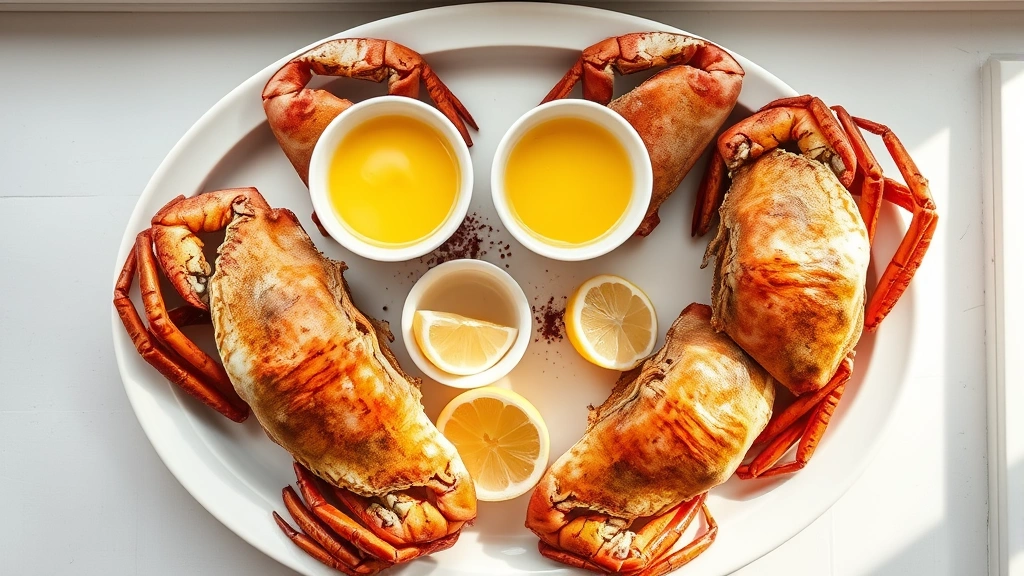
A blue crab recipe is one of those dishes that instantly transports you to a coastal summer evening, where the sun is setting over the water and all that matters is the sweet, tender meat you’re about to enjoy. There’s something magical about preparing fresh blue crabs at home—it’s not just cooking, it’s an experience that celebrates the ocean’s bounty in its purest form.
I grew up watching my grandmother prepare blue crabs with the kind of ease that only comes from doing something a thousand times. She’d always say that the secret wasn’t complicated techniques or fancy ingredients—it was respecting the crab itself and letting its natural sweetness shine through. That philosophy has stayed with me through all these years of cooking and recipe development.
Jump To Section
Whether you’re planning a special dinner party or a casual weeknight meal, this blue crab recipe delivers restaurant-quality results every single time. The beauty of cooking with blue crabs is their versatility. You can steam them simply with Old Bay seasoning, create an elegant crab pasta, or turn them into a luxurious crab cake that’ll have everyone asking for seconds.
Why This Recipe Works
The magic of this blue crab recipe lies in its simplicity and respect for the ingredient. Blue crabs have naturally sweet, delicate meat that doesn’t need much to shine—just proper cooking technique and quality seasonings. When you steam them at the right temperature for the right amount of time, the meat stays tender and juicy rather than becoming rubbery and tough.
Additionally, this method preserves all those beautiful briny flavors that make blue crabs so special. The steam penetrates evenly, cooking the meat throughout without drying it out or making it mushy. You’ll notice the difference immediately when you crack open your first crab—the texture will be perfectly firm yet succulent, and the flavor will be incredibly sweet.
For instance, many home cooks boil their crabs instead of steaming them. However, boiling can sometimes make the meat watery since the crabs absorb too much liquid. Steaming keeps the moisture controlled while ensuring even cooking from all sides. Meanwhile, the Old Bay seasoning becomes infused into the meat itself, creating that classic Chesapeake Bay flavor profile everyone loves.
Ingredient Tips & Substitutions
Live blue crabs are absolutely essential for this recipe—they must be alive when you cook them. When selecting your crabs at the market, look for ones that are active and feisty. The heavier they feel, the more meat they’ll have inside. Avoid any crabs with missing legs or claws, as they may have been dead or stressed.
Old Bay seasoning is the traditional choice for this blue crab recipe, and honestly, there’s a reason it’s been the gold standard since 1939. It’s a perfectly balanced blend of celery salt, spices, and paprika that complements the sweet crab meat beautifully. If you can’t find it or prefer something different, you can make your own blend using paprika, celery salt, cayenne pepper, mustard powder, and black pepper.
The vinegar in the steaming liquid is crucial—it helps break down the crab’s shell slightly and allows the seasonings to penetrate more effectively. White vinegar works perfectly, though some cooks prefer apple cider vinegar for a slightly different flavor note. You could also add beer to your steaming liquid for a richer, more complex taste that pairs wonderfully with the sweet crab meat.
For your steaming setup, you’ll need a large stockpot with a steamer rack or basket. If you don’t have a proper steamer rack, you can fashion one using aluminum foil balls to create a platform that keeps the crabs above the liquid. The key is ensuring proper steam circulation around all the crabs.
Serving Suggestions
The most traditional way to enjoy blue crabs is to simply crack them open, dip the meat in melted butter with a squeeze of lemon, and savor every bite. There’s no need to complicate things—the crab itself is the star. Serve with crusty bread to soak up any butter and juices.
However, if you’re looking for more elaborate presentations, consider pairing your steamed blue crabs with sides like best Caesar salad recipe or a fresh tasty Mediterranean salad recipe. These lighter options balance the richness of the crab beautifully.
For something more indulgent, shred the crab meat and use it in elegant dishes like best scallops and pasta recipe or create a luxurious crab pasta similar to best scallop pasta recipe. You could also make crab cakes, add the meat to best shrimp salad recipe variations, or incorporate it into a creamy crab dip.
Don’t forget about the shell and legs—they’re liquid gold for making stock. Save them to create a rich, flavorful seafood broth that you can use in soups, risottos, or as a base for elegant sauces.
Cooking Tips & Techniques
The timing is absolutely critical when preparing this blue crab recipe. Overcooking is the enemy—it’s the main reason people end up with tough, stringy meat. A good rule of thumb is 20-25 minutes for medium crabs from the moment the steam starts flowing. Larger crabs may need an extra 5 minutes, while smaller ones might be done a minute or two earlier.
Temperature matters too. You want a vigorous steam, not just barely simmering water. This ensures consistent cooking throughout the crab. Listen for that steady hissing sound—that’s how you know you’ve got the right steam level going.
Some experienced cooks like to chill their crabs in the freezer for 15 minutes before steaming. This doesn’t harm them; it simply makes them less active, which some people find more comfortable. It’s entirely a personal choice.
After steaming, let the crabs rest for a few minutes before cracking into them. This allows the meat to firm up slightly and makes extracting it easier. Serve while still warm—cold crab meat is nice, but warm crab meat with melted butter is pure heaven.
Storage & Make-Ahead Advice
Cooked blue crabs keep beautifully in the refrigerator for up to 4 days in an airtight container. If you’ve already picked the meat from the shell, store it separately in a covered container with a damp paper towel to keep it moist. The shells are perfect for making that seafood stock we mentioned earlier.
You can freeze cooked crab meat for up to 3 months, though the texture may become slightly softer upon thawing. For best results, freeze it in an airtight container or vacuum-sealed bag. Thaw in the refrigerator overnight before using.
Live crabs should be cooked within 24 hours of purchase, ideally the same day. If you must store them overnight, keep them in the coldest part of your refrigerator in a breathable container—they need air circulation to stay alive. Don’t store them in freshwater or sealed plastic bags, as they’ll suffocate.
This blue crab recipe is perfect for entertaining because you can do much of the prep work ahead. Set your table, prepare your dipping sauces, and chill your side dishes hours in advance. The actual cooking takes just 20-25 minutes, so you can time it perfectly for serving.
For more seafood inspiration, check out resources like Serious Eats seafood section and New York Times Cooking for additional crab preparations. You might also explore Bon Appétit’s crab recipes for creative variations on this classic.
This blue crab recipe is more than just instructions—it’s an invitation to slow down and savor something special. Whether you’re cooking for a crowd or just treating yourself, these beautiful crustaceans deserve your attention and respect. The reward? Some of the most delicious, sweet, succulent seafood you’ll ever taste.
Ingredients
- 8 live blue crabs (about 5-6 ounces each)
- 2 cups water
- 1 cup white vinegar
- 4 tablespoons Old Bay seasoning, divided
- 2 tablespoons kosher salt
- 1 tablespoon black peppercorns
- 4 bay leaves
- 6 tablespoons unsalted butter, melted
- 2 lemons, cut into wedges
- Fresh parsley for garnish (optional)
Instructions
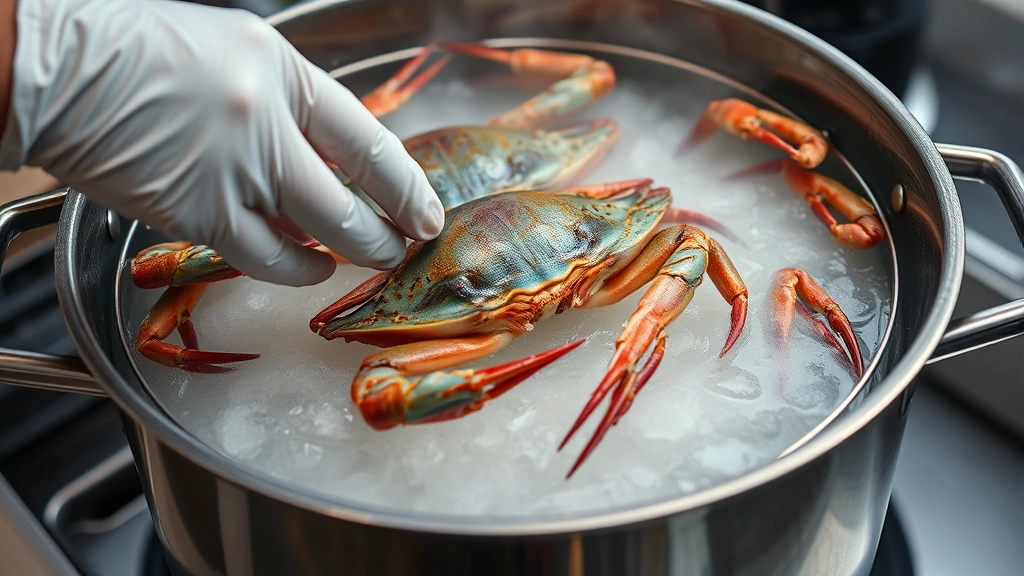
- Fill a large stockpot with 2 cups of water and 1 cup of white vinegar. Add 2 tablespoons of Old Bay seasoning, kosher salt, peppercorns, and bay leaves to the liquid.
- Place a steamer rack or basket into the pot, making sure it sits above the liquid level. Bring the liquid to a rolling boil over high heat.
- While waiting for the liquid to boil, rinse your live blue crabs under cold running water and gently scrub them with a brush to remove any debris. Pat them dry with paper towels.
- Once the steam is flowing vigorously, carefully arrange the crabs on the steamer rack in a single layer. If needed, stack them loosely, but avoid packing them too tightly.
- Sprinkle the remaining 2 tablespoons of Old Bay seasoning evenly over all the crabs.
- Cover the pot with a tight-fitting lid and maintain a steady, vigorous steam. You should hear a constant hissing sound indicating proper steam circulation.
- Steam the crabs for 20-25 minutes, depending on their size. Medium crabs typically need about 22-23 minutes. The shells will turn bright orange-red when fully cooked.
- Carefully remove the steamer rack or transfer the crabs to a large serving platter using tongs or a slotted spoon. Be careful as they’ll be very hot.
- Let the cooked crabs rest for 3-5 minutes before serving. This allows the meat to firm up slightly and makes extraction easier.
- Serve the warm crabs with small bowls of melted butter, fresh lemon wedges, and additional Old Bay seasoning on the side for dipping. Provide crab crackers, small forks, and plenty of napkins for guests.
- To eat, crack open the shell, extract the sweet meat, and dip each piece in melted butter with a squeeze of fresh lemon juice.
Pro Tips
Selecting the perfect crabs is your first step to success with this blue crab recipe. Look for crabs that are heavy for their size and actively moving their legs and claws. The males (identified by a T-shaped apron on their belly) tend to have larger claws and slightly less meat, while females (with a wider, rounded apron) have more body meat. Both are delicious—it’s simply a matter of preference.
The ratio of water to vinegar in your steaming liquid is important. The vinegar helps soften the shell slightly and allows the seasonings to penetrate more deeply into the meat. However, you don’t want the vinegar smell to overpower the delicate crab flavor. This balanced approach gives you the best of both worlds.
If you can’t find fresh blue crabs, frozen crabs work as an acceptable alternative, though they won’t have quite the same texture or flavor. Thaw them completely in the refrigerator before steaming, and reduce the cooking time by about 2-3 minutes since they’re already partially cooked during the freezing process.
For a flavor variation, try adding 2-3 crushed garlic cloves, fresh thyme sprigs, or even a splash of beer to your steaming liquid. These additions create subtle flavor notes without overwhelming the natural sweetness of the crab. Meanwhile, some cooks prefer to add a splash of hot sauce to the butter for dipping, creating a spicy twist on the classic preparation.
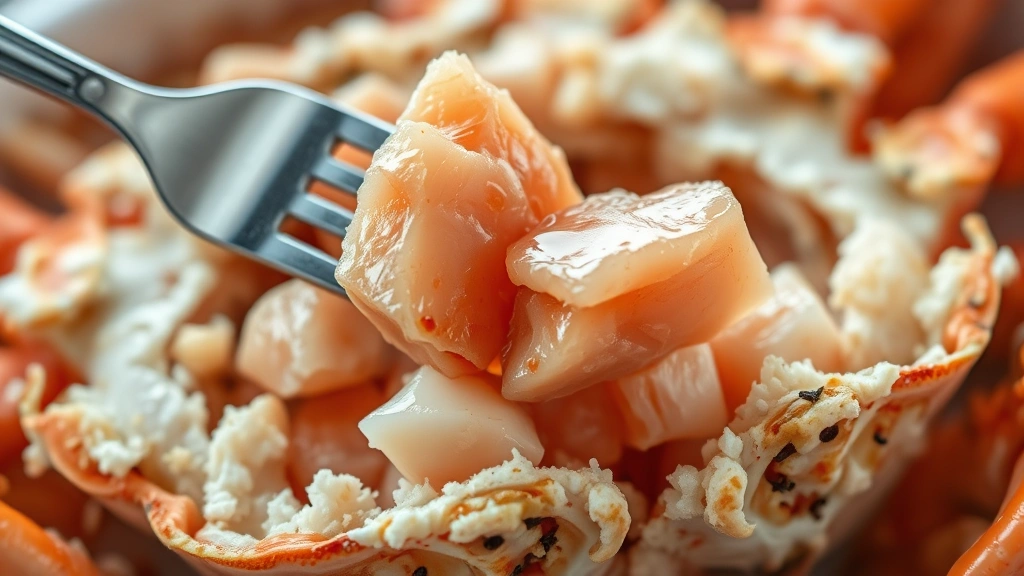
When extracting the meat after cooking, work methodically to get the maximum yield. Start by removing the claws and legs, which contain some of the sweetest meat. Then remove the body from the shell, rinse it, and carefully extract the meat from all the chambers. This blue crab recipe’s meat extraction is actually therapeutic—many people find it meditative and relaxing.
Don’t discard those empty shells! They’re incredibly valuable for making seafood stock. Simply boil them with aromatic vegetables like onion, celery, and carrot to create a rich, flavorful broth that’s perfect for soups, risottos, or pan sauces. This makes your blue crab recipe even more economical and sustainable.
Storage is straightforward but important. Cooked crab meat should be refrigerated within two hours of cooking and will keep for up to four days. If you’re picking the meat ahead of time, store it in an airtight container with a damp paper towel to maintain moisture. For longer storage, freeze the meat in an airtight container or vacuum-sealed bag for up to three months.
This blue crab recipe is inherently special because it celebrates the ingredient rather than masking it. The minimal seasoning and simple preparation method allow the crab’s natural briny sweetness to be the star of the show. That’s the hallmark of truly great cooking—knowing when to step back and let quality ingredients speak for themselves.