
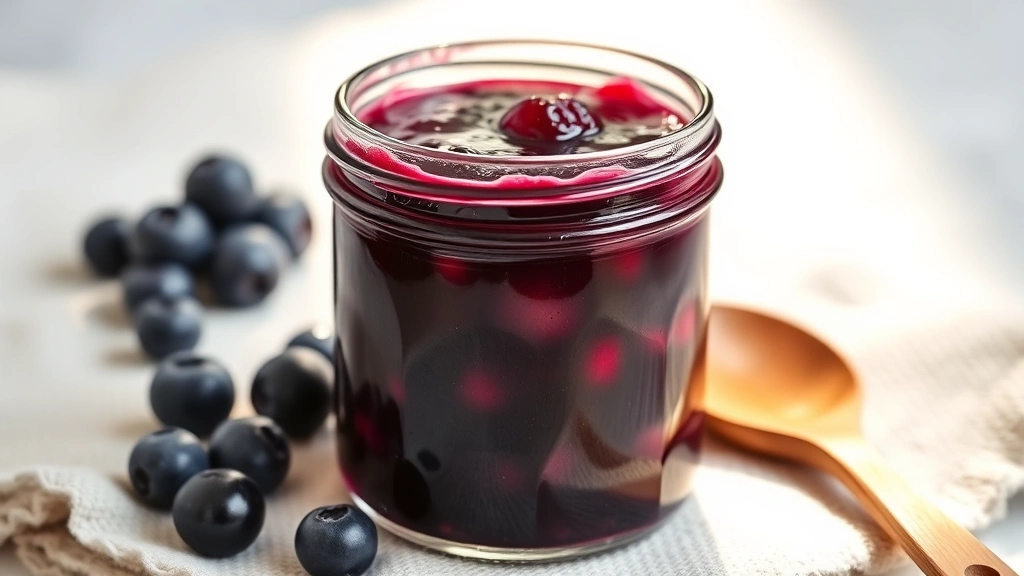
A blueberry compote recipe is one of those magical kitchen creations that transforms simple fruit into liquid gold—the kind of topping that makes everything it touches instantly better. Whether you’re spooning it over fluffy pancakes, swirling it into yogurt, or layering it into a cheesecake, this gorgeous jewel-toned sauce brings brightness and elegance to any plate.
I first fell in love with homemade compote years ago when a friend brought a jar to brunch. The difference between that and the store-bought version was night and day—fresh, vibrant, and tasting like actual blueberries instead of sugar with a hint of berry flavor. Since then, I’ve made it countless times, tweaking and perfecting until I landed on this foolproof method that delivers consistently stunning results every single time.
Jump To Section
Why This Recipe Works
The beauty of this blueberry compote recipe lies in its simplicity. You’re working with just a handful of ingredients, yet the technique creates something that tastes restaurant-quality. Fresh blueberries break down naturally as they cook, releasing their juices and creating that perfect thick-but-spreadable consistency without needing cornstarch or complicated thickeners.
The key is understanding the difference between a compote and a jam. Compote stays chunky with visible fruit pieces, while jam becomes smooth and spreadable. This recipe hits that sweet spot in the middle—you’ll have some texture from whole berries while the cooking process softens everything into a luscious sauce. Additionally, the cooking time is incredibly forgiving; even if you go a few minutes longer, you’ll still end up with something delicious.
One thing I love about making compote at home is the control you have over sweetness and consistency. Some recipes call for cups of sugar, but this one lets the natural fruit flavor shine. You can adjust the sugar based on how sweet your blueberries are—summer berries often need less than early-season ones.
Ingredient Tips & Substitutions
Fresh blueberries are ideal, but frozen ones work beautifully too—in fact, many frozen berries are picked at peak ripeness and flash-frozen immediately, making them just as flavorful as fresh. Simply thaw them first and drain any excess liquid before cooking. The berries will release plenty of their own juice as they cook, creating that gorgeous syrupy base.
For the lemon juice, fresh is always better than bottled, but in a pinch, bottled works fine. The lemon brightens the blueberry flavor and adds complexity that makes people wonder what your secret ingredient is. However, you can substitute it with a splash of vanilla extract or even a touch of cinnamon if you prefer—this is your kitchen, after all.
Meanwhile, regarding sugar, I use regular granulated sugar, but you could experiment with honey, maple syrup, or coconut sugar. Just know that different sweeteners will change the flavor profile slightly. For instance, honey adds a floral note that’s particularly lovely with blueberries. Start with less sweetener than you think you need; you can always add more, but you can’t take it out.
Some people add a pinch of cinnamon, nutmeg, or cardamom for depth. Others love a vanilla bean or a strip of fresh ginger. This is where you make the recipe your own and create something that feels special to your kitchen.
Serving Suggestions & Pairings
The versatility of blueberry compote is honestly its superpower. Spoon it over creamy yogurt for a quick breakfast that feels indulgent. Swirl it into vanilla ice cream for an instant gourmet dessert that requires zero additional effort.
It’s stunning on top of cheesecake, layered into panna cotta, or drizzled over a simple vanilla panna cotta. Use it to top fresh breakfast dishes or mix it into oatmeal. You can even serve it alongside summer salads as an unexpected sweet-tart element, or spoon it onto a cheese board as an elegant accompaniment to aged cheddar or creamy brie.
Pastry chefs love using compote as a filling for tarts, donuts, and hand pies. For everyday moments, it elevates simple pound cake or shortbread cookies into something that feels restaurant-worthy. The possibilities really are endless once you have a jar in your fridge.
Storage & Reheating
This compote keeps beautifully in the refrigerator for up to two weeks in an airtight container, making it perfect for meal prep or entertaining. The flavors actually deepen slightly as it sits, so don’t hesitate to make it a few days ahead. The thick consistency will firm up as it cools, which is exactly what you want.
For longer storage, freeze it in ice cube trays for up to three months, then pop the cubes into freezer bags. This way you always have single portions ready to thaw and use. Additionally, you can process the compote through a food mill or blender if you prefer a smoother consistency, though I love leaving it chunky.
If your compote becomes too thick (which can happen if you cook it longer than anticipated), simply stir in a splash of water or lemon juice to loosen it. If it’s too thin, pop it back on the stove for another few minutes. The beauty of homemade cooking is that these adjustments are totally doable and forgiving.
Making It Your Own
What makes this blueberry compote recipe so special is how adaptable it is to your preferences. Some days I make it barely sweetened and syrupy; other times I cook it longer for a thicker jam-like consistency. Trust your instincts and remember that homemade is always better than store-bought, no matter the exact outcome.
The process is almost meditative—watching the berries soften, stirring occasionally, and smelling that gorgeous fruity aroma filling your kitchen. According to Serious Eats food science experts, the natural pectin in blueberries contributes to the thickening process, which is why this recipe needs no added gelling agents.
Once you master this basic technique, you’ll find yourself making it constantly. It’s the kind of recipe that becomes a staple in your kitchen—the one you make when friends visit, when you want to use up fruit before it goes bad, or simply when you crave something homemade and delicious. Try pairing it with fresh seasonal sides or elegant salads for a complete meal experience.
For inspiration on how professional chefs approach fruit compotes, Bon Appétit has excellent technique guides that showcase advanced variations. Meanwhile, New York Times Cooking features seasonal blueberry preparations that might spark new ideas for using your finished compote.
This is comfort food elevated to an art form—simple, honest, and absolutely delicious. Make a batch this week and watch how it transforms everything it touches into something special.
Ingredients
- 4 cups fresh blueberries (or frozen, thawed)
- 1/3 cup granulated sugar
- 2 tablespoons fresh lemon juice
- 1 tablespoon lemon zest
- Pinch of sea salt
Instructions
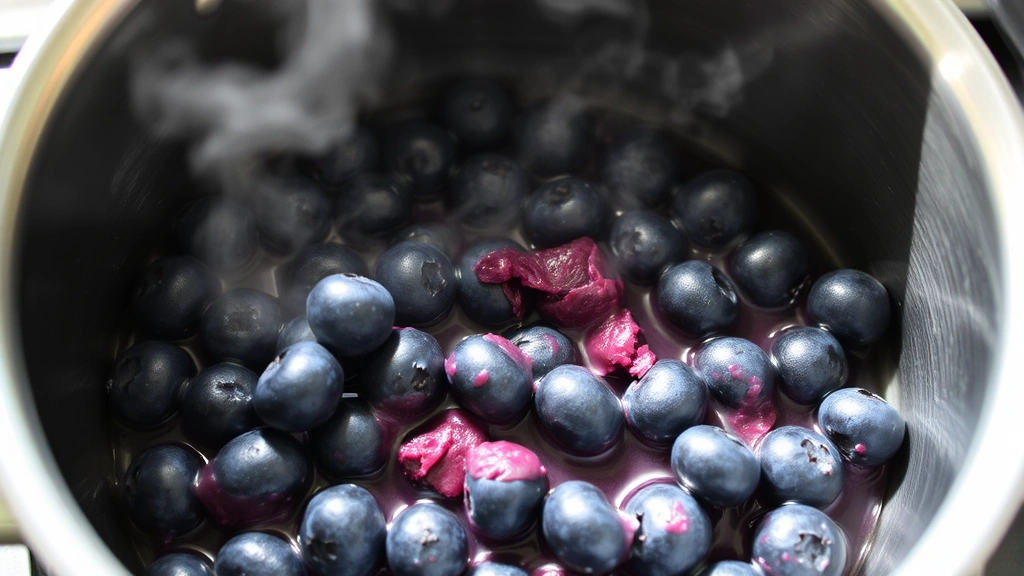
- Add blueberries and sugar to a medium saucepan over medium heat, stirring gently to combine. Let the mixture sit for a minute or two so the berries start releasing their juices.
- Increase heat to medium-high and bring the mixture to a gentle simmer, stirring occasionally. You’ll see the berries begin to break down and release their beautiful purple liquid within 2-3 minutes.
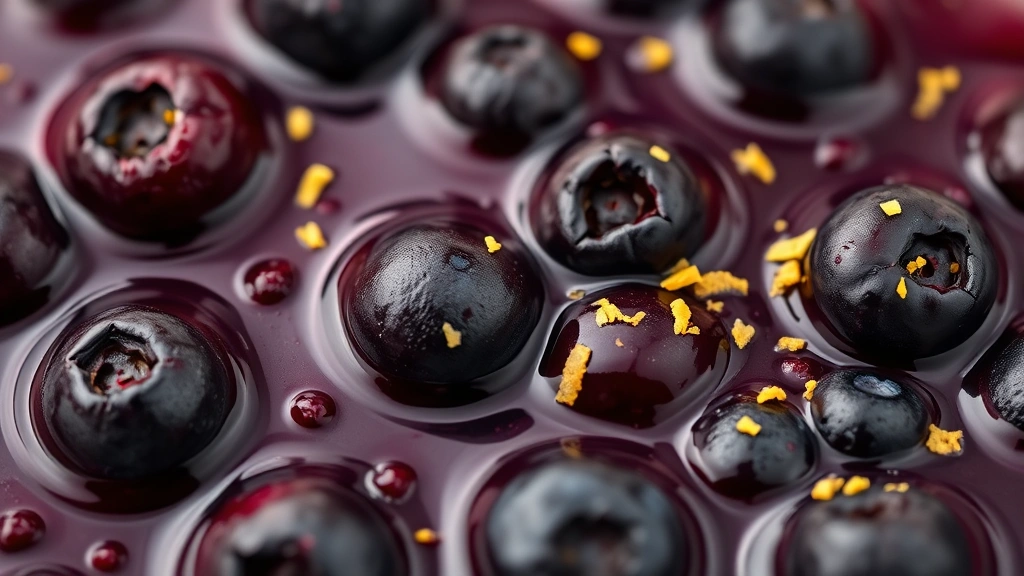
- Add lemon juice and lemon zest, stirring to incorporate. The lemon brightens the blueberry flavor and adds complexity that makes this taste extra special.
- Continue cooking for 10-12 minutes, stirring occasionally and gently mashing some of the berries against the side of the pan with a wooden spoon. You want some whole berries remaining for texture, but enough broken down berries to create a thick, syrupy sauce.
- The compote is ready when it coats the back of a spoon and holds its shape briefly before slowly running down. Remove from heat, stir in the sea salt, and let cool completely before transferring to an airtight container. It will thicken further as it cools.
Pro Tips
The exact cooking time depends on your berries and how thick you like your compote. Start checking at 10 minutes—you’re looking for a consistency that’s thicker than syrup but still pourable. If it’s too thin, cook it a bit longer; if it’s too thick, add a splash of water.
Fresh blueberries are ideal, but frozen ones work beautifully and often have equally vibrant flavor. Thaw them completely and drain excess liquid before starting. This way you control the consistency better than if you add the liquid from thawing.
For a smoother compote, pass it through a fine-mesh strainer after cooking, pressing gently with the back of a spoon. However, I prefer leaving it chunky with visible berries—it’s more rustic and homemade-looking.
Storage is simple: keep it in an airtight container in the refrigerator for up to two weeks. For longer storage, freeze in ice cube trays for up to three months. Additionally, you can can this compote using standard canning methods if you want shelf-stable jars to give as gifts.
The sugar amount is flexible based on your berries and preference. Taste as you go and adjust sweetness accordingly. Some people prefer a less-sweet version that lets the blueberry flavor dominate, while others love a more dessert-like sweetness. Both are equally valid.
Try adding a splash of vanilla extract, a pinch of cinnamon, or a small piece of fresh ginger for different flavor profiles. These additions complement blueberries beautifully without overwhelming them. Experiment and find your perfect version.