
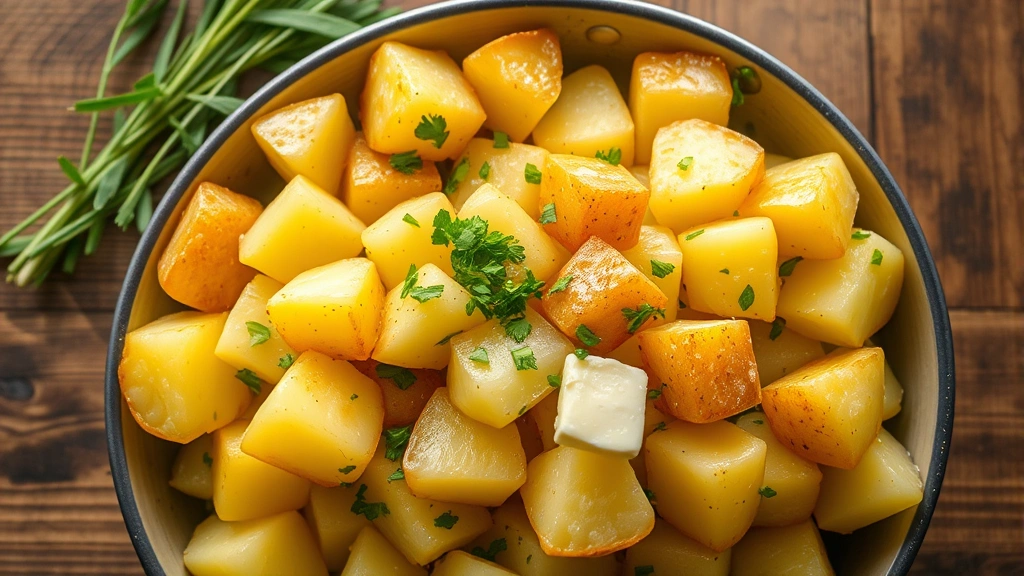
Boiled potato recipes are some of the most versatile and comforting dishes you can make in your kitchen. Whether you’re looking for a quick weeknight dinner or preparing potatoes as a base for something more elaborate, knowing how to boil potatoes perfectly opens up a world of delicious possibilities. The beauty of these recipes lies in their simplicity—just a few quality ingredients and you’ve got something truly satisfying.
I grew up watching my grandmother boil potatoes for nearly everything. She’d say that the secret wasn’t fancy techniques or exotic ingredients, but rather respect for the ingredient itself. A perfectly boiled potato has this creamy interior with just enough resistance when you bite into it. That’s the foundation for so many incredible dishes.
Jump To Section
Why Boiled Potatoes Are Kitchen Gold
Boiled potatoes serve as the perfect starting point for countless meals. They’re naturally gluten-free, budget-friendly, and packed with nutrients like potassium and vitamin C. Plus, they come together in under 20 minutes, making them ideal for busy weeknights when you need dinner on the table fast.
What makes boiled potato recipes especially appealing is their incredible adaptability. Toss them with butter and fresh herbs for a simple side dish, or transform them into best potato taco recipe creations that’ll have everyone asking for seconds. You can mash them, slice them, dice them—the options are genuinely endless.
Beyond just side dishes, boiled potatoes become the backbone of hearty soups and stews. Imagine a bowl of best olive garden zuppa toscana recipe with tender potatoes, or a warming easy vegetable beef soup recipe that comes together beautifully. These boiled potato dishes are exactly what you crave when the weather turns cool.
Choosing the Right Potatoes
Not all potatoes are created equal, and choosing the right variety matters more than you might think. Waxy potatoes like Red Bliss, Yukon Gold, or fingerlings hold their shape beautifully when boiled, making them perfect for potato salads and side dishes. Their lower starch content means they won’t fall apart or become mealy.
Starchy potatoes like Russets, meanwhile, are your best bet for mashing or creating creamier preparations. They absorb flavors beautifully and break down slightly, giving you that fluffy, cloud-like texture. However, if you’re making something where you need the potato to stay intact, stick with the waxy varieties.
Size matters too—try to choose potatoes that are relatively uniform so they cook at the same rate. If you’re working with varying sizes, cut the larger ones into chunks to match the smaller ones. This simple step ensures every piece reaches that perfect tender texture simultaneously.
Mastering the Boiling Process
The basic method is straightforward, but a few tricks transform good boiled potatoes into exceptional ones. Start by placing your potatoes in cold water with a generous pinch of salt—this allows the potatoes to heat gradually and cook evenly throughout. Never start with boiling water, as this can leave the outside mushy while the inside stays firm.
Bring the water to a rolling boil, then reduce heat to a gentle simmer. You want a steady, calm boil rather than a vigorous one that tosses your potatoes around. This prevents them from breaking apart. Depending on size, most potatoes will be done in 15-20 minutes. The easiest test? Pierce one with a fork—it should slide through with just a tiny bit of resistance.
Additionally, don’t overcrowd your pot. The potatoes need room for water to circulate around them. If you’re cooking a large batch, work in two batches rather than cramming them all together. This might seem like extra work, but you’ll notice the difference in texture and evenness of cooking.
Once cooked, drain immediately and let them steam for a minute in the hot pot. This helps evaporate excess moisture. For most applications, you can then proceed with your recipe. Some cooks prefer to let them cool slightly before using, depending on what comes next.
Ten Delicious Applications
Classic potato salad is perhaps the most beloved boiled potato dish. Toss warm potatoes with a light vinaigrette, fresh dill, crispy bacon, and a touch of mayo. The warm potatoes absorb the vinegar beautifully, creating something far superior to cold potato salad made with chilled potatoes.
For something with more spice and flavor, try creating best taco rice recipe variations with boiled potatoes diced small and mixed with seasoned ground beef or turkey. The potatoes soak up all those wonderful spices and create something uniquely satisfying.
Buttered new potatoes with fresh herbs represent comfort in its purest form. Simply boil small potatoes until tender, then toss with good butter, fresh parsley, chives, and a grind of black pepper. Sometimes the simplest preparations are the most memorable.
Creamy potato soup becomes incredibly silky when you start with perfectly boiled potatoes. Mash some and leave others in chunks for texture. Add cream, bacon, cheddar cheese, and you’ve got something restaurant-worthy in under 30 minutes total.
Boiled potatoes make incredible additions to grain bowls and Buddha bowls. Cube them, roast them briefly with a little oil if you prefer crispy edges, then layer with greens, vegetables, a protein, and your favorite dressing. They provide substance and heartiness to otherwise light meals.
For brunch, boiled potatoes become the base for hash. Dice them finely, cook with onions and bell peppers until the edges are crispy and golden, then top with a fried egg. Serve alongside best Mexican cucumber salad recipe for a bright, refreshing contrast.
Loaded potato skins start with boiled potatoes that you halve and stuff with cheese, bacon, sour cream, and chives. While technically you’d broil them after, the boiling step ensures the potato itself is perfectly cooked and tender underneath all those toppings.
Mashed potatoes made from boiled potatoes are incomparably fluffy. Boil your potatoes, then mash with warm milk, butter, salt, and pepper. The potatoes absorb the warm liquid beautifully, creating something creamy without being heavy.
Boiled potatoes work wonderfully in delicious pinto bean soup recipe creations, adding substance and heartiness. Their mild flavor complements beans beautifully without overpowering other ingredients.
Finally, potato and vegetable curries rely on boiled potatoes for their base. The starchy potato absorbs the aromatic spices and creates a dish that’s warming, satisfying, and completely different from Western potato preparations.
Storage, Reheating & Make-Ahead Tips
Boiled potatoes keep beautifully in the refrigerator for up to five days when stored in an airtight container. This makes them excellent for meal prep. You can boil a big batch on Sunday and use them throughout the week in different preparations. Just store them covered to prevent them from absorbing odors from other foods.
For reheating, you have several options depending on how you plan to use them. If you’re making a warm dish, simply add them directly to your recipe—they’ll warm through as everything cooks together. For serving as a side dish, a quick steam or gentle warm-up in a skillet with a little butter works beautifully.
You can even freeze boiled potatoes for up to three months, though the texture becomes slightly softer upon thawing. They work best in soups, stews, and curries after freezing. Avoid freezing potatoes you plan to serve as a simple side dish, as the texture won’t be quite right.
Make-ahead tip: boil your potatoes the night before and store them in the refrigerator. In the morning or whenever you’re ready to cook, they’re right there waiting. This single step can save you significant time during busy weeknights when cooking needs to happen fast.
For external inspiration, check out serious eats potato techniques, explore New York Times cooking methods, and discover Bon Appétit potato inspiration for even more creative ideas beyond the basics.
Whether you’re a beginner cook or someone with years of kitchen experience, boiled potato recipes deserve a permanent spot in your rotation. They’re economical, nutritious, and endlessly adaptable. Most importantly, they remind us that sometimes the simplest foods, prepared with care and quality ingredients, are exactly what we need.
Ingredients
- 2 pounds boiling potatoes (such as Yukon Gold, Red Bliss, or fingerlings)
- Water (enough to cover potatoes by 2 inches)
- 2 teaspoons kosher salt (plus more for seasoning)
- 3 tablespoons unsalted butter
- 2 tablespoons fresh parsley, finely chopped
- 1 tablespoon fresh chives, finely chopped
- Black pepper to taste
- Fresh lemon juice (optional, about 1 tablespoon)

Instructions
- Cut potatoes into uniform 2-inch chunks if using larger potatoes; leave smaller potatoes whole. This ensures even cooking throughout.
- Place potatoes in a large pot and cover with cold water by about 2 inches. Add 2 teaspoons of kosher salt to the water.
- Bring the water to a boil over medium-high heat, then immediately reduce heat to medium and maintain a gentle simmer.
- Cook for 15-20 minutes, depending on potato size, until potatoes are fork-tender. A fork should pierce the center with minimal resistance.
- Drain potatoes in a colander and return them to the warm pot. Let them sit uncovered for 1-2 minutes to evaporate excess moisture.
- Add butter, fresh parsley, and chives to the warm potatoes and gently toss to coat evenly.
- Season with additional salt and black pepper to taste. Add fresh lemon juice if desired for brightness.
- Transfer to a serving dish and enjoy immediately while warm, or use potatoes as the base for any of the variations mentioned in the headnote.

Pro Tips
Choosing the right potato variety makes a significant difference in your final dish. Waxy potatoes like Yukon Gold hold their shape beautifully and won’t break apart during boiling. These are ideal if you want distinct potato pieces in your finished dish.
For perfectly creamy results, use starchy potatoes like Russets if you’re planning to mash them. The higher starch content breaks down slightly during cooking, creating that fluffy texture everyone loves in mashed potatoes.
The salt in the boiling water is essential—it seasons the potatoes throughout rather than just on the surface. Don’t skip this step, as it makes a noticeable difference in flavor. Use kosher salt rather than table salt, which can make the potatoes taste overly salty.
Never start potatoes in boiling water. Beginning with cold water allows them to heat gradually, ensuring they cook evenly all the way through. This prevents a mushy exterior with a firm, undercooked center.
If you prefer your potatoes with crispy edges, transfer drained potatoes to a hot skillet with a little butter or oil and cook for 2-3 minutes per side until golden. This adds wonderful texture variation to simple boiled potatoes.
Storage is wonderfully straightforward—keep boiled potatoes in an airtight container in the refrigerator for up to five days. They reheat beautifully in soups, stews, or grain bowls. Avoid the freezer unless you’re planning to use them in cooked dishes, as frozen-then-thawed potatoes lose their firm texture.
For meal prep, boil a large batch on Sunday and use throughout the week in different applications. You might have them as a simple side one night, then transform them into potato salad the next day and hash the day after. This versatility makes them invaluable for busy home cooks.
Substitution note: fresh herbs can be swapped freely based on what you have available. Dill, tarragon, basil, or rosemary all work beautifully. Similarly, if you don’t have fresh herbs, dried herbs work—just use about one-third the amount since their flavor is more concentrated.