
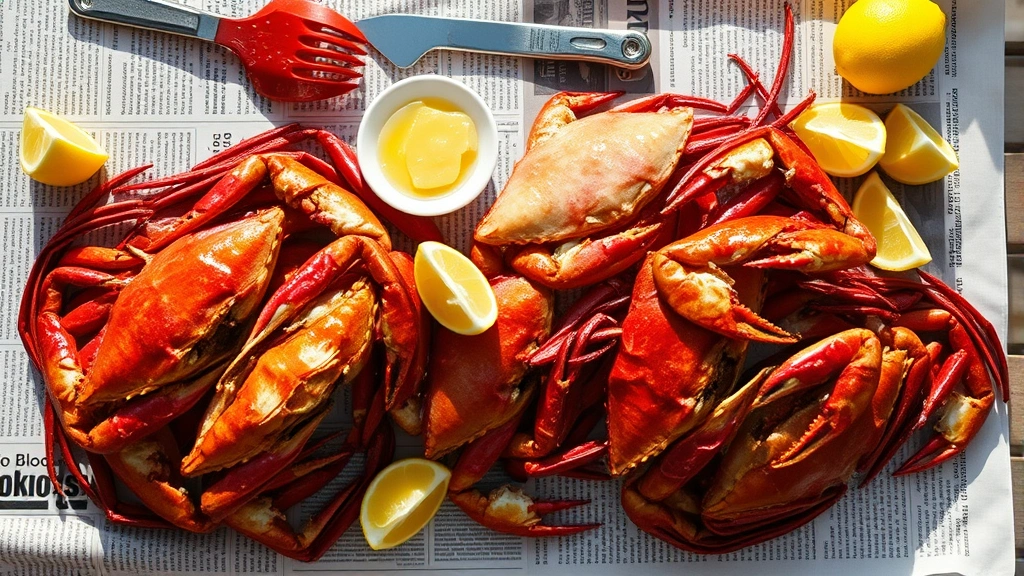
A boiling crab recipe is the ultimate way to bring the vibrant flavors of Louisiana straight to your dinner table. There’s something absolutely magical about cracking into freshly boiled crab legs, watching the steam rise, and tasting that perfect blend of Old Bay seasoning, garlic, and butter. Whether you’re planning a casual weeknight dinner or an impressive gathering with friends, this guide will walk you through everything you need to know to achieve Cajun perfection.
I still remember the first time I attempted to boil crab at home—I was nervous, honestly. Would it taste as good as the restaurants? Would I mess it up? But here’s the thing: boiling crab is incredibly forgiving and surprisingly simple once you understand the fundamentals. The magic isn’t in complicated techniques; it’s in quality ingredients, proper timing, and a little patience. After making this recipe dozens of times, I’ve learned exactly what separates mediocre boiled crab from the kind that has everyone at the table reaching for seconds.
Jump To Section
Why This Recipe Works
The beauty of a boiling crab recipe lies in its simplicity and reliability. You’re essentially infusing the crab with flavor through a seasoned broth rather than masking its natural sweetness. The Old Bay seasoning is the star here—it’s been the gold standard for seafood seasoning since 1939, and for good reason. Additionally, the combination of garlic, lemon, and beer creates a complex flavor profile that enhances rather than overwhelms the delicate meat inside those shells.
What makes this approach different from boiling plain water is the aromatics. When you add whole garlic cloves, bay leaves, and fresh lemon to your pot, you’re creating an aromatic steam that permeates every inch of the crab. The beer adds a subtle depth and helps tenderize the meat. For instance, many professional Cajun restaurants use similar techniques, and now you can too. The result? Tender, flavorful crab that tastes like it came straight from a New Orleans seafood house.
Ingredient Tips & Substitutions
Let’s talk about selecting your crabs first. Live crabs are always your best option—they should be active and responsive. Look for crabs that are heavy for their size, which indicates plenty of meat inside. If live crabs aren’t available, frozen ones work perfectly fine; just thaw them completely before boiling. The size matters too: medium to large blue crabs typically take about 20-25 minutes to cook, while larger ones may need a few extra minutes.
Old Bay seasoning is truly non-negotiable in this boiling crab recipe, but you can adjust the amount based on your heat preference. Some folks like it spicy; others prefer a gentler touch. I typically use 3-4 tablespoons per gallon of water as my baseline. However, if you want to customize, try adding extra cayenne pepper for heat or more paprika for smokiness. Meanwhile, the beer is flexible too—a light lager works beautifully, but you could substitute with additional chicken broth if you prefer an alcohol-free version.
The aromatics are where you can get creative. Fresh lemon is ideal, but lime works wonderfully and adds a brighter note. Garlic is essential, but whether you use whole cloves or smashed heads is entirely up to you. For a spicy kick, consider adding fresh jalapeños or Thai chilis. Some cooks swear by adding a splash of apple cider vinegar or Worcestershire sauce for complexity. The beauty is that this base recipe is flexible enough to accommodate your preferences while maintaining its Cajun character.
Serving Suggestions
Once your crabs are done, presentation and accompaniments matter just as much as the cooking itself. Serve them hot on a large platter lined with newspaper or butcher paper—this is authentic Cajun style and makes cleanup easy. Provide plenty of napkins, small hammers or mallets for cracking, and those narrow forks for extracting the meat. The experience is half the fun, so embrace the messy, hands-on nature of crab eating.
For sides, consider pairing your boiled crab with crusty bread for soaking up the flavorful broth, coleslaw for a refreshing contrast, or corn on the cob cooked in the same pot. Melted butter mixed with fresh garlic and lemon juice is the classic dipping sauce—simple but absolutely essential. If you’re feeling extra, whip together a quick remoulade or cocktail sauce. Many people also enjoy serving their crab with our best Mexican cucumber salad recipe for a lighter side option that complements the richness of the crab beautifully.
Storage & Reheating Tips
Leftover boiled crab should be refrigerated within two hours of cooking and will keep for up to three days in an airtight container. Store them in a shallow dish, and don’t drain the cooking liquid completely—a little moisture helps keep the meat tender. When you’re ready to enjoy leftovers, you have several options. The simplest method is to reheat them gently in a steamer basket for 5-7 minutes until just warmed through.
Alternatively, you can pick the meat from the shells while they’re cold and save it for use in other dishes. Leftover crab meat is phenomenal in pasta, fried rice, or atop salads. For a twist, try making crab cakes or adding it to creamy soups. If you’re planning to store crab long-term, the meat freezes beautifully for up to two months. Pro tip: freeze it in an airtight container with a bit of the cooking liquid to maintain moisture and flavor.
Advanced Techniques & Pro Tips
Here’s something most home cooks don’t know: you can enhance this boiling crab recipe by chilling your crabs for 30 minutes before cooking. This puts them in a more docile state, making them easier to handle and less likely to lose limbs during the process. Some people find this more humane as well. Additionally, if you’re cooking a large quantity, consider doing them in batches rather than cramming them all into one pot—overcrowding causes uneven cooking and temperature drops.
The ratio of water to seasoning is crucial. Generally, you’ll want about 1 gallon of water per 4-6 crabs. Bring your seasoned water to a rolling boil before adding the crabs, and maintain a vigorous boil throughout cooking. This ensures even cooking and helps the crab meat stay tender. If you’re in a high-altitude area, add a few extra minutes to your cooking time. For smaller crabs, reduce the cooking time to 15-18 minutes; for massive specimens, you might need 28-30 minutes.
Here’s a secret many restaurants use: save your cooking liquid. It’s liquid gold for making crab bisque, gumbo, or seafood stock. Strain it, cool it completely, and freeze it in ice cube trays for future use. This transforms your boiling crab recipe into a two-for-one meal opportunity. You could use this flavorful broth as the base for our best vegetable beef soup recipe adapted with seafood, or create an entirely new dish.
If you want to explore other seafood boiling techniques, check out our best shrimp pad thai recipe for a different approach to preparing shellfish. The principles of proper seasoning and timing apply across all seafood cooking methods. Meanwhile, for a completely different crab preparation, our tasty shrimp burrito recipe shows how leftover seafood can be transformed into casual weeknight meals. Additionally, pair your crab boil with our best steak salad recipe for an elegant mixed protein dinner option.
This boiling crab recipe is more than just a cooking method—it’s an invitation to gather, to slow down, and to enjoy food the way it’s meant to be enjoyed. Whether this is your first time attempting it or you’re a seasoned crab boiler, I hope this guide helps you create a memorable meal that tastes like pure Cajun heaven.
Ingredients
- 2 gallons water
- 1/2 cup Old Bay seasoning
- 1 (12 oz) can beer (light lager)
- 6 whole garlic cloves, smashed
- 3 bay leaves
- 2 fresh lemons, halved
- 1 tablespoon salt
- 1 teaspoon black peppercorns
- 1/2 teaspoon cayenne pepper (optional, for extra heat)
- 8-12 live blue crabs (about 5-6 pounds total)
Instructions
- Fill a large 20-24 quart pot with 2 gallons of water and place it over high heat. This size pot ensures you have enough room for the crabs to cook evenly without overcrowding.
- Once the water reaches a boil, add Old Bay seasoning, beer, smashed garlic cloves, bay leaves, halved lemons, salt, peppercorns, and cayenne pepper if using. Stir well to combine and allow the seasoned water to boil vigorously for 3-4 minutes so the flavors can infuse.
- Carefully add the live crabs to the boiling water, working in batches if necessary to avoid overcrowding. You should hear a satisfying sizzle as each one enters the pot.
- Return the water to a rolling boil and maintain a vigorous boil throughout cooking. Set a timer for 20-25 minutes depending on the size of your crabs—medium crabs need about 20 minutes, while larger ones may need 25 minutes.
- While the crabs cook, prepare your serving area by lining a large table or platter with newspaper or butcher paper. Set out crab mallets, small forks for extracting meat, plenty of napkins, and small bowls for shells.
- Prepare your butter sauce by melting 1/2 cup butter in a small saucepan over low heat, then add 4-5 minced garlic cloves, juice from 1 fresh lemon, and a pinch of salt. Let this simmer gently for 2-3 minutes, then remove from heat and let cool slightly.
- When the timer goes off, use a large slotted spoon or tongs to carefully remove the crabs from the pot, allowing excess liquid to drain back into the water. Place them immediately onto your prepared serving surface.
- Let the crabs rest for 2-3 minutes—this cooling period makes them easier and safer to handle. Serve hot with melted garlic butter for dipping and fresh lemon wedges on the side.
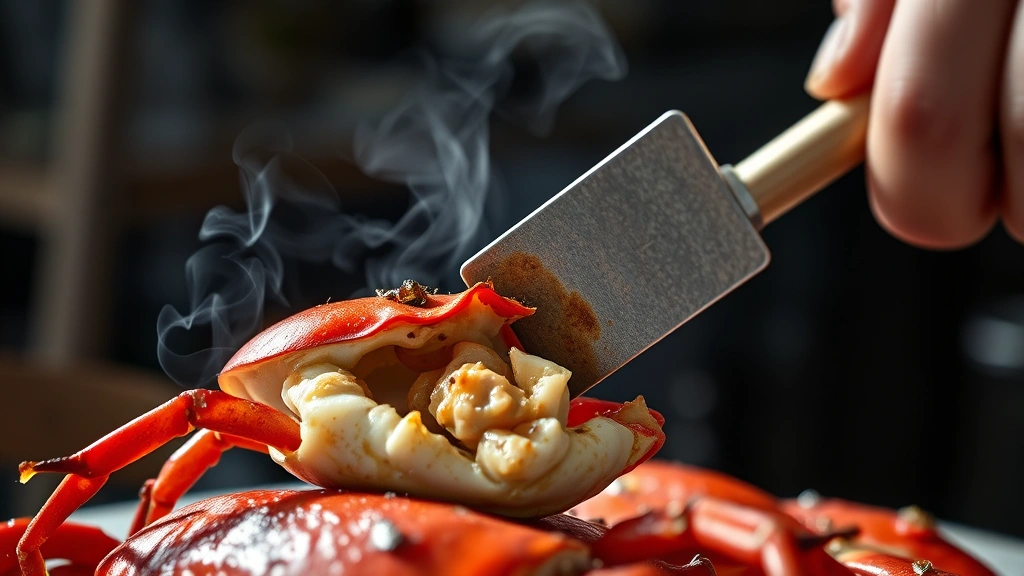
- Provide each guest with a small cracking mallet, a narrow fork, and plenty of napkins. The experience of cracking and extracting the meat is part of the authentic Cajun crab boil experience.
Pro Tips
Selecting quality crabs makes a significant difference in your final dish. Live crabs should be active, responsive to touch, and heavy for their size. If you must use frozen crabs, thaw them completely in the refrigerator for 12-24 hours before cooking. Never cook frozen crabs directly—they won’t cook evenly and the texture suffers considerably.
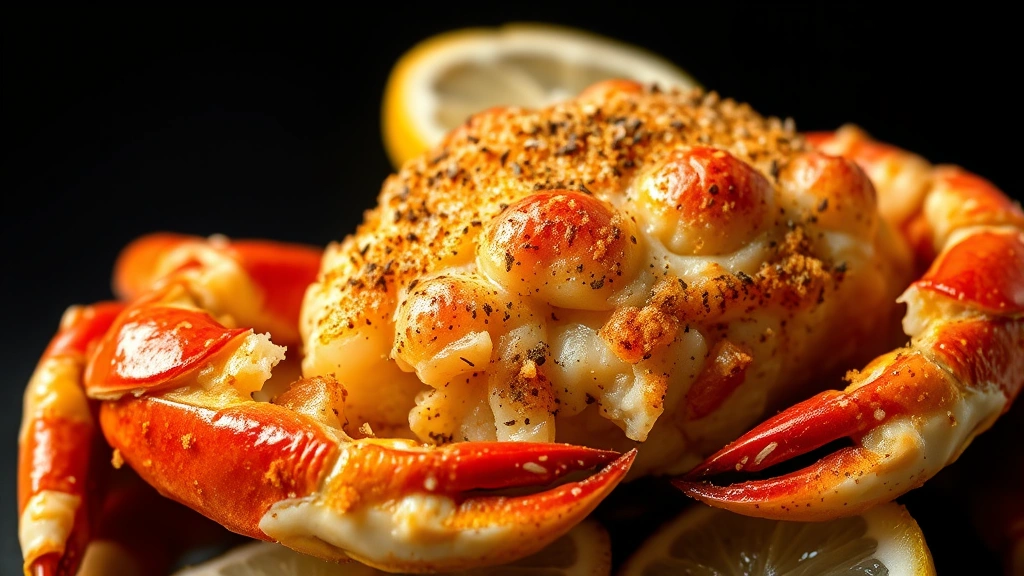
The cooking time is crucial and depends on crab size. For small crabs under 1.5 pounds each, reduce cooking time to 15-18 minutes. For standard medium crabs (1.5-2.5 pounds), use the full 20-25 minutes. For very large crabs over 2.5 pounds each, extend cooking time to 28-30 minutes. A helpful tip: you can tell crabs are done when their shells turn a bright red-orange color and the legs pull away easily from the body.
Old Bay seasoning is absolutely the classic choice, but you can customize the spice level. If you prefer milder flavors, reduce Old Bay to 3 tablespoons and skip the cayenne. For those who love heat, increase cayenne to 1 full teaspoon or add sliced jalapeños during cooking. Some regional variations include adding fresh dill, thyme, or even a splash of apple cider vinegar for complexity.
The beer in this boiling crab recipe isn’t just for flavor—it adds subtle depth and helps tenderize the meat. Light lagers work best because they won’t overpower the delicate crab flavor. However, if you’re cooking for children or prefer alcohol-free versions, simply replace the beer with an additional cup of chicken or seafood broth. The cooking process will evaporate most alcohol content anyway.
Save your cooking liquid once you’re finished. Strain it through a fine-mesh sieve, cool it completely, and refrigerate for up to three days or freeze for up to three months. This flavorful broth is liquid gold for making crab bisque, seafood gumbo, or enriching other soups. Simply thaw and use as your base for quick weeknight meals.
For serving, presentation matters tremendously. Arrange cooked crabs on a large platter lined with newspaper or butcher paper—this is the traditional Cajun presentation and makes cleanup wonderfully easy. Provide each guest with a cracking mallet, a narrow seafood fork, and a side dish for shells. Set out small bowls of melted garlic butter, lemon wedges, and hot sauce for dipping. The entire experience is meant to be casual, hands-on, and communal.
Leftover crab meat stores beautifully in the refrigerator for up to three days when kept in an airtight container. Don’t drain all the cooking liquid—leave a little moisture to keep the meat tender. For longer storage, pick the meat from shells while cold, place in freezer containers with a bit of broth, and freeze for up to two months. Thaw overnight in the refrigerator before using in other recipes like pasta, risotto, or salads.