
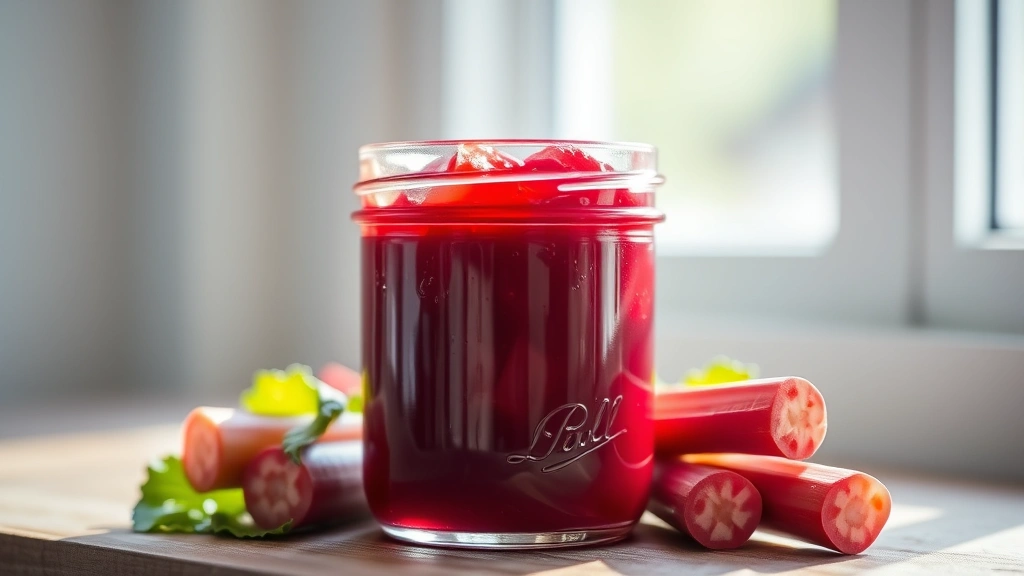
Rhubarb confiture is one of those delightful preserves that transforms the tart, springtime vegetable into something absolutely magical. This French-style jam is less sweet than traditional jams, allowing the bright, sophisticated flavor of rhubarb to truly shine through. Unlike American jams that rely heavily on pectin and sugar, confiture is all about letting the natural properties of the fruit do the work, resulting in a more elegant, grown-up preserve that’s perfect for spreading on croissants and pastries, swirling into creamy yogurt, or layering into delicate cakes. The beauty of making confiture at home is that you control exactly how much sugar goes into your preserve, and you get to experience that wonderful moment when the mixture reaches the perfect set—not too thick, not too thin, but absolutely just right. I’ve been making this recipe for years, and it never fails to impress. The technique is surprisingly straightforward, requiring just rhubarb, sugar, and a bit of patience as you let the mixture slowly concentrate on the stovetop. What makes this recipe different from standard jam is the lower sugar ratio and the gentle cooking method that preserves the delicate rhubarb flavor. You’ll find yourself making batch after batch, especially once you taste how sublime this is on fresh scones with clotted cream. For more insights on fruit preservation techniques, check out Serious Eats’ preservation guide, and for elegant serving ideas, visit Bon Appétit’s entertaining section. The art of jam making becomes even more rewarding when you master confiture, and this recipe is the perfect starting point. This method also works beautifully with strawberry and rhubarb combinations, or you can experiment with additions like rose water or vanilla for your own signature blend.
Ingredients
- 3 pounds fresh rhubarb, trimmed and cut into 1-inch pieces (about 8-9 cups)
- 2.5 pounds granulated sugar
- 2 tablespoons fresh lemon juice
- 1 teaspoon lemon zest
- 1 vanilla bean pod, split lengthwise and scraped (optional but recommended)
- Pinch of fine sea salt
- 2 tablespoons water
Instructions
- Prepare your rhubarb by rinsing it thoroughly under cold water and patting dry with paper towels. Trim away any brown or damaged ends, then cut the stalks into 1-inch pieces. You should have approximately 8-9 cups of prepared rhubarb. Set aside in a large bowl.
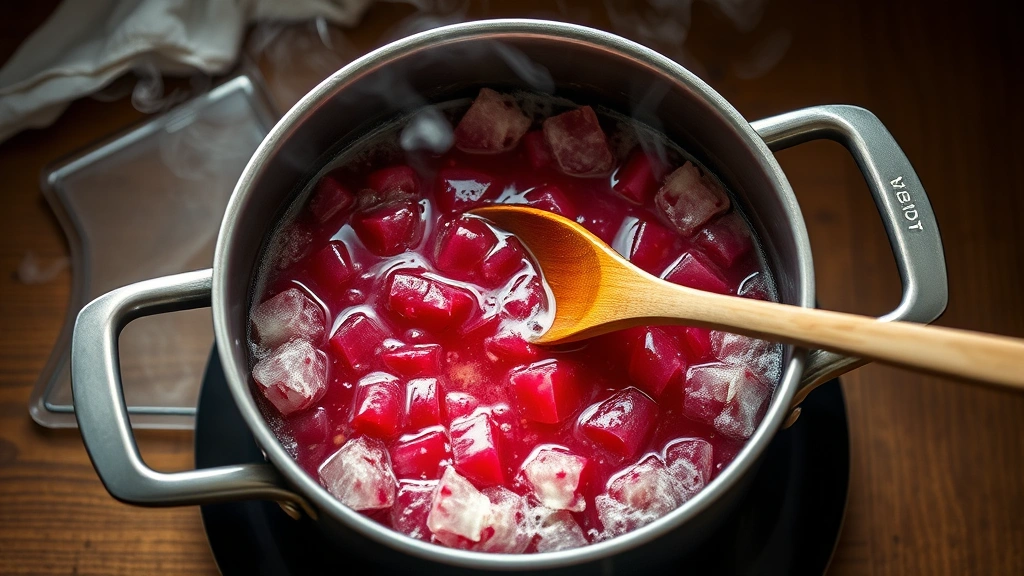
- In a large, heavy-bottomed stainless steel or copper pot (this is important as it conducts heat evenly), combine the prepared rhubarb pieces with the granulated sugar, fresh lemon juice, lemon zest, and sea salt. If using vanilla, add the split pod and its scraped seeds to the mixture.
- Stir the mixture gently but thoroughly with a wooden spoon until the sugar is mostly incorporated. Cover the pot loosely with a clean kitchen towel or lid and let it macerate (sit) at room temperature for 2-4 hours. This allows the rhubarb to release its juices and begin dissolving the sugar naturally.
- After the maceration time, add the 2 tablespoons of water to the pot. Place the pot over medium heat and stir occasionally with a wooden spoon until the sugar is completely dissolved. This should take about 5-8 minutes. You’ll see the mixture transform from grainy to glossy as the sugar dissolves.
- Once the sugar is fully dissolved and the mixture is beginning to simmer gently, increase the heat to medium-high. Stop stirring now—this is important for developing proper texture in your confiture. Simply let it bubble away gently.
- Allow the confiture to cook, occasionally skimming off any pink foam that rises to the surface using a skimmer or slotted spoon. This is the natural pectin and impurities rising to the top, and removing it creates a clearer preserve. Continue cooking for 35-40 minutes.
- Begin testing for doneness after about 35 minutes of cooking. Place a small white plate in the freezer ahead of time. When you think the confiture might be ready, drop a small teaspoon of the mixture onto the cold plate, wait for 30 seconds, then push it gently with your finger. If it wrinkles and holds its shape, it’s done. If it still spreads, continue cooking for another 2-3 minutes and test again.
- Once your confiture reaches the perfect consistency (it should be jammy but still flow slightly when spooned), remove the pot from heat. Let it cool for about 5 minutes, then remove the vanilla pod if using. Skim off any remaining foam from the surface.
- While the confiture cools, prepare your jars by sterilizing them. Place clean half-pint jars and their lids in a large pot of boiling water for 10 minutes. Remove carefully with jar tongs and set upright on a clean kitchen towel to cool slightly.
- Using a sterilized ladle and funnel, carefully pour the warm confiture into the prepared jars, leaving about 1/2-inch headspace at the top. Wipe the rim of each jar with a clean, damp cloth to remove any stickiness.
- Place the sterilized lids on top of each jar and screw the bands on until they’re snug but not overly tight. Process the jars in a boiling water bath for 10 minutes to create a proper seal.
- Remove the jars carefully from the water bath using jar tongs and place them on a clean kitchen towel. You’ll hear the satisfying ‘pop’ as each jar seals—this is the sound of success! Allow the jars to cool completely at room temperature for 12-24 hours before checking the seals.
- Check each jar for proper sealing by pressing the center of the lid with your finger. It should be concave (slightly depressed) and not spring back. If any jars didn’t seal properly, refrigerate those and use them within three weeks.
- Store your sealed jars of confiture in a cool, dark place for up to one year. Once opened, refrigerate and use within three weeks. The flavor actually improves slightly as it sits for a few days, so you can enjoy it immediately or let it develop deeper flavor.
Pro Tips
- Rhubarb selection is crucial—look for firm, brightly colored stalks without soft spots. Younger, thinner rhubarb tends to be more tender and slightly less tart than thicker stalks.
- The maceration step is not optional; it helps break down the rhubarb’s cell walls and allows the natural juices to combine with the sugar, creating a better texture and more concentrated flavor.
- Temperature control is essential. A thermometer reading of 220°F (104°C) indicates perfect doneness for confiture, though the plate test is equally reliable for home cooks.
- If you don’t have a copper or heavy-bottomed stainless steel pot, use your best heavy-bottomed pot. Thin pots cause hot spots that can burn the confiture.
- Never stir the confiture while it’s boiling—this can cause crystallization. The gentle skimming motion is all that’s needed.
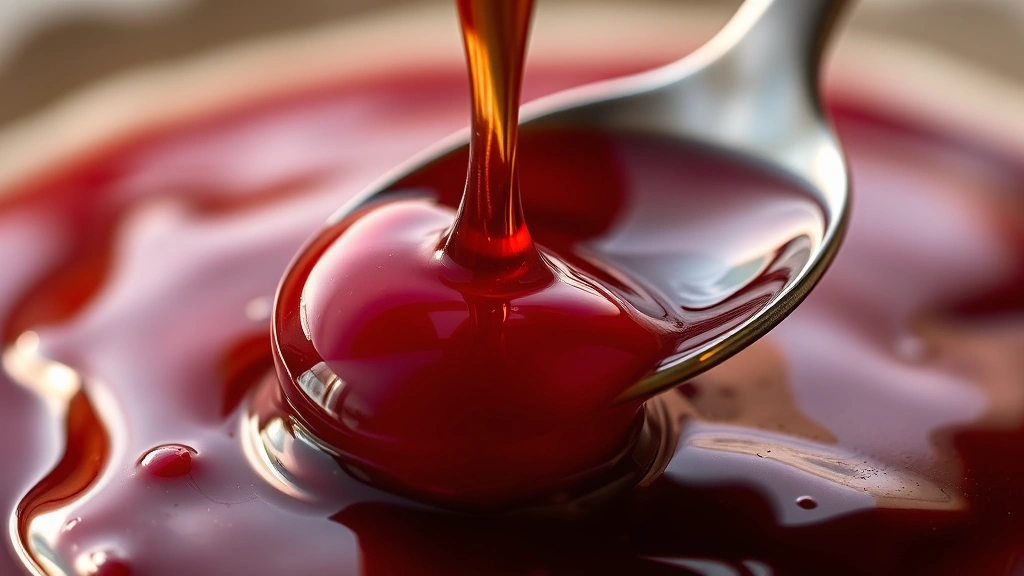
- The confiture will continue to thicken slightly as it cools, so don’t overcook it thinking it’s too thin. It should have a flowing, elegant consistency.
- For a more sophisticated flavor, add a pinch of rose water or a small splash of kirsch liqueur after cooking but before jarring.
- Vanilla bean is traditional but not essential. If you can’t find fresh vanilla beans, a small strip of vanilla pod or even a pinch of vanilla extract can be substituted.
- This recipe scales beautifully. You can make half the batch in a smaller pot, though timing may vary slightly.
- Save any confiture that doesn’t seal properly—it makes an excellent cake filling, yogurt topping, or ingredient in smoothies.
- Rhubarb confiture pairs beautifully with soft cheeses like ricotta and mascarpone, making it perfect for elegant brunch boards.