
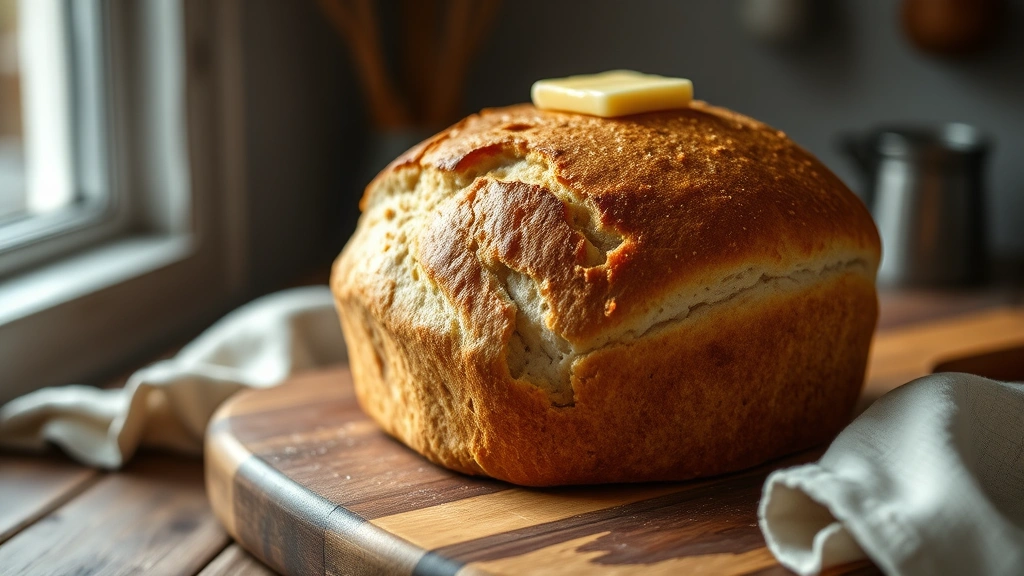
A bread recipe no yeast is an absolute game-changer for anyone who wants fresh, warm bread on the table in just 15 minutes. Forget everything you thought you knew about bread-making—this method skips the long rising times and uses simple ingredients you already have in your kitchen.
I discovered this technique years ago when I was desperate for homemade bread but didn’t have time for traditional yeast-based recipes. My kids wanted warm bread for dinner, and I had exactly 20 minutes before we sat down to eat. That’s when I realized that baking powder and baking soda could create the same light, fluffy crumb as yeast, just without the waiting. Now, this is my go-to recipe whenever I need bread fast.
Jump To Section
Why This Recipe Works
The magic behind this yeast-free method lies in the chemical leavening agents. Baking soda and baking powder create carbon dioxide bubbles that make the bread rise, much like yeast would, but instantly. No fermentation needed, no overnight proofing—just mix, knead briefly, and bake.
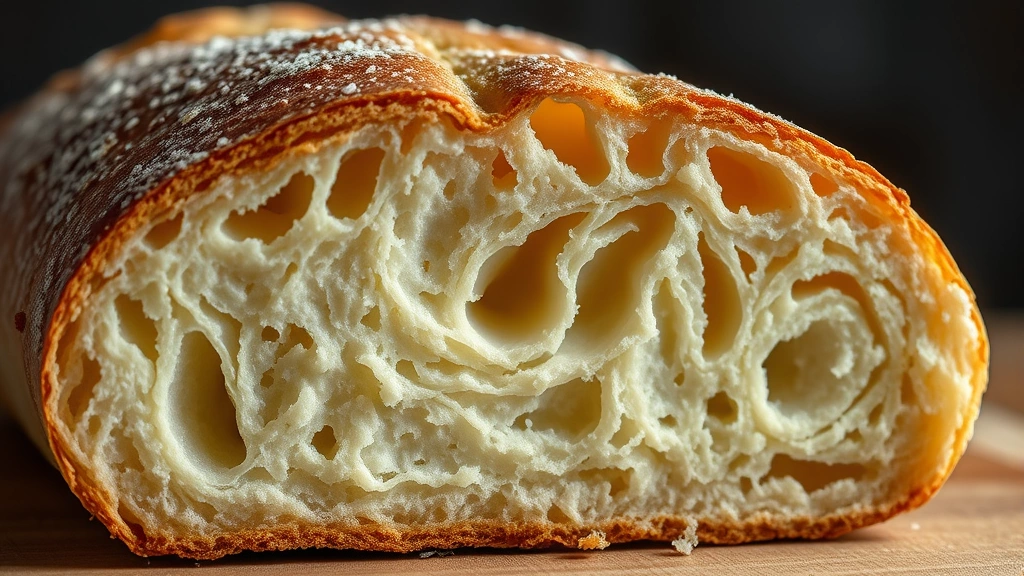
The texture comes out surprisingly tender and moist. The dough comes together in seconds, and because there’s no yeast involved, you don’t have to worry about temperature, humidity, or timing windows. This is hands-down the most forgiving bread recipe you’ll ever make. Additionally, the flavor is subtly sweet and slightly tangy from the buttermilk, which pairs beautifully with butter or jam.
What makes this approach special is its reliability. Every single time you make it, you’ll get the same consistent results. There’s no guesswork, no failed batches, and no frustration. It’s the perfect solution for busy weeknights when you want homemade bread without the complexity.
Ingredient Tips & Substitutions
For the flour, all-purpose works beautifully, but you can also use bread flour if you prefer a chewier texture. Whole wheat flour adds a nutty flavor—just know that it absorbs more liquid, so you might need an extra tablespoon or two of buttermilk. For instance, if you’re substituting half the all-purpose flour with whole wheat, increase the buttermilk by about 2 tablespoons.
Buttermilk is essential here because the acid reacts with the baking soda to create lift. However, if you don’t have buttermilk, you can make a substitute by adding 1 tablespoon of lemon juice or white vinegar to regular milk and letting it sit for 5 minutes. This quick swap works just as well.
The salt enhances flavor and strengthens the gluten network, so don’t skip it. Brown sugar adds a hint of molasses flavor and keeps the bread moist longer. Meanwhile, the butter makes everything taste richer and helps achieve that golden-brown crust. You could use melted coconut oil as a substitute if you prefer, though the flavor will be slightly different.
For a healthier twist, try adding ground flaxseed or chia seeds to the dough. They add nutrition and a pleasant texture without affecting the rise. You can also mix in herbs like rosemary or Italian seasoning for a savory version that pairs wonderfully with soups and stews.
How to Make It Perfect
The key to success is not overworking the dough. Mix just until the ingredients are combined—lumps are okay! Overmixing develops too much gluten, which makes the bread tough and dense. Think of it more like a thick batter than traditional bread dough.
Pat the dough into the baking pan gently, and don’t press too hard. You want some air pockets to remain so the bread stays light and fluffy. If you’re making rolls, use an ice cream scoop to portion them evenly—this ensures they bake at the same rate.
Oven temperature matters more than you’d think. Make sure your oven is fully preheated to 400°F before the bread goes in. A cold oven will result in gummy centers and uneven browning. The bread should bake until the top is golden brown and a toothpick inserted in the center comes out clean.
Serving Suggestions
Serve this bread warm with salted butter—it’s heaven. The butter melts into every crevice and makes the whole thing irresistible. You could also drizzle it with honey, spread it with jam, or top it with cinnamon sugar for a slightly sweet treat.
This bread is perfect for pairing with chili, soup, or stew. It also works beautifully as a base for homemade sub rolls, or you could use it to create the best steak sandwich recipe. For breakfast, slice it thick and top with scrambled eggs and cheese for a delicious breakfast sandwich.
Make smash burgers on a Blackstone and serve them on warm slices of this bread. Or toast it lightly and use it as the foundation for easy chicken wraps. The versatility is honestly endless.
Storage & Reheating
Store cooled bread in an airtight container at room temperature for up to 3 days. It stays soft and fresh remarkably well. If you want it to last longer, wrap individual slices in plastic wrap and freeze for up to 1 month.
To reheat, wrap the bread in foil and warm it in a 300°F oven for about 10 minutes. This restores the soft texture beautifully. Alternatively, you can microwave individual slices for 15-20 seconds, though this method makes it slightly denser.
Toasting brings out the subtle sweetness and gives the crust a pleasant crunch. Top with butter and serve alongside a fresh Caesar salad for a light lunch. The bread stays fresh and delicious throughout the week, making it perfect for meal prep.
Why wait for yeast to proof when you can have fresh bread in 15 minutes? This quick bread recipe without yeast has become my family’s favorite shortcut. Whether you’re new to bread-making or a seasoned baker looking for a faster method, this recipe delivers consistent, delicious results every single time. The combination of simplicity and flavor makes it a keeper that you’ll return to again and again.
For more inspiration, check out resources like Bon Appétit’s bread collection or Serious Eats’ baking guides to explore variations once you master this basic technique. You might also enjoy New York Times Cooking for professional tips on perfecting your bread-making skills.
Ingredients
- 2 cups all-purpose flour
- 1 tablespoon baking powder
- 1 teaspoon baking soda
- 1 teaspoon salt
- 1 tablespoon brown sugar
- 1 tablespoon melted butter, plus more for serving
- 1 cup buttermilk, room temperature
- 2 tablespoons water (if needed for consistency)
Instructions
- Preheat your oven to 400°F and line a baking sheet with parchment paper. This ensures your bread won’t stick and promotes even browning.
- In a large mixing bowl, whisk together the flour, baking powder, baking soda, salt, and brown sugar. Make sure everything is evenly combined—no lumps of baking soda hiding in the corners.
- Pour the buttermilk and melted butter into the dry ingredients. Stir gently with a wooden spoon or rubber spatula until just combined. The mixture should look shaggy and lumpy, not smooth. Stop mixing immediately once you don’t see any dry flour streaks.
- Turn the dough out onto a lightly floured surface and knead it just 5-6 times with your hands. You’re not making traditional bread dough here—minimal handling is your friend. The dough should be soft and slightly sticky.
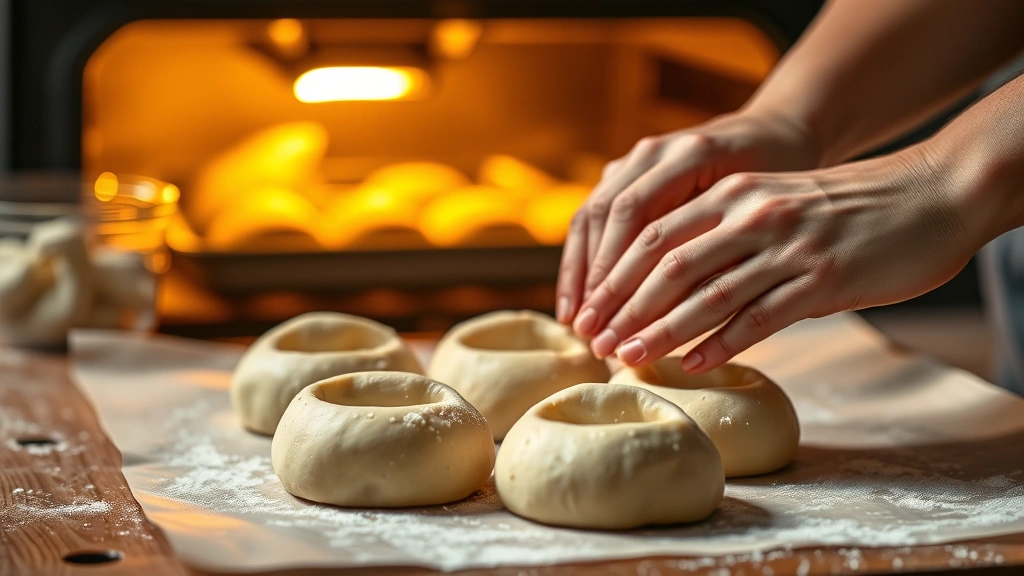
- Shape the dough into either one round loaf or divide it into 8 individual rolls. For a loaf, pat it into a round and place it on the prepared baking sheet. For rolls, use an ice cream scoop to create uniform portions.
- Brush the top lightly with a bit of melted butter if you want a golden, shiny crust. This step is optional but highly recommended for appearance and flavor.
- Bake for 12-15 minutes, until the top is golden brown and a toothpick inserted in the center comes out clean. The bread should feel firm on the outside but soft inside.
- Remove from the oven and let cool for 2-3 minutes on the baking sheet. Transfer to a wire rack or serve immediately while still warm. Serve with butter and enjoy!
Pro Tips
The buttermilk is crucial for this recipe’s success. The acidity reacts with the baking soda to create lift and tender crumb. If you absolutely must substitute, use milk mixed with lemon juice, but know that the flavor will be slightly different.
Don’t let the dough sit around after mixing. The leavening agents start working immediately, so get it into the oven as soon as possible. This is one of the reasons this bread recipe no yeast approach is so quick—everything happens in real-time rather than through slow fermentation.
If your dough seems too dry and won’t come together, add water one tablespoon at a time. Conversely, if it’s too wet and sticky, dust with a bit more flour. The consistency should resemble thick cake batter—soft and workable but not soupy.
For rolls, bake for 12-13 minutes. For a larger loaf, add 2-3 minutes to the baking time. Smaller portions bake faster, so adjust accordingly. The internal temperature should reach about 190°F when checked with an instant-read thermometer.
Leftover bread makes excellent toast. Slice thick, butter generously, and either toast in a skillet or under the broiler for 1-2 minutes per side. Meanwhile, stale bread can be cubed and used for breadcrumbs or croutons—nothing goes to waste.
This recipe is endlessly customizable. Add shredded cheese, cooked bacon, fresh herbs, or everything bagel seasoning to make it your own. The beauty of yeast-free quick bread is that you can experiment without worrying about how additives affect fermentation.
For a slightly sweeter version, increase the brown sugar to 2 tablespoons and add a pinch of cinnamon. For savory, skip the sugar entirely and mix in Italian seasoning, garlic powder, and dried basil. You could even make a honey-sweetened version by replacing the brown sugar with 1 tablespoon of honey drizzled into the buttermilk.