
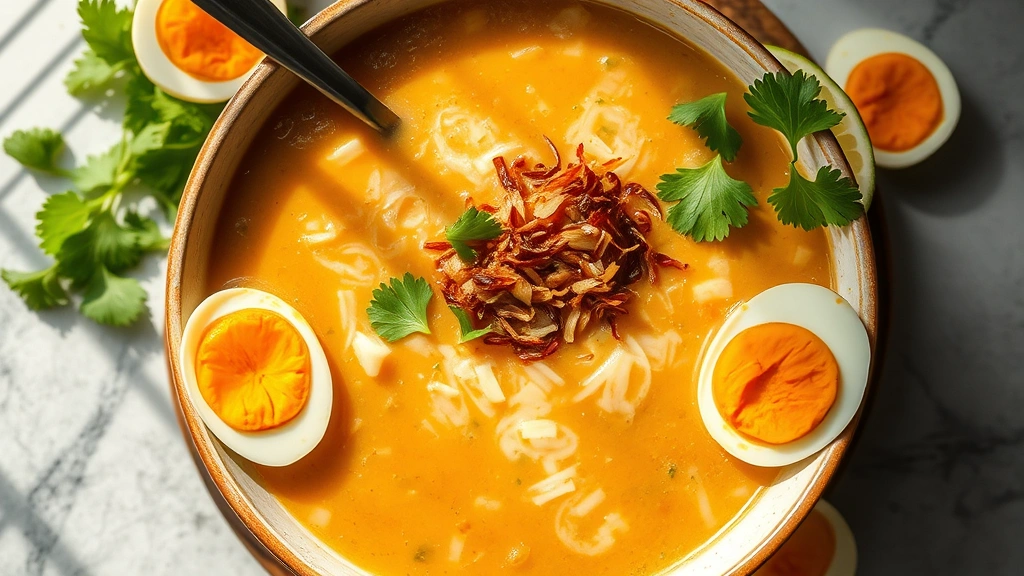
A burmese food mohinga recipe is one of those dishes that stops you in your tracks the moment you taste it. This iconic Burmese breakfast soup is a celebration of aromatic spices, tender fish, and silky noodles all swimming together in a rich, deeply flavorful broth that’ll make you forget every other noodle soup you’ve ever had.
Mohinga holds a special place in Burmese cuisine—it’s the ultimate comfort food that locals eat for breakfast, lunch, or whenever they need soul-warming nourishment. What makes it so captivating is how the flavors build and layer, creating something that tastes complex but comes together in a surprisingly manageable way in your own kitchen.
Jump To Section
Why This Recipe Works
This version strips away unnecessary complications while keeping all the authentic flavors intact. The secret lies in building a proper fish stock base infused with lemongrass, garlic, and ginger—these aromatics are the backbone of every great mohinga.
The broth gets its signature richness from chickpea flour paste, which creates that signature creamy texture without requiring cream or dairy. Additionally, a touch of fish sauce adds umami depth that makes people ask for your recipe. The combination of crispy fried shallots, fresh cilantro, and lime juice at the end brings everything into perfect balance.
I’ve tested this recipe multiple times to ensure it works for home cooks who don’t have access to Burmese specialty markets. You can find most ingredients at well-stocked Asian markets or online, and I’ve included helpful substitutions throughout.
Ingredient Tips & Substitutions
Fish sauce is non-negotiable—it’s the soul of mohinga. However, if you absolutely cannot find it, you can substitute with soy sauce mixed with a tiny pinch of anchovy paste, though the flavor won’t be identical. Meanwhile, the chickpea flour (also called gram flour or besan) is what gives this soup its distinctive creamy body without actual cream.
For the noodles, traditional mohinga uses thin egg noodles or fresh wheat noodles. Rice vermicelli works beautifully too if that’s what you have on hand. The key is using something delicate that won’t overpower the broth.
Fresh lemongrass makes an enormous difference, but dried lemongrass can work in a pinch—just use about one-third the amount since it’s more concentrated. Turmeric brings warmth and color, while dried red chili flakes add gentle heat without overwhelming the dish. You can adjust the spice level to your preference.
Building Authentic Flavors
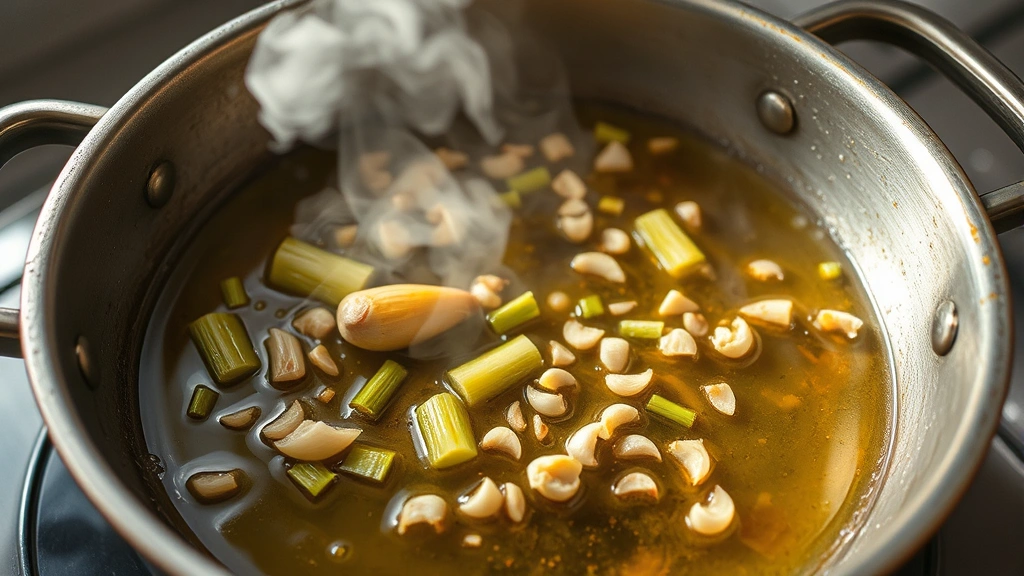
The magic happens when you take time to properly infuse the broth. Start by sautéing your aromatics until fragrant—this awakens their essential oils and deepens their flavors. Then comes the fish stock, which should simmer gently for at least 20 minutes to extract maximum flavor from the fish.
The chickpea flour paste is mixed with cold water first to prevent lumping when it hits the hot broth. For instance, whisk it smooth in a small bowl before slowly adding it to the simmering stock while stirring constantly. This technique prevents clumpy texture and ensures silky smoothness.
Don’t skip the final seasoning adjustments with lime juice and fish sauce. These bright, punchy flavors cut through the richness and make the entire dish sing. A squeeze of fresh lime transforms a good mohinga into an unforgettable one.
Serving & Presentation
Traditionally, mohinga is served with the noodles cooked separately and then either mixed into the broth or served on the side for people to add as they like. This approach lets everyone customize their bowl to their preferred noodle-to-broth ratio.
The toppings are where mohinga really shines. Crispy fried shallots add textural contrast and sweet onion flavor. Fresh cilantro brings herbaceous brightness, while fresh lime wedges on the side let people adjust the acidity to their taste. Consider also serving with easy shrimp soup as an alternative protein option if your guests prefer seafood variations.
Hard-boiled eggs are a classic Burmese addition that adds protein and richness. Some versions include crispy chickpeas or roasted peanuts for extra texture. A small bowl of chili paste on the side lets heat-lovers customize their spice level.
Storage & Reheating
The broth keeps beautifully in the refrigerator for up to four days in an airtight container. In fact, the flavors often deepen slightly as it sits, making day-two bowls absolutely delicious. You can also freeze the broth for up to three months—just leave a little headspace in your container for expansion.
Cook your noodles fresh when you’re ready to serve, or store cooked noodles separately in the refrigerator for up to three days. When reheating, gently warm the broth over medium heat, stirring occasionally to ensure even heating. Never boil it vigorously, as this can make the broth taste flat.
The toppings should always be fresh and made right before serving. Fried shallots lose their crispness quickly, so fry them fresh or store them in an airtight container and crisp them up in a dry pan if needed. Cilantro and lime wedges should be prepped just before plating.
If you’re meal prepping, prepare the broth and noodles separately, then assemble individual bowls when you’re ready to eat. This keeps everything fresh and ensures the best texture throughout the week. Additionally, you might explore quick zucchini soup or crock pot split pea soup for lighter weekday alternatives.
Mohinga is traditionally eaten early in the morning, but honestly, there’s no wrong time to enjoy this soul-warming dish. Whether it’s breakfast, lunch, or a late-night craving, this burmese food mohinga recipe delivers comfort and satisfaction every single time.
The beauty of making mohinga at home is that you control every element—the spice level, the broth richness, the noodle quantity. You can make it exactly how you love it, which is something you can never quite achieve at a restaurant.
I encourage you to make this recipe multiple times and adjust it to suit your preferences. Add more garlic if you’re a garlic lover, increase the chili flakes if you want extra heat, or add more lime juice if you prefer brightness. This is home cooking at its best—using authentic flavors as your foundation while making the dish uniquely yours.
For more international noodle soups and broths, check out Serious Eats’ soup collection and New York Times Cooking for additional inspiration. You might also enjoy exploring Olive Garden Zuppa Toscana for another cozy, flavorful soup option, or even taco soup crock pot recipe for easy weeknight cooking.
Once you master this burmese noodle soup with its aromatic broth and delicate balance of flavors, you’ll understand why it’s considered the national dish of Myanmar. It’s humble, it’s comforting, and it’s absolutely worth the effort to get right.
Ingredients
- 1 pound white fish fillets (catfish, cod, or snapper)
- 6 cups fish or chicken stock
- 3 stalks fresh lemongrass, white part only, bruised and sliced
- 4 cloves garlic, minced
- 1 tablespoon fresh ginger, grated
- 1 teaspoon turmeric powder
- 1/2 teaspoon dried red chili flakes
- 3 tablespoons fish sauce
- 1/2 cup chickpea flour (gram flour)
- 3 tablespoons tamarind paste
- 2 tablespoons vegetable oil
- 8 ounces fresh egg noodles or wheat noodles
- 3 tablespoons lime juice, freshly squeezed
- Salt and pepper to taste
- 3 shallots, thinly sliced and fried until crispy
- 1/4 cup fresh cilantro, chopped
- 2 hard-boiled eggs, halved
- Lime wedges for serving
- Chili paste for serving (optional)
Instructions
- Heat vegetable oil in a large pot over medium heat. Add minced garlic, grated ginger, and bruised lemongrass stalks, stirring constantly for about 2 minutes until very fragrant and the raw edge is gone from the garlic.
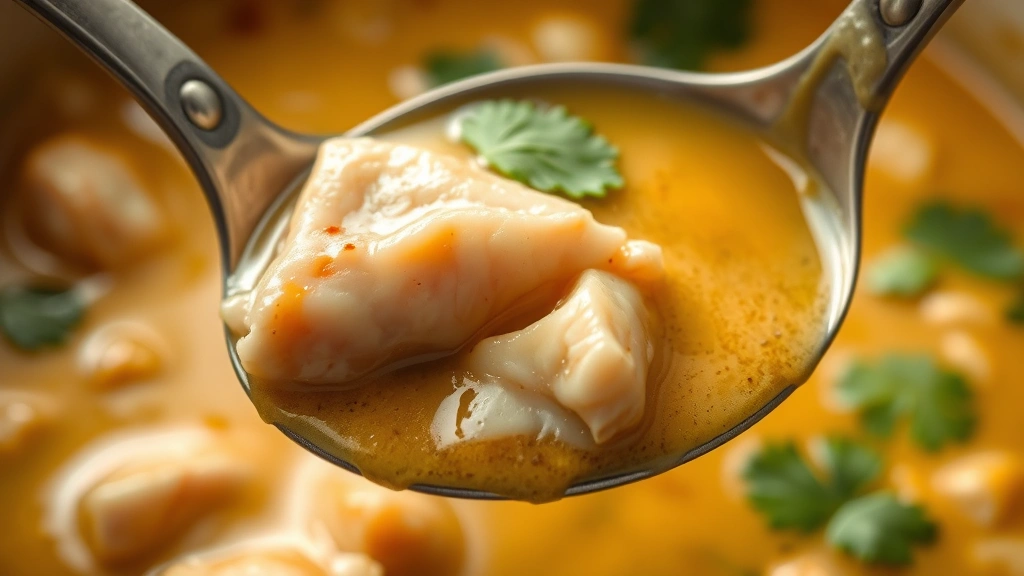
- Pour in the fish stock and bring to a gentle simmer. Add the white fish fillets and turmeric powder, then simmer for 12-15 minutes until the fish is completely cooked and flakes easily with a fork.
- Carefully remove the cooked fish from the broth using a slotted spoon and transfer to a plate. Once cooled slightly, flake the fish into small bite-sized pieces, checking carefully for any bones and discarding them.
- Strain the broth through a fine-mesh sieve into a clean pot, discarding the lemongrass and any solids. This creates a clean, clear broth that’s the foundation of great mohinga.
- In a small bowl, whisk the chickpea flour with 1/2 cup cold water until completely smooth with no lumps. This prevents the flour from clumping when added to the hot broth.
- Bring the strained broth back to a simmer over medium heat. Slowly pour the chickpea flour mixture into the broth while stirring constantly with a whisk to prevent lumps from forming.
- Add the tamarind paste, fish sauce, and dried red chili flakes to the broth. Stir well to combine, then return to a gentle simmer and cook for 5 minutes, allowing the flavors to meld together beautifully.
- Add the flaked cooked fish back into the broth and stir gently. Taste the broth and adjust seasonings with additional fish sauce, salt, pepper, and lime juice until it has a perfect balance of savory, tangy, and spicy flavors.
- While the broth simmers, bring a large pot of salted water to a boil. Cook the fresh egg noodles according to package directions until al dente, then drain well and set aside.
- If desired, divide the cooked noodles among serving bowls. Ladle the hot mohinga broth and fish over the noodles, or serve the broth and noodles separately, allowing guests to combine them to their preference.
- Top each bowl generously with crispy fried shallots, fresh chopped cilantro, and halved hard-boiled eggs. Serve immediately with lime wedges and chili paste on the side for guests to customize their bowls.
Pro Tips
Making your own fish stock elevates this dish significantly. If you can’t find fresh fish, ask your fishmonger for fish bones and heads to make stock at home—most will sell them inexpensively or even give them away. Alternatively, quality canned fish stock works well in a pinch.
The chickpea flour paste is crucial for achieving that signature creamy texture. Don’t skip whisking it smooth in cold water first—this one step prevents lumps and ensures silky broth. Additionally, if you can’t find chickpea flour, you can substitute with cornstarch mixed with water in equal proportions, though the flavor will be slightly different.
Tamarind paste brings authentic sourness that lime juice alone cannot replicate. You can find it at Asian markets in jars or blocks. If completely unavailable, substitute with additional lime juice and a tiny pinch of brown sugar, though the flavor profile will shift slightly.
Crispy fried shallots are worth making fresh for this dish. Thinly slice shallots and fry them in oil over medium heat until golden and crispy, then drain on paper towels. They add incredible textural contrast and sweet onion flavor that’s essential to authentic mohinga.
For a vegetarian version, substitute the fish with extra mushrooms (cremini or shiitake work beautifully) and use vegetable stock instead of fish stock. The chickpea flour still provides richness and body. You’ll want to use soy sauce and a touch of miso paste instead of fish sauce to maintain umami depth.
This dish is naturally gluten-free if you use rice noodles instead of wheat noodles. Simply ensure your tamarind paste contains no additives and your fish sauce is pure. The rest of the ingredients are naturally gluten-free, making this a wonderful option for those with dietary restrictions.
Store leftover broth in the refrigerator for up to four days or freeze for up to three months. The flavors often deepen after a day, so don’t hesitate to make this ahead. Reheat gently over medium heat without boiling, which can flatten the complex flavors you’ve worked to build.
The noodles are best cooked fresh when serving, but you can cook them a few hours ahead and toss with a little sesame oil to prevent sticking. Store them in the refrigerator separately from the broth to maintain the best texture.