
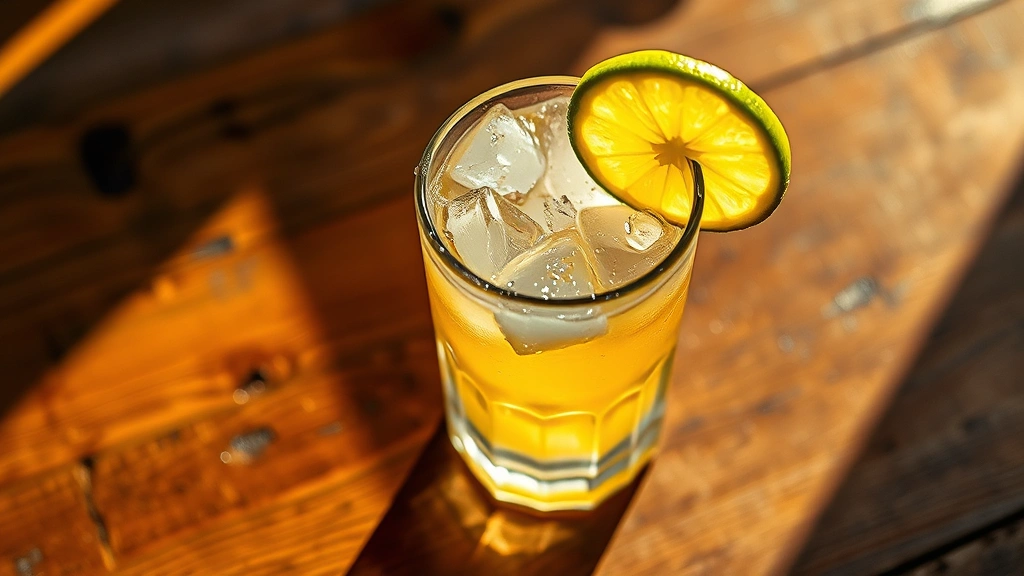
A caipirinha recipe is your ticket to bringing the vibrant spirit of Brazil straight into your home. This iconic cocktail, with its intoxicating blend of fresh lime, sugar, and cachaça, has been the national drink of Brazil for centuries—and once you make one, you’ll understand why.
The beauty of a caipirinha lies in its simplicity. There are no fancy syrups or complicated techniques here, just four humble ingredients that transform into pure magic when combined correctly. However, don’t let that fool you into thinking it’s easy to master. The difference between a mediocre caipirinha and an absolutely unforgettable one comes down to technique, quality ingredients, and understanding the subtle balance that makes this drink sing.
Jump To Section
Why This Recipe Works
What makes this caipirinha recipe stand out is the proper muddling technique. Many people make the mistake of over-crushing the lime, which releases bitter oils and breaks down the pith in ways that muddy the flavor profile. The goal is to gently press the lime wedges to release their juice and oils without destroying the fruit itself. This creates a balanced drink that’s refreshing rather than harsh.
The ratio of sugar to lime is equally crucial. Too much sugar, and you’ll mask the bright citrus notes that make this drink so appealing. Too little, and the cachaça’s intensity becomes overwhelming. This recipe hits that sweet spot perfectly, creating harmony between all the components.
Additionally, the type of ice you use matters more than you might think. Crushed ice melts faster and dilutes the drink more quickly, while larger ice cubes keep your caipirinha cold without watering it down. Using proper ice ensures your drink stays refreshing from the first sip to the last.
Ingredient Tips & Substitutions
Cachaça is the heart and soul of any authentic caipirinha recipe. This Brazilian sugarcane spirit is distinct from rum—it has a grassy, vegetal quality that’s impossible to replicate. When shopping for cachaça, look for brands like Pirassununga, Ypioca, or Leblon. These are widely available and offer excellent quality at reasonable prices.
The limes absolutely must be fresh and fragrant. Brazilian bartenders traditionally use Persian limes, which are larger and less acidic than key limes. Roll your limes on the counter before cutting to break down the cell walls and maximize juice extraction. This simple step makes a surprising difference in the final drink’s flavor intensity.
For the sugar, use simple white sugar or demerara for a slightly deeper flavor. Some variations include using gum syrup (a traditional Brazilian sweetener), but regular sugar works beautifully. Avoid brown sugar, which will add unwanted molasses notes that compete with the bright lime flavors. Meanwhile, if you’re looking to pair this with food, consider serving it alongside the best tea sandwiches for an elegant Brazilian-inspired gathering.
If you can’t find quality cachaça, a premium white rum works as a backup, though the drink will taste distinctly different. Never use cheap or bottom-shelf spirits—this drink is so simple that inferior ingredients will shine right through and ruin the experience.
The Perfect Caipirinha Technique
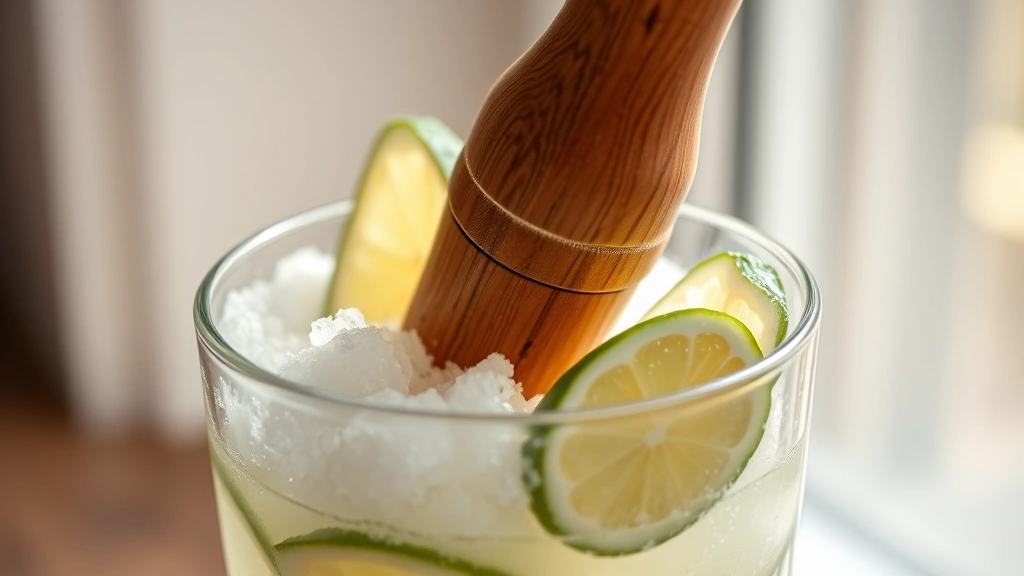
The muddling process is where most home bartenders go wrong. Place your lime wedges in a sturdy glass and add the sugar. Using a wooden muddler (never metal, which can damage the glass), gently press down on the limes about five or six times. You want to hear the juice release and smell that intoxicating citrus aroma, but you don’t want to pulverize the fruit.
After muddling, add your cachaça and stir gently to combine. This allows the sugar to dissolve completely while the alcohol extracts flavors from the lime skin. Then, fill your glass with ice—ideally larger cubes or crushed ice, depending on your preference and what you have available.
For instance, professional bartenders often use a technique called “double-straining” where they pour the caipirinha through a fine mesh strainer into a fresh glass filled with ice. This removes any pulp and creates a silkier mouthfeel. It’s optional for home bartenders, but it does elevate the presentation and drinking experience considerably.
Serving Suggestions & Pairings
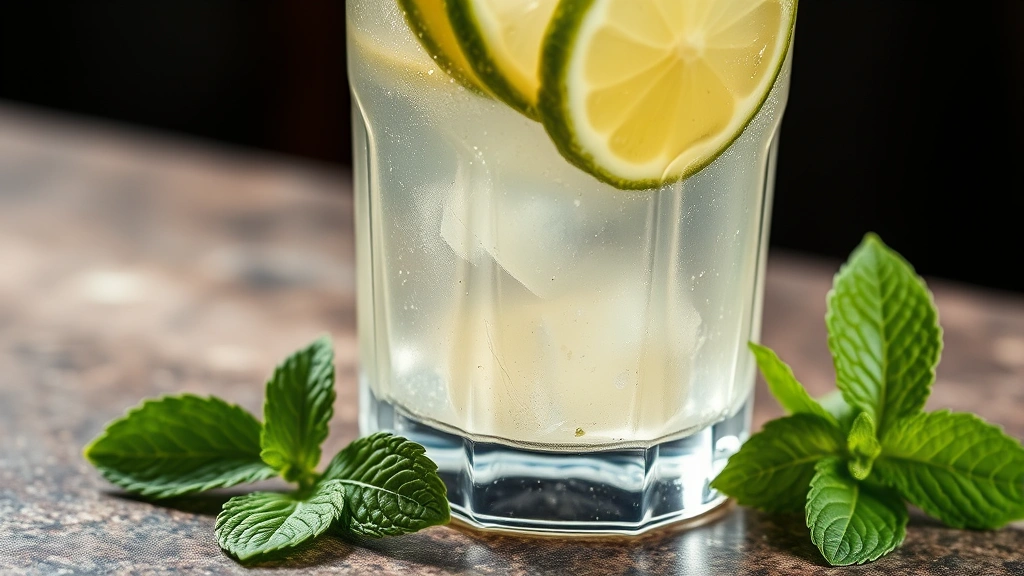
Caipirinhas are naturally suited to warm weather entertaining and casual gatherings. Serve them in traditional rocks glasses filled with crushed ice, garnished with a lime wheel or fresh mint. The drink is refreshing enough to sip throughout an afternoon and strong enough to make any social hour memorable.
When planning a menu around caipirinhas, think light and fresh. The bright citrus notes pair wonderfully with seafood appetizers, grilled chicken, and tropical fruits. You might also serve them alongside tasty southwest salad for a fusion gathering that celebrates vibrant flavors.
For a more sophisticated spread, consider the best waldorf salad as a complement, or go bold with tasty shrimp burrito options. Brazilian churrasco (grilled meats) is the classic pairing, but really, any warm-weather celebration is elevated by a properly made caipirinha.
For a more casual gathering, even the perfect BBQ burger becomes something special when paired with this refreshing Brazilian cocktail.
Variations & Creative Twists
Once you’ve mastered the classic caipirinha recipe, you might want to experiment with variations. A caipirinha made with strawberries, passion fruit, or pineapple follows the same technique but uses muddled fruit instead of lime. These fruit-forward versions are popular in Brazilian bars and make beautiful, Instagram-worthy drinks.
Some bartenders create what’s called a “caipifruta,” which uses rum instead of cachaça and different fruit combinations. While not technically a true caipirinha, these variations are delicious and offer fun alternatives for guests with different preferences.
You can also batch caipirinhas for larger gatherings. Muddle all your lime and sugar in a pitcher, add the cachaça, and let it sit for up to an hour. When ready to serve, pour into individual glasses over fresh ice. This method is practical and ensures consistency across all drinks.
According to Serious Eats, understanding the science behind cocktail ratios helps you create better drinks at home. Additionally, Bon Appétit offers excellent guidance on selecting quality spirits, while New York Times Cooking provides professional bartending techniques for home entertaining.
Storage & Make-Ahead Tips
Caipirinhas are best enjoyed fresh and ice-cold, made to order for each guest. However, you can prepare the lime-sugar mixture up to 24 hours in advance. Store it in an airtight container in the refrigerator, then simply add cachaça and ice when you’re ready to serve.
If you’re making caipirinhas for a crowd, consider setting up a DIY caipirinha station where guests can muddle their own limes and customize their sweetness level. This interactive approach is fun, saves you time, and ensures everyone gets exactly the drink they want.
For longer storage, keep your cachaça in a cool, dark place. Properly stored, it will keep indefinitely. Fresh limes last about two weeks in the refrigerator, so plan your shopping accordingly if you’re planning a caipirinha-themed event.
Making a caipirinha recipe is about more than just following steps—it’s about understanding the interplay between ingredients and technique. Master these fundamentals, and you’ll be making drinks that rival any Brazilian bar. Your friends and family will be amazed, and you’ll have a signature cocktail that’s always ready to impress.
Ingredients
- 1 fresh lime, cut into 4-6 wedges
- 2 teaspoons white sugar or demerara sugar
- 2 ounces cachaça (Brazilian sugarcane spirit)
- 1 cup crushed ice or 4-5 large ice cubes
- Lime wheel for garnish (optional)
Instructions
- Place the lime wedges into a sturdy rocks glass or cocktail glass.
- Add the sugar directly over the lime wedges.
- Using a wooden muddler, gently press down on the limes 5-6 times to release the juice and oils without crushing the fruit completely. You should hear a slight cracking sound and smell the bright citrus aroma.
- Pour the cachaça into the glass over the muddled lime and sugar mixture.
- Stir gently with a bar spoon to combine all ingredients and allow the sugar to dissolve completely.
- Fill the glass with crushed ice or large ice cubes, stirring gently to incorporate the ice.
- Taste and adjust sweetness if needed by adding a touch more sugar if the drink seems too tart.
- Garnish with a fresh lime wheel if desired.
- Serve immediately while the drink is ice-cold, and enjoy with an authentic Brazilian spirit!
Pro Tips
The key to an excellent caipirinha recipe is restraint during muddling. Many home bartenders over-muddle, breaking down the lime pith and releasing bitter compounds that muddy the flavor. You want gentle pressure that releases juice without destroying the fruit structure. Think of it as coaxing the lime to give up its essence, not forcing it.
Cachaça selection matters significantly more than most people realize. Unlike rum, which is distilled from molasses, cachaça is made directly from sugarcane juice, giving it a grassy, vegetal character that’s essential to an authentic caipirinha. Brands like Pirassununga 51, Ypioca, and Leblon are excellent choices widely available in liquor stores. Avoid bottom-shelf options, as this simple cocktail cannot hide inferior spirits.
The lime you choose will directly impact your drink’s final flavor. Fresh, fragrant limes are non-negotiable. Roll them on your counter before cutting—this simple step breaks down cell walls and maximizes juice extraction, making a noticeable difference in flavor intensity. Persian limes are traditional in Brazil, but any fresh lime will work beautifully.
For ice, crushed ice melts faster and dilutes the drink more quickly, while larger cubes keep it colder longer. Choose based on how quickly you’ll drink it. If you’re sipping leisurely, larger cubes are better. For rapid consumption or warmer weather, crushed ice works perfectly.
Batch caipirinhas work wonderfully for entertaining. Muddle all your lime and sugar in a large pitcher, add cachaça, and let sit for 30 minutes to an hour. When ready to serve, pour into individual glasses filled with fresh ice. This ensures consistency and saves you from making individual drinks all evening.
If you cannot find cachaça, premium white rum is an acceptable substitute, though the drink will taste distinctly different. Never compromise on spirit quality—the simplicity of this cocktail means inferior ingredients will immediately shine through. Your guests deserve better, and the extra cost of quality cachaça is minimal compared to the superior drinking experience it provides.