
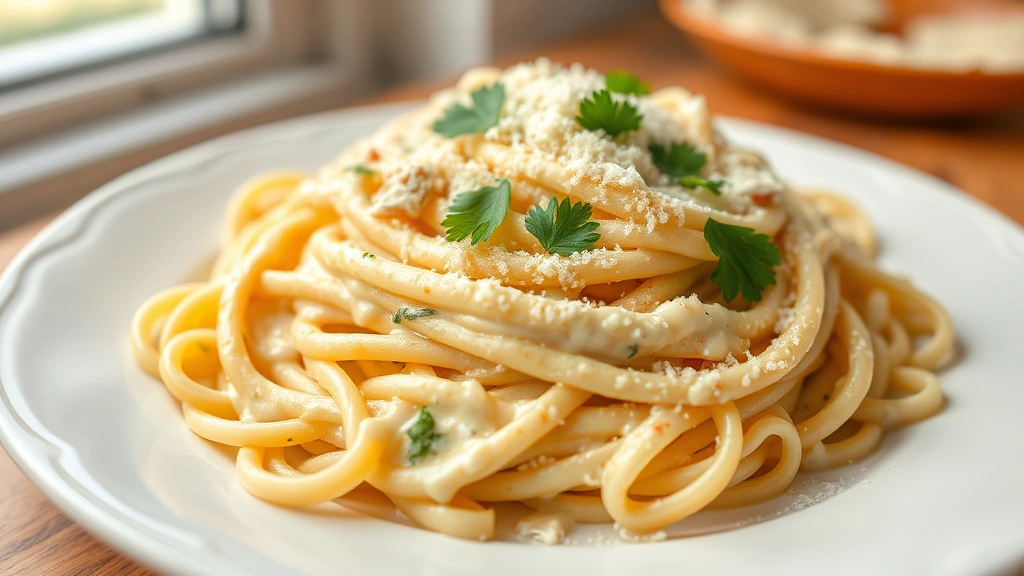
A cajun alfredo sauce recipe transforms your weeknight pasta from boring to absolutely unforgettable. This creamy, spicy blend combines the richness of traditional alfredo with bold cajun spices that’ll have everyone asking for seconds. I’m obsessed with how easily this comes together—just 20 minutes from start to finish, and your kitchen smells like pure magic.
The beauty of this sauce is in its simplicity. You’re working with butter, garlic, heavy cream, parmesan cheese, and a carefully curated blend of cajun seasonings. No complicated techniques or hard-to-find ingredients. Just good food made better with a little Southern kick.
Jump To Section
Why This Recipe Works
Traditional alfredo can feel heavy and one-dimensional. However, adding cajun spices—paprika, cayenne, garlic powder, and a touch of cayenne—creates layers of flavor that dance on your tongue. The heat isn’t overwhelming; it’s just enough to wake up your taste buds and make the creamy sauce feel sophisticated and exciting.
The technique here is foolproof. You’re melting butter, toasting garlic until fragrant, then slowly incorporating cream to create the silkiest sauce imaginable. Meanwhile, the parmesan cheese melts into that cream, creating pockets of umami richness. When you add the cajun seasonings at just the right moment, they bloom throughout the sauce, creating a cohesive flavor profile that feels both comforting and adventurous.
What makes this different from other spicy pasta sauces is the balance. You’re not drowning out the creaminess with heat; instead, you’re enhancing it. The cajun spices complement rather than compete with the buttery, cheesy goodness. It’s like taking a classic you already love and giving it a sophisticated upgrade.
Ingredient Tips & Substitutions
Starting with quality butter makes a real difference here. I always reach for European-style butter with higher fat content because it creates a richer, more luxurious sauce. Additionally, freshly grated parmesan cheese (not the pre-shredded stuff) melts more smoothly and creates a creamier texture.
For the cream, use heavy whipping cream—it has enough fat content to create that silky mouthfeel without breaking. If you want to lighten things up, you can substitute half-and-half, though the sauce won’t be quite as decadent. For instance, some folks prefer using a combination of cream and chicken broth to reduce calories while keeping the flavor intact.
The cajun seasoning is where your creativity can shine. You can use store-bought cajun spice blends, but I prefer making my own because I can control the heat level. Mix together paprika, cayenne pepper, garlic powder, onion powder, dried thyme, dried oregano, black pepper, and a pinch of salt. This way, you know exactly what’s going into your sauce, and you can adjust the spice level to match your preferences.
Don’t skip the fresh garlic—it’s absolutely essential. Minced fresh garlic adds a brightness that powder simply can’t replicate. Similarly, freshly cracked black pepper makes a noticeable difference compared to pre-ground versions.
Serving Suggestions
This sauce pairs beautifully with fettuccine, penne, or linguine. The wider noodles catch the sauce better, creating more flavor in every bite. Toss the hot pasta directly into the warm sauce so the noodles absorb all those delicious cajun flavors.
For protein options, try adding grilled chicken breast, shrimp, or andouille sausage. The smokiness of sausage pairs particularly well with the cajun spices. Blackened chicken breast slices create a restaurant-quality dish that feels special enough for entertaining.
On the side, serve with a fresh romaine salad dressed with a light vinaigrette. The acidity cuts through the richness of the sauce beautifully. Meanwhile, crusty sourdough bread is perfect for soaking up every last drop of sauce.
Vegetables like roasted bell peppers, sautéed mushrooms, or fresh spinach add nutrition and color. You can toss these directly into the sauce with the pasta, or arrange them on the plate beneath the noodles for a more elegant presentation.
Storage & Reheating
This sauce keeps beautifully in the refrigerator for up to four days in an airtight container. The flavors actually deepen slightly as it sits, making it excellent for meal prep. When you’re ready to reheat, warm it gently in a saucepan over low heat, stirring frequently and adding a splash of cream or pasta water if it’s become too thick.
You can also freeze this sauce for up to three months. Just pour it into ice cube trays for convenient portion sizes, then pop the cubes into a freezer bag. Thaw overnight in the refrigerator before reheating.
One important note: don’t reheat at high temperatures, as this can cause the cream to break and the sauce to become grainy. Low and slow is always the answer with cream-based sauces. Furthermore, if you’re making this ahead, wait to combine it with pasta until just before serving—the noodles will absorb the sauce and become mushy if they sit together for too long.
Flavor Variations to Explore
Once you master the basic cajun alfredo sauce recipe, you can explore exciting variations. Try adding sun-dried tomatoes for a touch of sweetness and acidity. Roasted red peppers create a slightly different flavor profile while maintaining that creamy texture.
Some folks love adding a splash of white wine during the cream stage—this adds complexity and sophistication. Others incorporate fresh herbs like basil or parsley at the very end for brightness. Meanwhile, a teaspoon of Dijon mustard can add subtle depth without anyone knowing what’s different about your sauce.
For a seafood version, consider adding fresh crab meat or lump crabmeat to create a luxurious dish that feels restaurant-quality. The sweetness of crab complements the cajun spices beautifully. For vegetarians, roasted cauliflower or broccoli adds substance and nutrition while keeping the sauce the star.
This versatile sauce also works brilliantly as a dipping sauce for fried appetizers or drizzled over baked chicken. Some creative cooks have even used it as a base for cajun alfredo pizza—and honestly, that sounds incredible.
The key to successful variations is maintaining the balance between creaminess and spice. Start with the base recipe, then add your special touches gradually, tasting as you go. This way, you’ll create signature versions that feel uniquely yours while honoring the original’s delicious foundation.
Ingredients
- 4 tablespoons unsalted butter
- 4 cloves fresh garlic, minced
- 1 cup heavy whipping cream
- ½ cup chicken broth
- ¾ cup freshly grated Parmesan cheese
- 1½ teaspoons paprika
- 1 teaspoon cayenne pepper
- ¾ teaspoon garlic powder
- ½ teaspoon onion powder
- ½ teaspoon dried thyme
- ½ teaspoon dried oregano
- ½ teaspoon black pepper
- ¼ teaspoon salt (adjust to taste)
- ¼ teaspoon red pepper flakes (optional, for extra heat)
- 1 pound fettuccine or pasta of choice
- Fresh parsley for garnish (optional)
Instructions
- Bring a large pot of salted water to a boil, then add your pasta and cook according to package directions until al dente. Drain, reserving 1 cup of pasta water for later use.
- While the pasta cooks, melt the butter in a large saucepan over medium heat. Watch it carefully—you want it melted and foamy, not browned.
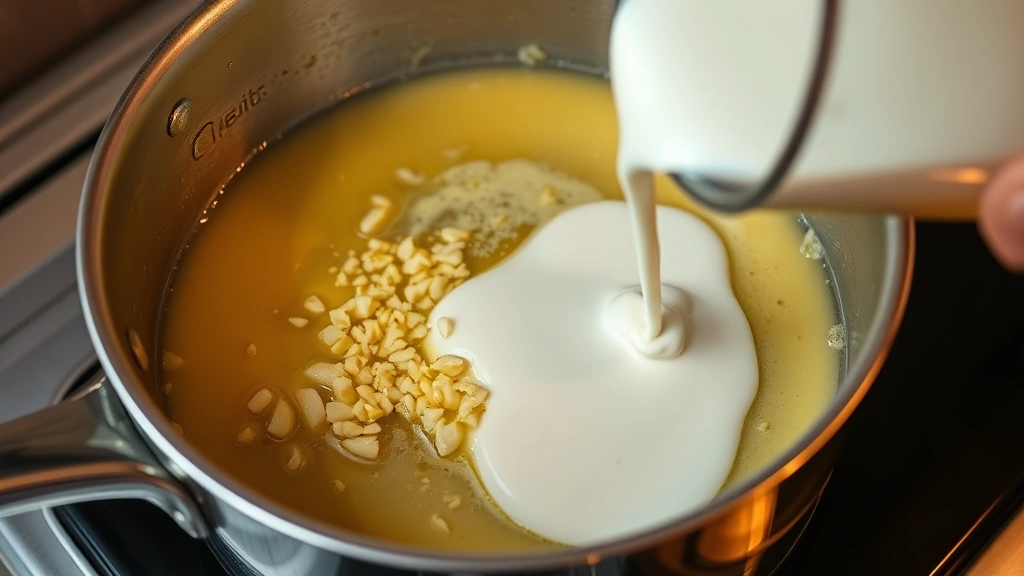
- Add the minced garlic to the melted butter and stir constantly for about 1 minute until fragrant. Be careful not to let the garlic burn; if it starts browning too quickly, reduce your heat slightly.
- Slowly pour in the heavy cream and chicken broth, stirring constantly to combine. Bring the mixture to a gentle simmer, then reduce heat to medium-low.
- In a small bowl, whisk together the paprika, cayenne pepper, garlic powder, onion powder, dried thyme, dried oregano, black pepper, and salt. This ensures the spices distribute evenly throughout your sauce.
- Sprinkle the spice mixture into the simmering cream, stirring well to incorporate. Let it simmer for 2-3 minutes so the spices bloom and flavor the sauce.
- Reduce heat to low, then gradually add the freshly grated Parmesan cheese, stirring constantly until completely melted and smooth. Don’t rush this step—adding cheese too quickly can cause lumps.
- Taste the sauce and adjust seasonings as needed. If you prefer more heat, add the red pepper flakes and stir to combine. If you prefer less spice, you’re good to go.
- If the sauce seems too thick, add pasta water a few tablespoons at a time until you reach your desired consistency. The sauce should coat the back of a spoon but still flow smoothly.
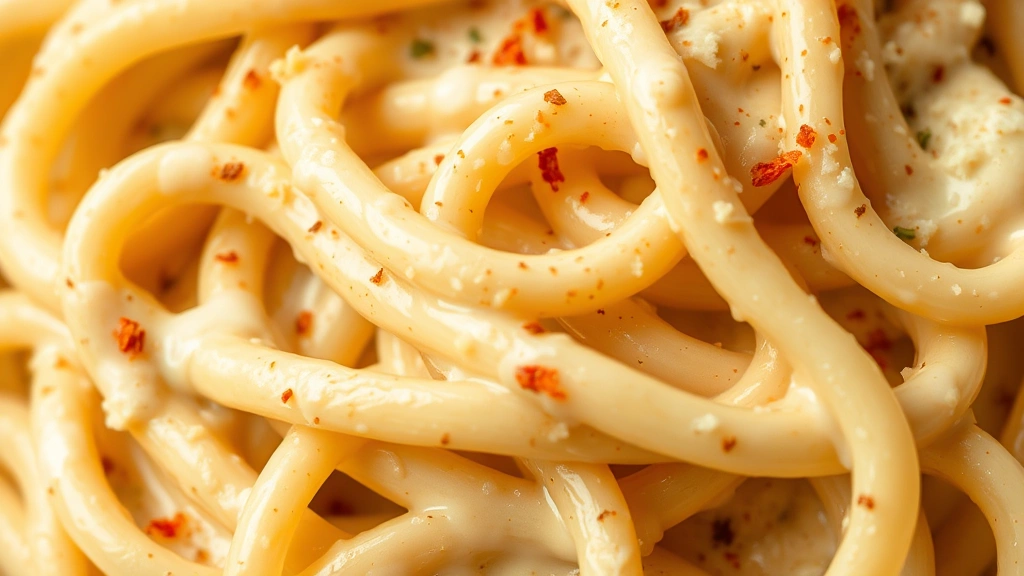
- Add the cooked pasta directly to the sauce, tossing gently to coat every strand. If adding protein like shrimp or chicken, toss it in now.
- Transfer to serving plates immediately, garnish with fresh parsley if desired, and serve while hot. Offer extra Parmesan cheese on the side for those who want it.
Pro Tips
Making the perfect cajun alfredo sauce is all about patience and temperature control. Never let your cream boil vigorously—a gentle simmer is your friend. This prevents the cream from breaking and keeps your sauce silky smooth. Additionally, adding cold cheese to hot cream can cause curdling, so make sure your cream mixture is warm but not scalding before incorporating the Parmesan.
The spice blend is crucial here. For instance, if you’re using a pre-made cajun seasoning blend, check the ingredient list first. Some brands include salt, so you might need to reduce the salt you add separately. Similarly, spice blends vary in heat level, so start with less and taste as you go—you can always add more, but you can’t take it out.
Fresh garlic truly makes a difference in this sauce. Mincing it by hand rather than using a food processor releases more of the aromatic oils, creating deeper flavor. However, if you’re short on time, pre-minced garlic from a jar works in a pinch, though the flavor won’t be quite as vibrant.
For the best results, grate your Parmesan cheese from a block rather than using pre-shredded versions. Pre-shredded cheese contains anti-caking agents that prevent it from melting as smoothly. Block cheese melts into your sauce seamlessly, creating that restaurant-quality texture.
If you’re cooking for picky eaters, reduce the cayenne pepper slightly or omit it entirely. You can always pass the red pepper flakes at the table for those who want more heat. This way, everyone gets a version they’ll enjoy.
Storage is straightforward. Keep leftover sauce in an airtight container in the refrigerator for up to four days. Reheat gently over low heat, stirring frequently and adding cream or pasta water as needed. Meanwhile, you can freeze the sauce for up to three months in ice cube trays, then transfer the cubes to freezer bags for convenient portions.
Don’t combine the sauce with pasta more than a few minutes before serving. The hot pasta continues to absorb liquid, so sitting together makes the dish mushy. Always toss just before plating for the best texture and presentation.