
Campfire recipes are the heart and soul of outdoor adventure—there’s something magical about cooking over an open flame that brings people together and creates memories that last a lifetime. Whether you’re planning a weekend camping trip, a backyard bonfire gathering, or a rustic retreat with friends, mastering easy outdoor cooking techniques transforms your camping experience from basic to absolutely unforgettable.
I still remember my first campfire meal—a simple hot dog roasted over flickering flames, tasting somehow better than anything I’d ever eaten at home. That’s the beauty of cooking outdoors: the smoky flavor, the crackling fire, the laughter of loved ones gathered around. Since then, I’ve discovered that campfire recipes don’t need to be complicated or require fancy equipment. With a little planning and the right techniques, you can create restaurant-quality meals in the wilderness.
Jump To Section
Why Campfire Cooking Is Pure Magic
There’s genuine science behind why food tastes better outdoors. The open flame imparts a smoky depth that’s nearly impossible to replicate in your kitchen, while the fresh air and physical activity sharpen your appetite in ways that make even simple meals feel gourmet. Additionally, the communal aspect of gathering around a campfire creates a relaxed atmosphere where everyone contributes to the meal preparation, making the experience as enjoyable as the food itself.
Outdoor cooking also strips away kitchen stress. You’re not worried about keeping dishes clean or impressing anyone with plating—you’re focused on the fundamentals: good ingredients, proper heat management, and enjoying company. However, this doesn’t mean your campfire meals should lack sophistication. With thoughtful planning and quality components, you can elevate your outdoor cooking game significantly.
Essential Campfire Cooking Equipment & Setup
Before diving into specific recipes, let’s talk gear. You’ll need a sturdy grill grate, long-handled tongs, heat-resistant gloves, and a well-maintained fire that produces both hot coals and manageable flames. A cast-iron skillet becomes your best friend at camp—it heats evenly, retains heat beautifully, and develops character with each meal you prepare.
For campfire recipes to succeed, you need to understand fire management. Create zones: a hot zone directly over flames for searing, a medium zone for cooking through, and a cooler zone for keeping food warm or finishing dishes gently. This versatility means you can tackle everything from seared steaks to delicate vegetables without burning anything.
Protein-Forward Campfire Recipes to Master
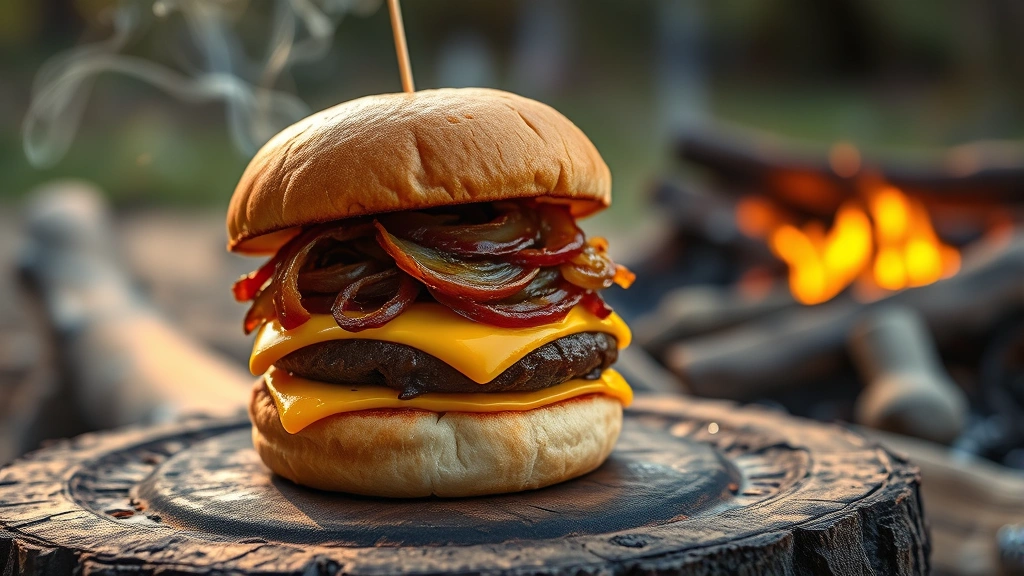
Let’s start with the foundation of most camping meals: protein. Try preparing a best grilled burger recipe with freshly ground beef, caramelized onions, and quality cheese. The burger might be simple, but outdoor cooking elevates it—the smoky char, the crispy edges, the way the cheese melts into the meat create something transcendent.
For something more adventurous, prepare tasty steak tacos with tender, seasoned beef, charred tortillas, and fresh toppings. Pair them with a homemade best taco sauce recipe that you can prepare ahead and bring in a mason jar. Meanwhile, if you’re in the mood for something rich and satisfying, best steak quesadilla recipe options let you create melty, cheesy pockets with seasoned steak that cook beautifully in a cast-iron skillet over medium heat.
Don’t overlook chicken—it’s leaner than beef but incredibly forgiving over a campfire. Marinate chicken breasts in a simple mixture of olive oil, lemon, garlic, and herbs the night before. Skewer them or use a grill basket, and you’ll have juicy, tender protein ready in about 12-15 minutes over medium-high heat. The smoke caramelizes the marinade into a delicious glaze.
Vegetable-Forward Sides & Accompaniments
The best campfire recipes balance protein with vibrant vegetables. Corn on the cob wrapped in foil with herb butter becomes a show-stopping side that practically cooks itself in the coals. Bell peppers, zucchini, and asparagus all take beautifully to the grill—just toss them lightly with oil, season generously, and let the fire work its magic.
Don’t forget about salads—they provide crucial freshness against rich, smoky grilled foods. A quick tasty spring salad recipe works wonderfully when paired with campfire mains, especially when you dress it with a bright perfect oil and vinegar salad dressing prepared at home. For instance, a simple green salad with seasonal vegetables and a tangy vinaigrette cuts through the richness of grilled meats perfectly, making every bite more enjoyable.
Root vegetables deserve attention too. Wrap potatoes, carrots, and onions in foil packets with butter and herbs, nestle them in the coals, and let them roast slowly while you’re cooking your main dishes. About 25-30 minutes later, you’ll have tender, caramelized vegetables that taste nothing like their everyday kitchen counterparts.
Sweet Campfire Desserts & Treats
No campfire experience is complete without s’mores, but let’s elevate this classic. Toast marshmallows until they’re golden and slightly crispy on the outside while remaining pillowy inside. Use quality chocolate—not the thin stuff from the grocery store—and warm the graham crackers lightly over the fire to bring out their subtle sweetness.
Beyond s’mores, consider grilled peaches or pineapple brushed with honey and cinnamon. The heat caramelizes the natural sugars, creating a warm, juicy dessert that’s both elegant and deeply satisfying. Alternatively, wrap sliced apples with brown sugar and cinnamon in foil, heat them in the coals, and serve with a dollop of whipped cream brought from home in a small cooler.
Ingredient Tips & Substitutions
The secret to successful campfire recipes is smart prep work. Marinate meats at home before you leave, portion vegetables into containers, and bring pre-mixed dry seasonings in labeled containers. This preparation means you can create impressive meals with minimal effort at camp, leaving more time for relaxation and enjoyment.
Invest in quality ingredients. Fresh, flavorful meat makes a tremendous difference, as does using real butter instead of margarine and fresh herbs when possible. However, don’t stress about perfection—campfire cooking is forgiving. Slightly charred vegetables taste delicious, meat cooked medium instead of medium-rare still tastes wonderful, and imperfect plating doesn’t matter when the flavors are spectacular.
For dietary needs, most campfire recipes adapt beautifully. Substitute vegetables for meat, use portobello mushroom caps as a vegetarian “steak,” or prepare gluten-free options by bringing alternative breads or wraps. The flexibility of outdoor cooking means everyone at your campfire can enjoy delicious, customized meals.
Storage, Prep & Practical Considerations
Proper food safety matters, even at camp. Keep raw meats in a cooler with ice or ice packs, stored below ready-to-eat foods. Cook all proteins to safe internal temperatures using a meat thermometer if possible. Additionally, clean your grill grate before cooking to prevent foodborne illness and ensure better flavor.
Pack ingredients strategically. Heavy items go at the bottom of coolers, ice or ice packs surround perishables, and ready-to-eat items sit on top for easy access. Bring more ice than you think you’ll need—it melts faster outdoors than expected. Label everything clearly, and don’t forget basics like salt, pepper, oil, and butter.
Plan your menu thoughtfully. Some nights, keep it simple with hot dogs and s’mores. Other nights, challenge yourself with more involved recipes. This variety keeps the camping experience fresh and exciting. Meanwhile, build in flexibility—if your fire isn’t cooperating, you have backup options like sandwiches or no-cook meals.
The beauty of camping and outdoor cooking is that it brings us back to basics. These campfire recipes remind us that the most delicious meals don’t require fancy equipment or complicated techniques—they simply require good ingredients, proper technique, and people you enjoy. Whether you’re a seasoned camper or embarking on your first outdoor adventure, mastering these accessible recipes transforms your experience into something truly special. So grab your gear, gather your loved ones, and let the magic of campfire cooking create memories that’ll warm your heart long after the flames die down.
Ingredients
- 1 pound ground beef (80/20 blend)
- 4 burger buns
- 2 medium onions, thinly sliced
- 4 slices cheese (cheddar or American)
- 2 tablespoons butter
- Salt and black pepper to taste
- 1 tablespoon garlic powder
- 1 tablespoon smoked paprika
- 4 large tomato slices
- 4 leaves fresh lettuce
- 4 pickles, sliced
- 2 tablespoons olive oil
Instructions
- Prepare your campfire with a good bed of coals and a medium-heat zone directly over flames. You’ll want the temperature hot enough to sear but not so intense that burgers burn on the outside before cooking through.
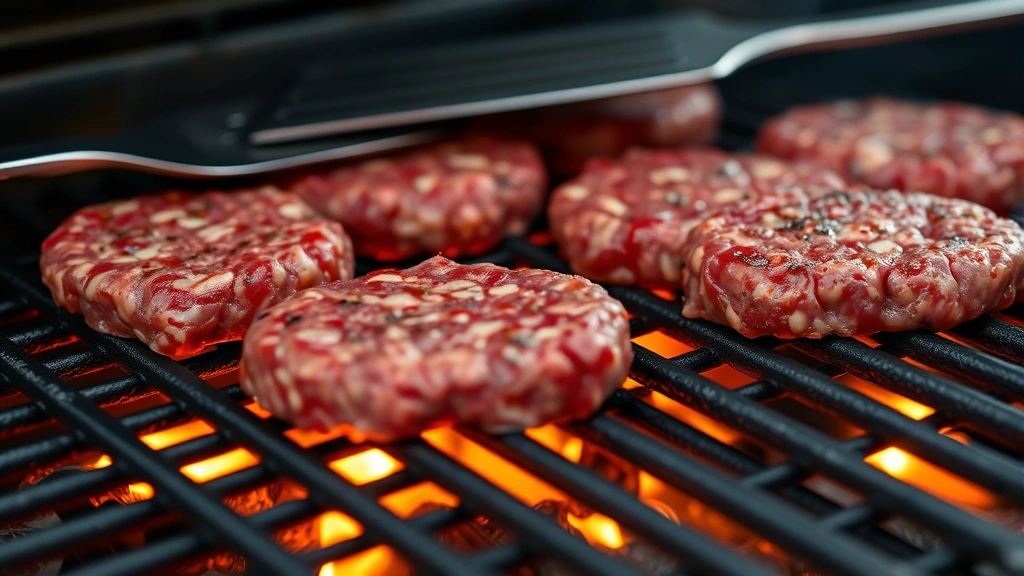
- Form ground beef into four patties about ¾-inch thick, making a small indent in the center of each with your thumb—this prevents them from puffing up during cooking. Season generously with salt, pepper, garlic powder, and smoked paprika on both sides.
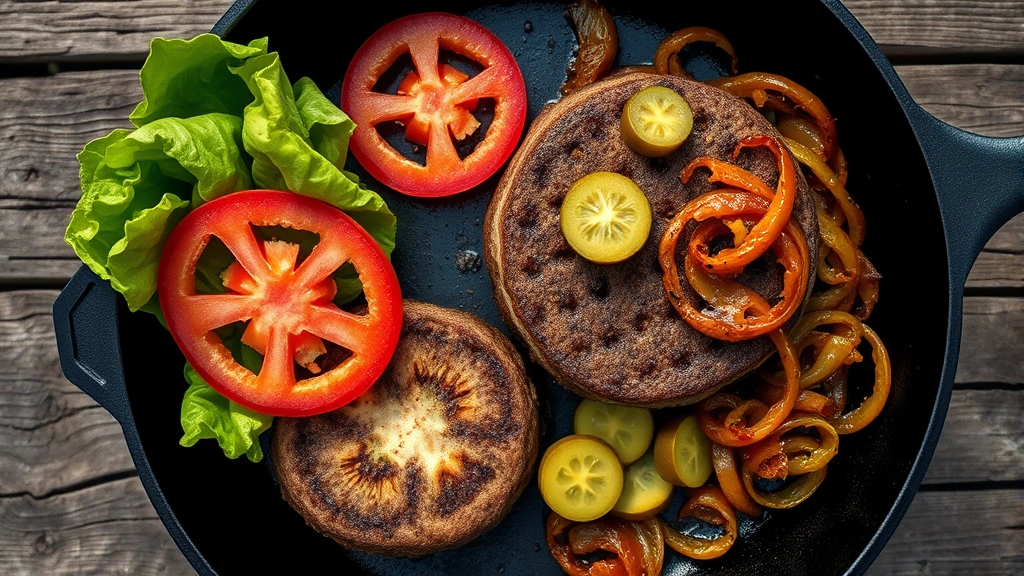
- In a cast-iron skillet over medium-high heat, melt butter and add sliced onions. Cook for 8-10 minutes, stirring occasionally, until onions are deeply caramelized and sweet. Transfer to a clean plate and set aside.
- Place patties directly on the grill grate over your hot zone. Cook for 3-4 minutes without moving them, allowing a beautiful crust to develop. Flip once and cook another 2-3 minutes for medium doneness.
- In the final minute of cooking, top each patty with a slice of cheese and let it melt completely from the residual heat.
- Lightly butter and toast burger buns over the fire for just 30 seconds per side until golden and warm.
- Assemble burgers: place a patty on the bottom bun, top with caramelized onions, tomato slices, lettuce, and pickles. Crown with the top bun.
- Serve immediately while the meat is still warm and the buns are toasted, with any extra toppings on the side for customization.
Pro Tips
These campfire burger recipes benefit immensely from quality meat. Ask your butcher for freshly ground beef with an 80/20 fat-to-lean ratio—this balance creates juicy, flavorful burgers that won’t dry out over the fire. However, if you only have leaner ground beef, add a tablespoon of butter to each pound to compensate and maintain moisture.
The caramelized onions are genuinely transformative. Don’t rush this step—those 8-10 minutes create deep, sweet, complex flavors that elevate everything. Additionally, cooking them separately in a skillet while burgers rest ensures they stay warm and develop proper color without burning.
For cheese selection, avoid pre-sliced varieties if possible. Fresh cheese slices melt more evenly and taste significantly better. American cheese melts beautifully and creates that classic diner burger quality, while cheddar offers more pronounced flavor complexity.
Prepare toppings at home in containers so assembly at camp is quick and organized. Fresh tomatoes, crisp lettuce, and properly pickled pickles make a genuine difference—these aren’t just garnishes; they’re essential flavor components that provide crucial textural contrast.
If you prefer medium-well burgers, cook them 4-5 minutes per side instead. The key is not pressing down on the patties with your spatula while cooking—this squeezes out flavorful juices and creates dry burgers. Let the heat do the work.
Storage: Keep raw patties in your cooler, stored below ready-to-eat items and surrounded by ice packs. Cooked burgers can be wrapped in foil and kept warm near the cooler zone of your fire for up to 30 minutes. Leftover cooked burgers reheat beautifully wrapped in foil over medium heat for 3-4 minutes.
For dietary modifications, create veggie patties using mushrooms, beans, and grains—these cook slightly faster, so watch them carefully. Gluten-free buns work perfectly, and everyone can customize their toppings according to preferences. The fundamental technique remains the same, making this recipe wonderfully adaptable.