
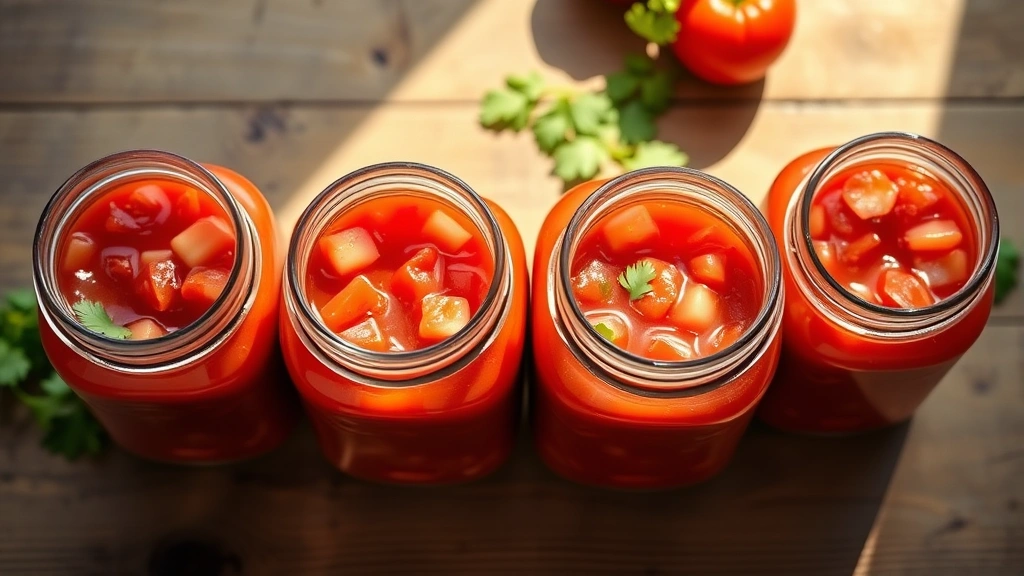
This canned salsa recipe is your secret weapon for creating restaurant-quality salsa that tastes fresher than anything you’ll find on store shelves. I discovered years ago that canning your own salsa at home not only fills your pantry with liquid gold, but it also means you control every single ingredient that goes into it.
The beauty of making homemade canned salsa is that you get to skip all the weird preservatives and excess sodium found in commercial brands. You’ll taste the difference immediately—that bright, authentic flavor that makes you wonder why you ever bought jarred salsa in the first place. Plus, there’s something deeply satisfying about twisting open a jar you made yourself during tomato season.
Jump To Section
Why This Recipe Works
This particular approach combines the best of both worlds: the convenience of canning with the fresh taste of homemade salsa. The key is using a perfect blend of fresh tomatoes, onions, cilantro, and lime juice that gets safely preserved through proper canning techniques. Unlike quick fresh salsas that go watery after a few days, this canned version actually improves as flavors meld together over time.
The acidity level is carefully balanced to ensure safe preservation while maintaining that vibrant, fresh taste. I’ve tested this recipe countless times, and it consistently produces salsa that’s neither too chunky nor too smooth—just right for scooping with chips or topping your favorite Mexican dishes. The processing time ensures shelf stability for up to a year, though honestly, it rarely lasts that long in my house.
What makes this homemade canned salsa recipe stand out is the technique of adding fresh cilantro and lime juice after processing. This keeps those bright, fresh flavors from cooking away, giving you that just-made taste even months later. Meanwhile, the tomatoes, onions, and peppers have time to develop deeper, more complex flavors.
Ingredient Tips & Substitutions
The foundation of great salsa starts with quality tomatoes—and yes, the variety matters. Roma tomatoes are ideal because they have fewer seeds and less water content than beefsteak varieties. However, if you can’t find romas, any firm, ripe tomatoes work beautifully. The important thing is that they’re fresh and flavorful, not those mealy supermarket tomatoes that taste like nothing.
For the peppers, jalapeños provide the classic medium heat, but you can absolutely customize this to your preference. If you love spice, throw in a couple of habaneros or serranos. Prefer milder salsa? Stick with just one jalapeño or substitute with poblano peppers for a smoky flavor without excessive heat. Some folks even add a splash of hot sauce after opening—there’s no wrong way to make this your own.
The onion choice is more flexible than you might think. White onions give you that traditional salsa bite, but red onions add a slightly sweeter note if you prefer. Similarly, cilantro is essential for authentic flavor, but if you’re in that small group of people for whom cilantro tastes like soap, flat-leaf parsley works in a pinch (though it’s definitely a different profile).
Additionally, fresh lime juice is non-negotiable—bottled just doesn’t have the same brightness. If you absolutely must use bottled, use less since the flavor is more concentrated. The lime juice serves double duty: it adds that crucial tartness for canning safety while bringing that authentic fresh salsa taste we’re after.
Serving Suggestions & Pairing Ideas
Obviously, this canned salsa recipe is perfect for chips and guacamole, but its uses go far beyond the appetizer table. I love using it as a base for the best taco soup or spooning it over your favorite pork tacos. The possibilities are honestly endless once you have jars of this on hand.
Try it on top of cream cheese for an easy appetizer, or swirl it into Greek yogurt for a healthier dip option. It’s phenomenal mixed into eggs for breakfast, spooned over baked fish, or used as a topping for your homemade taco rice. Some of my favorite uses are in Mexican soups or as a finishing touch on the perfect taco ring.
For entertaining, this homemade salsa always impresses guests more than anything store-bought could. The jar itself becomes part of the presentation—there’s something beautiful about serving food you made with your own hands. Label them with cute tags and you’ve got the perfect hostess gift that costs just pennies to make.
Storage & Canning Instructions
Proper canning is essential for safety, so don’t skip steps here. You’ll need standard canning equipment: clean jars, new lids, a large pot for processing, and a jar lifter. The good news is that once you’ve processed these jars correctly, they’ll keep safely in your pantry for up to one year without refrigeration.
Before opening, check that the lid has sealed properly—it should be slightly concave and not pop when you press it. Once opened, this canned salsa recipe keeps in the refrigerator for about two weeks. Some people freeze it in ice cube trays for even longer storage, which is brilliant if you like having salsa in smaller portions.
The flavors actually develop beautifully over time, so don’t feel rushed to eat it immediately. A jar that’s been sitting for a month tastes noticeably better than one you made yesterday. That said, there’s also something special about cracking open a jar from last summer and being transported right back to tomato season.
Why Homemade Beats Store-Bought
Once you make your first batch of this canned salsa recipe, you’ll understand why people get genuinely excited about canning season. The taste difference is profound—it’s like comparing fresh-squeezed orange juice to the concentrate version. You know exactly what’s going into your jars: tomatoes, onions, peppers, cilantro, lime, and a little salt. That’s it.
Commercial salsa often includes thickeners, preservatives, and added sugars that muddy the flavor. Your homemade version lets the natural taste of fresh tomatoes shine through. For instance, according to Serious Eats, home-canned products allow for better flavor development because you control fermentation time. Additionally, New York Times Cooking emphasizes that fresh ingredient canning creates superior taste profiles.
The economic argument is pretty compelling too. Making salsa at home costs a fraction of store-bought, especially when tomatoes are in season. One batch typically makes about 8-10 jars, and the cost per jar is usually under a dollar. That same jar would cost $3-5 at the grocery store.
Making this canned salsa recipe has become an annual tradition in my kitchen. There’s something meditative about chopping tomatoes, watching the jars bubble away on the stove, and then carefully lifting them out to cool. And every time I reach for a jar months later, I feel that little spark of pride knowing I made something delicious that my family actually wants to eat.
Ingredients
- 10 pounds fresh Roma tomatoes, cored and quartered
- 2 large white onions, diced
- 4-6 fresh jalapeños, finely minced (seeds removed for less heat)
- 1 red bell pepper, diced
- 1 cup fresh cilantro, finely chopped
- 6 cloves garlic, minced
- ¼ cup fresh lime juice (about 4 limes)
- 2 teaspoons salt
- 1 teaspoon black pepper
- ½ teaspoon cumin (optional)
- ¼ teaspoon cayenne pepper (optional, for extra heat)
Instructions
- Prepare your canning equipment by sterilizing jars, lids, and all tools according to USDA guidelines. Have everything ready before you start cooking.
- Bring a large pot of water to a boil and blanch tomatoes for 30 seconds, then immediately transfer to an ice bath. This makes peeling easier—the skins will slip right off.
- Peel the tomatoes and remove any remaining cores, then roughly chop them into chunks. You should have about 8 cups of tomato pieces.
- In a large, heavy-bottomed stainless steel pot, combine chopped tomatoes, diced onions, minced jalapeños, diced bell pepper, and garlic.
- Bring the mixture to a boil, then reduce heat and simmer for 10-15 minutes, stirring occasionally, until slightly thickened.
- Add salt, black pepper, and cumin if using. Stir well and taste for seasoning—adjust as needed.
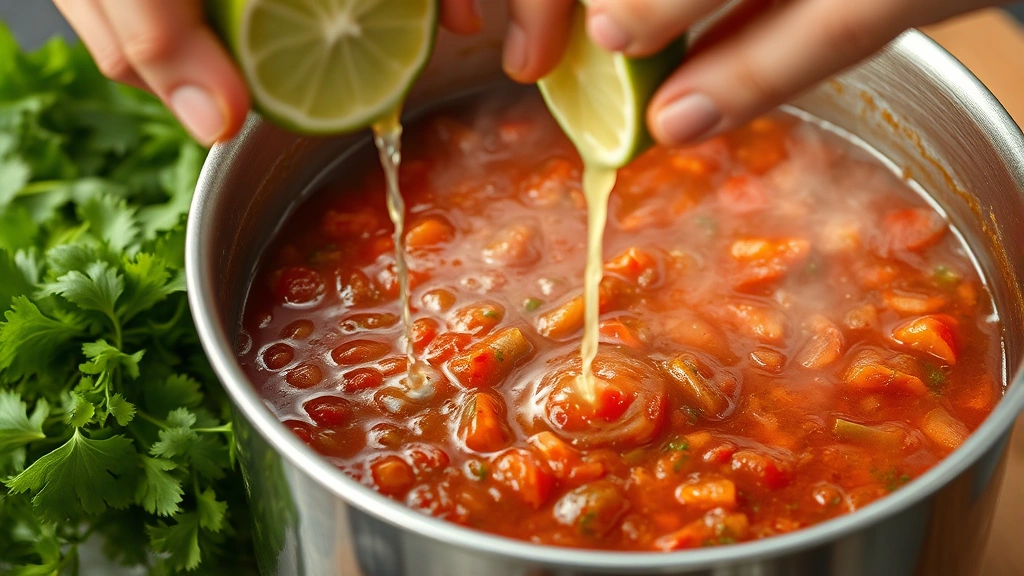
- Remove from heat and stir in the fresh cilantro and lime juice. The fresh additions should be added after cooking to preserve their bright flavor.
- Ladle hot salsa into prepared jars, leaving ½ inch headspace at the top. Wipe the rims clean with a damp cloth.
- Place lids on jars and screw rings on finger-tight—don’t over-tighten as steam needs to escape during processing.
- Process jars in a boiling water bath for 15 minutes for pint jars or 20 minutes for quart jars. Start timing once water returns to a rolling boil.
- Carefully remove jars using a jar lifter and place on a clean kitchen towel to cool completely. You should hear the lids pop as they seal—this is music to a canner’s ears.
- Once completely cool, check seals by pressing the center of each lid. It should be slightly concave and not pop back up.
- Label and date your jars, then store in a cool, dark place for up to one year.
Pro Tips
Safety first: Always follow proper canning procedures to prevent foodborne illness. If you’re new to canning, consult USDA guidelines or a trusted resource like Bon Appétit’s canning basics. The acidity in this recipe is important for preservation, so don’t skip the lime juice or significantly reduce it.
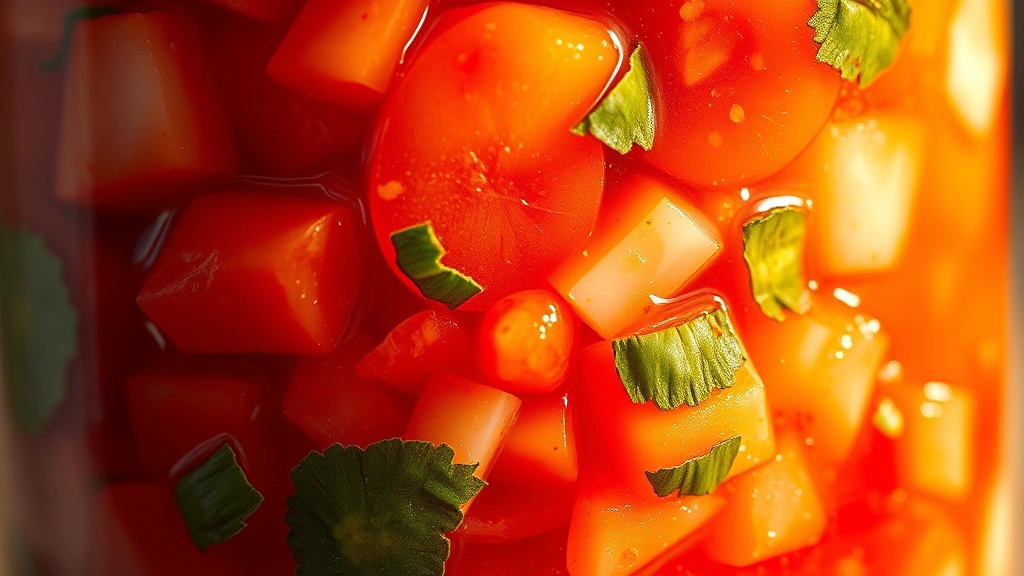
Tomato selection makes a huge difference in your final product. Choose ripe but still slightly firm tomatoes—overripe ones can make your salsa too watery. If your tomatoes are particularly juicy, you can strain them in a colander for 30 minutes before using to remove excess liquid. Alternatively, simmer the mixture a bit longer until it reaches your desired consistency.
The heat level is completely customizable based on your preferences. I like to add the jalapeños with seeds in for a spicier batch, but removing the seeds and white pith tones down the heat considerably. If you want really mild salsa, use just one small jalapeño or skip it entirely and add a tiny pinch of cayenne for warmth without the bite.
Fresh cilantro is best added after cooking to preserve its vibrant flavor, but if you’re not a cilantro fan, you can use flat-leaf parsley or simply omit it. Some people add a small amount of cilantro during cooking for a subtler flavor and then add fresh cilantro after—this gives you the best of both worlds.
Storage tips: Once opened, keep your jars in the refrigerator and use within 2-3 weeks for best quality. If you notice any signs of spoilage—cloudiness, mold, unusual odors, or bulging lids—discard the entire jar without tasting. For longer storage beyond a year, you can freeze the salsa in freezer containers or even ice cube trays for easy portioning.
Make-ahead magic: You can prepare all your ingredients the day before and store them in separate containers in the refrigerator. This means canning day is much less hectic—just combine and cook. Some people even like to freeze fresh tomatoes at peak season and use them for canning later when they have more time.
Troubleshooting: If your salsa turns out too thin after canning, it’s likely because your tomatoes had too much water content. Next time, simmer longer before jarring or choose meatier tomato varieties. If it’s too thick, thin it with a little lime juice or water before serving. If the flavor seems flat after a few weeks, remember that spices develop over time—give it another week or two before deciding you need to adjust anything.