

This canning pickles recipe is the ultimate guide to achieving perfectly crispy, delicious homemade pickles that rival anything you’ll find in a jar at the store. There’s something absolutely magical about opening your pantry and seeing rows of vibrant pickled vegetables that you’ve made with your own two hands. Whether you’re a seasoned canner or picking up a jar for the first time, this foolproof method will have you creating restaurant-quality pickles that your friends and family will absolutely rave about.
I grew up watching my grandmother fill her kitchen with the tangy aroma of pickling spices every summer. She’d spend entire afternoons preparing cucumbers, and the whole house would smell like dill and vinegar for days. That’s when I learned that homemade pickles aren’t just about preserving produce—they’re about capturing a moment, creating memories, and sharing something truly special with the people you love.
Jump To Section
Why This Canning Pickles Recipe Works
The secret to crispy pickles lies in three critical factors: timing, temperature control, and ingredient selection. First, you’ll want to use pickling cucumbers (sometimes called Kirby cucumbers) rather than regular slicing varieties, as they have fewer seeds and thinner skins that absorb flavors beautifully. The brine ratio—a combination of vinegar, water, and salt—needs to be precise to ensure proper preservation while maintaining that satisfying crunch.
Additionally, the boiling water bath canning method used here is the safest approach for high-acid foods like pickles. This process creates a vacuum seal that keeps your pickles fresh for up to a year. Meanwhile, many home canners make the mistake of using inadequate processing time, which can compromise safety and shelf life. By following the exact timing and temperature guidelines in this recipe, you’ll achieve professional results every single time.
Ingredient Tips & Substitutions
Fresh dill is absolutely non-negotiable for authentic flavor, but here’s a pro tip: if you can’t find fresh dill, you can substitute fresh tarragon or a combination of dill seeds and fresh garlic for a slightly different but equally delicious result. For instance, some folks prefer adding a few peppercorns, mustard seeds, or even red pepper flakes for a little heat. The beauty of making your own homemade canned pickles is the freedom to customize them exactly to your taste preferences.
The vinegar you choose matters more than you might think. White vinegar creates classic clear pickles, while apple cider vinegar adds subtle sweetness and complexity. However, avoid distilled vinegar with less than 5% acidity, as it may not provide adequate preservation. For the cucumbers themselves, pick them fresh from the garden or farmers market if possible—they should be firm, green, and ideally no more than 4 inches long for the best texture.
One often-overlooked ingredient is fresh horseradish root or grape leaves, both of which contain natural tannins that help maintain crispness. Simply toss a piece into each jar before adding your brine. You can also find this tip on Serious Eats pickling guides, which offers excellent technical information about pickle preservation techniques.
Preparation & Processing Steps
Start by sterilizing your jars in a boiling water bath for at least 10 minutes—this is crucial for food safety and preventing spoilage. While your jars are sterilizing, prepare your brine by combining vinegar, water, and salt in a large pot. Bring everything to a rolling boil, then reduce heat and keep it warm. This ensures your brine is hot enough to properly process the pickles and create that essential seal.
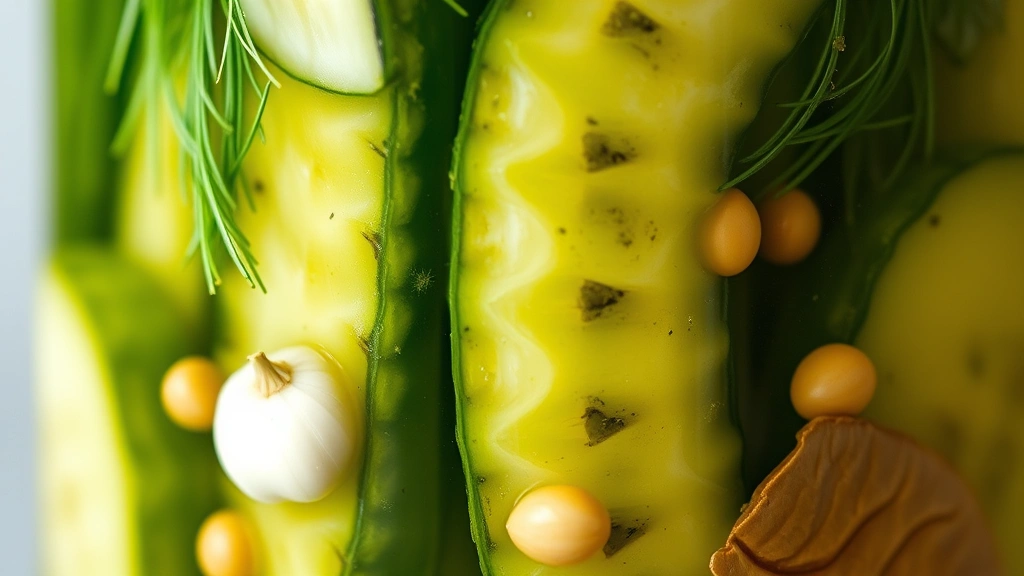
Pack your cucumbers vertically into each sterilized jar, layering them with fresh dill, garlic cloves, and any additional spices you’ve chosen. Pour the hot brine over the cucumbers, leaving exactly ½ inch of headspace—this is critical for proper sealing. Wipe the rims of each jar with a clean, damp cloth before applying the lids and bands. Then carefully process in a boiling water bath for the recommended time based on your jar size.
For more detailed canning techniques, you might also enjoy exploring how to make the best spaghetti sauce recipe for canning, which shares similar preservation principles. The fundamental canning process applies across many preserved foods, so understanding one recipe well helps you master others.
Serving Suggestions & Pairings
These crispy, tangy pickles are incredibly versatile in the kitchen. Serve them alongside charcuterie boards, pair them with the best panini sandwich for a bright contrast, or chop them up for relish on hot dogs and burgers. They’re also fantastic chopped into salads, mixed into potato salad, or served as a palate cleanser with rich, fatty foods. Try topping the best slider sandwiches with a thin pickle slice for an extra layer of flavor and crunch.
Beyond simple snacking, homemade pickles can be used to create amazing condiments. Blend them into the best taco sauce recipe for brightness, or dice them finely to top the best caesar salad for added texture. The brine itself is liquid gold—save it for marinating meats, dressing salads, or even adding to cocktails for a savory twist.
Storage & Shelf Life
Properly processed and sealed pickles will keep in a cool, dark pantry for up to one year. Once you open a jar, store it in the refrigerator and consume within 3-4 weeks for optimal flavor and texture. The sealed jars don’t require refrigeration before opening, which makes them perfect for gift-giving or emergency pantry stockpiling. However, if a jar fails to seal properly (the lid pops back when pressed), refrigerate it immediately and use within 2-3 weeks.
You’ll know your pickles are ready to eat immediately after processing, though many people prefer waiting at least 2-3 weeks for flavors to fully develop and meld. This patience pays off tremendously—the longer they sit, the more complex and delicious they become. Label each jar with the date and batch number if you’re making multiple batches throughout the season. This simple organizational step helps you rotate stock and ensures you’re using the oldest jars first.
For more comprehensive food preservation information, check out New York Times cooking resources, which offers evidence-based canning guidance. Additionally, Bon Appétit’s recipe collection features creative variations on classic pickle recipes that you can explore after mastering this foundational technique.
Making your own canned pickles at home connects you to a centuries-old tradition of food preservation while delivering superior flavor compared to store-bought alternatives. The entire process—from selecting perfect cucumbers to hearing that satisfying pop of the seal—creates a sense of accomplishment that’s hard to beat. Start with this reliable recipe, then feel free to experiment with different spice combinations and cucumber varieties as your confidence grows. Your pantry (and your taste buds) will thank you!
Ingredients
- 4 pounds pickling cucumbers (Kirby or similar variety), trimmed and rinsed
- 4 cups white vinegar (5% acidity)
- 4 cups water
- 4 tablespoons pickling salt (non-iodized)
- 8 cloves fresh garlic, peeled and halved
- 8 fresh dill heads or 4 tablespoons fresh dill sprigs
- 2 teaspoons mustard seeds
- 2 teaspoons black peppercorns
- 4 bay leaves
- ¼ teaspoon red pepper flakes (optional)
- 2-4 grape leaves or horseradish leaves (optional but recommended for crispness)

Instructions
- Prepare your canning equipment by thoroughly washing all jars, lids, and bands in hot soapy water, then sterilize the jars and bands by placing them in a boiling water bath for at least 10 minutes; keep them submerged and hot until ready to use.
- While your jars sterilize, combine the vinegar, water, and pickling salt in a large stainless steel pot and bring to a rolling boil over high heat, then reduce heat to medium-low and keep the brine at a gentle simmer.
- Trim the blossom end from each cucumber and pack them vertically into the hot sterilized jars, fitting them snugly but not so tightly that they’ll crack.
- Layer fresh dill, garlic halves, mustard seeds, peppercorns, bay leaves, and red pepper flakes into each jar as you fill it; add one grape or horseradish leaf to each jar if using.
- Carefully pour the hot brine over the packed cucumbers in each jar, leaving exactly ½ inch of headspace at the top—this is critical for proper sealing.
- Wipe the rim of each jar thoroughly with a clean, damp cloth or paper towel to remove any brine residue, then firmly apply the sterilized lids and screw on the bands until fingertip-tight (do not over-tighten).
- Place the filled jars on a rack in your boiling water bath canner, ensuring they’re covered by at least 1 inch of water; bring the water to a rolling boil.
- Process quart jars for 15 minutes (adjust time for altitude if you’re above 1,000 feet elevation) or pint jars for 10 minutes, maintaining a gentle but steady boil throughout.
- Carefully remove the jars from the boiling water using a jar lifter and place them on a clean kitchen towel, spacing them so air can circulate; do not disturb them for at least 24 hours.
- After 24 hours, check that all lids have sealed properly by pressing the center of each lid—it should be concave and not pop back; remove the bands and store sealed jars in a cool, dark place for up to one year.
Pro Tips
The most common mistake people make when canning pickles is not allowing enough time between picking cucumbers and processing them. Ideally, use your cucumbers within 24 hours of harvesting for maximum crispness. If you must wait longer, store them in the refrigerator and plan to process them as soon as possible.
Altitude matters significantly when canning. If you live above 1,000 feet elevation, you’ll need to increase your processing time. For every 1,000 feet above sea level, add 1 minute to your processing time. You can find specific altitude corrections on the National Center for Home Food Preservation website.
Soft or mushy pickles usually result from using older cucumbers, not removing the blossom end (which contains enzymes that soften pickles), or from inadequate heat during processing. Fresh grape leaves or horseradish leaves contain natural tannins that strengthen cell walls—this is why they’re so effective for maintaining crispness. Additionally, ensure your vinegar has at least 5% acidity; anything less may not adequately preserve your pickles.
For spice variations, consider adding fresh thyme, whole cloves, or cinnamon sticks for sweeter bread-and-butter style pickles. However, stick with the basic vinegar-salt-water ratio for food safety. The beauty of this reliable foundation means you can confidently experiment with flavoring additions without compromising preservation.
Once sealed jars cool completely, you’ll often hear a satisfying “pop” as the lid seals—this magical sound confirms your hard work paid off! Store your jars in a pantry, basement, or cupboard where temperatures stay cool and consistent. Avoid direct sunlight, which can fade the color of your pickles over time.