

This Carolina barbecue sauce recipe is the real deal—tangy, slightly sweet, and absolutely perfect for pulled pork, ribs, or any grilled meat you can imagine. If you’ve ever tasted authentic Carolina barbecue, you know it’s nothing like those thick, ketchup-heavy sauces from other regions. Instead, it’s a vinegar-based masterpiece that lets the smoke and meat shine through while adding just the right amount of flavor.
Growing up, I spent summers at my grandmother’s house in North Carolina, where she’d make this sauce for backyard cookouts. She never wrote down the recipe—just threw ingredients together by feel—but after years of experimentation, I’ve finally nailed it. The beauty of this sauce is its simplicity and its incredible versatility.
Jump To Section
Why This Recipe Works
The magic of a Carolina barbecue sauce recipe lies in the balance between vinegar, spice, and heat. Unlike heavier regional styles, this version uses apple cider vinegar as its foundation, which gives it that distinctive tangy kick that Carolina barbecue is famous for. The vinegar cuts through rich, fatty meats beautifully and actually helps tenderize them during the cooking process.
What makes this sauce different from others is the restraint. There’s no tomato paste weighing it down, no brown sugar making it overly sweet. Instead, you get layers of flavor from mustard, hot sauce, and Worcestershire sauce that build on each other. Additionally, the heat from the red pepper flakes and cayenne gives it character without overwhelming your palate.
This sauce works equally well as a finishing glaze, a dipping sauce, or a marinade. I’ve used it on everything from pulled pork sandwiches to grilled burgers, and honestly, it never disappoints. The fact that it comes together in literally five minutes means you can make it while your meat is cooking.
Ingredient Tips & Substitutions
Let’s talk about what goes into this Carolina barbecue sauce recipe and why each ingredient matters. Apple cider vinegar is non-negotiable here—it’s the backbone of authentic Carolina sauce. If you absolutely can’t find it, white vinegar works in a pinch, but it’ll taste sharper and less mellow. Don’t use balsamic or red wine vinegar; they’ll throw off the entire flavor profile.
The yellow mustard might seem like an odd choice to some, but it’s what gives this sauce its signature tang and slight sweetness. Some people use spicy brown mustard for more kick, which is totally fine. For a complementary sauce option, you could also explore other regional styles, but the mustard is what makes this distinctly Carolina.
Hot sauce adds heat and depth. I use Frank’s RedHot because it’s not too aggressive and adds vinegar notes that complement the cider vinegar already in the sauce. However, if you prefer something milder, use less hot sauce or choose a gentler brand. On the flip side, if you love spicy food, add extra cayenne pepper or hot sauce to taste.
Worcestershire sauce brings umami and complexity that you can’t replicate any other way. Brown sugar adds just a touch of sweetness to balance the vinegar’s sharpness. Some traditional recipes skip it entirely, but I find a tablespoon or two makes the sauce more balanced. Meanwhile, the red pepper flakes and cayenne give you control over the heat level.
How to Make Carolina Barbecue Sauce
Making this sauce is genuinely foolproof. Simply combine all your ingredients in a bowl and whisk them together until smooth. That’s it. No cooking required, no complicated steps. The flavors meld together beautifully and actually improve if you let them sit for a few hours, though it’s absolutely delicious right away.
If you want a thicker consistency, you can heat the sauce gently on the stovetop over medium-low heat for a few minutes, stirring occasionally. However, I prefer it as-is because the thinner consistency works better for basting meat during cooking. The sauce will cling to the meat without burning as easily as thicker versions.
For pulled pork applications, this sauce is absolutely perfect straight from the bowl. If you’re using it for grilling, apply it during the last few minutes of cooking to prevent charring. For dipping, you might want to make it slightly thicker by reducing it on the stovetop for 5-10 minutes.
Serving Suggestions & Storage
This Carolina barbecue sauce recipe is endlessly versatile. Obviously, it’s spectacular on pulled pork—that’s its classic application. But I’ve also used it on ribs, chicken, brisket, and even fish with excellent results. Try drizzling it over pork stir-fry or mixing it into coleslaw for a unique side dish.
One of my favorite ways to use this sauce is as a finishing glaze for grilled vegetables. The vinegar actually brings out the natural sweetness of corn, peppers, and onions. For something completely different, try using it as a barbecue sauce alternative for tacos or nachos.
Storage is wonderfully simple. Keep this sauce in an airtight container in the refrigerator for up to three weeks. The vinegar acts as a natural preservative, so it actually keeps longer than many other sauces. You can also freeze it for up to three months if you want to make a big batch and use it throughout grilling season.
Before serving stored sauce, give it a good stir since the ingredients may have settled. If it’s been refrigerated and seems too thick, thin it with a splash of apple cider vinegar or water. The flavor actually deepens and improves after sitting overnight, so don’t hesitate to make it a day ahead for your cookout.
Tips for Perfect Carolina Barbecue Every Time
Here’s my biggest pro tip: make this sauce while your meat is cooking, not after. This way, you can taste it and adjust the seasoning if needed. Everyone’s heat tolerance is different, so you might want more cayenne than I call for, or maybe less hot sauce.
When using this as a basting sauce during cooking, apply it in the last 5-10 minutes to prevent it from burning on the surface. The vinegar can char if exposed to direct heat for too long. If you’re smoking meat low and slow, you can apply it earlier, but watch carefully to make sure it doesn’t blacken.
Don’t be afraid to experiment with the basic formula. Some people add a splash of bourbon, others include fresh ginger or garlic. The beauty of this Carolina barbecue sauce recipe is that it’s forgiving and welcomes personalization. Start with my version, then make it your own.
For the best results, use freshly opened bottles of hot sauce and Worcestershire sauce. Over time, these condiments can lose some of their punch, which affects your final sauce. Additionally, taste your apple cider vinegar before using it—some brands are more acidic than others, so you might need to adjust slightly.
This sauce is best served at room temperature or slightly warm. Cold sauce tastes muted and one-dimensional. If you’ve refrigerated it, let it sit out for 15-20 minutes before serving, or gently warm it on the stovetop. The flavors really come alive when it’s not ice-cold, and you’ll appreciate the complexity much more.
Ingredients
- 1 cup apple cider vinegar
- ¼ cup yellow mustard
- 3 tablespoons hot sauce (Frank’s RedHot or similar)
- 2 tablespoons Worcestershire sauce
- 1 tablespoon brown sugar
- 1 teaspoon red pepper flakes
- ½ teaspoon cayenne pepper
- ½ teaspoon garlic powder
- ½ teaspoon black pepper
- ¼ teaspoon salt
- Pinch of paprika (optional)
Instructions
- Combine the apple cider vinegar, yellow mustard, hot sauce, and Worcestershire sauce in a medium bowl.
- Add the brown sugar, red pepper flakes, cayenne pepper, garlic powder, black pepper, and salt to the bowl.
- Whisk all ingredients together until well combined and smooth, making sure the brown sugar is fully dissolved.
- Taste the sauce and adjust seasonings as needed—add more cayenne if you prefer more heat, or more brown sugar if you want it slightly sweeter.
- If using immediately, transfer to a serving bowl or bottle. For best flavor, let the sauce sit at room temperature for at least 30 minutes before serving.
- For a thicker consistency, transfer to a small saucepan and simmer over medium-low heat for 5-10 minutes, stirring occasionally.
- Store in an airtight container in the refrigerator for up to 3 weeks, or freeze for up to 3 months.
Pro Tips
This Carolina barbecue sauce recipe is incredibly flexible and forgiving. If you find it too vinegary on first taste, don’t worry—the flavors balance beautifully as it sits. However, if it’s really overwhelming, you can add a teaspoon more brown sugar or a splash of water to mellow it out.
For those who prefer a milder sauce, reduce the hot sauce to 2 tablespoons and use just ¼ teaspoon cayenne pepper. You can always add more heat later, but you can’t take it out. Conversely, spice lovers might want to increase the cayenne to ¾ teaspoon or add a teaspoon of sriracha for extra kick.
Some people like to add a splash of bourbon, whiskey, or even cola to this sauce. I usually skip it, but if you want to experiment, add just 2-3 tablespoons. Any more than that will throw off the balance. Additionally, fresh minced garlic (about 1 teaspoon) adds wonderful depth if you prefer a more robust flavor profile.
Making a big batch? This recipe doubles easily. I often make a double or triple batch at the beginning of grilling season and store it in the refrigerator. The vinegar preserves it beautifully, and having homemade sauce on hand means you’re always ready for a cookout.
If you’re using this as a marinade for pork or chicken, let the meat sit in the sauce for at least 2 hours, though overnight is better. The vinegar will help tenderize the meat while infusing it with flavor. For grilling, reserve some sauce in a separate container for serving, and don’t cross-contaminate with the raw meat marinade.
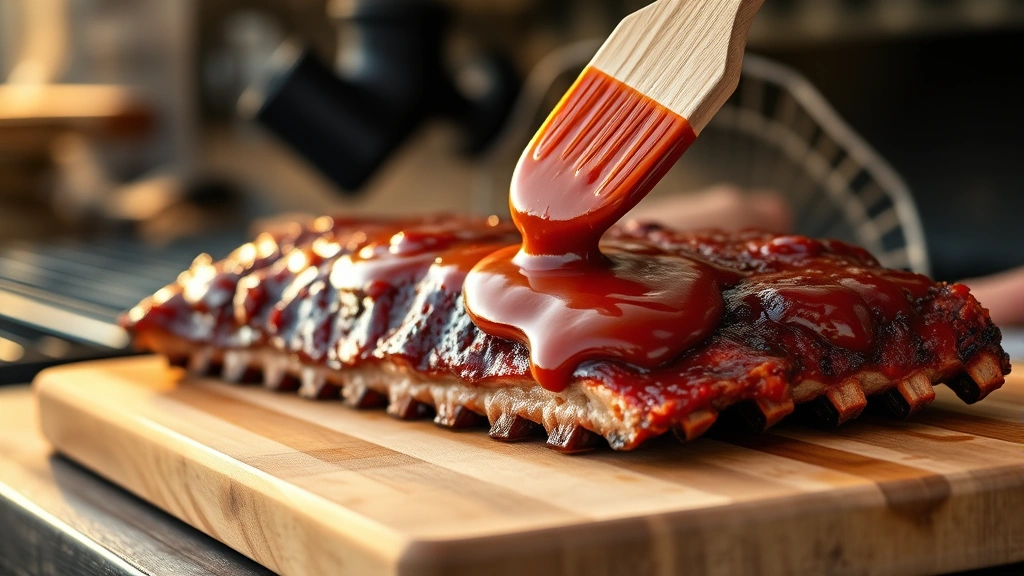
When brushing this sauce on meat during cooking, use a silicone brush rather than a bristle brush, which can shed bristles. Apply it in thin coats rather than one thick coat—thin layers adhere better and cook more evenly. The goal is flavor enhancement, not a heavy coating.
This sauce works beautifully as a finishing sauce for smoked meats. After your pork or ribs come off the smoker, brush them with the sauce and let it warm slightly from the residual heat. This creates a beautiful glaze without any risk of burning.