

A Carolina BBQ sauce recipe is the secret weapon every backyard cook needs in their arsenal. This authentic, tangy condiment comes together in just 15 minutes and transforms ordinary grilled meats into something truly spectacular.
What makes Carolina BBQ sauce so special? It’s the perfect balance of vinegar-forward tanginess, subtle sweetness, and just enough heat to keep things interesting. Unlike heavier, molasses-based sauces from other regions, this lighter version lets the smoky flavors of your grilled meats shine through while adding incredible depth and complexity.
Jump To Section
I fell in love with this sauce years ago at a small BBQ joint in the Piedmont region of North Carolina. The owner, a third-generation pitmaster, shared that the best Carolina sauce respects the meat first and foremost. That philosophy changed how I approach BBQ forever. Now, whenever I fire up the grill, this is my go-to sauce.
Why This Recipe Works
The magic happens when you combine apple cider vinegar with a touch of brown sugar and spices. This particular blend creates a sauce that’s bright, memorable, and versatile enough for any protein. The vinegar cuts through rich, fatty meats beautifully, while the sweetness keeps it balanced and approachable for everyone at the table.
Additionally, this sauce comes together without any cooking required. You simply whisk ingredients together, taste as you go, and boom—you’ve got restaurant-quality sauce ready to go. No simmering for hours, no complicated techniques. Just honest, straightforward flavors that let your grilling skills take center stage.
The beauty of this Carolina sauce lies in its simplicity. When you use quality ingredients—particularly good apple cider vinegar—you don’t need much else. The result is a sauce that tastes fresh, vibrant, and nothing like those overly sweet, store-bought versions gathering dust in your pantry.
Ingredient Tips & Substitutions
Start with apple cider vinegar as your base—this is non-negotiable for authentic Carolina flavor. Look for unfiltered versions with the mother still intact; they have more character and complexity. If you absolutely can’t find it, white vinegar works in a pinch, though you’ll lose some of that fruity depth.
For the sweetener, brown sugar is traditional, but honey or maple syrup create interesting variations. However, I always return to brown sugar because it dissolves easily and adds subtle molasses notes without overpowering the vinegar. Use light brown sugar if you prefer a milder sweetness, or dark brown if you want richer flavor.
The spice profile matters more than you’d think. Cayenne pepper brings heat, but start with less than the recipe calls for—you can always add more. Worcestershire sauce and Dijon mustard add savory umami that rounds out the sharpness of the vinegar. Meanwhile, garlic powder and onion powder create a subtle backbone without any texture.
Consider this sauce a starting point for experimentation. Some people add a splash of hot sauce for extra kick, while others include a touch of liquid smoke for depth. I’ve even seen versions with apple juice or a hint of molasses. The key is tasting as you go and adjusting to your preferences.
Perfect Pairings & Serving Ideas
This sauce absolutely shines on pulled pork, where its tangy brightness complements the rich, smoky meat beautifully. The vinegar cuts through the fattiness while the subtle sweetness adds complexity. Brush it on during the last few minutes of cooking or serve it on the side for people to customize their own plates.
For instance, try drizzling this sauce over grilled burgers for a tangy, unexpected twist. It’s particularly wonderful on leaner beef burgers where the sauce adds essential moisture and flavor. Layer it under the cheese so it melts slightly and creates a flavorful barrier between the meat and bun.
Your steak sandwiches deserve this sauce too. A thin spread under juicy grilled steak adds tremendous character without masking the meat’s natural flavors. The vinegar’s acidity brightens everything while maintaining that sophisticated, meaty profile.
Don’t limit yourself to just meat, either. This Carolina sauce works wonderfully as a finishing drizzle for grilled vegetables, a dipping sauce for crispy fried chicken, or even as a condiment for pulled chicken sandwiches. The versatility is genuinely impressive.
Storage & Reheating Tips
The wonderful news? This sauce keeps beautifully in the refrigerator for up to three weeks in an airtight container. The flavors actually deepen and meld together over time, making it even better on day three than day one. Just give it a good stir before using, and you’re good to go.
For longer storage, this sauce freezes exceptionally well for up to three months. Pour it into ice cube trays, freeze solid, then transfer the cubes to a freezer bag. Now you’ve got individual portions ready whenever the grilling mood strikes. No thawing needed—just pop a cube into your grill sauce container.
However, I rarely find it lasts that long in my house. Homemade sauce disappears fast when guests discover how delicious it is. Many people ask for the recipe after their first taste, and honestly, I love sharing this simplified version that anyone can master.
For external inspiration and techniques, check out Serious Eats’ barbecue guides and New York Times Cooking for additional grilling wisdom. Bon Appétit’s BBQ collection also offers fantastic complementary recipes and techniques.
Why You’ll Love This Carolina BBQ Sauce
This recipe delivers authentic Carolina flavor without pretension or complicated steps. Fifteen minutes from your pantry to your grill—that’s genuinely all you need. The result tastes like it came from a centuries-old family recipe, but with the convenience of modern cooking.
The flavor profile respects the meat while making everything taste better. This isn’t a sauce that tries to cover up mediocre BBQ; instead, it enhances and amplifies the smoky, charred perfection you’ve worked hard to achieve. It’s bright when you need brightness, subtle when subtlety serves you better, and always, always memorable.
Whether you’re hosting your first backyard BBQ or you’re a seasoned pitmaster looking for a fresh approach, this Carolina BBQ sauce recipe belongs in your regular rotation. Once you master this version, you’ll understand why people drive across state lines for authentic Carolina barbecue. Now you can create that experience in your own backyard.
Ingredients
- 1 cup apple cider vinegar
- ¼ cup brown sugar, packed
- 2 tablespoons Worcestershire sauce
- 1 tablespoon Dijon mustard
- 1 teaspoon garlic powder
- 1 teaspoon onion powder
- ½ teaspoon cayenne pepper (adjust to taste)
- ¼ teaspoon black pepper
- ¼ teaspoon salt (adjust to taste)
- ¼ teaspoon red pepper flakes (optional)
- 1 tablespoon hot sauce (optional)
- 1 teaspoon liquid smoke (optional)
Instructions
- Pour the apple cider vinegar into a medium bowl or measuring cup with a spout for easy pouring.
- Add the packed brown sugar, Worcestershire sauce, and Dijon mustard to the vinegar.
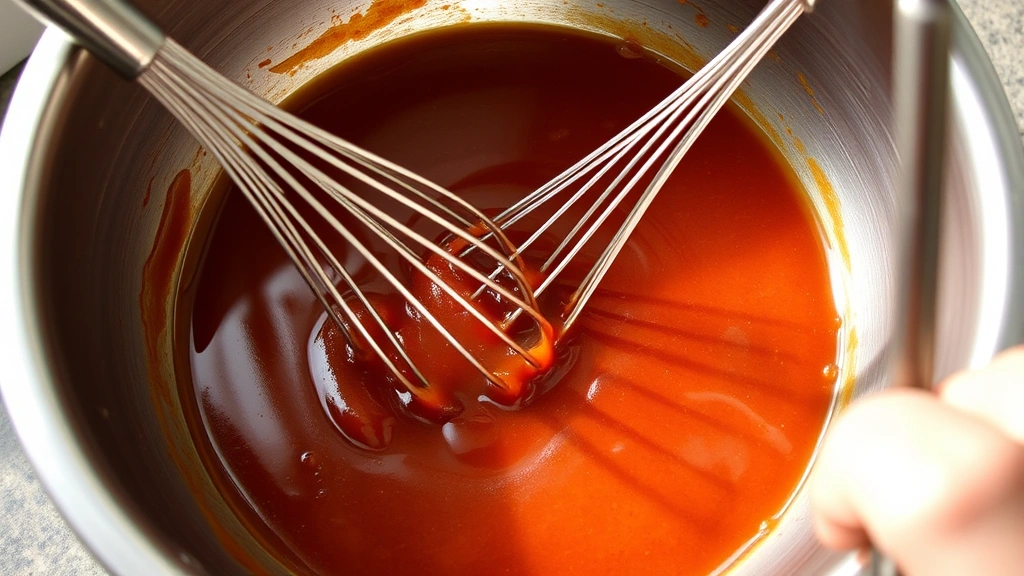
- Whisk the ingredients together until the brown sugar dissolves completely and the mixture is smooth.
- Sprinkle in the garlic powder, onion powder, cayenne pepper, black pepper, and salt.
- Whisk vigorously for about one minute until all spices are fully incorporated and the sauce is uniform.
- Taste the sauce on a clean spoon and adjust seasonings—add more cayenne for heat, more salt for depth, or more brown sugar for sweetness.
- If using optional ingredients, add hot sauce for extra kick or liquid smoke for deeper smoky flavor, then whisk to combine.
- Let the sauce rest at room temperature for 5 minutes to allow flavors to marry.
- Use immediately as a finishing sauce, dipping sauce, or brush during the last minutes of grilling.
- Transfer any leftover sauce to an airtight container and refrigerate until ready to use.
Pro Tips
Start by tasting your vinegar straight from the bottle before making this sauce. Different brands vary in acidity and flavor intensity, which directly impacts your final result. This step takes 10 seconds but makes a real difference in the outcome.
When adjusting seasonings, remember that flavors intensify as the sauce sits. Make your changes gradually, then taste again after 5 minutes. You’ll often find the sauce is perfectly balanced once the ingredients have time to meld together.
The optional ingredients deserve attention. Hot sauce adds complexity beyond just heat—different varieties contribute different flavor profiles. Liquid smoke brings authentic barbecue character if you’re using a gas grill or smoking box. However, if your grill itself produces plenty of smoke, you might skip the liquid smoke.
For serving, consider the temperature of your meat. Hot meat absorbs sauce flavors more readily than cold meat, so brush this sauce on during those final minutes of cooking when the meat is hottest. This creates better flavor penetration and a slightly caramelized exterior.
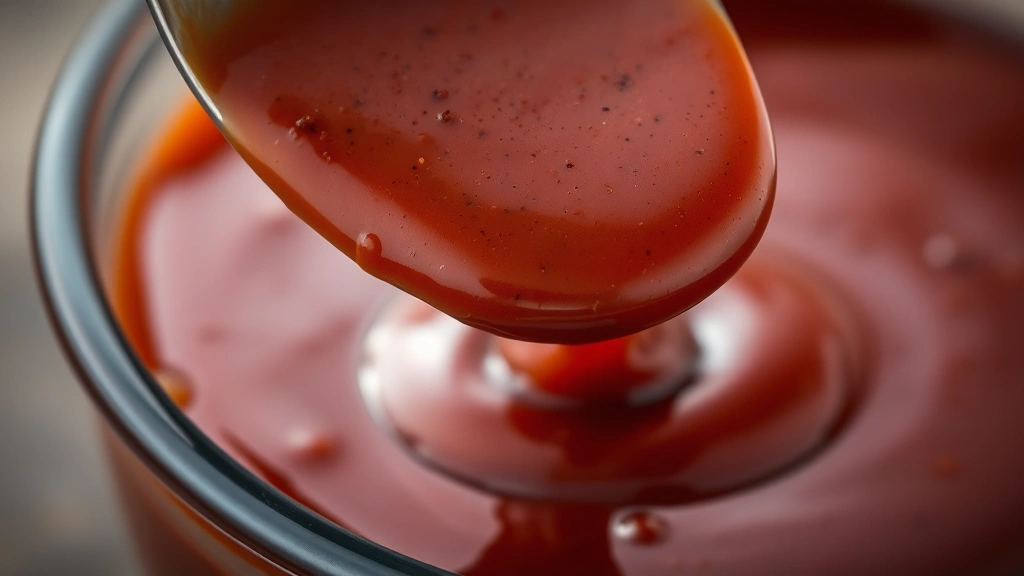
Storage is remarkably simple. Glass jars work beautifully and let you see exactly how much sauce remains. The sauce separates slightly during storage as the vinegar and oil-based ingredients settle—this is completely normal and expected. Just give it a good shake or stir before using.
Meanwhile, if you’re batch-making for meal prep or entertaining, this recipe doubles and triples easily. The ingredient ratios remain consistent, so you can confidently scale up without worrying about balance. Make a big batch and you’ll have sauce ready for multiple grilling sessions.
For those concerned about sodium, you can reduce the Worcestershire sauce slightly, though this decreases the savory depth. The salt content is actually quite mild compared to commercial BBQ sauces, making this a genuinely lighter option.
Temperature matters when using this sauce on your grill. Never apply it to meat over direct, high heat, as the sugar will burn and create bitter flavors. Instead, apply it during the last 2-3 minutes over lower heat, or use it as a finishing glaze after the meat comes off the grill.