

Chayote squash recipes are the secret weapon every home cook needs in their kitchen arsenal. This versatile, mild-flavored vegetable is criminally underrated, and once you discover how easy it is to prepare, you’ll be finding endless ways to incorporate it into your weekly meals.
If you’ve never cooked with chayote before, prepare to be pleasantly surprised. The texture is delicate yet sturdy enough to hold up to roasting, sautéing, or even grilling. The flavor? Think of it as a gentle cross between a zucchini and a summer squash with just a hint of sweetness. It’s the kind of vegetable that plays well with others, whether you’re building a Mexican-inspired dish or creating something Mediterranean.
Jump To Section
I discovered chayote squash recipes years ago at a farmers market, intrigued by their pale green, pear-like appearance. The vendor promised they were “nothing like you’ve ever cooked before,” and honestly, they were right. What struck me most was how adaptable this vegetable turned out to be. One week I was roasting them with garlic and lime, the next I was tossing them into a warming soup. The possibilities genuinely seem endless.
Why This Vegetable Deserves More Love
Chayote is packed with fiber, vitamin C, and antioxidants while remaining incredibly low in calories. Beyond the nutrition facts, this squash is wonderfully budget-friendly and stays fresh in your refrigerator for weeks. It’s also one of those vegetables that doesn’t require fancy knife skills—the skin is thin enough to peel easily, and the flesh is soft enough for quick cooking.
The best part? Chayote works beautifully in both warm and cold preparations. You can combine it with fresh Mexican-inspired salads, add it to hearty soups, or roast it until the edges caramelize. Additionally, it absorbs flavors like a dream, making it perfect for marinades and seasoning combinations that might otherwise be overwhelming for more delicate vegetables.
Ingredient Tips & Preparation Basics
When selecting chayote squash, look for firm specimens without soft spots or blemishes. The skin should feel smooth and unblemished. Store them in a cool, dark place or your vegetable drawer—they’ll keep for about two weeks, sometimes longer if you’re lucky.
Preparing chayote is refreshingly simple. Just rinse under cool water and use a vegetable peeler to remove the thin, pale green skin. You’ll notice the flesh is pale white or cream-colored—that’s exactly what you’re looking for. The pit in the center is edible and tender, so there’s minimal waste. If you prefer, you can halve the squash lengthwise, scoop out the pit, and roast the halves cut-side down for a stunning presentation.
For raw preparations, simply julienne or thinly slice your peeled chayote and use it immediately to prevent browning. However, if you’re cooking it—whether sautéing, roasting, or simmering—this vegetable is incredibly forgiving. It won’t fall apart like some delicate squashes, yet it cooks faster than denser varieties like butternut.
Cooking Methods & Best Practices
Roasting brings out subtle sweetness in chayote squash recipes that you won’t achieve through other methods. Toss peeled and diced pieces with olive oil, garlic, and your favorite seasonings, then spread on a baking sheet at 400°F for about 25-30 minutes until the edges turn golden. The exterior caramelizes beautifully while the interior stays tender.
Sautéing is perhaps the quickest approach. Heat a skillet over medium-high heat, add your prepared chayote (cut into thin half-moons or small cubes), and cook for 8-12 minutes until just tender, stirring occasionally. This method works wonderfully when you’re building a quick weeknight dinner or adding chayote to vegetable beef soups and hearty stews.
For soup applications, chayote squash recipes shine when you’re creating something brothy and comforting. Unlike butternut squash, chayote doesn’t become creamy when blended—instead, it maintains its delicate structure, making it perfect for brothier preparations or lighter soup recipes inspired by restaurant classics. Simply dice and simmer in vegetable or chicken broth for 15-20 minutes.
Flavor Pairing & Seasoning Guide
Chayote’s mild flavor profile makes it a chameleon in the kitchen. Lime juice and cilantro are natural partners—they brighten the vegetable’s subtle sweetness and create an instantly fresh, vibrant dish. Garlic and onions are your foundation for almost any savory preparation.
Mexican seasonings are perhaps the most traditional approach. Think cumin, chili powder, and a pinch of smoked paprika. But don’t stop there. Chayote responds beautifully to Asian-inspired flavors too—ginger, soy sauce, and sesame oil create something entirely different. For Mediterranean preparations, pair it with oregano, thyme, tomatoes, and feta cheese.
Meanwhile, don’t overlook simple preparations with just butter, salt, and pepper. Sometimes the most elegant chayote squash recipes are the ones that let the vegetable’s natural delicacy shine through without too many competing flavors.
Serving Suggestions & Menu Planning
Roasted chayote makes an elegant side dish for grilled chicken or fish. Pair it with cilantro-lime rice and black beans for a complete meal that feels restaurant-quality yet comes together in under 45 minutes. For vegetarian dinners, serve alongside quinoa or farro with a tahini dressing.
Raw chayote slaws are perfect for summer entertaining. Julienne the vegetable, toss with lime dressing, fresh mint, and jalapeños, and you’ve got a crisp accompaniment that pairs beautifully with grilled proteins. Speaking of fresh preparations, try adding thin chayote slices to Mexican corn salads for textural contrast.
In soups, chayote plays well with other vegetables. It’s lighter than butternut squash but heartier than zucchini, making it ideal for fall and spring soups. For instance, a simple broth with chayote, tomatoes, and cilantro becomes something special when you finish it with fresh lime and a drizzle of crema.
Storage, Reheating & Make-Ahead Tips
Raw chayote keeps well in your refrigerator for up to two weeks when stored in the vegetable drawer. Once cooked, chayote dishes last about 3-4 days in an airtight container. The texture remains pleasant even after refrigeration, making these recipes perfect for meal prep.
Reheating is straightforward. Sautéed chayote can go straight into a skillet over medium heat for a few minutes to warm through. Roasted pieces reheat beautifully in a 350°F oven for about 10 minutes. Soups reheat gently over low heat on the stovetop—avoid high temperatures, which might break down the delicate vegetable further.
Additionally, you can blanch and freeze raw chayote for later use. This works particularly well if you’re planning to use it in cooked dishes. Simply peel, dice, blanch for 2-3 minutes, plunge into ice water, drain thoroughly, and freeze in an airtight container for up to three months. This approach is perfect when chayote is in season and you want to enjoy it year-round.
For make-ahead entertaining, prepare all your chayote pieces in the morning, store them in a bowl of cool water with a squeeze of lemon juice to prevent browning, and cook them just before serving. This keeps your last-minute cooking stress to a minimum while ensuring the freshest possible flavor.
Whether you’re exploring chayote squash recipes for the first time or you’re already a devoted fan, these gems deserve a permanent spot in your kitchen. They’re versatile, nutritious, budget-friendly, and genuinely delicious. Start with your favorite preparation method, and I promise you’ll soon be experimenting with new ways to cook this underrated vegetable. Your weeknight dinners—and your farmers market adventures—will never be quite the same. For more inspiration, check out other fantastic squash recipes that celebrate seasonal vegetables.
Ingredients
- 4 medium chayote squashes, peeled and pitted
- 3 tablespoons extra virgin olive oil
- 4 cloves garlic, minced
- 1 teaspoon ground cumin
- ½ teaspoon smoked paprika
- ¼ teaspoon cayenne pepper, optional
- 1 lime, zested and juiced
- Salt and freshly ground black pepper to taste
- ¼ cup fresh cilantro, chopped
- 2 tablespoons cotija cheese, crumbled, optional
- Red pepper flakes for garnish, optional
Instructions
- Preheat your oven to 400°F and line a large baking sheet with parchment paper for easy cleanup.
- Rinse the chayote squashes under cool running water and use a vegetable peeler to remove the thin pale green skin, working carefully around the vegetable.
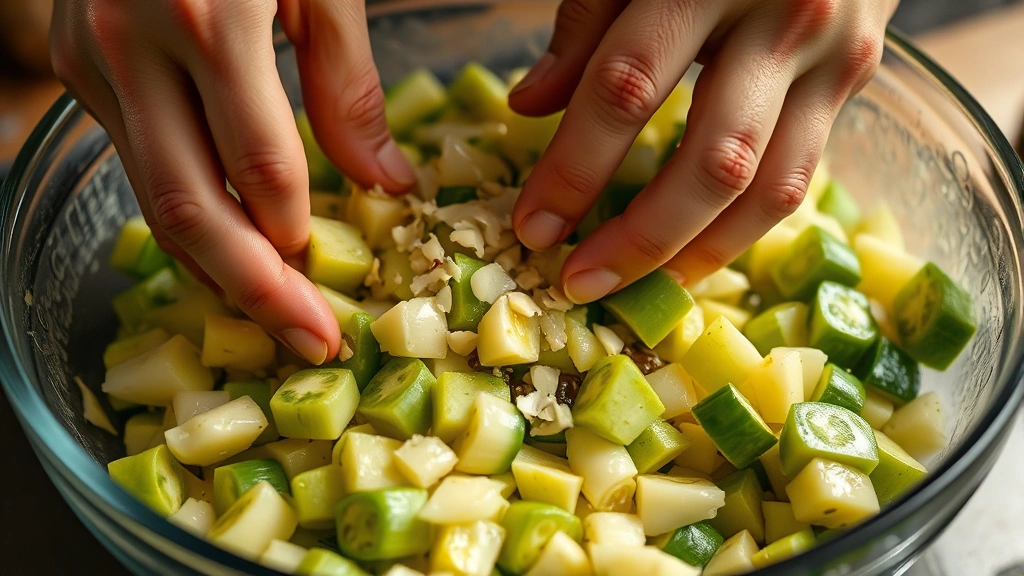
- Slice each chayote in half lengthwise and use a small spoon to gently scoop out the central pit. Cut the halves into ¾-inch pieces and place them in a large mixing bowl.
- Drizzle the chayote pieces with olive oil and add the minced garlic, cumin, smoked paprika, and cayenne pepper if using.
- Toss everything together until the chayote pieces are evenly coated with the oil and seasonings. Season generously with salt and freshly ground black pepper.
- Spread the seasoned chayote in a single layer on your prepared baking sheet, ensuring pieces aren’t overcrowded for better roasting.
- Roast in the preheated oven for 25-30 minutes, stirring halfway through cooking, until the edges are golden brown and the flesh is tender when pierced with a fork.
- Remove from the oven and immediately toss with fresh lime juice and lime zest while the chayote is still warm.
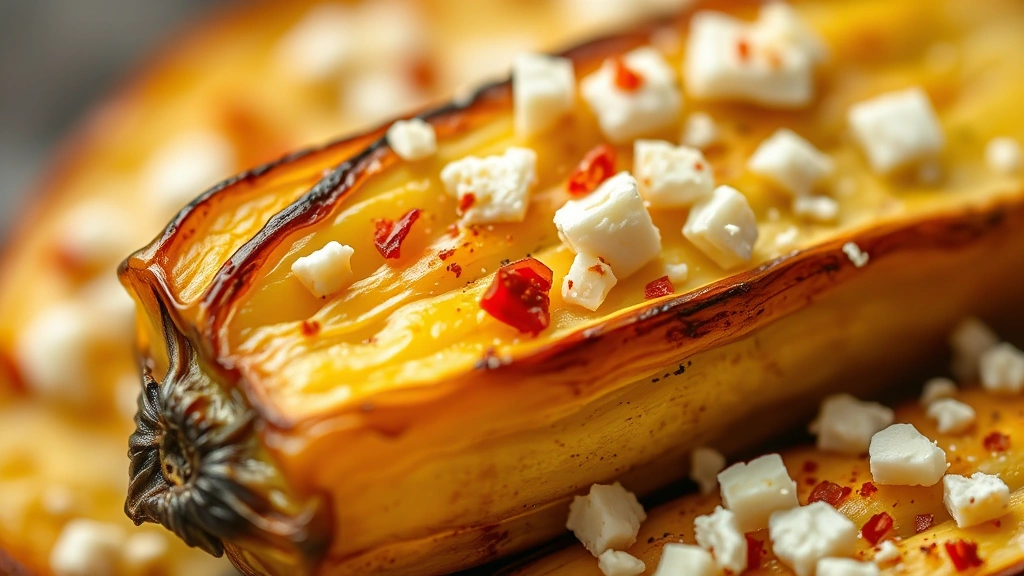
- Transfer to a serving dish and garnish with fresh chopped cilantro, crumbled cotija cheese if desired, and a sprinkle of red pepper flakes.
- Serve warm as a side dish alongside grilled proteins, or let cool slightly and serve at room temperature for a lighter summer preparation.
Pro Tips
When selecting your chayote squashes, choose ones that feel firm and heavy for their size. Avoid any with soft spots or blemishes, as these indicate aging. Store raw chayote in your refrigerator’s vegetable drawer where they’ll keep beautifully for up to two weeks, sometimes longer depending on freshness at purchase.
The pit in the center of chayote is completely edible and tender—there’s no need to discard it. However, if you prefer a more uniform texture, removing it creates nice cavity-like spaces that catch seasoning beautifully. This technique also makes for a more elegant presentation if you’re serving halves rather than diced pieces.
For substitutions, if you can’t find chayote squash at your local market, zucchini works as a direct replacement, though the cooking time may be slightly shorter due to its water content. Yellow squash offers similar versatility. Meanwhile, if you’re looking for something with more substance, try using delicate or pattypan squash, which have a firmer texture than chayote but similar mild flavor profiles.
Flavor-wise, feel free to experiment with different seasonings based on your menu. Omit the cumin and paprika and instead use Italian herbs like oregano and basil for a Mediterranean version. For an Asian-inspired preparation, swap the lime juice for rice vinegar, add a tablespoon of soy sauce to the oil mixture, and top with sesame seeds and sliced scallions instead of cilantro.
Additionally, this recipe scales beautifully for entertaining. Simply multiply the ingredients by the number of servings needed. You can prep the chayote pieces hours ahead, store them covered in the refrigerator, and roast them just before serving. This makes it perfect for weeknight dinners or casual dinner parties where you want minimal last-minute fussing.
Storage of leftovers is refreshingly simple. Place any remaining roasted chayote in an airtight container and refrigerate for up to four days. Reheat gently in a 350°F oven for about ten minutes, or simply enjoy at room temperature as part of a grain bowl or salad. The texture remains pleasant even after a few days, making these recipes ideal for meal prep enthusiasts.
For freezing, blanch peeled and diced raw chayote for 2-3 minutes in boiling salted water, then plunge immediately into ice water to stop cooking. Drain thoroughly and freeze in airtight containers or freezer bags for up to three months. This is particularly useful when chayote is in season and you want to enjoy it throughout the year in your favorite recipes.