
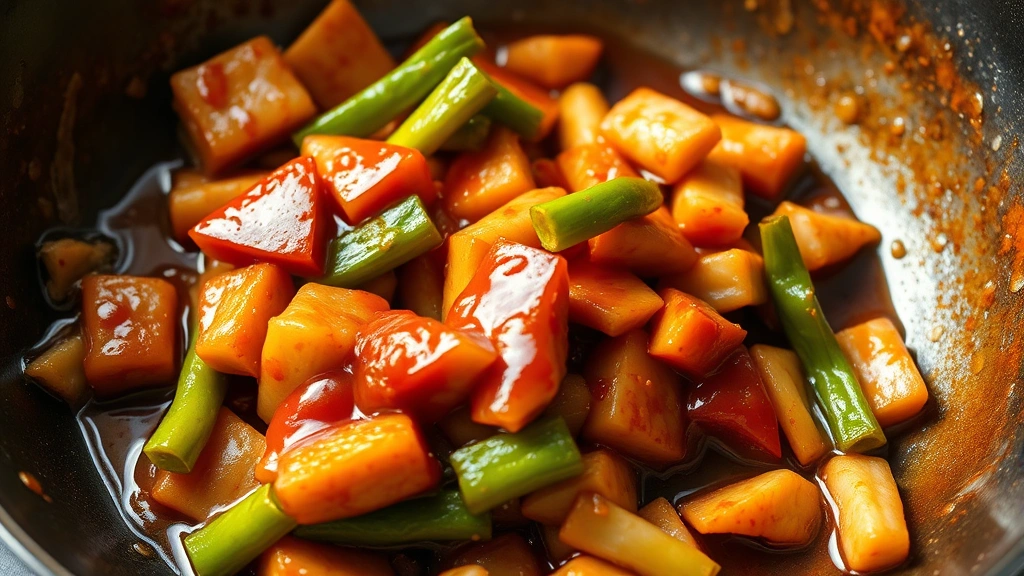
A chinese brown sauce recipe is the secret weapon that transforms ordinary stir-fries into restaurant-quality masterpieces. If you’ve ever wondered how Chinese takeout achieves that glossy, deeply savory coating on every bite, this is it—the magical sauce that ties everything together.
I discovered the power of homemade Chinese brown sauce years ago while trying to recreate my favorite takeout dishes at home. Store-bought versions always felt one-dimensional, lacking that complex depth I craved. Once I learned to make it from scratch, everything changed. Suddenly, my stir-fries tasted professional, my noodle dishes sang, and I stopped ordering takeout as often.
Jump To Section
This sauce is deceptively simple yet incredibly versatile. The beauty lies in balancing just a handful of ingredients—soy sauce, oyster sauce, aromatics, and a touch of cornstarch for that signature glossy finish. What makes it truly special is understanding how each component works together to create something greater than the sum of its parts.
Why This Recipe Works
The magic of this chinese brown sauce happens when you combine umami-rich soy sauce with the savory depth of oyster sauce. These two ingredients form the foundation, delivering that restaurant authenticity everyone craves. However, the real secret is the aromatics—ginger and garlic—which add warmth and complexity that elevate the sauce from basic to brilliant.
Cornstarch is the unsung hero here. It creates that glossy, clingy texture that coats proteins and vegetables perfectly, making every bite satisfying. The sauce clings to your stir-fry ingredients instead of pooling at the bottom of the pan, which means maximum flavor in every forkful.
Additionally, this sauce comes together in minutes. You can make it while your protein and vegetables cook, or prepare it ahead and reheat gently when needed. That convenience factor alone makes it worth mastering.
Ingredient Tips & Substitutions
Soy sauce is non-negotiable for authentic flavor, but you have options. Use regular soy sauce for straightforward taste, or try tamari if you prefer a deeper, less salty profile. Dark soy sauce adds earthiness and color, while light soy sauce keeps things brighter—choose based on your preference and what you’re cooking.
Oyster sauce brings savory depth that soy sauce alone can’t achieve. It’s made from oyster extract and adds that signature takeout taste. If you don’t have it on hand, you can substitute with hoisin sauce (though it’s slightly sweeter) or additional soy sauce plus a splash of fish sauce for umami.
Fresh ginger and garlic matter here—never use the jarred versions. Fresh aromatics provide bright, authentic flavor that processed versions simply can’t match. Mince them finely so they distribute evenly throughout the sauce and don’t create gritty texture.
Brown sugar balances the saltiness beautifully, but white sugar works in a pinch. Rice vinegar adds subtle tang that brightens everything without overpowering. You could use white vinegar if necessary, though rice vinegar is gentler and more traditional.
For cornstarch, either cornstarch or arrowroot powder works well. Mix it with water before adding to prevent lumps—this step prevents that chalky texture that disappoints so many home cooks. Meanwhile, vegetable or chicken broth adds body to the sauce, making it less thin and more coating.
How to Achieve Restaurant-Quality Results
The key to restaurant-style chinese brown sauce is understanding that technique matters as much as ingredients. Heat your pan properly before adding aromatics—this blooms their flavors and creates deeper complexity. You want the ginger and garlic to become fragrant and slightly golden, not burnt or raw.
Add your liquid ingredients gradually while stirring constantly. This prevents lumps and ensures even distribution of flavors. The sauce should smell incredible at this point—if it smells flat, you need more ginger and garlic.
The cornstarch slurry deserves special attention. Whisk cornstarch with cold water until completely smooth before adding to hot sauce. Add it slowly while stirring vigorously—this technique prevents lumps and creates that silky texture. The sauce will thicken within seconds of reaching the right temperature, so stay alert.
Temperature control is crucial. Keep your heat at medium once you add the cornstarch slurry. High heat can make the sauce break or become too thick. You’re aiming for a glossy consistency that coats the back of a spoon but still flows slightly.
Serving Suggestions & Pairing Ideas
This versatile sauce shines on so many dishes. Toss it with your favorite quick tasty pork stir fry for instant takeout vibes. Alternatively, try the best pork stir fry recipe for a more comprehensive main dish experience.
Beyond pork, this sauce works beautifully with chicken, beef, seafood, or even tofu. Vegetables like broccoli, snap peas, carrots, and bell peppers all benefit from this savory coating. For noodle dishes, drizzle it over your best rice noodles recipe for restaurant authenticity.
Consider serving over fluffy white rice or crispy chow mein noodles. The sauce’s glossy texture and savory flavor complement both beautifully. For something different, try it with the perfect shoyu ramen recipe for an elevated noodle experience, or even over a best ramen bowl recipe.
For appetizers, use this sauce as a dipping sauce for dumplings, spring rolls, or fried wontons. It’s equally at home as a glaze for roasted chicken wings or as a finishing sauce for grilled vegetables.
Storage & Make-Ahead Tips
This sauce keeps beautifully in the refrigerator for up to five days in an airtight container. The flavors actually deepen slightly as it sits, making it perfect for batch cooking. However, the sauce will thicken as it cools—that’s completely normal and actually desirable.
To reheat, add a splash of broth or water and warm gently over medium heat while stirring. This restores the glossy, pourable consistency. Never microwave directly in the container, as the sauce can heat unevenly and potentially separate.
You can also freeze this sauce for up to three months. Pour into ice cube trays for convenient portions, then pop cubes into freezer bags. This way, you always have homemade sauce ready for quick weeknight meals.
For maximum convenience, make a double or triple batch when you have time. The sauce takes just minutes to prepare, and having it ready transforms cooking into something stress-free and enjoyable. Your future self will thank you when dinner comes together in twenty minutes.
For inspiration beyond just the sauce itself, check out resources like Serious Eats for comprehensive stir-fry techniques, New York Times Cooking for professional guidance, or Bon Appétit for elevated takes on Asian cuisine.
Once you master this chinese brown sauce, you’ll understand why restaurants keep their sauce recipes secret—it’s genuinely that good. The combination of soy sauce, oyster sauce, aromatic garlic and ginger, and that perfect glossy texture makes every dish taste like it came from your favorite takeout spot. Better yet, you control the ingredients, the salt level, and the quality of everything that goes into it.
This is more than just a recipe—it’s your ticket to impressive home cooking that tastes professional but requires minimal effort. Your family will be asking for seconds, and you’ll be proud knowing exactly what went into creating that delicious sauce coating their favorite meals.
Ingredients
- 1/2 cup soy sauce
- 1/4 cup oyster sauce
- 3 tablespoons brown sugar
- 2 tablespoons rice vinegar
- 1 cup vegetable or chicken broth
- 3 cloves garlic, minced
- 1 tablespoon fresh ginger, minced
- 2 tablespoons cornstarch
- 3 tablespoons cold water
- 1 teaspoon sesame oil
- 1/4 teaspoon white pepper
Instructions
- In a small bowl, whisk together cornstarch and cold water until completely smooth—this prevents lumps when you add it to the hot sauce. Set aside.
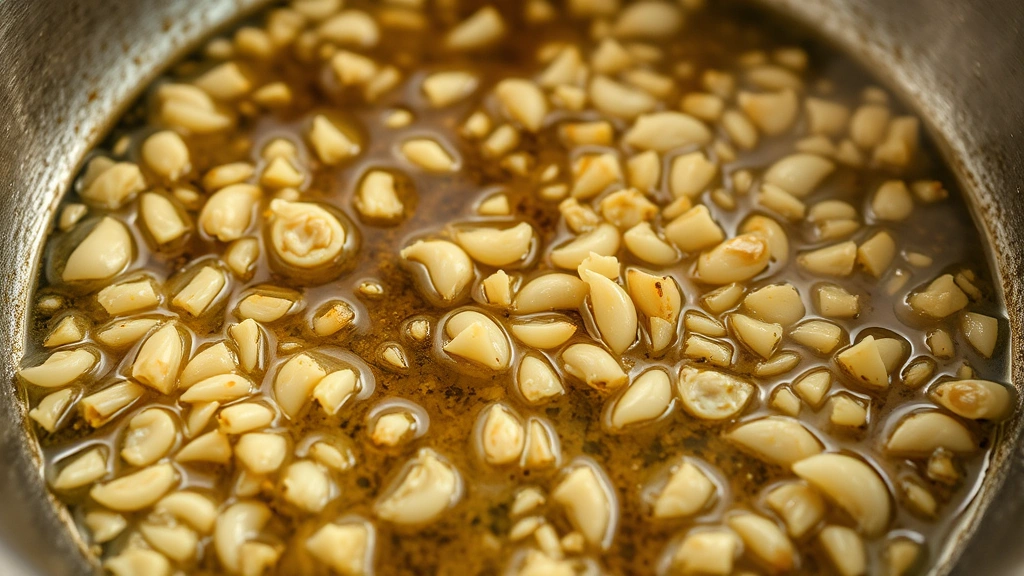
- Heat 1 tablespoon of neutral oil in a small saucepan over medium heat. Once shimmering, add minced garlic and ginger, stirring constantly for about 30 seconds until fragrant and slightly golden.
- Pour in the soy sauce, oyster sauce, brown sugar, rice vinegar, and broth. Stir well to combine and dissolve the sugar completely.
- Bring the mixture to a gentle simmer over medium heat. Let it bubble for about 1 minute so flavors meld together beautifully.
- Slowly pour the cornstarch slurry into the simmering sauce while stirring constantly with a whisk or spoon. Stir vigorously to prevent lumps from forming.
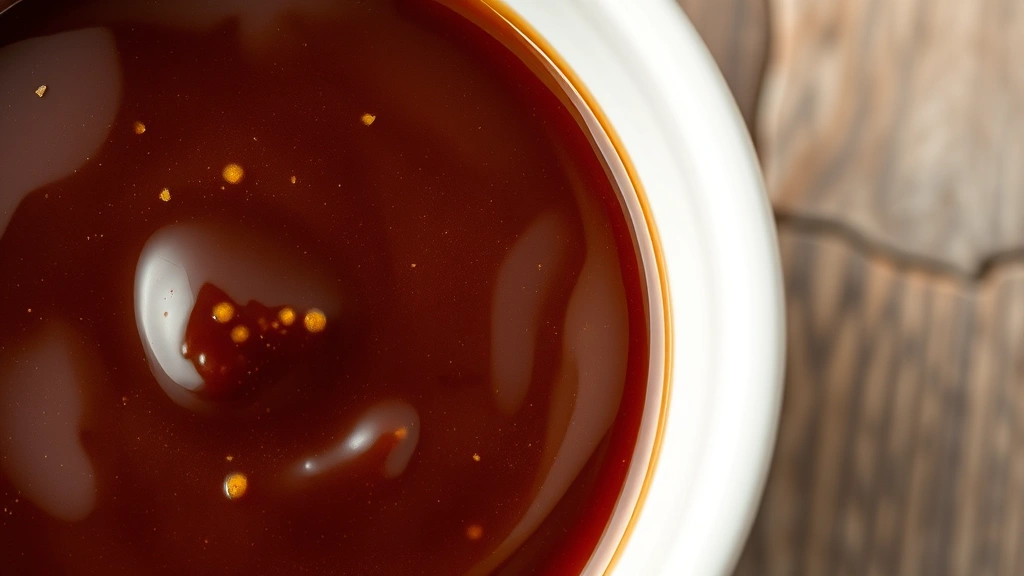
- Continue cooking and stirring for another 1-2 minutes until the sauce thickens to a glossy consistency that coats the back of a spoon. The sauce should flow slightly but cling to ingredients.
- Remove from heat and stir in sesame oil and white pepper, tasting and adjusting seasonings as needed. Add more soy sauce for saltiness, brown sugar for sweetness, or rice vinegar for tang.
- Use immediately over stir-fries, noodles, or proteins, or cool completely and store in an airtight container in the refrigerator for up to five days.
Pro Tips
The cornstarch slurry is absolutely essential for achieving that glossy, restaurant-quality texture. Mix it separately with cold water before adding—this one step prevents the gritty, lumpy sauce that disappoints so many home cooks. Stir constantly while adding it to ensure even thickening.
Garlic and ginger quality matters tremendously here. Use fresh, not jarred. Mince them finely so they distribute evenly throughout the sauce without creating unpleasant chunks. If you prefer a smoother sauce without visible garlic pieces, strain the sauce after cooking.
The sauce thickens as it cools, which is completely normal. If it becomes too thick when reheating, simply add a splash of broth or water and warm gently while stirring. This restores the perfect pourable consistency without damaging the sauce’s structure.
Brown sugar versus white sugar: brown sugar adds subtle molasses depth that white sugar can’t match, but white sugar works in a pinch. The sauce will taste slightly different—less complex—but still delicious. For authentic takeout flavor, stick with brown sugar.
Sesame oil is non-negotiable for authentic flavor—it adds that final touch of richness and aroma that makes people say “this tastes like the restaurant.” However, use sparingly because it has a strong flavor. A teaspoon is usually perfect; more than that becomes overwhelming.
Rice vinegar is gentler and more traditional than white vinegar. It adds subtle brightness without harsh acidity. If using white vinegar instead, start with 1 tablespoon and taste before adding more, as it’s stronger and more assertive.
Make-ahead convenience: prepare this sauce completely and cool to room temperature before storing. It keeps beautifully in the refrigerator for five days. For longer storage, freeze in ice cube trays—you’ll always have homemade sauce ready for quick weeknight meals.
Scaling up is simple—double or triple the recipe easily. The proportions remain consistent, and you’ll have sauce for multiple meals. This batch-cooking approach transforms weeknight cooking from stressful to effortless.
Salt level: taste carefully before serving. Soy sauce and oyster sauce are both salty, so you likely won’t need additional salt. Add white pepper for gentle heat and depth without spiciness. Adjust all seasonings to your preference—your homemade version should taste even better than takeout.