
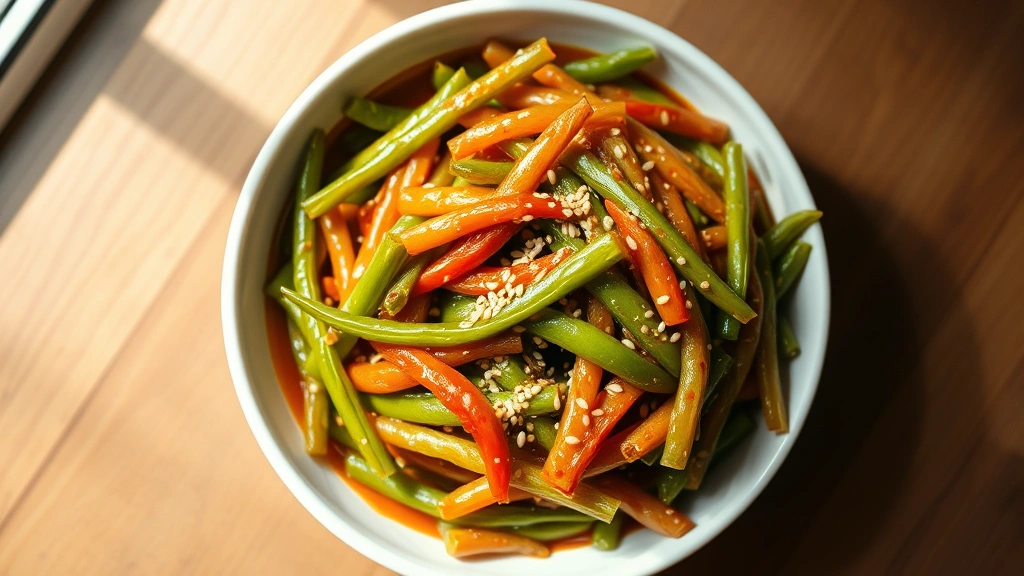
This Chinese string beans recipe is my go-to weeknight dinner when I want something authentic, delicious, and ready in under 20 minutes. There’s something magical about the way tender green beans transform when you stir-fry them with garlic, ginger, and a touch of soy sauce—they become slightly charred, perfectly crispy-tender, and absolutely crave-worthy.
I first fell in love with this dish at a tiny Sichuan restaurant in San Francisco, where the beans arrived blistered and fragrant, coated in a savory glaze that made you want to order seconds. Now, I make this at home constantly because it’s foolproof, incredibly versatile, and honestly tastes restaurant-quality. The best part? You only need a handful of ingredients and a hot wok or large skillet.
Jump To Section
Why This Recipe Works
The secret to perfect stir-fried string beans is high heat and minimal fussing. When you get your pan really hot, the beans develop those gorgeous blistered edges while staying tender inside—that contrast is pure magic. The garlic and ginger infuse the oil with incredible flavor, creating an aromatic base that makes everything taste better.
I love pairing this with quick tasty pork stir fry or serving it alongside best udon noodles for a complete Chinese-inspired meal. The beauty of this stir-fry is that it works as a standalone side dish or as part of a larger spread.
What makes this approach different from other string bean recipes is the technique of letting the beans sit briefly in the hot pan before stirring. This creates those appetizing blistered spots that professional chefs swear by. Additionally, the timing is crucial—you want the beans cooked through but still with a slight snap when you bite into them.
Ingredient Tips & Substitutions
Fresh, firm string beans (also called green beans or yard-long beans) are essential here. Look for beans that snap when you bend them—that’s your sign they’re fresh. If you can’t find yard-long beans, regular green beans work beautifully, though they’ll cook a bit faster so adjust your timing accordingly.
Garlic and ginger are non-negotiable in authentic Chinese cooking. I always use fresh garlic and fresh ginger root; the difference between fresh and pre-minced is dramatic. Mince them finely so they distribute evenly throughout the oil and cook quickly without burning.
For the sauce, quality soy sauce matters more than you’d think. I use low-sodium soy sauce to control the saltiness, but honestly, any good soy sauce will work. If you want to explore other Asian side dishes, try quick tasty PF Chang lettuce wraps for a lighter option.
The oil choice affects flavor significantly. Vegetable oil or peanut oil work best because they have high smoke points and neutral flavors. Some people add a touch of sesame oil at the end for extra depth, which I absolutely recommend if you have it on hand.
Cooking Techniques & Timing
Getting your pan hot enough is perhaps the most important step. You need a wok or large skillet that can reach high heat quickly. I usually let mine heat for a full minute over medium-high heat before adding oil. The oil should shimmer and move freely when you tilt the pan.
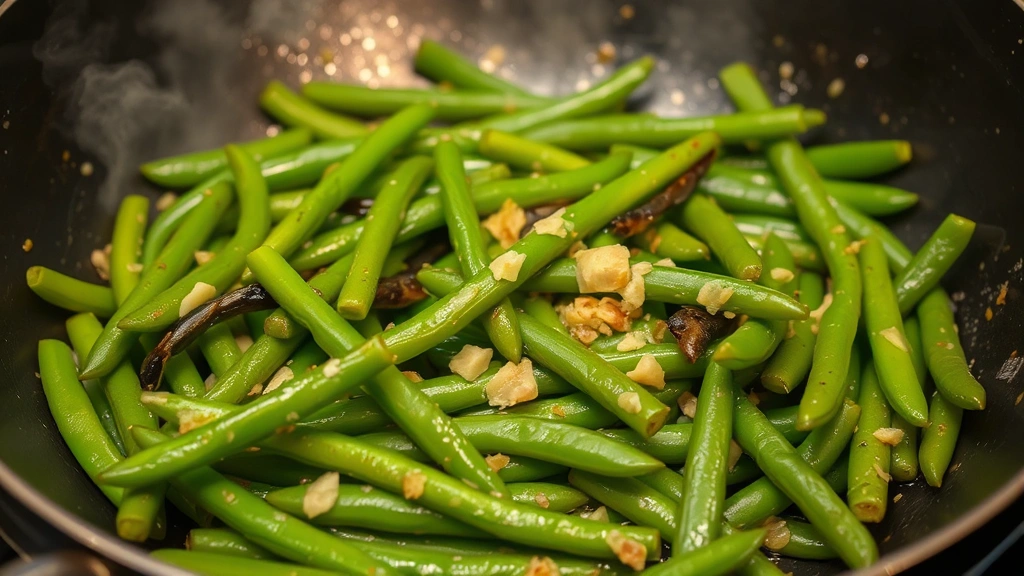
When you add the beans, you’ll hear a satisfying sizzle. Resist the urge to stir constantly—let them sit for 1-2 minutes so those beautiful blistered spots develop. This hands-off approach creates caramelization and depth of flavor that you simply can’t get by constantly stirring.
Once you add the garlic and ginger, keep the heat high but stir frequently to prevent burning. The aromatics cook fast, so stay close by. The whole process from adding beans to plating takes about 8-10 minutes, making this one of the quickest stir-fry dishes you can make.
Serving Suggestions
These string beans are incredibly versatile at the table. Serve them as a side with steamed rice and your choice of protein, or pair them with best PF Chang’s lettuce wraps for a complete meal. They’re equally delicious served at room temperature, making them perfect for meal prep or potluck gatherings.
For a lighter option, quick tasty spring salad pairs beautifully alongside for added freshness. I sometimes add a sprinkle of sesame seeds or crushed peanuts on top for extra texture and visual appeal.
If you’re building a larger Chinese dinner spread, pair this with noodles like best udon noodle soup and a protein dish. The combination creates a balanced, satisfying meal that feels restaurant-quality but comes together in your home kitchen.
Storage & Reheating
Leftover string beans keep beautifully in an airtight container in the refrigerator for up to 3 days. However, I’ll be honest—they’re best enjoyed fresh. That said, cold leftovers make an excellent addition to grain bowls or salads the next day.
To reheat, I recommend using a hot skillet rather than the microwave, which can make the beans rubbery. Simply warm them over medium-high heat for 2-3 minutes, stirring occasionally, until they’re heated through. The texture remains much closer to the original this way.
For meal prep purposes, you can prep and trim the beans up to 2 days ahead, storing them in the refrigerator in a sealed container. The garlic and ginger are best minced fresh or within a few hours of cooking, as their flavor diminishes over time in the fridge.
This Chinese string beans recipe has become a staple in my kitchen because it delivers restaurant-quality results without the restaurant price tag or complicated techniques. The flavors are bold and authentic, the technique is straightforward, and the results are consistently delicious. Whether you’re cooking for weeknight dinner or impressing guests, this stir-fry never disappoints.
Ingredients
- 1.5 pounds fresh string beans (yard-long beans or regular green beans), trimmed and halved
- 3 tablespoons vegetable or peanut oil
- 6 cloves garlic, minced
- 1 tablespoon fresh ginger, minced
- 3 tablespoons low-sodium soy sauce
- 1 tablespoon rice vinegar
- 1 teaspoon sesame oil
- ½ teaspoon red pepper flakes (optional, for heat)
- ¼ teaspoon white pepper
- 1 teaspoon sugar
- 2 tablespoons water
- Sesame seeds for garnish (optional)
- Crushed peanuts for garnish (optional)
Instructions
- Trim the ends off the string beans and cut them in half (or into 3-inch pieces if using regular green beans). Rinse and pat dry thoroughly—moisture is the enemy of a good stir-fry and prevents proper browning.
- In a small bowl, whisk together soy sauce, rice vinegar, sesame oil, red pepper flakes, white pepper, sugar, and water. Set this sauce mixture aside so it’s ready when you need it.
- Heat your wok or large skillet over medium-high heat for about 1 minute until it’s very hot. You want the pan smoking slightly when you add the oil—this is the key to achieving those gorgeous blistered spots on the beans.
- Add the oil to the hot pan and swirl to coat. Once it shimmers and moves freely, carefully add all the string beans in a single layer if possible.
- Let the beans sit undisturbed for 1-2 minutes. This is crucial—resist the urge to stir. You’re creating caramelization and those beautiful charred edges that make restaurant-quality stir-fries.
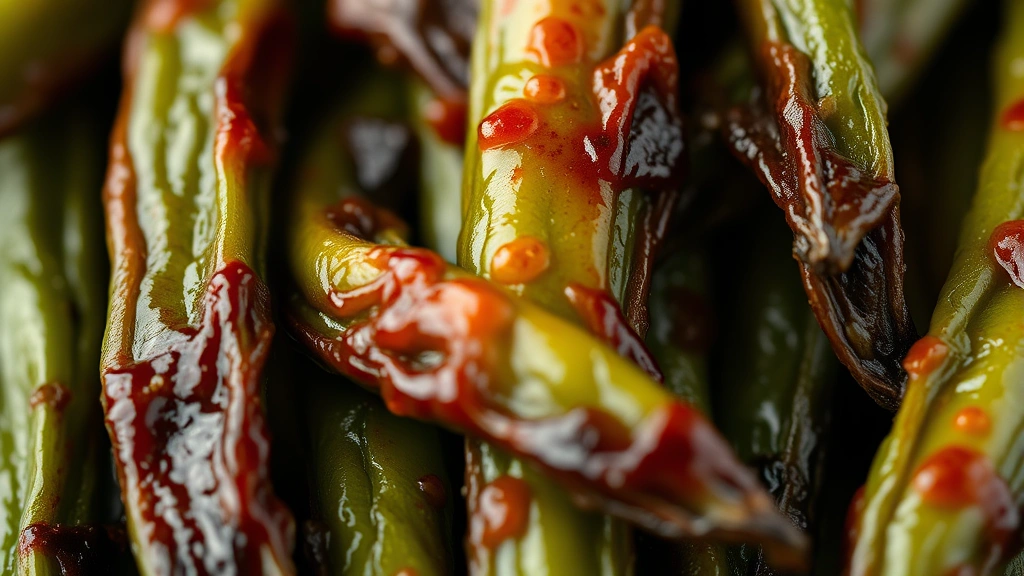
- Stir the beans well and cook for another 2-3 minutes, stirring occasionally, until they’re blistered and tender-crisp. They should have brown spots on the skin and be slightly shriveled.
- Push the beans to the side of the pan and add the minced garlic and ginger to the empty space. Let them cook for about 30 seconds, stirring constantly, until fragrant—be careful not to burn them as they cook quickly.
- Toss the garlic and ginger with the beans to distribute evenly throughout the pan, cooking for another 30 seconds to combine all the flavors.
- Pour the sauce mixture over the beans and stir constantly for 1-2 minutes until everything is coated and the sauce has slightly reduced and thickened.
- Taste and adjust seasonings as needed—add more soy sauce for saltiness, rice vinegar for tang, or red pepper flakes for heat. Transfer to a serving dish and garnish with sesame seeds and crushed peanuts if desired. Serve immediately while the beans still have a slight snap.
Pro Tips
The key to perfect stir-fried string beans is not overcrowding the pan and letting them develop those blistered edges. If your pan isn’t large enough, cook the beans in two batches rather than crowding them. Crowded beans steam rather than fry, which prevents proper browning and results in a watery dish.
Fresh ginger makes an enormous difference in this recipe. If you only have powdered ginger, use about ¼ teaspoon instead of the fresh, though the flavor won’t be quite as bright. Similarly, fresh minced garlic beats pre-minced garlic by a wide margin—the flavor is fresher and more vibrant.
For a protein-packed version, add diced garlic chicken, sliced pork, or shrimp during the last 2-3 minutes of cooking. The beans provide the perfect texture contrast to tender protein. You could also add cashews or almonds at the end for extra crunch and richness.
If you prefer a slightly sweeter stir-fry, increase the sugar to 1.5 teaspoons or add a touch of oyster sauce. Conversely, if you want it more savory and umami-forward, replace 1 tablespoon of the soy sauce with oyster sauce. These small adjustments let you customize the dish to your preference.
Storage is straightforward: keep leftovers in an airtight container in the refrigerator for up to 3 days. Reheat gently in a hot skillet rather than the microwave to maintain texture. The beans taste great warm or at room temperature, making them excellent for meal prep and next-day lunches in grain bowls or alongside rice.
For meal prep efficiency, you can wash and trim the beans up to 2 days ahead. Prepare the garlic and ginger mixture the morning of cooking and store in a small container. The sauce can be mixed together up to 3 days in advance. This modular approach means dinner comes together in just 10 minutes of active cooking time on busy weeknights.