
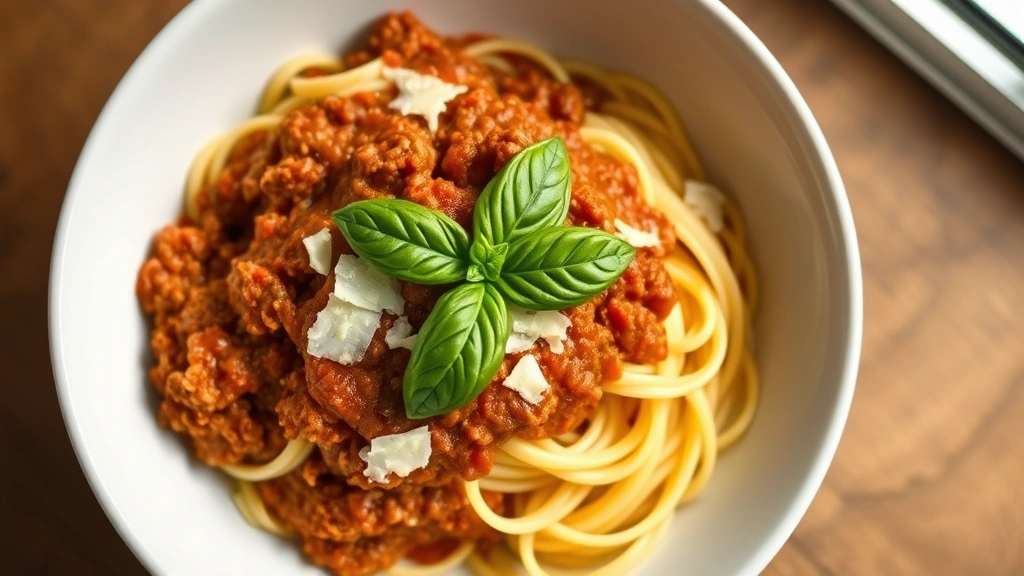
A classic bolognese recipe italian style is the kind of dish that transforms an ordinary weeknight into something special. This isn’t some quick thirty-minute sauce—it’s a labor of love that rewards you with deep, complex flavors that only come from time and patience. Once you master this authentic ragù bolognese, you’ll understand why Italian grandmothers have been making it for generations.
The beauty of this classic bolognese recipe italian tradition lies in its simplicity. You’re working with just a handful of quality ingredients: ground beef, pancetta, onions, carrots, celery, tomatoes, and milk. However, the magic happens in how you combine them and, most importantly, how long you let them simmer together. This isn’t about shortcuts or trendy cooking techniques—it’s about respecting the ingredients and giving them time to develop into something truly memorable.
Jump To Section
Why This Recipe Works
What makes this classic bolognese recipe italian so special is the combination of meat, vegetables, and that unexpected splash of milk at the end. The milk doesn’t curdle the sauce; instead, it mellows the acidity and creates an incredibly silky texture that clings beautifully to your pasta. This technique has been used in Bologna for centuries, and once you try it, you’ll wonder why you ever made bolognese any other way.
Meanwhile, the long, slow simmer—we’re talking two to three hours—allows the flavors to meld and deepen. The meat becomes almost creamy rather than chunky, and the vegetables essentially dissolve into the sauce. Additionally, starting with pancetta adds a subtle smokiness that elevates the entire dish beyond what you’d get from ground beef alone. This is the difference between a good sauce and an unforgettable one.
For instance, when you taste this ragù for the first time, you’ll notice it’s nothing like the bottled sauces or even many restaurant versions. The flavor is refined, balanced, and complex. It coats your mouth in the best way possible, and it’s the kind of sauce you’ll find yourself scraping from the bottom of the pot.
Ingredient Tips & Substitutions
Let’s talk about the foundation of this classic bolognese recipe italian: quality matters more than quantity. Use ground beef that’s not too lean—around 20% fat is ideal. The fat carries flavor and helps create that luxurious texture. If you can’t find pancetta, bacon works, though the flavor will be slightly different (and smokier).
The tomato paste is crucial here. Don’t skip it or rush past it. You’ll brown it in the pan before adding the other ingredients, which deepens its flavor tremendously. For the tomatoes themselves, San Marzano canned tomatoes are the gold standard, but any high-quality Italian canned tomatoes will work beautifully. Avoid the pre-crushed varieties if possible—whole peeled tomatoes that you crush by hand give you more control.
The holy trinity of onions, carrots, and celery (what Italians call soffritto) should be diced small and finely. You want them to essentially melt into the sauce rather than remain as distinct pieces. Additionally, whole milk is essential—don’t try to use cream or alternatives here. The milk serves a specific purpose in taming the acidity and enriching the sauce in a way that feels authentically Italian.
Here’s a helpful tip: if you don’t have white wine on hand, you can use red wine instead, though traditional ragù uses white. The sauce will be slightly different but still delicious. For a quick and easy no-meat spaghetti sauce, you can adapt this recipe by omitting the meat and pancetta, though you’ll lose some depth.
The Secret to Perfect Texture
One thing that separates an authentic classic bolognese recipe italian from imitations is the texture. You’re not looking for a chunky meat sauce—you want something almost creamy that coats the pasta. This happens through low heat and time. Keep your simmer gentle; you should barely see bubbles breaking the surface. If it’s bubbling vigorously, you’re cooking too hot.
Stir occasionally, maybe every twenty minutes or so, to prevent sticking and ensure even cooking. The bottom of the pot tends to brown slightly, which is fine and actually adds flavor. However, if it’s burning or sticking heavily, lower your heat even more. This slow process cannot be rushed, and trying to speed it up by increasing the heat will give you a completely different (and inferior) result.
As the sauce cooks, you’ll notice it becoming darker and more concentrated. The liquid will reduce significantly—this is exactly what you want. By the end of cooking, you should have a thick, rich sauce that looks almost mahogany colored. This transformation is what happens when you give a classic bolognese recipe italian the time and attention it deserves.
Serving Suggestions
Fresh pasta is traditional with bolognese, particularly tagliatelle or pappardelle. The wide ribbons catch the sauce beautifully and showcase its rich texture. However, don’t feel like you must use fresh pasta—good quality dried pasta works wonderfully too. Cook your pasta just until al dente, then toss it directly into the warm sauce rather than mixing them on the plate.
Pair this classic bolognese recipe italian with a simple side salad, like a quick and tasty olive garden salad recipe, dressed with just olive oil and vinegar. The acidity cuts through the richness beautifully. Freshly grated Parmigiano-Reggiano is essential—and use a microplane to get those delicate shards that melt into the hot pasta. Some crusty bread, perhaps a best sourdough sandwich bread recipe, is perfect for soaking up every last bit of sauce.
A medium-bodied red wine like a Chianti or Barbera pairs beautifully with this dish. The wine’s acidity and tannins complement the rich, meaty sauce perfectly. This is definitely a meal to linger over, not rush through.
Storage & Reheating
Here’s the best part about making a classic bolognese recipe italian: it actually tastes better the next day (or even the day after that). The flavors continue to develop and deepen as it sits. Store it in an airtight container in the refrigerator for up to five days. You can also freeze it for up to three months, which makes this an excellent choice for meal prep.
To reheat, simply warm it gently on the stovetop over medium-low heat, stirring occasionally. If it’s become too thick after sitting in the fridge, add a splash of water or beef broth to loosen it up. The beauty of this sauce is that it’s incredibly forgiving and seems to improve with time. Many people make a big batch on Sunday and enjoy it throughout the week in different forms.
You can use leftover bolognese in so many ways beyond pasta. Spoon it over creamy polenta, stuff it into lasagna, or serve it with a baked potato. It’s the kind of sauce that keeps giving, making your kitchen smell amazing every time you reheat it. Additionally, try tossing it with a best steak and pasta recipe for an elevated variation, or use it as a base for traditional pasta fagioli recipe by adding beans and broth.
Making a classic bolognese recipe italian from scratch is one of those cooking skills that feels intimidating at first but becomes second nature once you’ve done it. It’s not complicated—it just requires patience and quality ingredients. The reward is a sauce so delicious that you’ll find yourself making it regularly, tweaking it slightly each time, and eventually developing your own version of this timeless classic. According to serious eats bolognese guide, proper technique and time are non-negotiable. Your family will thank you, your dinner guests will be impressed, and you’ll feel that deep satisfaction that comes from cooking something truly special. That’s the magic of an authentic bolognese—it’s simple, it’s elegant, and it’s absolutely worth your time.
Ingredients
- 4 ounces pancetta, finely diced
- 1 pound ground beef (20% fat)
- 1 medium onion, finely diced
- 1 medium carrot, finely diced
- 1 celery stalk, finely diced
- 3 tablespoons tomato paste
- 1 cup whole milk
- ½ cup dry white wine
- 28 ounces canned San Marzano tomatoes (whole peeled)
- 2 tablespoons olive oil
- Salt and black pepper to taste
- 1 pound fresh tagliatelle or dried pasta
- Freshly grated Parmigiano-Reggiano cheese
- Fresh basil for garnish (optional)
Instructions
- Heat 1 tablespoon of olive oil in a large heavy-bottomed pot over medium heat. Add the diced pancetta and cook for 3-4 minutes, stirring occasionally, until it becomes slightly crispy and releases its fat. Don’t let it brown too much—you want it to render gently.
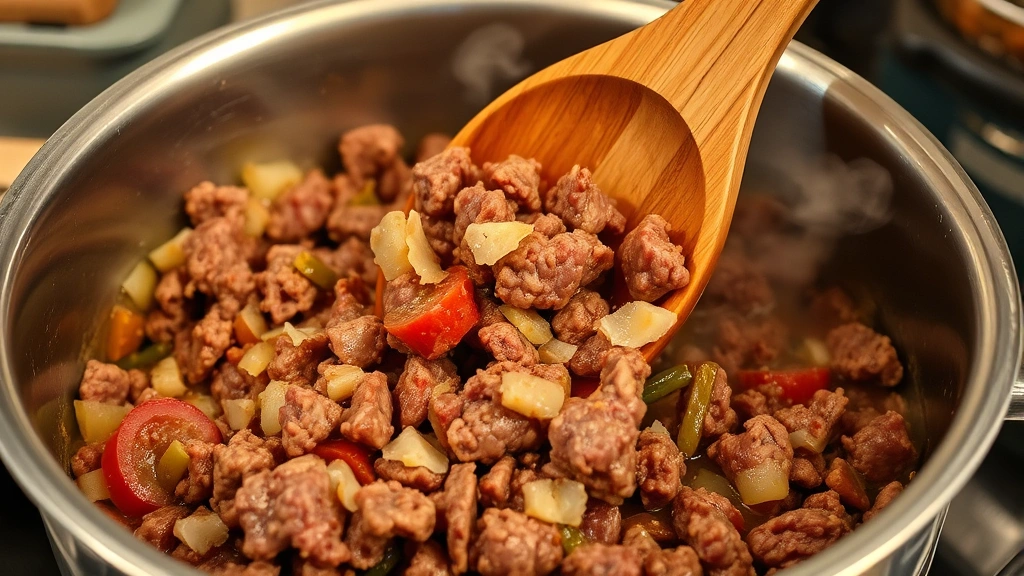
- Add the ground beef to the pot with the pancetta. Using a wooden spoon, break up the meat as it cooks, stirring frequently for about 5-7 minutes. The meat should lose its pink color and begin to brown slightly. This step is important for developing flavor through browning.
- Once the meat is cooked through, push it to the sides of the pot and add the remaining tablespoon of olive oil to the center. Add the tomato paste to the cleared space and let it cook undisturbed for 2-3 minutes. This step, called ‘toasting’ the paste, intensifies its flavor significantly.
- Stir the tomato paste into the meat mixture, coating everything evenly. Add the finely diced onion, carrot, and celery (the soffritto). Cook, stirring occasionally, for about 8-10 minutes until the vegetables begin to soften and release their aromatics.
- Pour in the white wine, stirring well to combine everything. Let it simmer for about 5 minutes, allowing the alcohol to cook off and the flavors to meld. You should smell the wonderful aroma of wine and meat at this point.
- Crush the canned tomatoes by hand (or roughly crush them against the side of the pot as you add them). Pour the tomatoes and their juice into the pot, stirring well. Season with a pinch of salt and pepper. The sauce should look slightly soupy at this stage—that’s exactly right.
- Reduce the heat to the lowest setting—you want just the gentlest simmer, with barely visible bubbles breaking the surface. Partially cover the pot (leave the lid slightly ajar) and let it cook for 2-2½ hours, stirring occasionally (about every 20-30 minutes). The sauce will gradually reduce and become darker and thicker.
- After about 2 hours of cooking, when the sauce has reduced significantly and become rich and concentrated, add the whole milk, stirring gently to combine. Let it simmer for another 15-30 minutes uncovered. The milk will not curdle; instead, it will create a silky, luxurious texture that mellows the sauce beautifully.
- Taste the sauce and adjust seasoning with salt and pepper as needed. The finished sauce should be thick, rich, and coat the back of a spoon. It should look almost mahogany in color and smell absolutely incredible.
- While the sauce finishes cooking, bring a large pot of salted water to a rolling boil. Cook your pasta according to package directions until al dente (tender but still slightly firm). Reserve about 1 cup of pasta cooking water before draining.
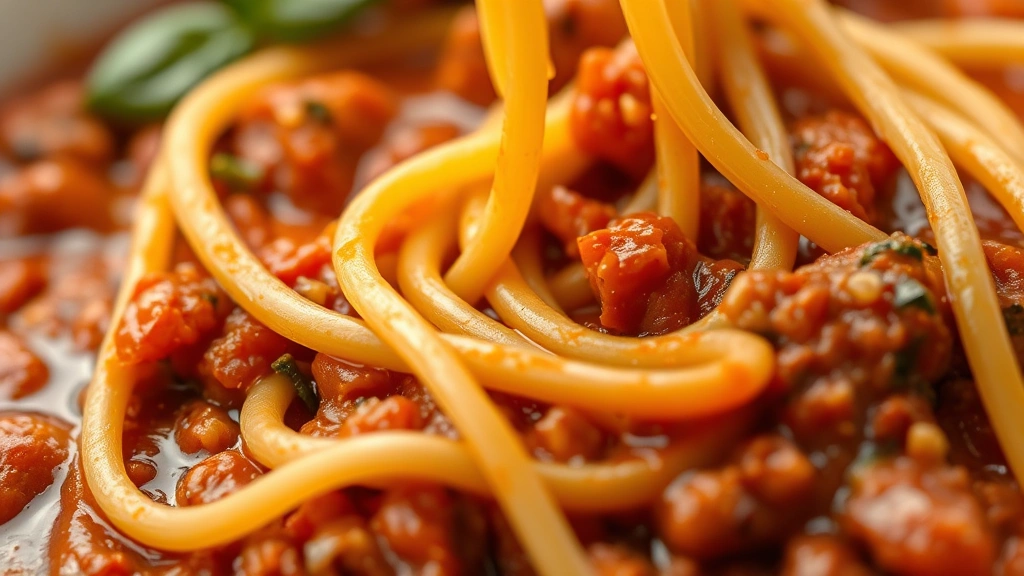
- Drain the pasta and add it directly to the pot of warm bolognese sauce. Toss gently, adding splashes of pasta water as needed to create a silky consistency where the sauce coats every strand. The starch in the pasta water helps the sauce cling beautifully.
- Divide the pasta into serving bowls, top generously with freshly grated Parmigiano-Reggiano cheese, and add a small basil leaf if desired. Serve immediately while the pasta is hot and the sauce is at its most luxurious.
Pro Tips
The key to an authentic classic bolognese recipe italian is patience. Don’t try to rush this sauce by cooking it on high heat—it genuinely needs those 2-2½ hours on low heat to develop properly. The slow cooking allows the flavors to meld and the meat to become incredibly tender.
Quality ingredients make a tremendous difference here. San Marzano tomatoes have fewer seeds and a sweeter flavor than most other varieties. Parmigiano-Reggiano is noticeably different from generic parmesan—it has a complex, slightly nutty flavor that enhances the dish. Pancetta, while not absolutely essential, gives the sauce an authenticity that bacon can approximate but not quite match.
If you’re using fresh pasta, cooking time will be significantly shorter (3-4 minutes for homemade). Dried pasta typically takes 8-12 minutes depending on the brand. The key is to always taste a piece before draining—you want it tender but still with a slight firmness in the center when you bite it.
The milk addition might seem unusual if you’ve never made bolognese before, but it’s absolutely traditional in the Emilia-Romagna region of Italy. Some recipes call for using milk instead of wine, or a combination of both. The milk creates a sauce with an almost velvety quality that makes it distinctly different from tomato-based meat sauces.
Storage is straightforward: keep leftovers in an airtight container in the refrigerator for up to five days. For freezing, use freezer-safe containers or bags, and it will keep for up to three months. Interestingly, the flavor actually improves after a day or two as the ingredients continue to meld. Reheat gently on the stovetop over medium-low heat, stirring occasionally.
If you find the sauce is too thick after it cools, simply add a splash of beef broth, water, or pasta cooking water when reheating. The sauce will loosen up as it warms. Some people prefer it slightly thinner for easier coating on pasta, while others like it thicker. Adjust to your personal preference—there’s no single ‘correct’ consistency.
For a vegetarian version, you can omit the meat and pancetta entirely, though the flavor profile will be significantly different. Consider adding finely minced mushrooms and lentils for depth and a meaty texture. However, this wouldn’t be a traditional bolognese anymore, so manage your expectations accordingly.