
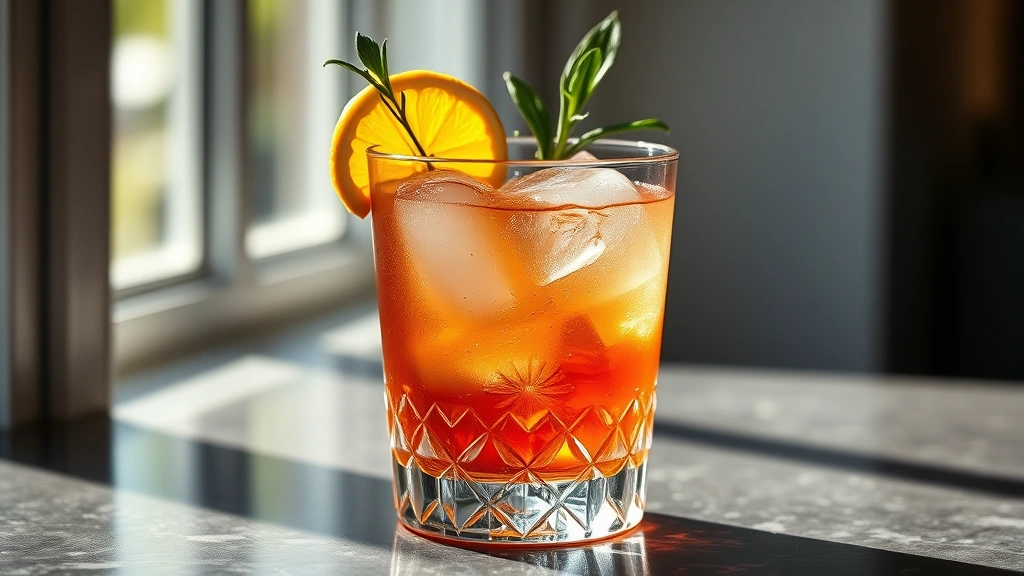
A cocktail recipe book is the secret weapon every home bartender needs to master the art of mixology and impress guests with professionally crafted drinks. Whether you’re hosting your first dinner party or you’ve been making cocktails for years, having a comprehensive guide to classic and modern drinks transforms your home bar from ordinary to extraordinary.
The beauty of exploring cocktail recipes is that you don’t need to be a trained mixologist to create bar-quality drinks at home. With the right techniques, quality ingredients, and a solid cocktail recipe book as your reference, you’ll discover that making delicious drinks is surprisingly accessible and incredibly rewarding. Each recipe teaches you something new about flavor balance, technique, and the wonderful world of spirits.
Jump To Section
Why Every Home Bar Needs a Cocktail Recipe Book
A well-curated cocktail recipe book serves as your personal bartending mentor, guiding you through the fundamentals of drink-making while expanding your repertoire. Think of it as your trusted companion for those moments when you want to create something special but aren’t sure where to start. From timeless classics like the Margarita and Old Fashioned to contemporary creations, these guides cover everything.
The real magic happens when you understand the “why” behind each recipe, not just the “what.” A quality cocktail recipe book explains the balance of spirits, citrus, sweetness, and bitters that make drinks sing. Additionally, learning these fundamentals means you can eventually create your own signature cocktails that reflect your personal taste preferences.
Having this knowledge at your fingertips eliminates the guesswork and anxiety about entertaining. No more scrolling through endless websites or second-guessing measurements—everything you need is right there. It’s like having a professional bartender in your kitchen, ready to help whenever inspiration strikes.
Essential Spirits and Ingredients for Your Home Bar
Before diving into specific cocktail recipes, you’ll want to stock your home bar with versatile, quality spirits that work across multiple drink categories. Vodka, gin, rum, tequila, whiskey, and brandy form the foundation of most cocktails you’ll encounter in any cocktail recipe book. However, focusing on quality over quantity ensures every drink tastes exceptional.
Beyond the base spirits, liqueurs add complexity and depth to your cocktails. Triple sec, Cointreau, and Curaçao bring citrus notes, while Kahlúa and Crème de Cacao add richness and sweetness. Vermouth—both dry and sweet—is absolutely essential for martinis and Manhattans, and it’s worth investing in quality bottles since these ingredients truly matter.
Meanwhile, don’t overlook the supporting cast of ingredients. Fresh citrus juice (never use bottled), simple syrup, quality bitters, and fresh herbs like mint and basil elevate your drinks from ordinary to outstanding. A good cocktail recipe book will emphasize these details because they’re what separates mediocre drinks from memorable ones.
Mastering Classic Cocktail Techniques
Understanding the fundamental techniques is what separates following a cocktail recipe book from truly mastering mixology. The main techniques you’ll encounter are shaking, stirring, building, and muddling—each serves a specific purpose and produces different results. Shaking is typically used for drinks with citrus, egg whites, or cream, creating a frothy, chilled beverage.
Stirring, on the other hand, is reserved for spirit-forward cocktails like martinis and Negronis, where you want maximum chill with minimal dilution and aeration. Building drinks directly in the glass—like a rum and cola—requires understanding layering and the density of different ingredients. Muddling releases essential oils from herbs and fruit, but it requires a gentle touch to avoid over-extracting bitter compounds.
Temperature control is absolutely crucial in cocktail making. Your glassware should be chilled, your ingredients cold, and your shaker filled with quality ice. For instance, warm ice melts too quickly and over-dilutes drinks, while proper ice creates the ideal balance of chill and dilution that makes cocktails taste balanced and refreshing.
Building Your Cocktail Recipe Book Collection
When selecting a cocktail recipe book or building your own collection, look for resources that balance classic drinks with modern innovations. The best references include drinks from different eras and styles—pre-Prohibition classics, tiki drinks, sours, stirred cocktails, and contemporary creations. This variety ensures you’ll always find something appropriate for any occasion or mood.
A truly comprehensive cocktail recipe book provides more than just ingredient lists and measurements. It explains the history behind drinks, offers variations and modifications, and teaches you the principles that allow you to understand why drinks work. Additionally, books with photography help you visualize proper presentation and garnishing techniques that make your cocktails look as good as they taste.
Look for resources that include detailed information about glassware, garnishing, and ingredient sourcing. Some of the best cocktail recipe books include sections on making your own syrups, infusions, and bitters. These advanced techniques transform your home bar from functional to truly impressive.
Entertaining with Confidence Using Your Cocktail Recipe Book
One of the greatest benefits of mastering a cocktail recipe book is the confidence it brings when entertaining. Instead of stressing about what to serve, you can confidently offer guests a selection of drinks you’ve practiced and perfected. This transforms hosting from anxiety-inducing to genuinely enjoyable.
For instance, when you’re hosting a dinner party, you might offer a signature cocktail as guests arrive, followed by wine with dinner, and digestif cocktails afterward. A well-organized cocktail recipe book helps you plan these transitions seamlessly. You’ll know exactly which drinks work as aperitifs, which pair well with specific foods, and which are best served after dinner.
The preparation becomes simpler too. Once you’ve practiced recipes from your cocktail recipe book, you can prep ingredients in advance—fresh juice squeezed, ice made, garnishes prepped. This advance work means you’re actually spending time with guests instead of frantically mixing drinks all evening. That’s the real luxury of mastering cocktails.
From Recipe to Personal Style
While following a cocktail recipe book teaches you the fundamentals, the ultimate goal is developing your own style and preferences. After making drinks consistently, you’ll discover which flavor profiles resonate with you and which techniques feel most natural in your hands. This personal knowledge transforms you from someone following recipes to someone creating cocktails with intention.
Understanding ratios—the proportions of base spirit to modifiers—is what allows this evolution. Once you grasp that a sour typically contains two parts spirit to one part citrus to half part sweetness, you can create variations endlessly. Your cocktail recipe book becomes a springboard for creativity rather than just a rulebook to follow.
The journey with cocktails never truly ends. There are always new spirits to discover, techniques to refine, and flavor combinations to explore. Every time you open your cocktail recipe book, you’re not just making a drink—you’re participating in a tradition that spans centuries and connects you to bartenders around the world.
Whether you’re crafting a refreshing Mojito on a summer evening, stirring up a warming Old Fashioned in winter, or impressing guests with a perfectly executed Margarita, your cocktail recipe book is your trusty guide. With dedication to learning these recipes and techniques, you’ll create drinks that taste like they came straight from a professional bar—because now, your home bar IS that professional bar. The investment in mastering cocktails pays dividends in every gathering, every celebration, and every quiet evening when you want to treat yourself to something special.
Ingredients
- 2 oz premium base spirit (vodka, gin, rum, tequila, or whiskey)
- 0.75 oz fresh citrus juice (lemon or lime)
- 0.5 oz simple syrup or liqueur modifier
- 2-3 dashes quality cocktail bitters
- 1 cup quality ice cubes
- Fresh citrus wheel, twist, or herb garnish
- Optional: 0.5 oz egg white for texture (in certain cocktails)
Instructions
- Chill your glassware by filling it with ice water while you prepare the cocktail—this step is essential for proper temperature.
- Gather all ingredients and measure them precisely using a jigger; accuracy is what separates professional cocktails from mediocre ones.
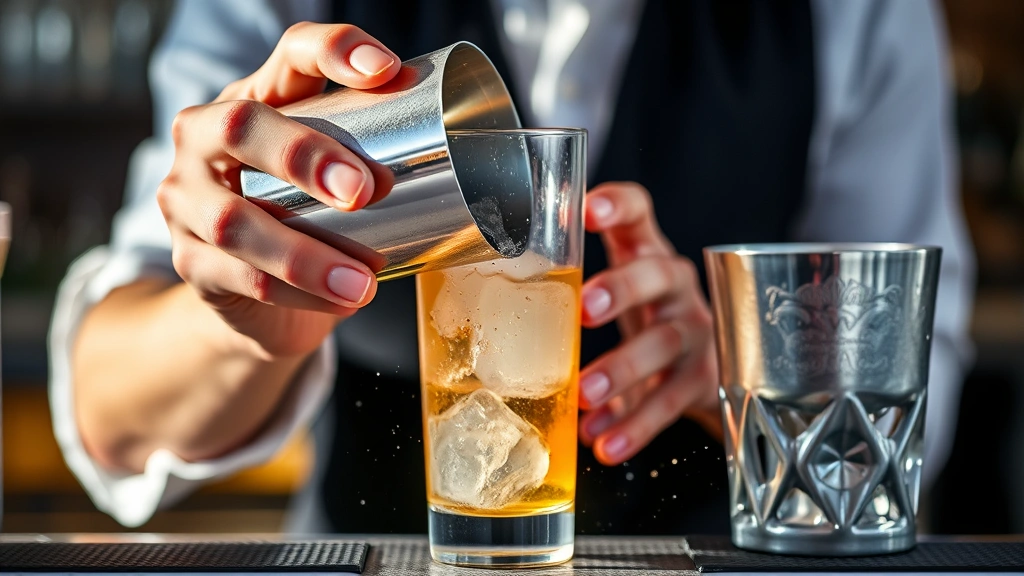
- Fill your cocktail shaker halfway with quality ice cubes—avoid using small or hollow ice that melts too quickly.
- Pour your measured ingredients into the shaker in order: base spirit first, then modifiers, bitters last.
- Secure the shaker top firmly and shake vigorously for 10-15 seconds until the outside becomes frosty and cold.
- Empty the ice water from your prepared glass and strain the cocktail into it using a fine mesh strainer for smooth presentation.
- Add fresh ice to the glass if desired, or serve ‘up’ (without ice) depending on the cocktail style.
- Express the citrus garnish oils over the drink by twisting it over the surface, then place it in the glass as both flavor and visual element.
- Serve immediately while the cocktail is properly chilled and the flavors are balanced.
Pro Tips
The foundation of every great cocktail recipe book is understanding that quality ingredients matter tremendously. Premium spirits might cost more, but they create noticeably better-tasting drinks—you’re essentially paying for smoother flavor and fewer harsh notes. Similarly, fresh citrus juice makes an enormous difference compared to bottled alternatives, which taste dull and chemical by comparison.
When building your home bar, start with versatile spirits that appear in multiple cocktail recipes. A good vodka works in countless drinks, gin is essential for classics like the Martini and Gimlet, and whiskey opens doors to drinks like the Old Fashioned and Whiskey Sour. Rather than buying every spirit available, focus on getting better bottles of fewer types.
Temperature control cannot be overstated—it’s the difference between a refreshing cocktail and a watered-down disappointment. Always chill your glassware beforehand, use fresh ice, and work quickly. Additionally, understanding dilution is crucial; proper shaking and stirring adds just enough water to balance and open up flavors without making drinks taste watered down.
Simple syrup is ridiculously easy to make at home: equal parts sugar and water, heated until sugar dissolves, then cooled. Homemade syrup tastes fresher than store-bought versions and costs pennies to produce. For instance, you can make flavored syrups by infusing the hot syrup with herbs, spices, or fruit—these elevate your cocktails dramatically.
Bitters deserve special mention because these concentrated flavor extracts add complexity and balance to cocktails. Angostura bitters are the classic choice, but exploring specialty bitters reveals new dimensions in familiar drinks. Even adding two extra dashes of bitters to a cocktail transforms it from flat to remarkably complex.
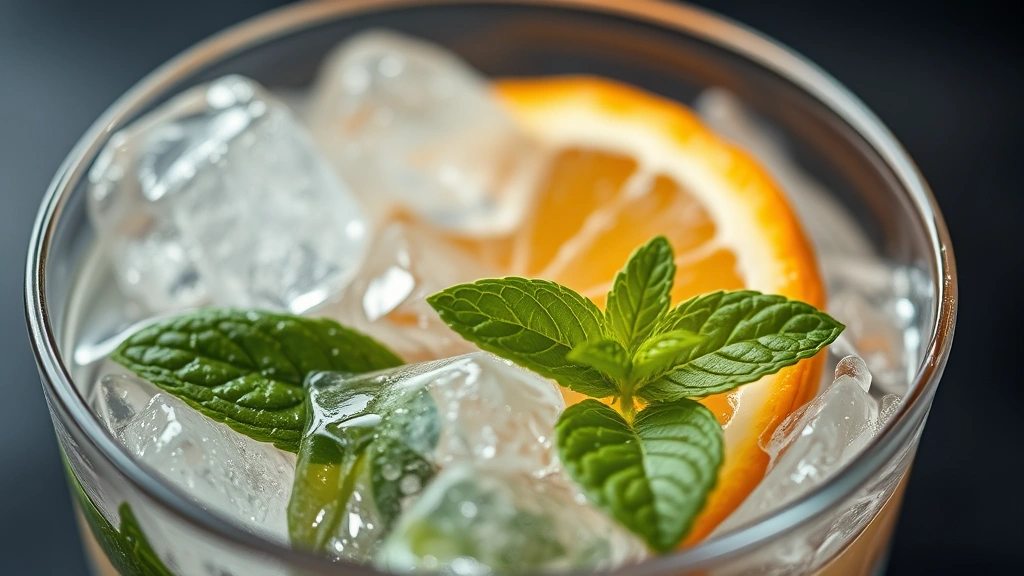
Garnishes are never just decoration—they’re functional flavor components. A lemon twist expresses oils across the drink’s surface, mint releases aromatics when you sip, and a sugar rim adds textural contrast. Meanwhile, these visual elements signal care and professionalism, making guests appreciate your effort even before tasting the drink.
Storage of cocktail ingredients matters more than many home bartenders realize. Keep spirits in a cool, dark place away from direct sunlight. Fresh citrus should be stored separately and used within a few days for maximum juice quality. Vermouth, being wine-based, oxidizes and should be refrigerated after opening and used within a month for best results.
Practice makes perfect with cocktail recipes. Make the same drink several times, adjusting slightly based on how it tastes, until you find your preferred balance. Some people prefer stronger drinks, others want more citrus brightness—your cocktail recipe book provides the foundation, but your personal preferences shape the final product.