
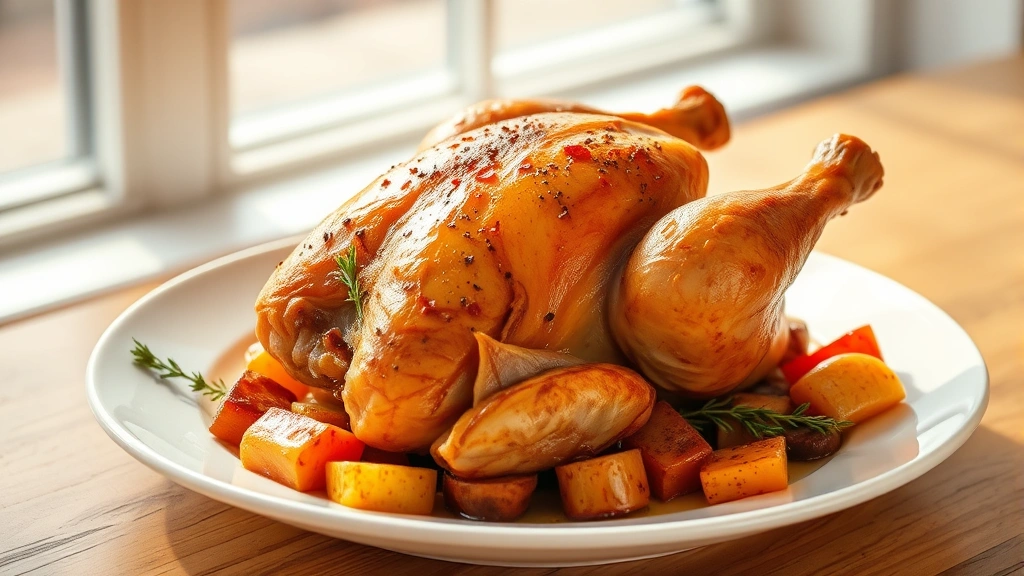
A cornish hen recipe oven-roasted is one of those magical dishes that looks restaurant-worthy but comes together in under an hour. These petite, elegant birds are absolutely perfect for a special dinner for two, an intimate gathering, or when you want something that feels fancy without the fuss of a full-sized chicken.
I first discovered Cornish hens during a cooking class in culinary school, and honestly, they changed my perspective on dinner entirely. There’s something wonderfully sophisticated about serving your own personal bird to each guest—it feels indulgent and special, yet the technique is surprisingly straightforward. Plus, they cook faster than regular chicken, which means you can have an impressive main course on the table without spending all evening in the kitchen.
Jump To Section
Why This Recipe Works
The beauty of roasting Cornish hens in the oven lies in their size and structure. Because they’re so small and compact, they cook evenly and quickly, reaching perfectly juicy meat in just about 45 minutes. The skin gets gorgeously golden and crispy while the meat stays tender and flavorful.
Additionally, the high-heat roasting method creates a gorgeous caramelized exterior through the Maillard reaction—that magical browning process that makes food taste absolutely incredible. The natural juices concentrate within the small bird, making every bite succulent and rich. I always say that roasting is one of the most forgiving cooking methods, and these little hens prove it beautifully.
What makes this approach different from standard roasting is the combination of butter, herbs, and aromatics stuffed inside and under the skin. This creates layers of flavor that infuse the meat as it cooks. Meanwhile, the vegetables roasting alongside absorb those delicious pan juices, creating a complete one-pan dinner.
Ingredient Tips & Substitutions
Fresh herbs are absolutely worth using here, but I understand they’re not always available. If you only have dried herbs, use about one-third the amount since they’re more concentrated. Thyme and rosemary are my non-negotiables for this recipe—they pair so beautifully with poultry.
For the butter, I recommend using unsalted so you can control the salt level throughout. You can absolutely add minced garlic to your herb butter for extra depth, or even a touch of lemon zest for brightness. However, keep the additions subtle so the chicken remains the star.
The vegetables are completely flexible based on what you have on hand. Root vegetables like carrots, parsnips, and potatoes work wonderfully, but you could also use Brussels sprouts or small onions. For instance, I’ve made this with fennel bulbs when I had them, and the subtle anise flavor was absolutely delightful.
Serving Suggestions & Pairings
These little birds are spectacular alongside roasted vegetables, which you’re already cooking in the same pan. Consider pairing with a crisp salad—our perfect oil and vinegar salad dressing recipe would be absolutely lovely with fresh greens and shaved vegetables.
For a more substantial meal, serve with a warm soup beforehand. Our perfect fresh tomato soup recipe makes an elegant first course that complements the roasted bird beautifully. You might also enjoy pairing with best Mexican corn salad recipe for a lighter, more summery accompaniment.
Wine-wise, a light-bodied white wine like Sauvignon Blanc or a medium-bodied red like Pinot Noir pairs beautifully. The roasted, herby flavors of the hen work with both options, so choose based on your preference.
Storage & Reheating Tips
Leftover roasted Cornish hen keeps beautifully in the refrigerator for up to four days when stored in an airtight container. The meat shreds wonderfully for salads, or you can simply reheat it gently in a low oven with a splash of chicken broth to restore moisture.
Actually, I love using the leftovers to make a best rotisserie chicken salad recipe—the technique works perfectly with Cornish hen meat. The bones make excellent broth, so don’t throw them away. Simmer them with aromatics for a few hours to create a rich, flavorful stock.
To reheat, place the bird in a 325-degree oven for about 15-20 minutes, covering with foil to prevent over-browning. The meat will warm through while staying tender. Alternatively, you can shred the meat and quickly warm it in a skillet over medium heat with a bit of butter or olive oil.
Making It Your Own
The wonderful thing about this oven roasted cornish hen recipe is how adaptable it is to your taste preferences and what’s in your pantry. Some nights I go classic with just herbs and butter, while other times I add a teaspoon of Dijon mustard to the herb mixture for a subtle tang.
You can also experiment with different aromatics—try tarragon for a French-inspired version, or oregano and lemon for a Mediterranean twist. The technique remains exactly the same, but these small changes create entirely different flavor profiles. Additionally, if you’re cooking for more people, this recipe scales beautifully—simply roast two or three birds alongside each other, adjusting the cooking time slightly if needed.
I’ve also had great success starting these birds at a very high temperature (450 degrees) for the first 20 minutes to get the skin extra crispy, then reducing to 375 degrees for the remainder of cooking. This technique gives you the best of both worlds—golden, crackling skin and perfectly cooked, juicy meat.
Whether you’re cooking for a romantic dinner for two or impressing guests at your next dinner party, this straightforward roasted cornish hen recipe oven-style approach delivers restaurant-quality results every single time. The combination of proper seasoning, high heat, and a bit of patience creates something truly special that tastes far more complicated than it actually is.
Ingredients
- 2 Cornish hens (1½ to 2 pounds each)
- 4 tablespoons unsalted butter, softened
- 2 tablespoons fresh thyme leaves, chopped
- 1 tablespoon fresh rosemary, finely chopped
- 1 teaspoon kosher salt, divided
- ½ teaspoon freshly ground black pepper, divided
- 4 cloves garlic, crushed
- 1 lemon, halved
- 2 cups baby carrots, halved lengthwise
- 1 pound small potatoes, quartered
- 1 medium red onion, cut into wedges
- 2 tablespoons olive oil
- ½ cup chicken broth
- Fresh herbs for garnish (optional)
Instructions
- Preheat your oven to 425 degrees Fahrenheit. Pat the Cornish hens completely dry with paper towels—this is crucial for achieving crispy skin, so don’t skip this step.
- In a small bowl, combine the softened butter with chopped thyme, rosemary, half the salt, and half the pepper. Mix until well combined and fragrant.
- Carefully loosen the skin on each hen by gently sliding your fingers between the skin and meat, starting at the neck area. Be gentle to avoid tearing the skin.
- Spread half of the herb butter under the skin of each hen, distributing it evenly across the breast and thighs. This creates incredible flavor as it melts during cooking.
- Stuff each hen’s cavity with two crushed garlic cloves and half a lemon. These aromatics will perfume the meat from the inside as it roasts.
- Rub the outside of each hen with the remaining herb butter, then season generously with the remaining salt and pepper.
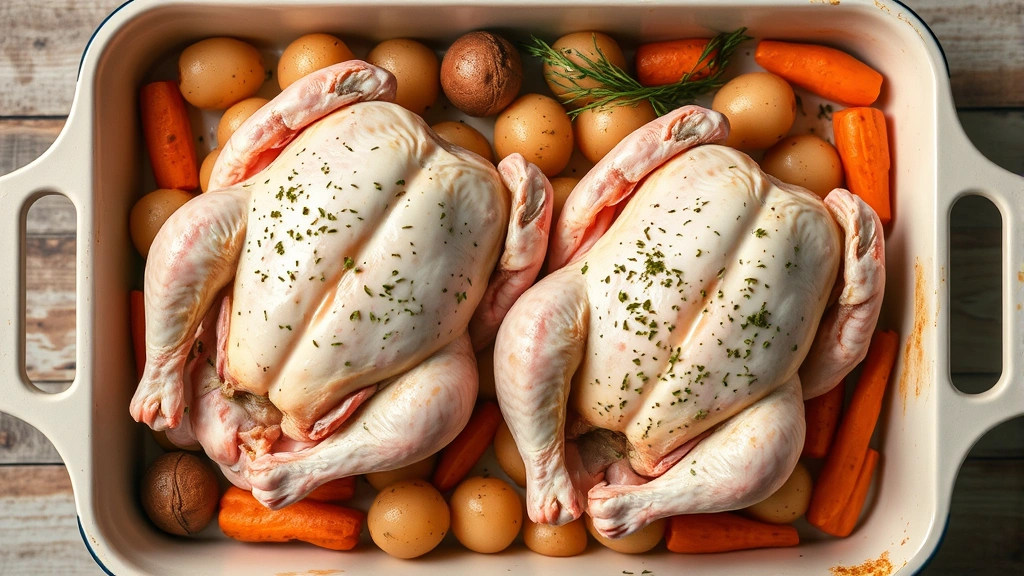
- In a large roasting pan, toss the carrots, potatoes, and red onion with olive oil, remaining salt, and pepper. Arrange them in a single layer around the center of the pan.
- Place the hens breast-side up in the roasting pan, nestling them among the vegetables. Pour the chicken broth into the bottom of the pan around (not over) the birds.
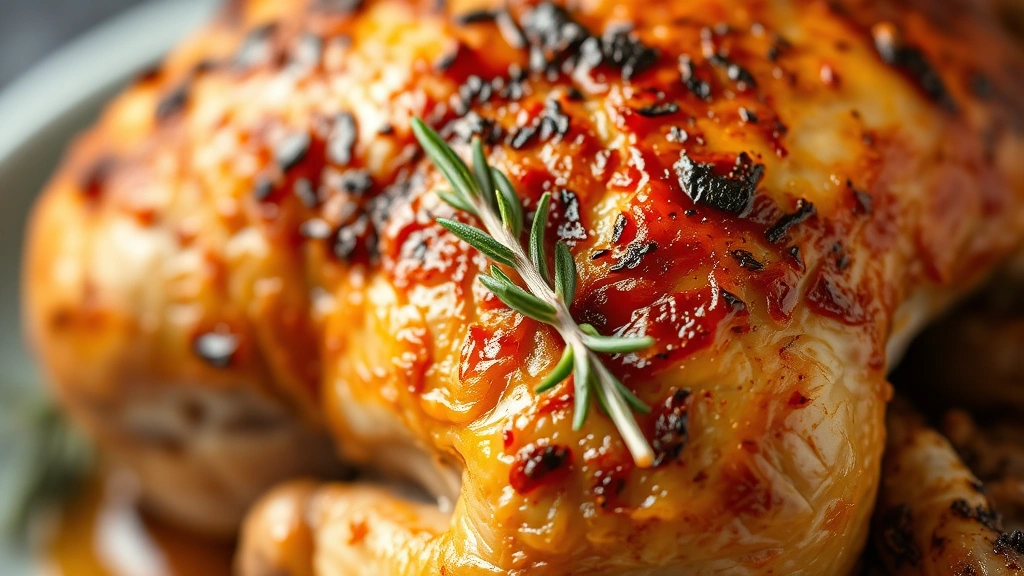
- Roast for 45 to 50 minutes, until the internal temperature reaches 165 degrees Fahrenheit at the thickest part of the thigh. The skin should be deep golden brown and crispy.
- Remove from the oven and let rest for 5 minutes before serving. This allows the juices to redistribute, keeping the meat incredibly moist.
- Transfer the hens to serving plates and arrange the roasted vegetables alongside. Drizzle everything with the pan juices for maximum flavor.
Pro Tips
The most important step for crispy skin is patting the hens dry before cooking. Any moisture on the surface will steam rather than crisp, so take an extra minute with the paper towels.
For even cooking, make sure your hens are roughly the same size. If you’re using birds that differ significantly in weight, adjust their positions in the oven partway through cooking, moving the smaller bird to a warmer spot if needed.
The herb butter can be made up to two days in advance and stored in the refrigerator. Simply let it come to room temperature before applying to the hens. Additionally, you can prep the vegetables the morning of cooking—just store them in an airtight container until ready to roast.
If your vegetables aren’t tender by the time the hens are done, remove the birds to rest, then return the pan to the oven for another 5-10 minutes. The hens will stay warm during this time, and the vegetables will finish cooking perfectly.
For extra flavor, don’t discard those pan juices. Pour them into a small saucepan and simmer over medium-high heat for a few minutes to concentrate the flavors, then drizzle over the finished dish. You can also whisk in a touch of Dijon mustard or fresh lemon juice for complexity.
Substitution note: If you can’t find Cornish hens, this same recipe works beautifully with small chickens or even larger game hens, though you’ll need to increase the cooking time to 60-75 minutes. Check the internal temperature rather than relying on time alone.