
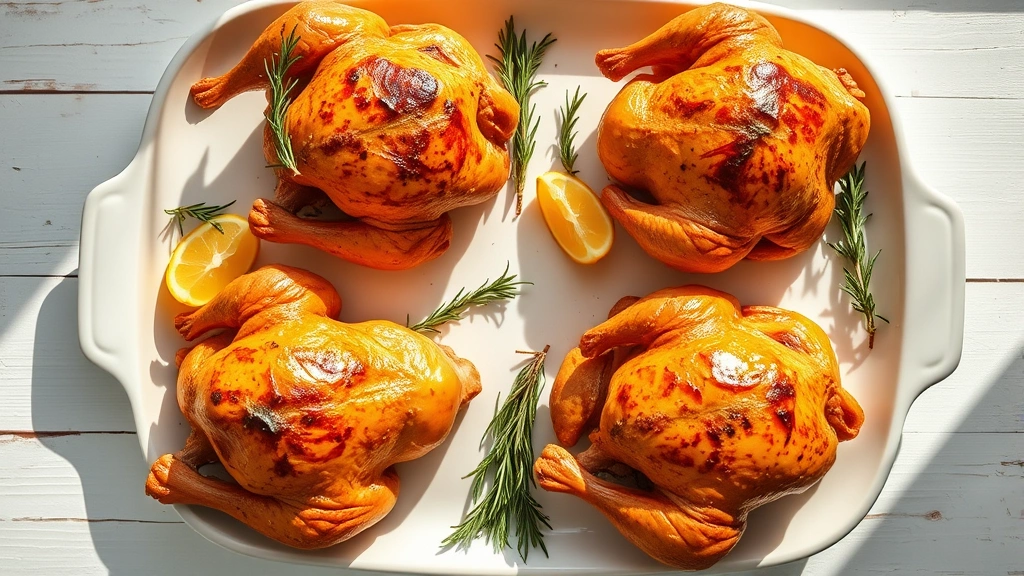
Cornish hens recipes are absolutely game-changing for anyone looking to elevate their dinner table without the fuss of roasting a whole turkey or chicken. These petite, elegant birds are the secret weapon that makes you look like a culinary genius while actually being surprisingly simple to prepare. Whether you’re hosting an intimate dinner party or cooking for your immediate family, Cornish game hens deliver restaurant-quality results in about an hour.
I fell in love with cooking Cornish hens years ago when I realized each guest could have their own perfectly portioned bird. There’s something so special about plating an entire golden, herb-crusted hen on someone’s plate—it feels fancy and personal all at once. Plus, they cook faster than larger poultry, which means you spend less time in the kitchen and more time with your guests.
Jump To Section
Why This Recipe Works
Cornish hens are naturally tender and flavorful, with a higher proportion of dark meat compared to regular chickens. This means they stay incredibly moist during cooking, even if you’re not a seasoned roaster. The smaller size also means the skin crisps up beautifully while the meat inside remains juicy and succulent.
The beauty of roasting these birds is that they cook evenly from every angle. Unlike larger poultry where you’re constantly worried about dry breasts and undercooked thighs, Cornish hens reach perfect doneness simultaneously. Additionally, they’re forgiving enough for beginners yet impressive enough to serve at your fanciest dinner party.
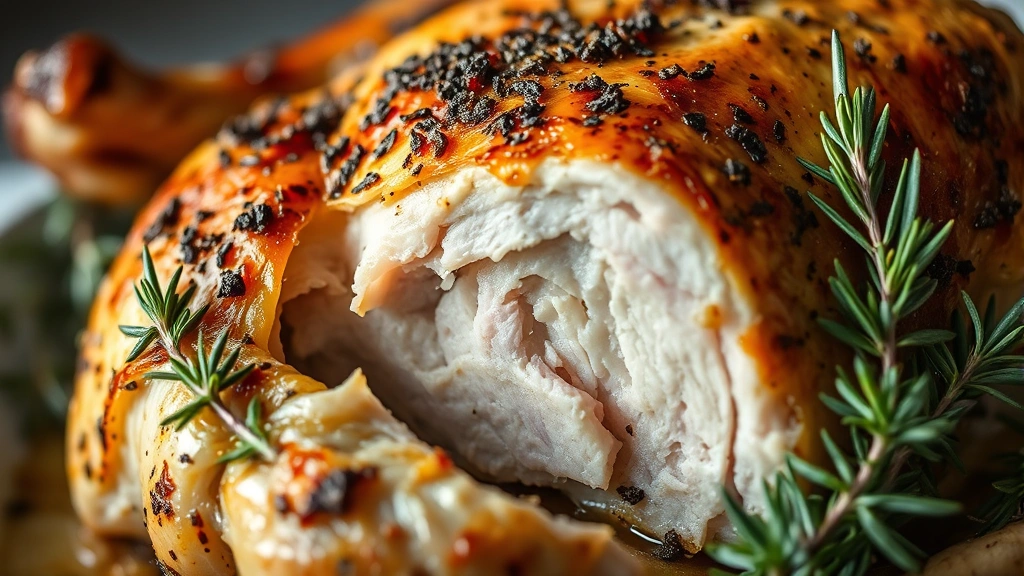
When you butter the skin, season generously with herbs, and let them roast in a hot oven, something magical happens. The exterior becomes crackling and golden while the inside stays tender and juicy. For instance, adding fresh herbs like rosemary and thyme directly under the skin infuses the meat with incredible flavor. This technique is what separates good roasted birds from absolutely memorable ones.
Ingredient Tips & Substitutions
The foundation of great roasted Cornish hens starts with quality butter and fresh herbs. Room temperature butter spreads more easily under the skin, ensuring even seasoning throughout. However, if you prefer a lighter option, you can substitute with olive oil infused with garlic and herbs.
Fresh herbs make a tremendous difference in the final flavor profile. Rosemary, thyme, and sage are my go-to combination, but feel free to experiment with tarragon, oregano, or even fresh lemon zest. Meanwhile, garlic cloves tucked inside the cavity add subtle depth without overpowering the delicate bird.
For the glaze, honey and Dijon mustard create a beautiful caramelized coating. If you don’t have honey, maple syrup works wonderfully too. These ingredients create a slightly sweet, savory exterior that caramelizes beautifully in the oven.
You’ll want to pick up birds that are about 1.5 to 2 pounds each—this is the ideal size for even cooking and perfect presentation. Most butchers can order these for you if they’re not in stock. Additionally, having them at room temperature before cooking helps them roast more evenly.
Preparation & Seasoning Secrets
Pat your Cornish hens completely dry before you begin—this is non-negotiable for crispy skin. Any moisture on the surface will steam rather than roast, preventing that gorgeous golden crust. I like to use paper towels and really get in there, especially in all the crevices.
Gently separate the skin from the meat using your fingers, working from the neck end downward. This pocket is where you’ll slip your herb-infused butter, which seasons from the inside out. Be gentle so you don’t tear the delicate skin—patience here pays off tremendously.
Season the cavity with salt, pepper, and fresh herbs. I always add a halved lemon and a few garlic cloves inside each bird—they perfume the meat beautifully as it roasts. Don’t skip this step; it creates an aromatic steam inside the bird that keeps the meat incredibly moist.
Tie the legs together with kitchen twine so they cook evenly and present beautifully. This also helps the birds roast more uniformly without any splayed legs cooking faster than the rest of the bird.
Serving Suggestions
Roasted Cornish hens pair beautifully with elegant sides that complement rather than compete with the star of the show. A quick tasty spring salad offers a fresh contrast to the rich, roasted meat. Meanwhile, creamy mashed potatoes or wild rice pilaf provide comfort-food appeal without stealing the spotlight.
For a lighter accompaniment, roasted asparagus with garlic and lemon is absolutely perfect. The acidity cuts through the richness of the bird beautifully. You could also serve the hens alongside Mexican corn salad for a fun twist, or keep it traditional with spicy cucumber salad for a refreshing element.
If you’re serving a more casual meal, quick tasty pork stir fry inspired sides with sautéed vegetables work great. For something heartier, pair with crusty bread to soak up the delicious pan juices. Don’t forget to make a pan sauce from the drippings—that liquid gold is too good to waste.
A simple soup like Zuppa Toscana makes an elegant first course that won’t fill guests up before the main event. Alternatively, serve with dinner rolls and compound butter for an upscale yet approachable presentation.
Storage & Reheating
Leftover roasted Cornish hens keep beautifully in the refrigerator for up to three days when stored in an airtight container. The meat stays moist and flavorful, making it perfect for creative second meals. For instance, shred the meat and use it in tacos, grain bowls, or salads for quick weeknight dinners.
To reheat, place the birds in a 350°F oven covered loosely with foil for about 15-20 minutes until warmed through. This gentle reheating preserves the meat’s texture far better than microwaving. If you’re worried about the skin losing its crispness, increase the oven temperature to 425°F for the last few minutes.
You can also freeze cooked Cornish hens for up to two months. Wrap them tightly in plastic wrap and then foil, and label with the date. Thaw overnight in the refrigerator before reheating for best results.
The bones make incredible stock, so don’t throw them away. Simmer them with aromatics for a few hours to create a rich, flavorful base for soups and sauces. This is how professional kitchens maximize flavor from every ingredient.
Cornish hens recipes offer endless possibilities for creative cooking and elegant entertaining. Whether you’re a seasoned home cook or just beginning your culinary journey, these birds will become a favorite go-to for special occasions and weeknight dinners alike. The combination of impressive presentation, reliable results, and delicious flavor makes them worth adding to your regular rotation. According to Bon Appétit, roasted game hens are a favorite among professional chefs for their versatility and elegance. You’ll find endless inspiration for variations at Serious Eats and New York Times Cooking as well. Once you master the basic technique, you’ll feel confident experimenting with different herb combinations, glazes, and side dishes to create your own signature preparation.
Ingredients
- 4 Cornish game hens (1.5 to 2 pounds each)
- 6 tablespoons unsalted butter, softened to room temperature
- 3 tablespoons fresh rosemary, finely chopped
- 2 tablespoons fresh thyme, finely chopped
- 1 tablespoon fresh sage, finely chopped
- 6 cloves garlic, minced
- 2 lemons, halved
- Salt and freshly ground black pepper to taste
- 3 tablespoons honey
- 2 tablespoons Dijon mustard
- 1 tablespoon apple cider vinegar
- 2 tablespoons olive oil
- Kitchen twine for trussing
Instructions
- Preheat your oven to 425°F. Pat the Cornish hens completely dry inside and out using paper towels—this is crucial for achieving crispy, golden skin.
- In a small bowl, combine softened butter with chopped rosemary, thyme, sage, minced garlic, ½ teaspoon salt, and ¼ teaspoon pepper. Mix until well combined.
- Gently separate the skin from the breast meat of each hen by sliding your fingers under the skin from the neck end. Work carefully to avoid tearing the delicate skin.
- Divide the herb butter evenly among the four birds, placing it under the skin you just loosened. Smooth the skin back down and gently massage to distribute the butter evenly throughout.
- Season the interior cavity of each hen with salt and pepper. Place a lemon half and a few fresh herb sprigs inside each bird.
- Tie the legs of each hen together with kitchen twine, creating a compact shape that will cook evenly.
- Place the hens breast-side up on a roasting pan or rimmed baking sheet. Drizzle lightly with olive oil and season the outside generously with salt and pepper.
- In a small bowl, whisk together honey, Dijon mustard, and apple cider vinegar to create a glaze.
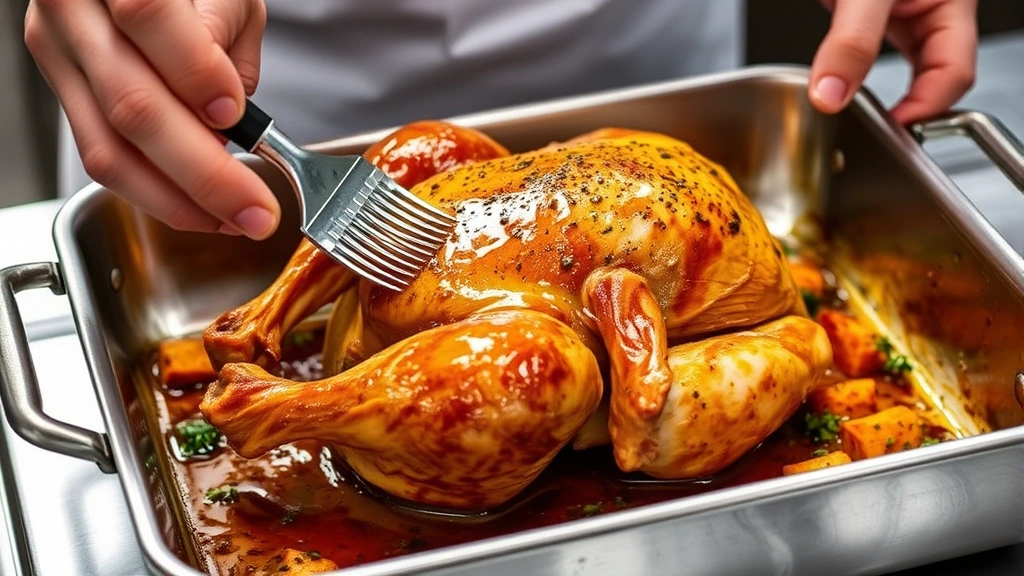
- Roast the hens at 425°F for 35 minutes. Remove from oven and brush generously with the honey-mustard glaze.
- Return to the oven and roast for an additional 15-20 minutes until the skin is deep golden brown and the internal temperature reaches 165°F when measured in the thickest part of the thigh.
- Remove from oven and let rest for 5 minutes before serving. This allows the juices to redistribute throughout the meat.
- Carefully transfer each hen to a serving plate. Drizzle with pan juices and garnish with fresh herbs if desired. Serve immediately while still warm.
Pro Tips
Room temperature birds cook far more evenly than cold ones straight from the refrigerator. Take them out about 30 minutes before you plan to roast them. This simple step makes a noticeable difference in how uniformly they cook.
The skin should be completely dry before the birds go into the oven—moisture is the enemy of crispiness. I sometimes pat them dry, let them sit uncovered in the refrigerator for a few hours, then pat them dry again right before cooking for maximum crispness.
Don’t skip the resting period after cooking. Those five minutes allow the meat fibers to relax and reabsorb the juices, resulting in more tender, flavorful meat. Meanwhile, the carryover cooking finishes cooking any areas that might still be slightly underdone.
For herb variations, try tarragon and white wine for a French-inspired version, or cumin and cilantro for a more global approach. You can also experiment with different citrus—orange or lime juice adds wonderful brightness.
If your birds are browning too quickly, loosely tent them with foil for the first 30 minutes of cooking. Remove the foil for the final 20-25 minutes to allow the glaze to caramelize and the skin to crisp up beautifully.
To make a quick pan sauce, remove the birds from the roasting pan and place over medium-high heat on the stovetop. Add a splash of chicken broth and scrape up all the browned bits from the bottom. Simmer for a few minutes, then finish with a pat of butter and fresh herbs for a sophisticated sauce that complements the roasted birds perfectly.
For a make-ahead option, you can prepare the birds through step 6 the morning of your dinner. Cover and refrigerate until ready to roast. Just remember to allow extra cooking time since they’ll go into the oven cold—add about 5-10 minutes to the total roasting time.
These birds pair beautifully with dry white wines like Sauvignon Blanc or Pinot Grigio. The acidity and lightness complement the rich, roasted poultry without overwhelming it.