
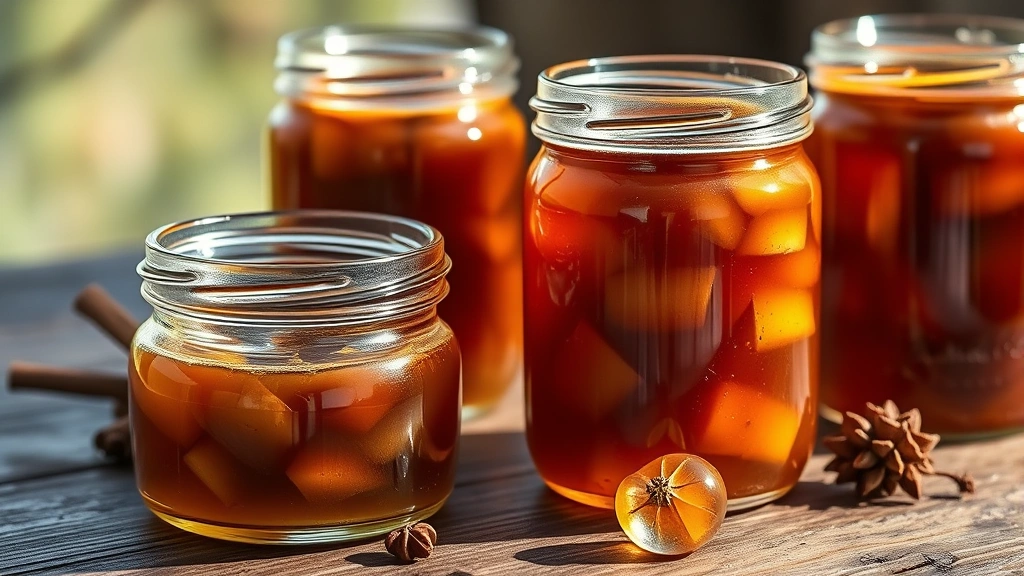
Crab apple recipes are one of autumn’s best-kept secrets, and once you discover what these little gems can do, you’ll find yourself hunting for them year after year. These small, tart fruits might look like ornamental decorations on a tree, but they’re absolutely packed with pectin and flavor—making them perfect for everything from jewel-toned jellies to spiced compotes. Whether you’ve got a backyard tree overflowing with fruit or you’ve spotted them at a farmers market, I’m thrilled to share my favorite ways to transform them into something truly special.
The beauty of crab apples lies in their versatility and their natural tartness. Unlike regular apples, crab apples deliver a bright, almost floral quality that works beautifully in both sweet and savory applications. I love how they add complexity to dishes—they’re not just one-note tart, but layered with subtle sweetness and depth. Plus, they’re often overlooked, which means you’re getting premium ingredients at a fraction of the cost of specialty fruits.
Jump To Section
Why Crab Apple Recipes Are Worth Your Time
For years, I walked past crab apple trees thinking they were purely decorative. Then a friend handed me a jar of homemade crab apple jelly, and everything changed. That glossy, ruby-red preserve was so beautiful I almost didn’t want to open it—but once I did, the flavor was absolutely transformative. The natural high pectin content means these fruits practically turn into jelly on their own, which is a game-changer for anyone intimidated by preserving.
Beyond jams and jellies, crab apples shine in unexpected places. They make stunning glazes for roasted meats, create bright notes in salads, and add sophisticated depth to savory sauces. I’ve found that incorporating crab apple recipes into your cooking repertoire opens up entirely new flavor possibilities. Additionally, they’re an excellent way to reduce food waste—so many trees produce abundance that goes unharvested every single year.
Choosing and Preparing Your Crab Apples
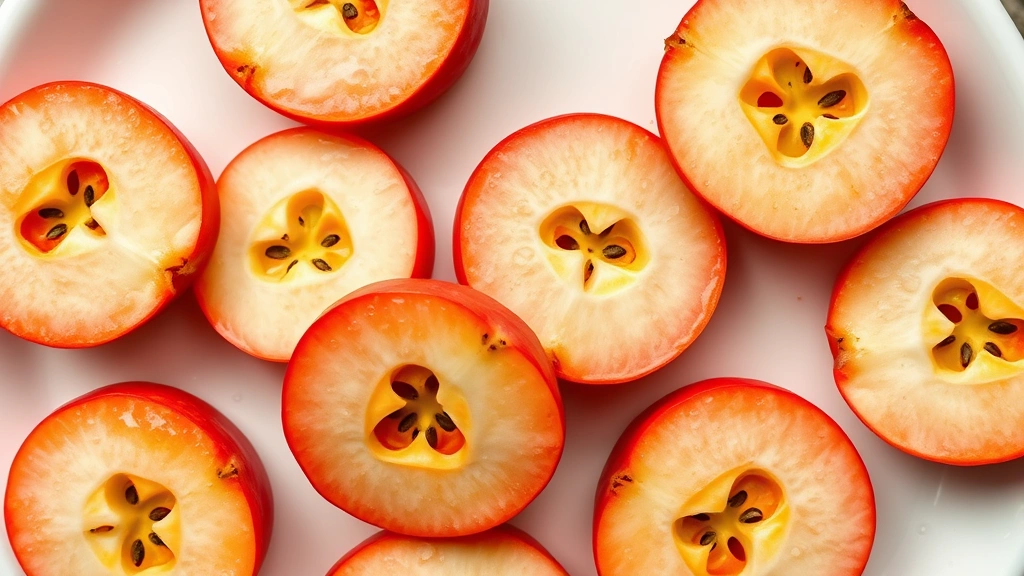
When selecting crab apples, look for firm fruits with deep color and no soft spots. Size varies by variety, but most are between ½ to 2 inches in diameter. The smaller ones tend to be slightly more tart, while larger varieties can offer more sweetness—both work beautifully in crab apple recipes. I always harvest or purchase them in early to mid-fall when the flavor is most concentrated.
Preparation is refreshingly simple. Most crab apple recipes don’t require peeling since the skin contains so much of the pectin and flavor. A quick rinse under cool water and a rough chop is usually all you need. For recipes where you want a smoother texture, like jellies or sauces, you can remove the seeds after cooking and straining. The stems can stay on during cooking—they’ll be strained out anyway in most applications.
One pro tip: if you’re making multiple crab apple recipes, freeze your harvest in batches. They freeze beautifully for up to a year, which means you can enjoy crab apple cooking projects throughout the seasons. This flexibility is one reason I adore working with these fruits—they’re not bound by a strict harvest window if you plan ahead.
Classic Preserves and Condiments
The most traditional crab apple recipes yield the most stunning jams and jellies. These glossy, jewel-toned preserves are the kind that make people stop and stare when you set them on the table. The natural tartness of crab apples means you can use less sugar than with regular apple recipes, creating a fresher-tasting preserve that still sets beautifully. I like to add warm spices like cinnamon and star anise to mine—they complement the fruit’s subtle floral notes perfectly.
Crab apple catsup is another revelation. It’s savory, complex, and utterly addictive alongside roasted pork or sharp cheeses. The fruit’s acidity works like vinegar in the sauce, creating that perfect balance of sweet and tangy. Meanwhile, a quick crab apple compote requires just fruit, sugar, and time on the stove—no special equipment needed. This version is fantastic spooned over vanilla ice cream or swirled into Greek yogurt for breakfast.
If you’re interested in exploring more fruit-based condiments, our fresh tomato soup recipe uses similar preservation techniques with wonderful results. The principles of coaxing maximum flavor from seasonal produce translate beautifully across different fruits and vegetables.
Savory Applications Worth Exploring
Here’s where crab apple recipes get really interesting. These fruits aren’t just for dessert—they create magnificent glazes for roasted chicken, duck, or ham. The tartness cuts through richness beautifully, while the natural sugars caramelize into something deeply savory and complex. I’ve found that a simple crab apple glaze elevates even the most basic roasted protein into something restaurant-worthy.
For something lighter, try adding halved crab apples to pork stir fry recipes during the last few minutes of cooking. They add pops of tartness that brighten the entire dish without overwhelming it. Or fold them into spicy cucumber salad for an unexpected flavor dimension that will have guests asking for your secret.
Pickling crab apples is another fantastic technique. Whole or halved fruits pickled with spices, vinegar, and sugar create beautiful condiments that pair gorgeously with cheese boards or roasted meats. They’re also stunning to look at—the fruit often turns a gorgeous magenta or deep red as it pickles, making them as visually appealing as they are delicious.
Baked Goods and Sweet Treats
Crab apple recipes extend beautifully into the realm of baked goods. A crab apple tart showcases these fruits at their most elegant—their natural tartness balanced against a buttery crust and perhaps a touch of honey or cream. Or try baking them into a rustic galette where their vibrant color shines through. The slight tartness prevents your baked goods from becoming cloying, creating a more sophisticated dessert that feels special without being fussy.
Simple crab apple cake with a light glaze is a weeknight-friendly option that doesn’t require special equipment. The fruit becomes tender and flavorful as it bakes, infusing the cake with subtle complexity. For something even simpler, try poaching whole crab apples in spiced syrup until they’re tender and jewel-like. Serve them with cream or vanilla ice cream for an elegant dessert that looks far more complicated than it actually is.
If you’re a baker, you might also explore how crab apple recipes work in tarts and pies. Unlike regular apples, their tartness means you can reduce sugar significantly, creating desserts that don’t feel overly sweet. This principle aligns beautifully with how we approach lighter, fresher baking throughout the seasons.
Drinks and Beverages
Beyond food, crab apples make spectacular drinks. Crab apple cider is a revelation—the fruit’s complexity creates depth that store-bought versions often lack. You can also steep them in alcohol to create liqueurs or infused spirits that make impressive homemade gifts. Even a simple crab apple shrub—a drinking vinegar made with fruit, sugar, and vinegar—creates a refreshing mixer for cocktails or sparkling water.
For non-alcoholic options, crab apple juice or a light crab apple tea offers similar brightness. The tartness makes these beverages particularly refreshing in warm months, though I enjoy them year-round. Additionally, a warm crab apple punch spiced with cinnamon and cloves makes a gorgeous holiday drink that’s less heavy than traditional options.
Storage and Seasonal Planning
Fresh crab apples store beautifully in the refrigerator for several weeks in a perforated bag—much longer than regular apples. However, most crab apple recipes involve transforming them into something with better keeping power. Jams, jellies, and preserved compotes keep in the pantry for months when processed properly, making them perfect for stocking your shelves with homemade goodness.
If you’re not ready to preserve immediately, freezing is your friend. Place whole or halved fruits on a baking sheet, freeze until solid, then transfer to freezer bags. They’ll keep for up to a year and thaw perfectly for cooking applications. This flexibility means you can enjoy crab apple recipes whenever inspiration strikes, not just during harvest season.
The versatility of crab apple recipes means you can explore different projects throughout the year. Perhaps you make jelly in September, a compote in October, and a spiced pickled version in November. This approach lets you experience the full range of what these wonderful fruits can do while keeping your preserving projects manageable and enjoyable.
For additional inspiration on seasonal cooking, check out our spinach strawberry salad recipe and our pesto pasta recipe—both celebrate seasonal ingredients in simple, elegant ways.
Whether you’re a seasoned preserver or just discovering crab apple recipes for the first time, these small fruits offer enormous potential. From stunning jewel-toned jams to savory glazes that transform everyday proteins, crab apples deserve a permanent place in your kitchen. So next time you spot a crab apple tree laden with fruit, don’t walk past—gather those precious gems and start creating something delicious. Your table—and your guests—will thank you.
Ingredients
- 4 pounds fresh crab apples, rinsed and halved
- 2 cups granulated sugar
- 1 cup water
- 2 tablespoons fresh lemon juice
- 1 cinnamon stick (3 inches)
- 3 whole star anise pods
- 4 whole cloves
- ¼ teaspoon fine sea salt
Instructions
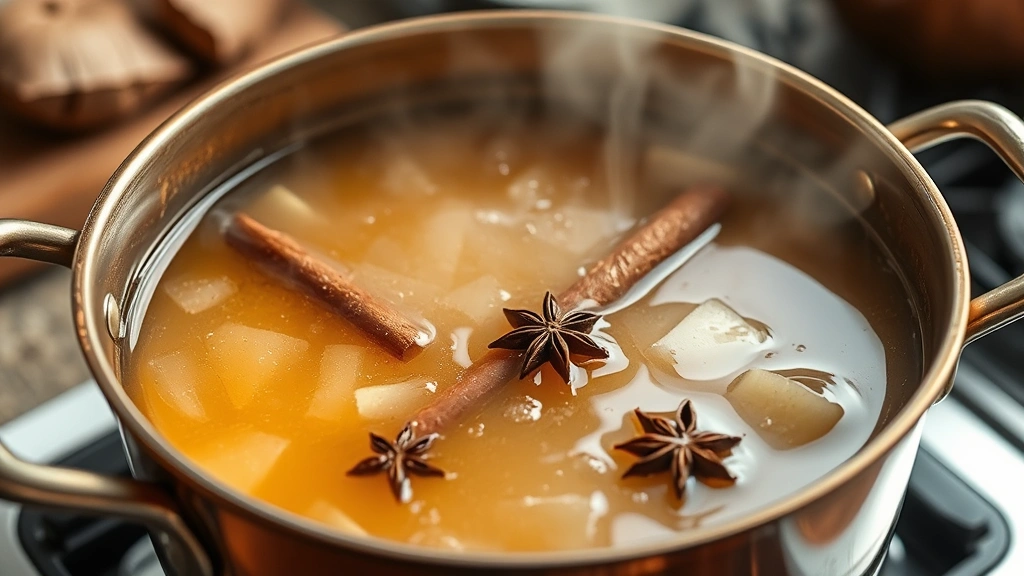
- Place halved crab apples in a large heavy-bottomed pot with the water. The fruit should be just barely covered. Bring to a boil over medium-high heat, then reduce to medium and simmer for 20-25 minutes until the fruit is completely soft and beginning to break down.
- Pour the cooked fruit and liquid through a fine-mesh strainer or cheesecloth-lined colander into a bowl, pressing gently on the fruit to extract all liquid. You should have approximately 3 cups of strained juice. Don’t squeeze aggressively or your jelly will become cloudy.
- Return the strained liquid to the pot and add sugar, lemon juice, cinnamon stick, star anise, cloves, and salt. Stir over medium heat until the sugar completely dissolves, about 2-3 minutes.
- Increase heat to medium-high and bring the mixture to a rolling boil. Let it boil vigorously for 15-20 minutes, stirring occasionally. The jelly is ready when it reaches 220°F on a candy thermometer or when a spoonful dropped on a chilled plate wrinkles when pushed.
- Remove from heat and let cool for 5 minutes. Skim off any foam from the surface with a clean spoon. Remove the whole spices with a slotted spoon.
- Ladle the hot jelly into sterilized jars, leaving ¼ inch headspace. Wipe the rims clean, then seal with two-piece canning lids. Process in a boiling water bath for 10 minutes for half-pint jars, or refrigerate for up to 3 weeks.
- Once cooled completely, the jelly should be set with a beautiful jewel-tone appearance. Store sealed jars in a cool, dark place for up to one year.
Pro Tips
The key to perfect crab apple jelly is patience and proper straining. Don’t rush the cooling process or squeeze the fruit too aggressively, as this will result in cloudy jelly. If you prefer a spicier version, add ¼ teaspoon ground ginger or a pinch of cayenne pepper along with the whole spices.
For a smooth compote instead of jelly, skip the straining step and blend the cooked fruit with an immersion blender. This creates a silkier texture that’s wonderful on yogurt or swirled into ice cream. Additionally, you can reduce the sugar to 1½ cups if you prefer a less sweet preserve—crab apples have enough natural pectin that they’ll still set beautifully.
If you don’t have a candy thermometer, use the cold plate test: chill a small white plate in your freezer, drop a small spoonful of jelly on it, and push with your finger. If it wrinkles and doesn’t immediately flow back together, it’s ready. The setting point for crab apple jelly is typically around 220°F, which is slightly lower than regular apple jelly.
Storage is simple—sealed jars keep for up to one year in a cool, dark pantry. Once opened, refrigerate and use within 3 weeks. If you prefer not to process jars in a water bath, simply refrigerate the finished jelly for up to 3 weeks in sterilized containers. The natural pectin in crab apples means your preserve will set reliably even without formal canning.
For savory applications, omit the cinnamon, anise, and cloves, and instead add a sprig of fresh rosemary and ¼ teaspoon black pepper to create a glaze perfect for roasted meats. Meanwhile, for a cocktail-friendly version, replace ¼ cup of the water with apple cider vinegar to create a shrub-like consistency that works beautifully as a mixer.