

This crab bisque recipe is the elegant soup that’ll have your dinner guests thinking you spent all day in the kitchen. Rich, creamy, and absolutely luxurious, a proper crab bisque belongs on your table more often than it probably is.
I remember the first time I tasted crab bisque at a fancy restaurant in Charleston. The velvety texture, the delicate sweetness of the crab, the subtle hint of sherry—I was completely hooked. For years, I assumed it was too complicated to make at home. Then I realized the secret: it’s mostly about taking your time and letting the flavors develop naturally.
Jump To Section
What makes this crab bisque recipe so special is that it tastes like you’ve been simmering it for hours, when really, you can have it on the table in about 90 minutes. The technique is straightforward, the ingredients are simple, and the results are absolutely restaurant-quality.
Why This Recipe Works
A bisque is different from regular seafood soup because it’s built on a foundation of shells and aromatics. We start by sautéing crab shells (if you can get them) with celery, onion, and garlic to create an incredible flavor base. This step is non-negotiable—it’s what separates a good bisque from a mediocre one.
The addition of tomato paste adds depth and natural acidity that brightens the richness of the cream. Brandy or sherry brings sophistication without making the soup taste boozy. Meanwhile, a combination of butter and flour creates the perfect silky texture that defines a classic bisque.
Additionally, fresh crab meat stirred in at the end ensures you get those sweet, tender pieces in every spoonful. The key is not overcooking the crab—we add it just before serving so it stays tender and doesn’t turn rubbery.
Ingredient Tips & Substitutions
For the best results, use fresh lump crab meat if you can find it. If fresh isn’t available, high-quality frozen crab meat works beautifully too. Just make sure to thaw it gently and pat it dry before adding it to the soup.
If you can’t find crab shells, ask your fishmonger—many will save them for you if you ask nicely. However, if shells aren’t available, you can still make this recipe using only fresh crab meat; it’ll just be slightly less intensely flavored. The trade-off is worth it if that’s what you have on hand.
The choice between brandy and sherry is personal. Brandy gives a warmer, rounder flavor, while sherry adds a slightly sweet, complex note. I love using sherry for this particular bisque, but honestly, either works beautifully. For instance, if you prefer to skip the alcohol entirely, use an additional quarter cup of fish or seafood stock instead.
Heavy cream is essential here—don’t try to substitute with half-and-half or milk. The fat content in heavy cream is what creates that luxurious mouthfeel that makes bisque so irresistible. You could use a combination of cream and crème fraîche for a slightly less heavy version if you prefer.
Step-by-Step Cooking Guide
Start by melting butter in a large pot over medium-high heat. Add your crab shells (if using), celery, onion, and garlic, and let them cook undisturbed for about 3-4 minutes. This browning step is crucial—you want to develop those deep, savory flavors that form the backbone of your bisque.
Stir in the tomato paste and cook for another minute until it smells fragrant and slightly caramelized. Pour in your sherry or brandy, scraping up any browned bits from the bottom of the pot. These bits are liquid gold—they’re packed with flavor.
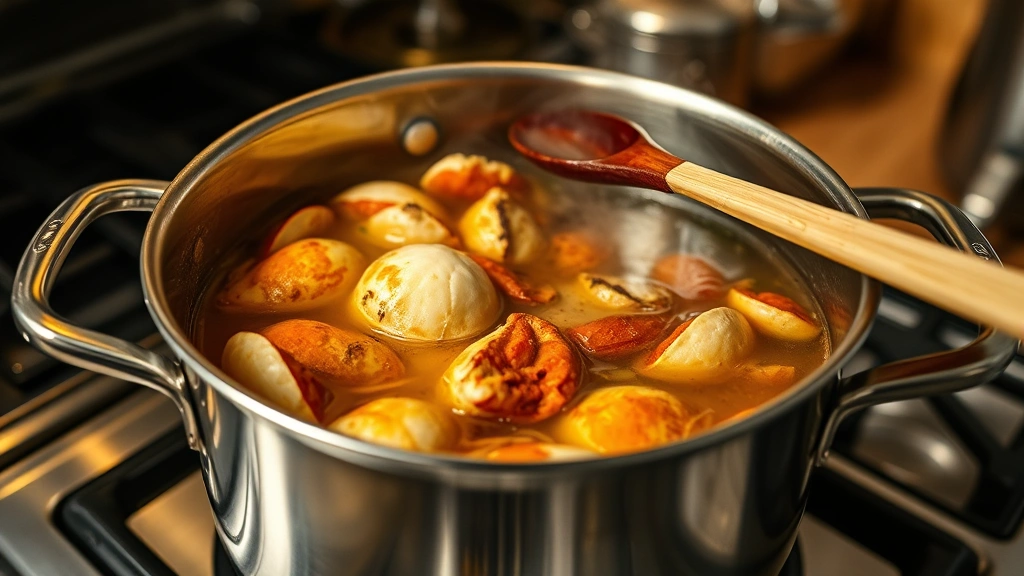
Add your stock and bring everything to a gentle simmer. Let it bubble away for about 20-25 minutes so all those flavors can meld together beautifully. You’ll notice the liquid turns a gorgeous golden color.
Strain everything through a fine-mesh sieve, pressing gently on the solids to extract every last bit of flavor. Don’t press too hard though—you want a smooth soup, not a grainy one. Return the strained liquid to your pot.
Make a beurre manié (a fancy term for butter and flour paste) by kneading together softened butter and flour until it’s smooth. Whisk this into the simmering soup a little at a time, letting it dissolve completely before adding more. This is what gives your bisque that signature silky texture.
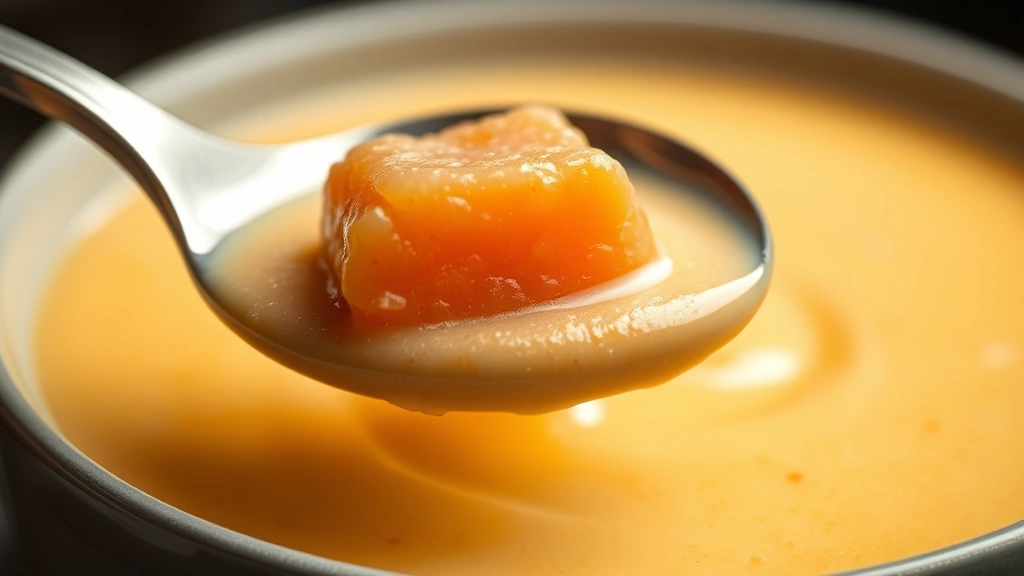
Stir in the heavy cream and season generously with salt, white pepper, and cayenne. Add the fresh crab meat right before serving—just let it warm through for a minute or two. Finish with a splash of sherry if you like, and perhaps a sprinkle of fresh chives or parsley.
Serving Suggestions
Crab bisque is best served in small bowls or mugs, as it’s quite rich. A drizzle of good quality olive oil on top adds a beautiful finishing touch. You could also add a dollop of crème fraîche or a small spoonful of caviar for extra elegance.
This soup pairs beautifully with my Best Romaine Salad Recipe as a light counterpoint to the richness. If you’re looking for something more substantial, serve it alongside some Best Tea Sandwiches Recipe for an elegant lunch.
For a fancier presentation, try a croustade (a small fried pastry shell) or crusty bread on the side. Fresh herbs like chives, dill, or tarragon make wonderful garnishes. A light white wine like Sauvignon Blanc or Chablis pairs perfectly with this bisque.
Storage & Reheating
You can make the base of this bisque up to two days ahead—just don’t add the crab meat until you’re ready to serve. Store the bisque base in an airtight container in the refrigerator. Reheat gently over medium-low heat, stirring occasionally, until it’s warm throughout.
However, I don’t recommend freezing this bisque because the cream can separate during the freezing and thawing process. If you absolutely must freeze it, freeze the broth before adding the cream, then make the final soup fresh when you’re ready to serve it.
Leftovers keep for about three days in the refrigerator. When reheating, add the fresh crab meat after the soup is warmed through so it doesn’t overcook. If the bisque seems too thick, thin it with a splash of seafood stock or heavy cream.
This crab bisque recipe proves that restaurant-quality cooking is totally achievable at home. The magic isn’t in fancy techniques—it’s in using good ingredients, taking your time, and understanding why each step matters. Make this soup, and I guarantee it’ll become one of your favorite recipes to pull out when you want to impress someone special.
For more inspiration on elegant soups, check out similar recipes like Best Panera Butternut Squash Soup Recipe and Best Olive Garden Zuppa Toscana Recipe. They’re wonderful for expanding your soup repertoire. Additionally, if you want to explore more creamy soup options, Best Stuffed Pepper Soup Recipe is absolutely delicious.
For additional techniques and inspiration, Bon Appétit has wonderful seafood soup tutorials. Serious Eats offers scientific approaches to soup making that are incredibly helpful. The New York Times Cooking section has classic bisque recipes worth exploring too.
Ingredients
- 3 tablespoons unsalted butter
- 1 pound crab shells (optional but recommended)
- 1 cup diced celery
- 1 medium onion, diced
- 4 cloves garlic, minced
- 3 tablespoons tomato paste
- 1/2 cup dry sherry or brandy
- 4 cups seafood or chicken stock
- 2 tablespoons butter
- 2 tablespoons all-purpose flour
- 1 cup heavy cream
- 1 pound fresh lump crab meat, picked over for shells
- 1 teaspoon salt
- 1/4 teaspoon white pepper
- 1/8 teaspoon cayenne pepper
- 2 tablespoons fresh sherry (optional, for finishing)
- Fresh chives or parsley for garnish
Instructions
- Melt 3 tablespoons of butter in a large pot over medium-high heat. Add the crab shells, celery, onion, and garlic. Cook for 3-4 minutes, stirring occasionally, until the vegetables begin to soften and the shells turn slightly pink.
- Stir in the tomato paste and cook for 1 minute until fragrant. Pour in the sherry or brandy and use a wooden spoon to scrape up any browned bits from the bottom of the pot.
- Add the stock to the pot and bring to a gentle simmer. Let it simmer for 20-25 minutes, allowing all the flavors to develop and meld together beautifully.
- Strain the mixture through a fine-mesh sieve into a clean pot, pressing gently on the solids to extract all the flavorful liquid. Discard the solids.
- In a small bowl, knead together 2 tablespoons of softened butter and 2 tablespoons of flour until smooth. This is called a beurre manié and will thicken your bisque.
- Bring the strained liquid to a gentle simmer. Whisk in small pieces of the beurre manié, allowing each addition to dissolve completely before adding more. This should take about 2-3 minutes.
- Reduce heat to medium-low and stir in the heavy cream. Season with salt, white pepper, and cayenne pepper, tasting as you go.
- Gently fold in the fresh crab meat, stirring just until it’s warmed through, about 1-2 minutes. Do not boil or the crab will become tough.
- Ladle into serving bowls and garnish with fresh chives or parsley. Drizzle with a splash of additional sherry if desired, or top with a small spoonful of crème fraîche.
- Serve immediately while hot and creamy.
Pro Tips
The crab shells are truly the secret weapon in this recipe. If you can’t find them at your fishmonger, ask ahead—most will save them for customers who ask. The shells add an incredible depth of flavor that’s hard to replicate any other way.
Timing is everything when adding the crab meat. You want it just warm enough to heat through, but not so long that it becomes rubbery and tough. Add it at the very end, right before serving.
For a less rich version, you can use half heavy cream and half seafood stock instead of all cream. This creates a lighter bisque that’s still luxurious but a bit more elegant for warmer months. The flavor remains spectacular.
If you prefer a smoother texture, strain the finished bisque through a fine-mesh sieve one more time. This removes any small shell particles and creates an incredibly silky soup. However, if you like a bit more texture, skip this step.
White pepper is preferred over black pepper in bisques because it doesn’t show dark specks in the pale soup. However, if you only have black pepper on hand, it works just fine—the flavor is what matters most.
Make sure your crab meat is picked over carefully to remove any shell fragments. Run your fingers through it gently, checking for any hard bits. This small step prevents unpleasant surprises when eating.
Additionally, you can add a pinch of saffron to the broth while it simmers for extra luxury. Just a few threads will add a beautiful color and subtle complexity. This takes the bisque from restaurant-quality to truly special occasion territory.
The beurre manié technique is foolproof for thickening soups. Unlike flour alone or cornstarch slurries, it distributes evenly and creates a silky texture without lumps. It’s a technique worth mastering for all your soup-making adventures.