
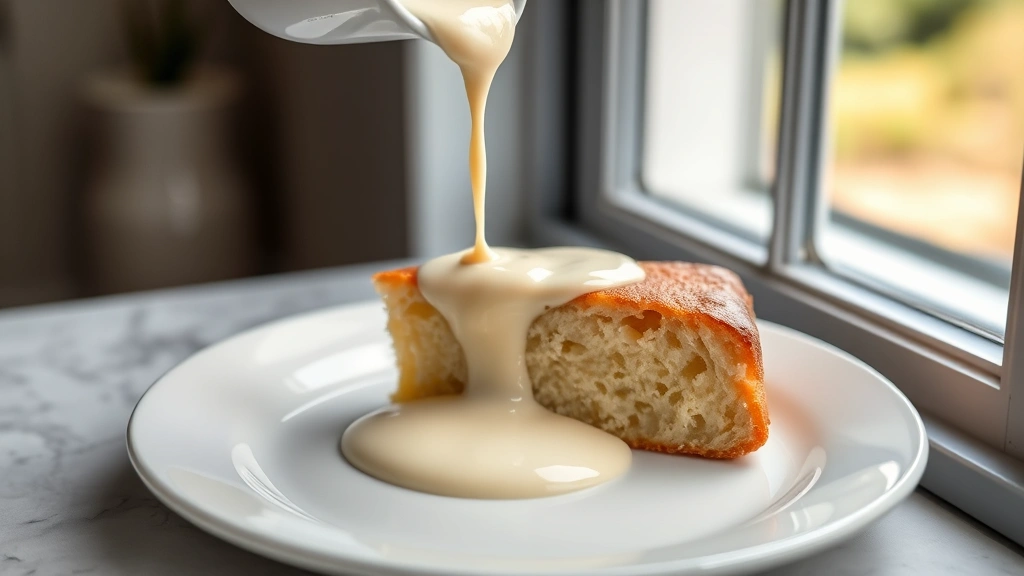
A creme anglaise recipe is your secret weapon for elevating desserts from ordinary to absolutely unforgettable. This silky, luxurious custard sauce takes just 15 minutes to make and transforms everything it touches—whether pooled beneath a slice of warm cake, drizzled over fresh berries, or served alongside chocolate mousse.
I first fell in love with crème anglaise (which simply means “English cream” in French) during a cooking class in Paris. The instructor made it seem magical, whisking egg yolks and cream together until they became this glossy, pourable perfection. What surprised me most was how easy it actually is. No fancy equipment needed. No intimidating techniques. Just patience, attention, and a few quality ingredients.
Jump To Section
Why This Recipe Works
The beauty of this custard sauce lies in its simplicity and versatility. Unlike heavy cream sauces or thick puddings, crème anglaise has an elegant, pourable consistency that clings to desserts without overwhelming them. The vanilla-infused custard provides warmth and depth, complementing everything from fresh fruit to rich chocolate cakes.
The secret is understanding the science. Egg yolks contain lecithin, a natural emulsifier that helps create that silky texture. When you gently heat the yolk and cream mixture while whisking constantly, the proteins denature and thicken the sauce without scrambling. It’s less about luck and more about technique—and the technique is surprisingly forgiving once you understand what’s happening in the pan.
What makes this particular version foolproof is the double-bowl method. By tempering the eggs (slowly bringing them to temperature with warm cream), you avoid the risk of scrambling them. Additionally, straining the finished sauce ensures a perfectly smooth result, even if a few tiny bits of cooked egg slip through during cooking.
Ingredient Tips & Substitutions
Start with the freshest eggs you can find—they make a noticeable difference in flavor and richness. Farm-fresh eggs create a deeper, richer custard that store-bought eggs sometimes can’t match. For the cream, use heavy whipping cream (not half-and-half), as the higher fat content creates that luxurious mouthfeel crème anglaise is known for.
Vanilla extract works beautifully, but if you have access to vanilla bean paste or a fresh vanilla pod, use it instead. Split the pod lengthwise and scrape out those tiny black specks—they add visual elegance and intensify the vanilla flavor dramatically. The difference between extract and fresh vanilla is subtle but definitely worth experiencing at least once.
However, don’t stress if you only have vanilla extract on hand. A quality vanilla extract (pure, not imitation) delivers excellent results. Meanwhile, you can experiment with other flavor variations once you’ve mastered the basic recipe. A splash of bourbon, a hint of almond extract, or even a pinch of espresso powder can transform this sauce into something unexpected and exciting.
For a dairy-free version, substitute the heavy cream and whole milk with full-fat coconut milk and unsweetened almond milk in equal parts. The texture will be slightly lighter, but still delicious. Additionally, you could try oat cream, which has become increasingly popular for its neutral flavor and creamy consistency.
Serving Suggestions
Crème anglaise shines brightest when paired thoughtfully with other desserts. Spoon it generously around a slice of warm apple cake, letting it pool on the plate like edible luxury. It transforms simple fresh berries into an elegant dessert when you arrange them in a shallow bowl and pour the sauce over top.
For chocolate lovers, crème anglaise provides a sophisticated contrast—the cool, smooth sauce balances rich chocolate cake or brownies beautifully. Try it alongside chocolate mousse, chocolate tart, or even a simple chocolate pudding. The vanilla notes cut through the richness without competing.
Don’t overlook fruit-forward desserts either. Peach cobbler, strawberry shortcake, and cherry clafoutis all become restaurant-quality when finished with a pour of homemade crème anglaise. For instance, a warm slice of pear tart with cold custard sauce on the side is the kind of simple elegance that impresses everyone at the table.
Beyond desserts, consider drizzling it over fresh fruit salads, using it as a dip for pound cake squares, or spooning it over ice cream for an elevated sundae. It also works beautifully in parfaits layered with cake crumbles, whipped cream, and fresh berries.
Storage & Make-Ahead Tips
Crème anglaise keeps beautifully in the refrigerator for up to three days, making it perfect for meal prep. Store it in an airtight container, and press plastic wrap directly against the surface to prevent a skin from forming (or embrace the skin if you’re into that). Before serving, give it a gentle stir and, if it’s too thick from chilling, whisk in a splash of milk or cream to restore its pourable consistency.
You can prepare this sauce several hours ahead of serving, which takes the stress out of dinner party planning. Make it in the morning, refrigerate it, and simply bring it to the table when dessert arrives. This make-ahead quality transforms crème anglaise into your secret weapon for entertaining.
Common Questions & Troubleshooting
The most common worry is scrambling the eggs. Here’s the reassuring truth: if you follow the tempering method and keep the heat at medium (not high), it’s genuinely difficult to mess up. The constant whisking and gradual temperature increase protect the eggs from shock. If you do see tiny cooked bits, simply strain the sauce through a fine-mesh sieve—problem solved.
If your sauce breaks or becomes grainy, don’t panic. This usually happens from overheating or whisking too vigorously. To rescue it, immediately remove the pan from heat and whisk in a tablespoon of cold cream. Continue whisking until smooth. Alternatively, pour the sauce into a blender with a splash of cold milk and blend until silky again.
For a thinner consistency, whisk in more milk or cream, a tablespoon at a time. For a thicker sauce, cook it a minute or two longer over gentle heat while whisking constantly. Finding your preferred consistency is part of mastering this sauce, and honestly, there’s no wrong answer—it’s simply a matter of personal preference.
This elegant custard sauce deserves a place in every home cook’s repertoire. Once you make it once or twice, it becomes second nature—a 15-minute shortcut to making desserts taste like they came from a professional pastry kitchen. Your friends and family will wonder about your secret. Now you know it.
Ingredients
- 5 large egg yolks, room temperature
- ½ cup whole milk
- 1 cup heavy whipping cream
- ⅓ cup granulated sugar
- 1 teaspoon vanilla extract (or 1 vanilla bean, split and scraped)
- ¼ teaspoon fine sea salt
Instructions
- Combine the whole milk and heavy cream in a medium saucepan. Place over medium heat and bring to a gentle simmer—you’ll see small bubbles forming around the edges. This usually takes about 3-4 minutes. Remove from heat.
- While the cream heats, whisk together the egg yolks and sugar in a medium bowl until the mixture becomes pale and slightly thickened, about 1-2 minutes of whisking. This step is important because the sugar helps prevent the eggs from scrambling.
- Slowly pour about ¼ cup of the hot cream mixture into the egg yolk mixture while whisking constantly. This is the tempering process—it gradually brings the eggs to temperature without shocking them. Continue whisking to combine thoroughly.
- Pour the tempered egg mixture back into the saucepan with the remaining cream, whisking constantly as you pour. This is where the magic happens—you’re combining everything while maintaining a gentle temperature.
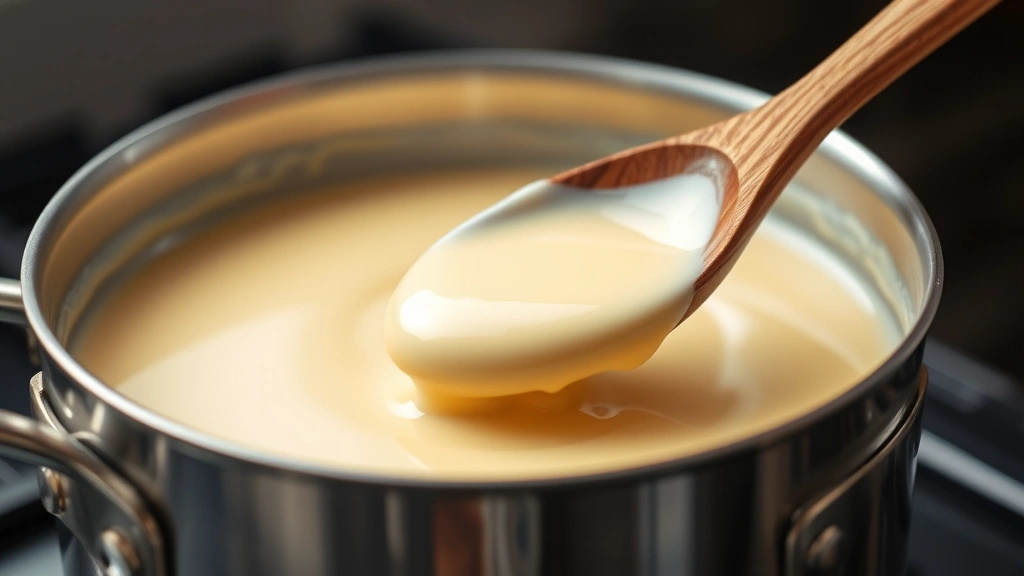
- Place the saucepan back over medium heat. Cook while stirring constantly with a wooden spoon or whisk, about 2-3 minutes, until the mixture reaches 160°F on an instant-read thermometer or until it coats the back of the spoon and doesn’t drip off when you run your finger through it.
- Remove from heat immediately and stir in the vanilla extract and salt. Taste and adjust vanilla if needed—you want to really taste that vanilla warmth.
- For the silkiest texture, pour the sauce through a fine-mesh strainer into a clean bowl, pressing it gently with a spatula. This catches any tiny bits of cooked egg and ensures velvety smoothness.
- If serving immediately, use the crème anglaise warm (it’s divine this way). If making ahead, let it cool to room temperature, then refrigerate in an airtight container for up to three days.

Pro Tips
The 160°F temperature is key for food safety with raw eggs—it kills any potential bacteria without scrambling the custard. If you don’t have a thermometer, the spoon test works beautifully: dip a wooden spoon into the sauce, run your finger across the back, and if the line stays clean without the sauce running back, you’re done cooking.
For vanilla bean version: Split one vanilla bean lengthwise and scrape the tiny black seeds into the milk and cream mixture before heating. Add the empty pod too, then remove it after cooking. This method infuses deeper vanilla flavor than extract alone and creates those lovely black specks throughout the sauce.
Make-ahead magic: Prepare this sauce up to three days ahead and store it covered in the refrigerator. Press plastic wrap directly onto the surface to prevent a skin from forming, or embrace the skin as a chef’s snack. Before serving, if the sauce is too thick from chilling, whisk in a splash of milk or cream to restore its pourable consistency and silky texture.
Flavor variations are endless once you master the basic recipe. Try adding a tablespoon of bourbon or cognac for sophistication, a pinch of ground cinnamon for warmth, or even a tiny splash of almond extract for depth. Additionally, a hint of espresso powder (just ¼ teaspoon) adds mysterious richness without tasting obviously like coffee.
If your sauce breaks or becomes grainy, don’t throw it away. Immediately remove from heat and whisk in a tablespoon of cold cream. If that doesn’t work, pour the broken sauce into a blender with a splash of cold milk and blend until completely smooth. This almost always rescues the situation, restoring that silky texture.
Serving temperature matters more than you’d think. Crème anglaise is absolutely divine warm, pooled around a slice of warm cake. However, it’s equally lovely chilled and served alongside room-temperature or cold desserts. Experiment with both to discover your preference—there’s no wrong answer, just different applications for this versatile sauce.