
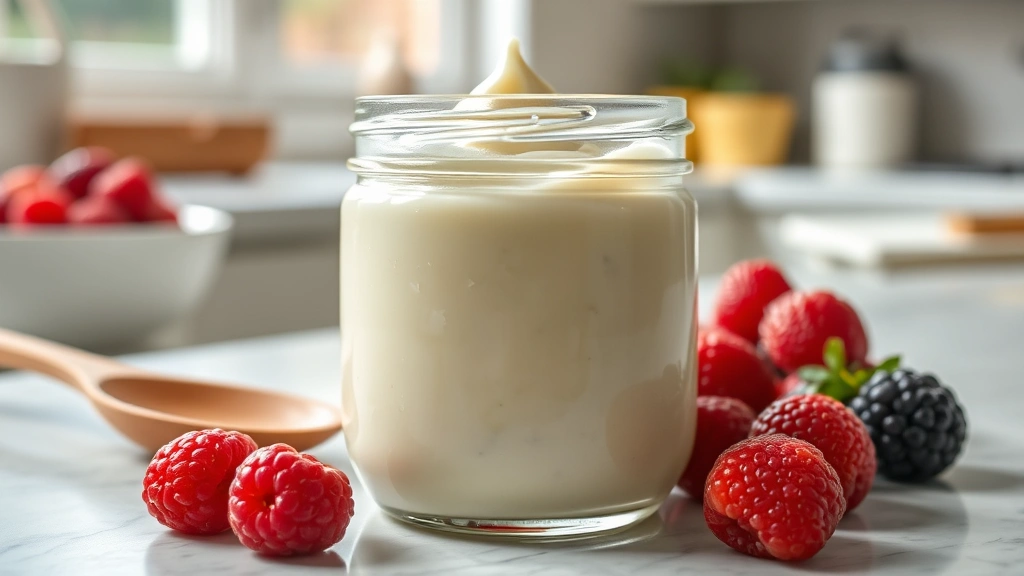
Making a creme fraiche recipe at home is genuinely one of the easiest culinary tricks you’ll ever master—and it takes just five minutes of actual work. I’m talking about real, authentic crème fraîche with that luxurious tangy flavor and silky texture that transforms everything from desserts to savory dishes. Once you realize how simple this is, you’ll never buy the expensive store-bought version again.
The magic happens when you combine just two ingredients: heavy cream and buttermilk. That’s it. No fancy equipment, no culinary degree required. The buttermilk’s natural cultures do all the heavy lifting, creating that distinctive sour cream-like tang while keeping the texture impossibly smooth and rich.
Jump To Section
What makes homemade crème fraîche so special? It’s tangier than sour cream, creamier than yogurt, and more forgiving in recipes. You can dollop it on fruit, swirl it into soups, use it as a baking ingredient, or serve it alongside fresh berries for an elegant dessert. The possibilities feel endless once you have a container in your fridge.
Why This Recipe Works
This approach is foolproof because you’re working with the natural fermentation process that’s been used for centuries. The buttermilk starter contains live cultures that multiply when combined with cream, creating that signature tang and thick consistency without any fancy culturing techniques. The result is restaurant-quality crème fraîche that tastes fresher and more vibrant than anything you’ll find in a grocery store.
Additionally, homemade crème fraîche has a deeper, more complex flavor profile than commercial versions. Store-bought varieties often contain stabilizers and additives that mute the authentic taste. When you make it yourself, you’re tasting pure cream and cultures—nothing else. The difference is remarkable, especially when you use it as a topping or finishing touch where the flavor really shines.
Temperature control is the secret weapon here. Keeping your mixture in a warm spot (around 70-75°F) allows the cultures to thrive and multiply. Room temperature works beautifully, but some people use a yogurt maker or even a turned-off oven with the light on for faster results. The warmer your environment, the faster the magic happens.
Ingredient Tips & Substitutions
Heavy cream is your foundation, so choose the best quality you can find. Look for cream with minimal additives—ideally just cream and maybe a tiny bit of salt. Ultra-pasteurized cream can sometimes be stubborn about thickening, so seek out regular pasteurized versions when possible. The fat content matters too; aim for at least 36% fat for the richest results.
Buttermilk is your starter culture, and this is where the fermentation magic begins. Traditional buttermilk (the by-product from making butter) works beautifully, but modern cultured buttermilk from the grocery store is perfectly fine and more readily available. Either way, you need those live cultures to do their job. Make sure your buttermilk hasn’t expired and contains active cultures.
Can’t find buttermilk? You have options. Sour cream works as a substitute—use about 2 tablespoons per cup of cream. Plain yogurt with live cultures also works wonderfully. Even a splash of fresh lemon juice or white vinegar can start the fermentation process, though the flavor will be slightly different. Meanwhile, if you’re using a substitute, adjust your timing; you may need to let it sit a bit longer.
For complementary recipes that use crème fraîche beautifully, try drizzling it over our Perfect Pesto Pasta Recipe for added richness. It’s equally stunning swirled into our Best Ravioli Sauce Recipe. For seafood lovers, dollop it onto our Perfect Shrimp Fettuccine Recipe for a French-inspired twist.
Storage & Make-Ahead Tips
Your homemade crème fraîche will keep in the refrigerator for up to two weeks, though it’s usually gone much sooner. Store it in an airtight container to prevent it from absorbing odors from other foods. The cold temperature halts the fermentation process, so your crème fraîche stays at the perfect thickness and tang level.
One of the best parts? You can make this ahead and forget about it. Prepare your batch on Sunday evening, and it’ll be ready for the entire week. Use it on weeknight dinners, breakfast fruits, or desserts whenever inspiration strikes. The longer it sits (within reason), the slightly tangier it becomes, which some people actually prefer.
If your crème fraîche becomes too thick during storage, simply whisk in a splash of milk to reach your desired consistency. However, if it separates or develops an off smell, it’s best to discard it. Fresh crème fraîche should smell pleasantly tangy and look smooth and creamy, never watery or discolored.
Serving Suggestions & Recipe Ideas
The versatility of homemade crème fraîche is honestly astounding. Serve it dolloped on fresh berries with a drizzle of honey for an elegant breakfast. Swirl it into beet soup, pumpkin soup, or any creamy soup for restaurant-quality presentation. Use it as a topping for baked potatoes alongside chives and bacon. The possibilities genuinely feel endless.
For baking, crème fraîche adds moisture and tang to cakes, muffins, and quick breads. It’s a secret ingredient in many pastry recipes because it keeps baked goods tender while adding sophisticated flavor. Consider our Best Feta Pasta Recipe—a dollop of crème fraîche would be absolutely divine stirred in at the end.
Savory applications are equally impressive. Spoon it over tacos, enchiladas, or pulled pork. Mix it with herbs and garlic for an instant dip. Stir it into curries for authentic richness. Top grilled fish or roasted vegetables with a generous dollop. For pasta lovers, it’s stunning in our Best Penne Rosa Recipe for extra creaminess and depth.
Troubleshooting & Pro Tips
If your mixture isn’t thickening after 24 hours, your kitchen might be too cold. Try moving it to a warmer spot—a kitchen counter away from air conditioning, inside a cabinet, or even wrapped in a towel. Temperature is everything in fermentation. Alternatively, your buttermilk might not have active cultures; check the label next time and look for products that specifically mention live and active cultures.
Some people prefer their crème fraîche thinner and pourable, while others like it thick enough to hold a spoon. Simply adjust your fermentation time—shorter fermentation means thinner consistency, while longer fermentation creates a stiffer texture. You control the outcome, which is one of the joys of making it yourself.
For scientific deep-dives into homemade dairy fermentation, check out resources like Serious Eats, which has fantastic articles on fermentation science. Bon Appétit often features creative ways to use crème fraîche in both sweet and savory dishes. Meanwhile, New York Times Cooking has elegant recipes that showcase this ingredient beautifully.
The beauty of learning to make homemade cultured cream is that you’re not just saving money—you’re connecting with traditional cooking methods that have been used for generations. This simple fermentation technique requires nothing but patience and two ingredients. Once you master it, you’ll have a sophisticated ingredient at your fingertips that elevates everything from casual weeknight dinners to special occasion desserts. Your future self will thank you for discovering how ridiculously easy this is.
Ingredients
- 1 cup heavy cream (preferably not ultra-pasteurized)
- 2 tablespoons cultured buttermilk or sour cream with live cultures
Instructions
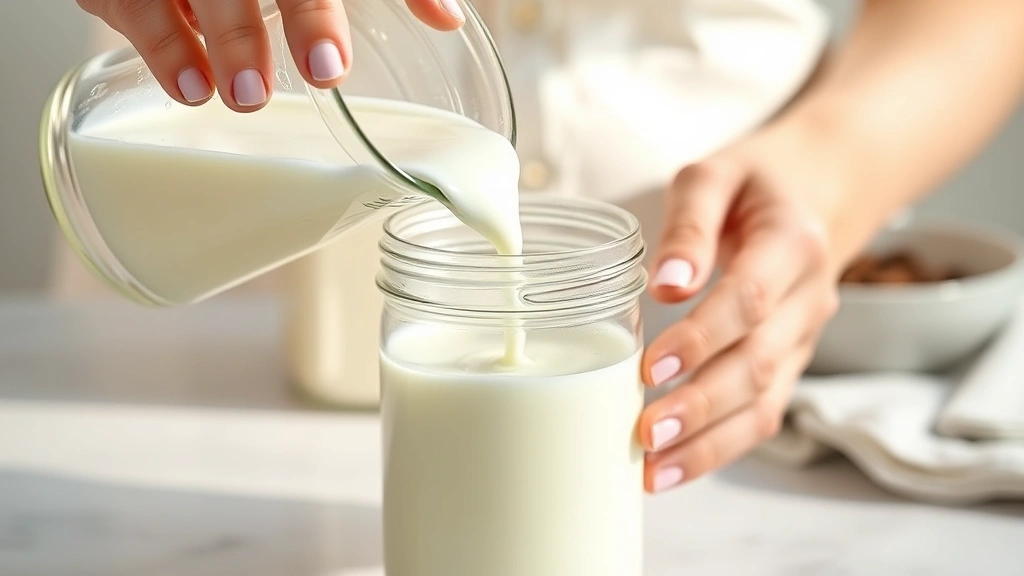
- Pour the heavy cream into a clean glass jar or container. Choose a container that holds at least 1.5 cups to leave room for the mixture to thicken slightly.
- Add the buttermilk or sour cream to the cream. Stir gently but thoroughly to combine, making sure the cultures are evenly distributed throughout the cream.
- Cover the jar loosely with a lid, coffee filter, or cheesecloth. The mixture needs air circulation but should stay clean and protected from dust.
- Place the jar in a warm spot (around 70-75°F) on your kitchen counter or in a turned-off oven with the light on. Room temperature works beautifully for this fermentation.
- Let it sit undisturbed for 12-24 hours. After about 8 hours, you should notice it’s beginning to thicken. The longer it sits, the thicker and tangier it becomes.
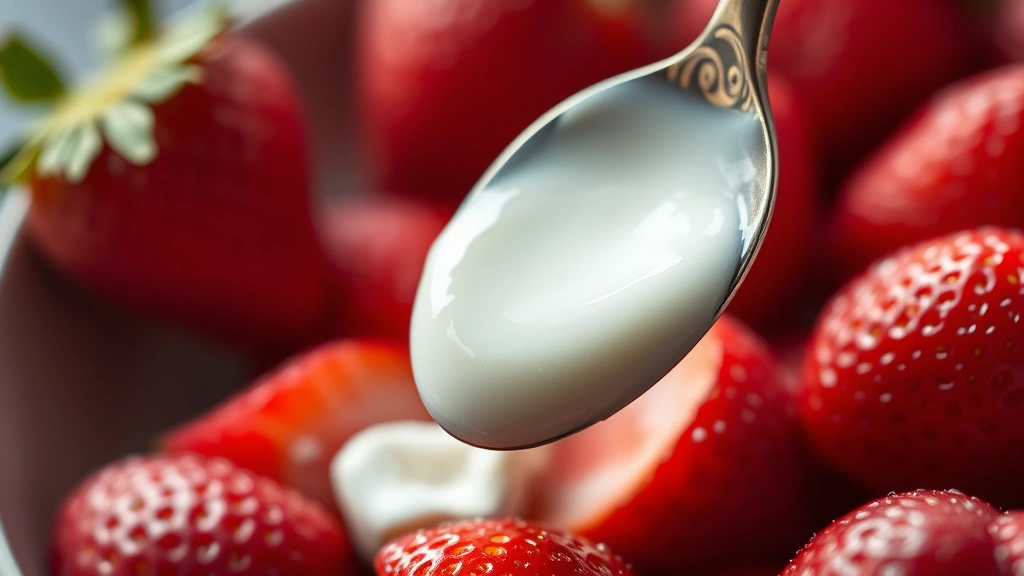
- Check the consistency by tilting the jar slightly. When it coats the back of a spoon and jiggles like custard, it’s ready. If you prefer it thicker, let it continue fermenting for a few more hours.
- Once it reaches your desired thickness and tang level, cover the jar tightly and refrigerate. The cold stops the fermentation process and keeps your crème fraîche at its perfect consistency.
- Stir gently before using if any liquid has separated on top. Use within two weeks for best flavor and food safety.
Pro Tips
Temperature is your most important variable. If your kitchen is cool (below 65°F), fermentation will be slower. Try placing your jar in a warmer spot like above the refrigerator, in a kitchen cabinet, or even in an insulated cooler with a heating pad set on low. Conversely, if your kitchen is very warm (above 80°F), fermentation might happen faster—check after 12 hours to avoid over-souring.
The tanginess develops over time, so taste your crème fraîche throughout the fermentation process. Some people love it mildly tangy after 12 hours, while others prefer the deeper flavor that develops after 24 hours. You’re in complete control, which is wonderful.
If your mixture looks grainy, separated, or has an off smell after fermentation, don’t use it. Proper crème fraîche should smell pleasantly sour and tangy, never musty or unpleasant. Fresh ingredients and proper temperature control prevent problems, so start with good-quality cream and buttermilk.
For a faster version, use a yogurt maker set to 110°F, which cuts fermentation time to about 8-12 hours. Some people also use an instant pot on the yogurt setting with excellent results. The lower heat and controlled temperature speed up fermentation while maintaining perfect consistency.
Substitutions: If you can’t find buttermilk, use sour cream (2 tablespoons per cup of cream), plain yogurt with live cultures, or even fresh lemon juice mixed with a tiny bit of milk. The fermentation process changes slightly with each substitute, but all produce delicious results. Additionally, some adventurous cooks use kefir or other fermented dairy products as starters.
Storage is straightforward—keep your crème fraîche in an airtight container in the coldest part of your refrigerator. It lasts up to two weeks, though the flavor develops slightly during storage as fermentation continues (very slowly) in the cold. If you notice whey separating on top, simply stir it back in or pour it off, depending on your preference.