
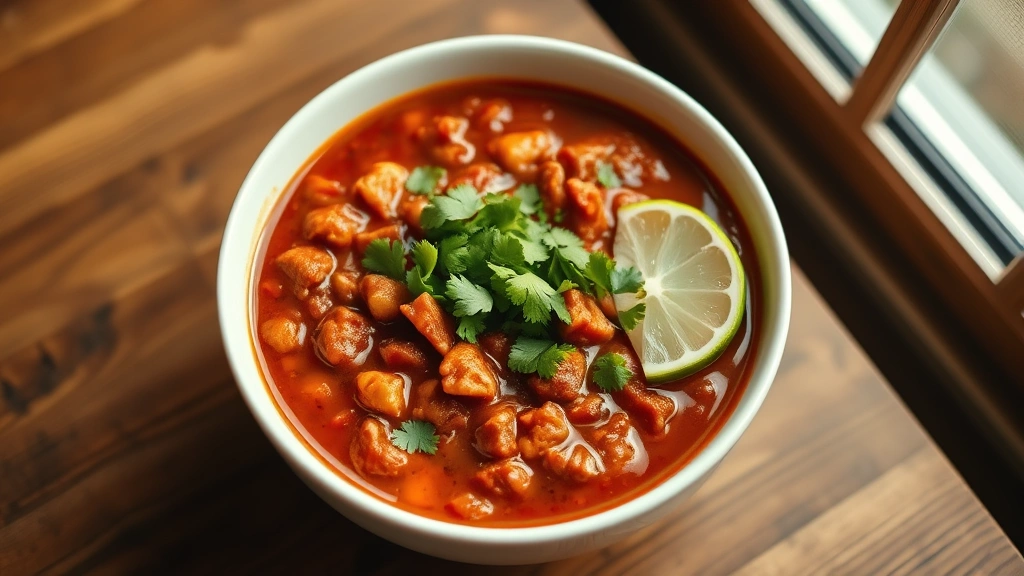
Crockpot vegan recipes are an absolute game-changer for busy weeknights when you want something delicious without spending hours in the kitchen. There’s something magical about throwing ingredients into your slow cooker in the morning and coming home to a warm, fragrant meal that’s been cooking low and slow all day long.
I discovered the power of my crockpot years ago when I was juggling work, kids, and trying to maintain a plant-based lifestyle. The stress of figuring out dinner at 5 PM while everyone was hungry and cranky? Gone. Instead, I could focus on my day knowing that a nourishing meal was waiting for me. That’s when I realized slow cooker cooking wasn’t just convenient—it was transformative.
Jump To Section
Why This Recipe Works
Slow cookers are honestly the unsung heroes of vegan cooking. Unlike stovetop cooking, which requires constant attention and stirring, a crockpot allows vegetables to break down naturally, flavors to meld together beautifully, and tough plant-based proteins like beans and lentils to become incredibly tender. The low, moist heat creates an environment where plant-based ingredients truly shine.
What makes these crockpot meals so reliable is that they’re forgiving. You’re not dealing with precise timing or temperature control like you would with stovetop cooking. Plus, the longer cooking time means you can use budget-friendly ingredients like dried beans and root vegetables without worrying about them staying tough.
Additionally, slow cooker vegan meals are perfect for meal prep and batch cooking. Make one pot on Sunday, and you’ve got lunch and dinner covered for several days. The flavors actually improve as they sit in your fridge, making these dishes taste even better the next day.
Ingredient Tips & Substitutions
The beauty of slow cooker cooking is its flexibility. When you’re working with beans and legumes, you have options—use canned beans for speed, or soak dried beans overnight for a more economical choice. Both work beautifully in a crockpot.
For vegetables, I always recommend using firm varieties that won’t turn to mush during long cooking times. Root vegetables like carrots, potatoes, and parsnips are your friends here. Meanwhile, more delicate vegetables like spinach or zucchini should be added during the last 30 minutes of cooking. This prevents them from becoming an unappetizing mush.
Seasonings deserve special attention in slow cooker recipes. Because the moisture stays in the pot rather than evaporating, flavors can become diluted. I typically use slightly more seasoning than I would in a stovetop dish, and I always taste before serving to adjust. Fresh herbs added at the end brighten everything up beautifully.
Consider these smart swaps: vegetable broth instead of water adds tremendous depth. Nutritional yeast brings a savory, cheesy note without any animal products. Miso paste adds umami complexity that makes people ask what your secret ingredient is. For creaminess without dairy, coconut milk or cashew cream works wonderfully.
How to Layer Your Ingredients
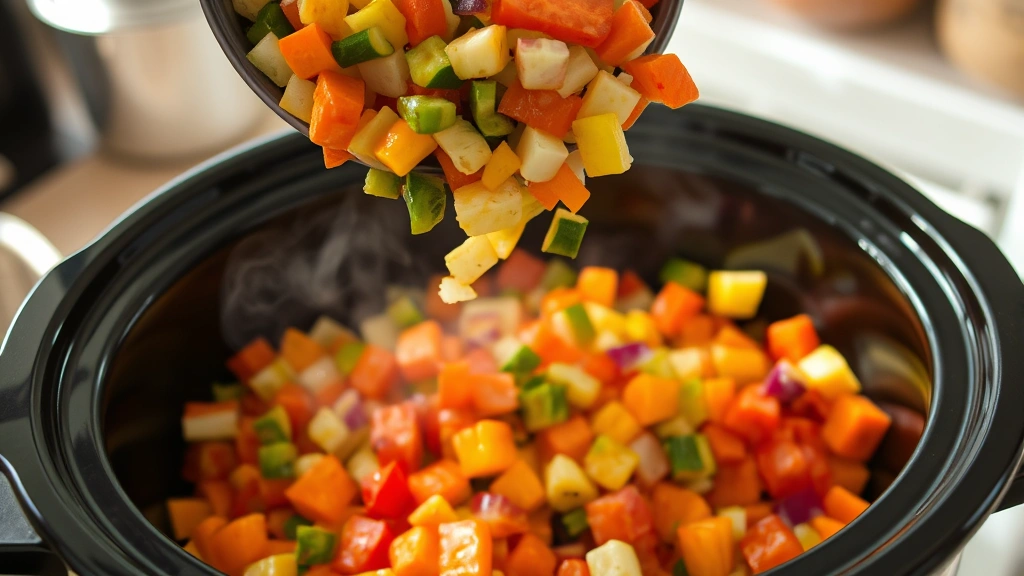
Here’s a pro tip that’s changed my slow cooker game: layer strategically. Put harder vegetables on the bottom near the heat source where they cook first. Then add softer vegetables, beans, and liquids. This ensures everything finishes cooking at the same time instead of having some ingredients mushy while others are still firm.
However, don’t stress too much about perfection—that’s the beauty of slow cooking. Even if your layering isn’t picture-perfect, the results will still be delicious. The low, gentle heat is very forgiving of minor mistakes.
One important thing: avoid opening the lid constantly. Every time you peek, you’re adding 15-20 minutes to your cooking time. Set it and forget it. Trust the process. Your patience will be rewarded with incredible flavors.
Serving Suggestions & Flavor Pairings
Crockpot vegan recipes are incredibly versatile when it comes to serving. A hearty slow cooker soup or stew pairs beautifully with crusty bread, cornbread, or over rice. For those wanting extra substance, serve over quinoa or pasta for a complete meal.
Fresh toppings make a huge difference in the final dish. A squeeze of fresh lemon juice, a handful of fresh cilantro, diced red onion, or a sprinkle of toasted seeds add brightness and textural contrast to rich, slow-cooked dishes. These finishing touches elevate your meal from good to restaurant-quality.
Additionally, consider building a topping bar if you’re serving guests. Let everyone customize their bowl with avocado, hot sauce, fresh herbs, and nuts. This interactive element makes the meal feel special and allows for dietary preferences to be easily accommodated.
Storage & Make-Ahead Tips
This is where slow cooker meals truly shine—they’re perfect for busy lives. Most plant-based crockpot meals keep beautifully in the refrigerator for 4-5 days in airtight containers. Many actually taste better after a day or two as flavors continue to develop and meld together.
For freezing, most slow cooker vegan recipes are excellent candidates. Soups, stews, and chilis freeze wonderfully for up to 3 months. Cool completely, then transfer to freezer-safe containers, leaving about an inch of headspace for expansion. Thaw overnight in the refrigerator and reheat gently on the stovetop or in the microwave.
Here’s a time-saving hack: prep your ingredients the night before and store them in containers in the fridge. In the morning, simply dump everything into your crockpot. This “dump and go” method eliminates breakfast stress and ensures dinner is ready when you need it.
Some recipes, particularly those with creamy components, freeze better than others. Always cool soup completely before freezing to maintain food safety. When reheating, add a splash of vegetable broth if the consistency seems too thick—that’s completely normal.
These slow cooker vegan recipes represent the intersection of convenience and delicious home cooking. Whether you’re new to plant-based eating or a seasoned vegan looking to streamline your cooking process, your crockpot is about to become your most valuable kitchen tool. Start with one recipe, see how easy it is, then explore more. You’ll soon understand why so many people swear by slow cooker cooking for weeknight dinners.
Ingredients
- 2 cans (15 oz each) diced tomatoes, undrained
- 2 cans (15 oz each) kidney beans, drained and rinsed
- 1 large onion, diced
- 3 cloves garlic, minced
- 2 large carrots, sliced
- 2 celery stalks, diced
- 1 red bell pepper, chopped
- 4 cups vegetable broth
- 2 tablespoons tomato paste
- 1 tablespoon ground cumin
- 1 teaspoon chili powder
- 1 teaspoon smoked paprika
- Salt and pepper to taste
- 1 tablespoon olive oil
- Fresh cilantro for garnish
- Lime wedges for serving
Instructions
- Heat olive oil in a large skillet over medium heat and sauté the diced onion, garlic, carrots, and celery for about 5 minutes until they begin to soften slightly—this step builds flavor foundation.
- Transfer the sautéed vegetables to your crockpot along with the red bell pepper.
- Add the diced tomatoes with their juice, kidney beans, vegetable broth, tomato paste, cumin, chili powder, and smoked paprika to the crockpot.
- Stir everything together until well combined, making sure the tomato paste is fully incorporated.
- Cover and cook on low for 6-8 hours or on high for 3-4 hours—low and slow yields the deepest flavors.
- About 30 minutes before serving, taste and adjust seasonings with salt and pepper as needed.
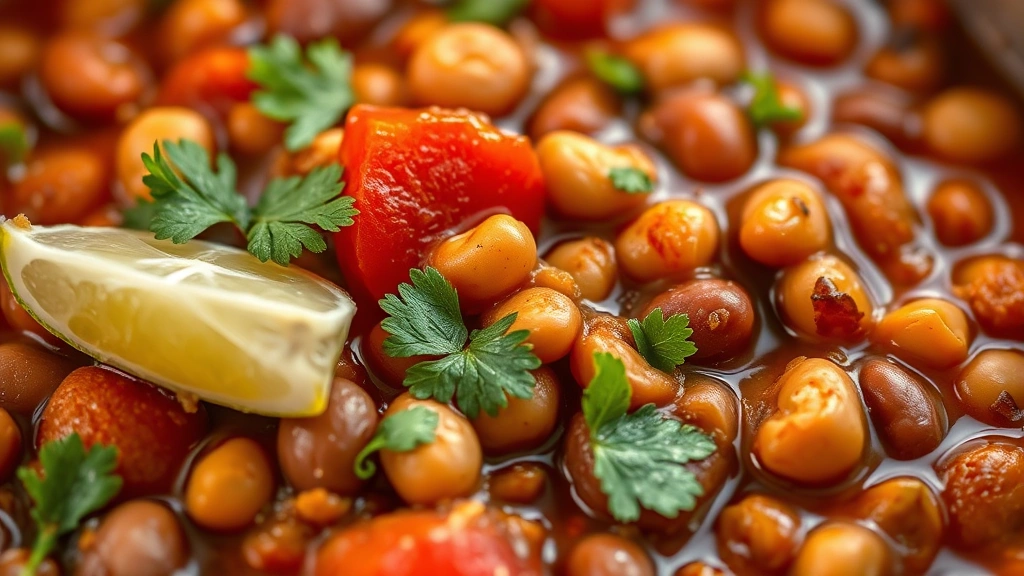
- Ladle into bowls and garnish generously with fresh cilantro and a squeeze of lime juice for brightness.
- Serve with crusty bread, cornbread, or over your favorite grain for a complete meal.
Pro Tips
This versatile crockpot vegan chili is a canvas for your favorite ingredients and spices. If you prefer extra heat, add a diced jalapeño when you sauté the onions or sprinkle red pepper flakes on top when serving. For a smokier depth, use smoked paprika as I have here—it makes a noticeable difference that guests will notice.
Bean substitutions work beautifully in this recipe. Black beans, pinto beans, or a combination of different legumes all work wonderfully. For extra protein and heartiness, consider adding cooked lentils or even diced mushrooms for a meaty texture. The cooking time remains the same regardless of which beans you choose.
If you want to make this recipe even easier, skip the initial sautéing step and add all raw vegetables directly to the crockpot. You’ll lose a tiny bit of depth from the caramelization, but it’s still incredibly delicious and saves you a dish to wash. Sometimes convenience matters more than perfection.
For a creamier version, stir in a can of coconut milk or unsweetened cashew cream during the last 30 minutes of cooking. This transforms the chili into something richer and more luxurious. Additionally, a splash of apple cider vinegar added at the end brightens all the flavors and adds a subtle complexity.
Storage is simple: let the chili cool completely, then transfer to airtight containers and refrigerate for up to 5 days. This dish freezes exceptionally well for up to 3 months—perfect for meal prep or unexpected busy weeks. The flavors actually improve after a day or two as everything melds together beautifully.
Make-ahead tip: prepare all your vegetables the night before and store them in containers in the fridge. In the morning, simply add everything to your crockpot with the liquids and seasonings. This “dump and go” method eliminates morning stress and ensures a hot dinner is waiting when you come home.