
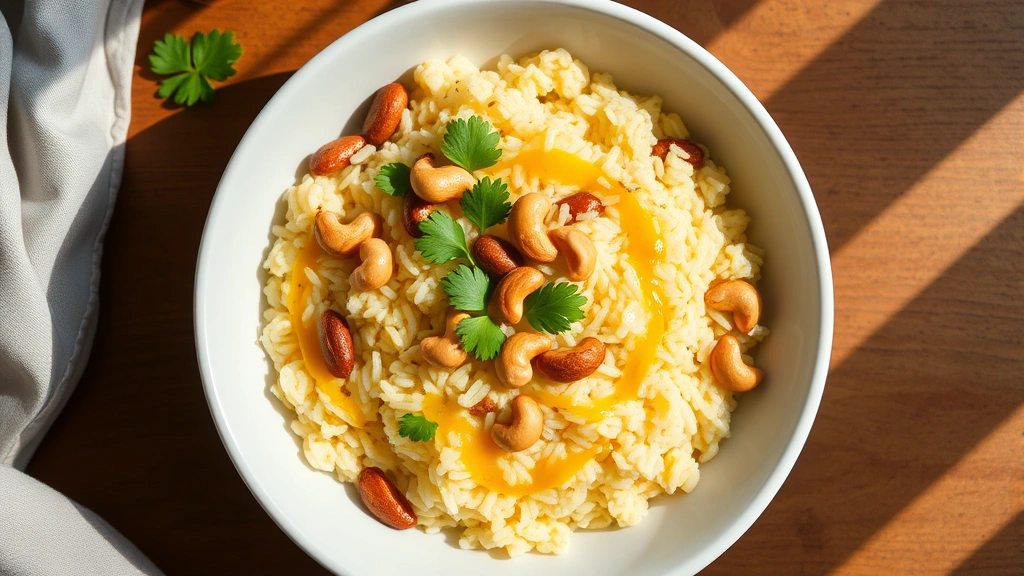
This curd rice recipe is a beloved South Indian comfort dish that’s been feeding families for generations. It’s the kind of meal that feels like a warm hug on a plate—creamy, tangy, and absolutely satisfying in the simplest way possible.
If you’ve never made curd rice before, you’re in for a treat. This isn’t complicated cooking. What makes it special is understanding how a few humble ingredients—yogurt, rice, and a handful of seasonings—come together to create something truly magical. The beauty of this dish lies in its versatility and the way it balances flavors perfectly.
Jump To Section
Why This Recipe Works
Curd rice works because it respects the ingredients. The cooling properties of yogurt make it ideal for hot days, while the tempering of mustard seeds and curry leaves adds depth that belies the dish’s simplicity. This is comfort food at its finest.
The texture is creamy without being heavy, and the tanginess of the yogurt brightens everything up. Additionally, it’s naturally vegetarian and can be made vegan with plant-based yogurt, making it accessible to almost everyone. The recipe comes together in under 20 minutes, which means you can have dinner ready faster than you’d think possible.
What I love most about this dish is how it teaches you about balance. The salty tempering, the sour yogurt, the slight heat from ginger and green chilies—every element plays a role. It’s a masterclass in flavor layering that doesn’t require fancy techniques.
Ingredient Tips & Substitutions
Starting with rice: you want cooked rice that’s cooled to room temperature. Day-old rice works beautifully here and actually prevents mushiness. If you’re using freshly cooked rice, spread it on a plate and let it cool completely before mixing.
The yogurt should be thick and creamy—Greek yogurt works wonderfully if you can’t find traditional Indian yogurt. The tanginess matters, so avoid overly mild varieties. For a lighter version, use low-fat yogurt, though full-fat will give you richer results.
Mustard seeds are non-negotiable for authentic flavor, but if you truly can’t find them, cumin seeds make a reasonable substitute. However, I’d encourage you to seek them out—they’re inexpensive and last forever. Meanwhile, fresh curry leaves bring an unmistakable aroma that dried leaves simply can’t replicate, so try to use fresh when possible.
The green chilies can be adjusted based on your heat tolerance. I typically use one medium chili for gentle warmth, but use two if you prefer more spice. For a milder version, remove the seeds before chopping. Ginger adds warmth and aids digestion, making it more than just a flavor component.
How to Build Layers of Flavor
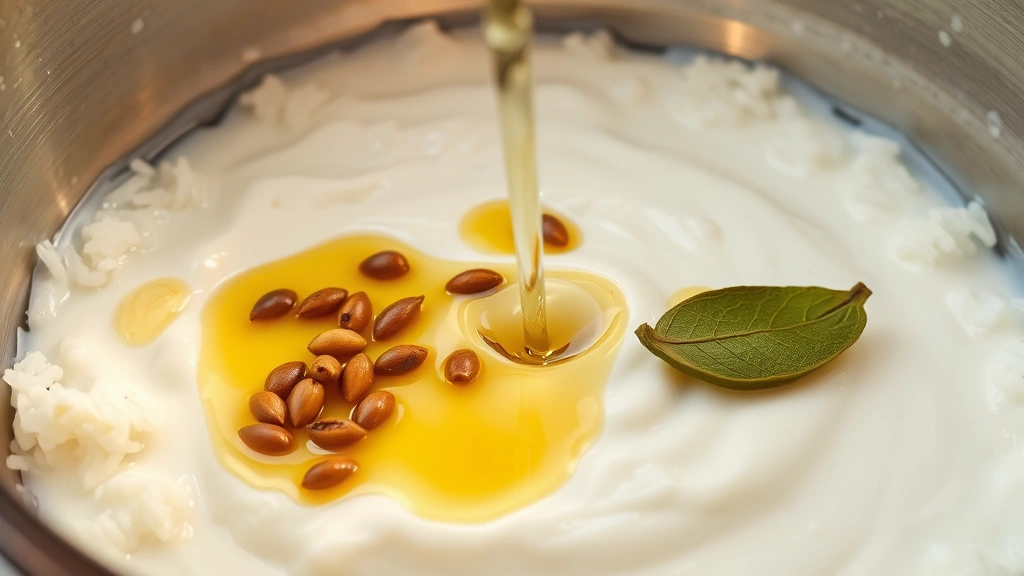
The magic happens in the tempering, which is the foundation of South Indian cooking. Heating oil infuses it with the aromatics—mustard seeds pop and release their nutty flavor, curry leaves become fragrant, and dried red chilies add gentle heat.
This infused oil gets poured over the yogurt-rice mixture, creating pockets of intense flavor throughout the dish. It’s like seasoning every bite rather than just mixing salt throughout. This technique transforms simple ingredients into something restaurant-worthy.
For instance, if you skip the tempering and just stir everything together, you’ll have something pleasant but not memorable. With proper tempering, you’ll understand why this humble dish has remained beloved for centuries. The difference is remarkable.
Serving Suggestions
Curd rice shines as a light lunch or dinner, especially during warm months. Serve it alongside crispy papad (lentil wafers) and fresh vegetable sides for a complete meal that feels balanced and nourishing.
You can also pair it with crisp green salads for added freshness, or serve alongside warm soups if you’re eating during cooler months. A simple oil and vinegar dressing on the side adds brightness.
For special occasions, garnish with roasted cashews and peanuts to add textural contrast. A sprinkle of fresh cilantro on top brings color and herbaceous notes. This dish also works beautifully in meal prep—portion it into containers for grab-and-go lunches throughout the week.
Storage & Reheating
Curd rice keeps well in the refrigerator for up to three days in an airtight container. The flavors actually meld beautifully overnight, making it even better the next day. However, the tempering becomes less crispy, so you might want to add fresh tempering when serving leftovers.
To reheat, simply take it out 15 minutes before serving to bring it to room temperature, or serve it chilled directly from the refrigerator—it’s equally delicious either way. If it seems too thick after chilling, thin it with a splash of milk or yogurt before serving. Never microwave curd rice, as heat can cause the yogurt to separate and become grainy.
For freezing, I’d skip it—the yogurt’s texture changes once thawed. However, you can prep all your ingredients in advance and assemble it fresh whenever you need a quick meal. The rice keeps frozen beautifully, so you’re just tempering and mixing on the day you want to eat it.
This curd rice recipe embodies everything beautiful about South Indian cuisine: respect for ingredients, balance of flavors, and meals that nourish both body and soul. Whether you’re cooking for yourself on a busy weeknight or feeding a crowd, this dish never disappoints. The joy of watching someone take their first bite and close their eyes in contentment makes all the simplicity worthwhile.
Ingredients
- 2 cups cooked rice, cooled to room temperature
- 1 cup thick yogurt or Greek yogurt, at room temperature
- 3 tablespoons vegetable oil or ghee
- 1 teaspoon mustard seeds
- 1 teaspoon cumin seeds
- 2-3 dried red chilies, broken into pieces
- 10-12 fresh curry leaves
- 1 tablespoon fresh ginger, finely minced
- 1-2 green chilies, finely chopped
- ¼ teaspoon asafoetida (hing), optional
- Salt to taste
- 2 tablespoons roasted peanuts or cashews, optional
- 2 tablespoons fresh cilantro, chopped, optional
Instructions
- In a large mixing bowl, combine the cooled cooked rice with the yogurt, ginger, green chilies, and salt. Mix gently but thoroughly until everything is well combined and the rice is evenly coated with the yogurt mixture. The consistency should be creamy but not mushy.
- Heat the oil or ghee in a small tempering pan or tadka pan over medium-high heat until it’s shimmering and hot.
- Add the mustard seeds and listen for them to pop and crackle—this means they’re releasing their nutty flavor. This should take about 20-30 seconds.
- Once the mustard seeds start popping, immediately add the cumin seeds and let them bloom for another 15 seconds until fragrant.
- Add the broken dried red chilies to the hot oil and let them infuse for about 10 seconds—be careful not to burn them or they’ll become bitter.
- Add the fresh curry leaves to the hot oil and stir for just a few seconds until they become fragrant and slightly crispy.
- If using asafoetida, sprinkle it into the hot oil now and stir quickly to combine.
- Immediately pour the hot tempering oil over the yogurt and rice mixture, being careful as it will sizzle when it hits the cold yogurt.
- Mix everything together gently but thoroughly, distributing the tempering evenly throughout the rice.
- Taste and adjust salt if needed. Top with roasted peanuts or cashews and fresh cilantro if desired. Serve immediately while the tempering is still warm and crispy, or chill in the refrigerator for 30 minutes for a cooler version.
Pro Tips
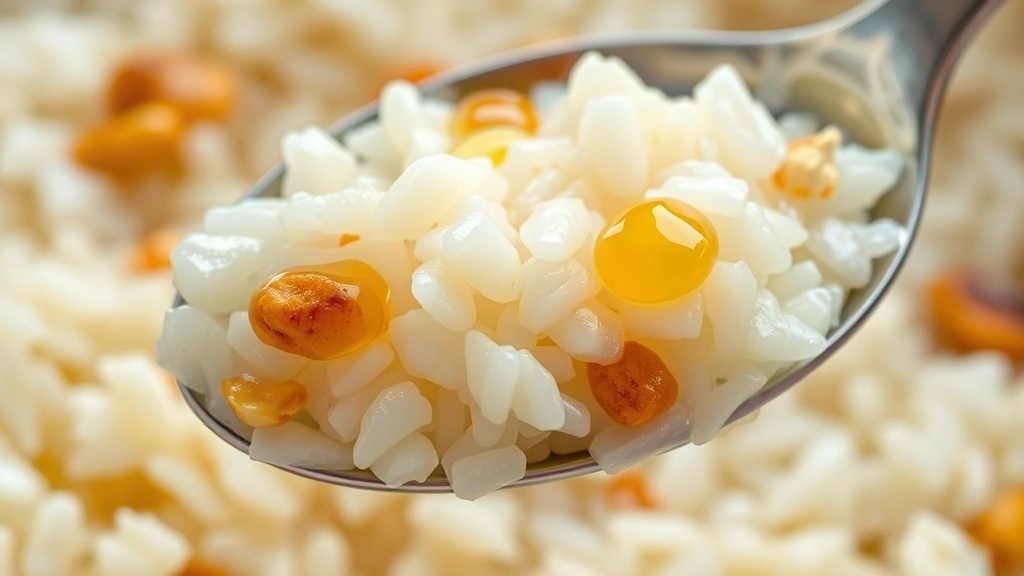
The foundation of great curd rice starts with proper rice preparation. Use day-old rice that’s been refrigerated if possible—fresh hot rice can become mushy when mixed with yogurt. The rice grains should remain separate and distinct, not clumped together.
Temperature control matters significantly here. Both the rice and yogurt should be at room temperature or cooler before mixing—this prevents the yogurt from curdling and ensures a smooth, creamy texture. If your yogurt is straight from the refrigerator, let it sit out for 10 minutes first.
The tempering is where home cooks often make mistakes. The oil must be hot enough to pop the mustard seeds, but not so hot that it burns the curry leaves or chilies. Start with medium-high heat and adjust as needed. You’ll know the oil is ready when mustard seeds dropped in it pop immediately.
For variations, consider adding diced cucumber, boiled corn, or peas to the rice mixture for extra texture and nutrition. Roasted cashews and peanuts add wonderful crunch—toast them fresh if possible for maximum flavor. Some cooks add a squeeze of lemon juice for extra tanginess, which brightens the entire dish beautifully.
If you’re making this for guests with dietary restrictions, use plant-based yogurt for a vegan version—coconut or soy yogurt work particularly well. The dish remains equally delicious and satisfying. Additionally, those avoiding spice can skip the green chilies and reduce the dried red chilies to just one piece.
Meal prep friendly tip: prepare the rice, yogurt, and seasoning mixture in the morning, then do the tempering fresh when you’re ready to eat. This keeps the tempering crispy and the yogurt at its best. The dish also works beautifully for lunch boxes when packed in airtight containers—it actually tastes better after a few hours as flavors meld.