
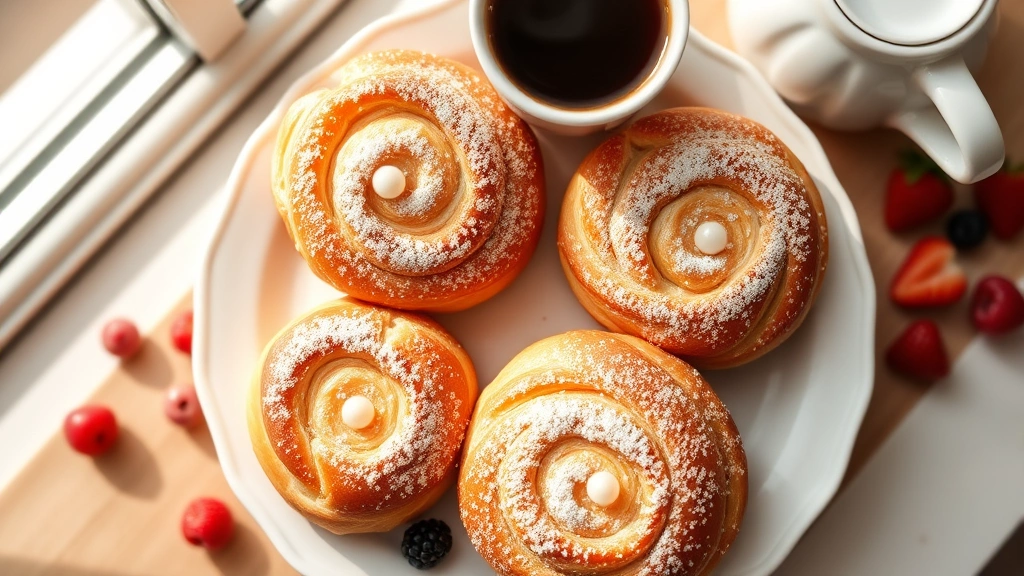
A danish recipe is one of those delightful baking projects that seems intimidating at first but rewards you with absolutely stunning results. These buttery, flaky pastries have been beloved across Scandinavia for centuries, and once you understand the basic technique, you’ll find yourself making them again and again.
What makes Danish pastries so special is the laminated dough—that gorgeous technique where butter gets folded into the dough repeatedly to create dozens of delicate, paper-thin layers. When they bake, the moisture in the butter creates steam, puffing everything up into golden, crispy perfection. It’s pure magic, honestly.
Jump To Section
Why This Danish Recipe Works
The beauty of this particular approach is that it breaks down the process into manageable steps spread across two days. You’re not standing in your kitchen for eight hours straight—instead, you’ll make the dough one day, let it rest and develop flavor in the refrigerator, then shape and bake the next day. This timing actually improves the final result because the dough becomes easier to work with and develops a deeper, more complex taste.
Additionally, this method gives you flexibility. You can prepare the dough, wrap it up, and keep it in the freezer for up to three weeks. Then whenever the craving strikes, you simply thaw it overnight and shape your pastries. For busy home bakers, this is a genuine game-changer.
The lamination process itself—folding butter into the dough—requires just a bit of patience and attention. However, once you’ve done it a couple of times, it becomes second nature. The key is keeping everything cold and working efficiently, which prevents the butter from melting into the dough instead of creating those distinct layers.
Ingredient Tips & Substitutions
European-style butter works best here because it has a higher fat content than standard American butter, typically around 86% butterfat compared to 80%. This extra fat creates superior flakiness and richer flavor. If you can’t find European butter, regular unsalted butter works perfectly fine—just be slightly more careful during the lamination process since it has a bit more water content.
For the flour, bread flour or all-purpose flour both work beautifully. Bread flour gives slightly more structure and can help prevent the dough from tearing during folding. The milk should be whole milk for best results, as it contributes to the richness of the dough.
Meanwhile, the filling options are truly endless. Traditional Danish recipes feature everything from apple and cinnamon to cheese and custard to jam and almond paste. You can follow classic combinations or get creative with seasonal fruits and flavors. The technique remains exactly the same regardless of your filling choice.
For egg wash, one large egg beaten with a tablespoon of water creates that gorgeous golden-brown finish. If you’re concerned about eggs, you can substitute with a mixture of plant-based milk and a touch of maple syrup, though the color won’t be quite as dramatic.
The Lamination Process Explained
Lamination sounds fancy, but it’s simply the art of creating layers in dough by folding butter into it repeatedly. You’ll make what’s called a “butter block”—pounding cold butter between plastic wrap until it’s pliable but still cool, then encasing it in dough. From there, you perform a series of folds, chilling between each round to keep everything cold.
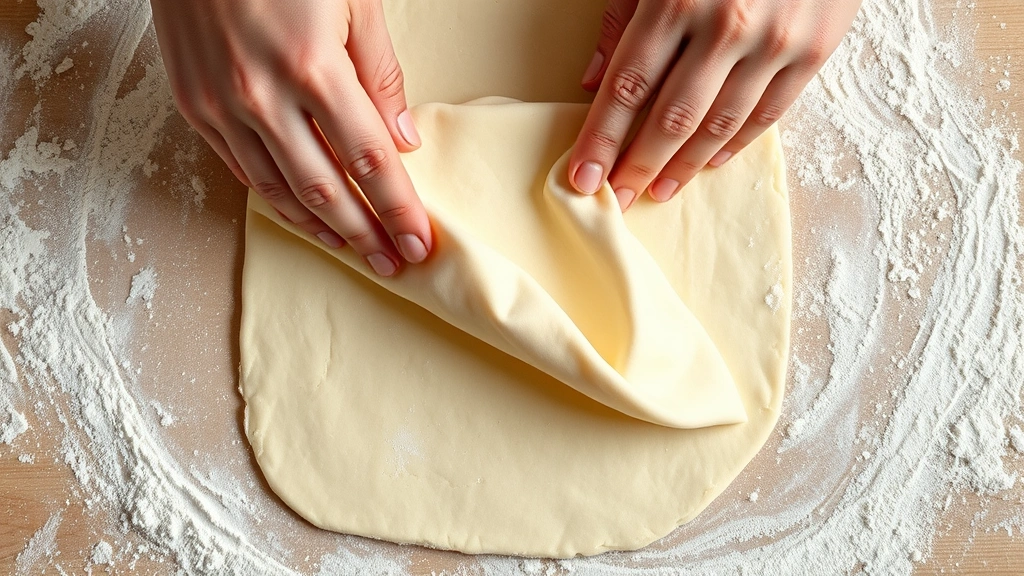
The standard technique involves what bakers call “letter folds” or “book folds.” Imagine folding a letter into thirds—that’s exactly what you’re doing with your dough. You perform these folds multiple times, rotating the dough between each fold to ensure even lamination. For Danish pastries, typically four to six folds is sufficient to create that beautiful flakiness without overdoing it.
Temperature control is absolutely crucial throughout this process. If the butter gets too warm, it’ll melt into the dough and you’ll lose those distinct layers. That’s why you chill between folds—usually 30 minutes to an hour. This might seem like a lot of waiting, but it’s what separates mediocre pastries from exceptional ones.
Shaping & Filling Your Pastries
Once your dough has been properly laminated and rested, you’re ready to shape. Roll the dough into a rectangle about ¼-inch thick. From here, the possibilities expand wonderfully. You can cut it into squares and add filling in the center, folding the corners up and over in what’s called an “envelope” shape. Or cut rectangles, pipe filling down the middle, and fold the long sides over to create a classic Danish shape.
The key is not to overfill. A generous tablespoon to tablespoon-and-a-half of filling per pastry is perfect. Too much filling can burst through the dough as it bakes, creating an uneven bake and potentially leaking onto your baking sheet.
After shaping, arrange your pastries on parchment-lined baking sheets with at least two inches between each one. They’ll puff up significantly during both the final proof and the baking, and you want to ensure they have room to expand without touching. Cover them loosely with plastic wrap and let them rise at room temperature for about 1-2 hours until they’re puffy and light.
Baking & Finishing Touches
Preheat your oven to 400°F (200°C) and make sure the racks are positioned in the upper and middle sections. You want good air circulation, which helps create that crispy exterior while keeping the interior tender. Just before baking, brush each pastry with your egg wash and add any toppings—pearl sugar, sliced almonds, or a light sprinkle of cinnamon sugar all work beautifully.
Bake for 15-20 minutes, rotating your baking sheet halfway through, until the pastries are puffed and deep golden brown. They should look almost too gorgeous to eat—which, let me tell you, is the sign of a successful Danish recipe. The aroma coming from your oven will be absolutely incredible.
Remove from the oven and let them cool on the baking sheet for 5 minutes before transferring to a wire rack. This brief cooling period allows the structure to set slightly without the pastries becoming tough. If you’re adding a glaze—a simple mix of powdered sugar and milk—wait until they’re completely cool so the glaze sets properly.
Storage & Make-Ahead Options
Freshly baked Danish pastries are best enjoyed the same day, but they’ll keep beautifully in an airtight container at room temperature for up to two days. However, they’re such a breeze to bake fresh that you might consider preparing the dough ahead and baking the pastries fresh when needed.
For longer storage, freeze the shaped, unbaked pastries on a baking sheet until solid, then transfer them to a freezer bag where they’ll keep for up to three weeks. When you’re ready to bake, don’t thaw them first—simply add 5-10 minutes to the baking time and bake straight from frozen. Meanwhile, you can also freeze the laminated dough before shaping; it’ll keep for up to two weeks.
The laminated dough itself can be made up to two days in advance if you keep it well-wrapped in the refrigerator. This is genuinely helpful if you want to spread the project across multiple days without rushing any steps.
If you’ve already baked your pastries and want to refresh them, pop them in a 300°F (150°C) oven for about 5 minutes. This revives the crispiness without drying them out. It’s a wonderful way to make day-old pastries taste almost fresh from the oven.
Mastering a Danish recipe truly opens up a world of impressive breakfast treats, fancy brunch offerings, and show-stopping desserts. The lamination technique you learn here applies to croissants, pain au chocolat, and countless other pastries, so this investment of time and attention pays dividends for years to come. Start with this recipe, celebrate your first successful batch, then feel free to experiment with your own filling combinations and shapes.
Ingredients
- 2½ cups all-purpose flour
- 1 cup bread flour
- 2 teaspoons instant yeast
- ½ cup granulated sugar
- 1 teaspoon salt
- 1 large egg
- ½ cup whole milk, warmed
- 2 tablespoons unsalted butter, softened
- 1 cup (2 sticks) cold European-style butter
- 1 cup apple pie filling or your preferred filling
- 1 large egg, beaten with 1 tablespoon water for egg wash
- Pearl sugar for topping
- Powdered sugar for dusting

Instructions
- In a large mixing bowl, combine all-purpose flour, bread flour, instant yeast, granulated sugar, and salt. Whisk together until evenly distributed.
- Create a well in the center of your dry ingredients. Add the egg and warmed milk, then mix with a wooden spoon until a shaggy dough forms.
- Turn the dough onto a lightly floured surface and knead for about 8-10 minutes until smooth and elastic. Add the softened butter gradually during kneading until fully incorporated.
- Shape the dough into a ball, place in a lightly oiled bowl, cover with plastic wrap, and let rise at room temperature for 1 hour until doubled in size.
- While the dough rises, prepare your butter block: place cold butter between two sheets of plastic wrap and pound it with a rolling pin until it forms a ¼-inch thick rectangle about 6×8 inches. Keep it cold.
- After the dough has risen, punch it down and roll it into an 8×10 inch rectangle on a floured surface. Place the butter block in the center, then fold the dough edges over the butter like you’re wrapping a present, sealing it completely.
- Roll the enclosed dough into a 12×16 inch rectangle. Fold it into thirds like a letter (fold one short end to the middle, then fold the other short end over top). This is your first fold. Wrap in plastic and refrigerate for 45 minutes.
- Rotate the dough 90 degrees so the open edges face left and right. Roll into a 12×16 inch rectangle again and perform another letter fold. Wrap and refrigerate for 45 minutes.
- Repeat the rolling and folding process two more times for a total of four folds, chilling 45 minutes between each fold.
- After the final fold and rest, roll the dough into a 12×16 inch rectangle about ¼-inch thick. Cut into 12 equal squares or rectangles as desired.
- Place a tablespoon of filling in the center of each piece. For envelope shapes, fold the four corners up and over the filling. For other shapes, fold the long sides over the filling in the center.
- Place shaped pastries on parchment-lined baking sheets with 2 inches between each one. Cover loosely with plastic wrap and let proof at room temperature for 1-2 hours until puffy.
- Preheat oven to 400°F (200°C). Brush each pastry with egg wash and sprinkle with pearl sugar if desired.
- Bake for 15-20 minutes, rotating the baking sheet halfway through, until pastries are puffed and deep golden brown.
- Remove from oven and let cool on the baking sheet for 5 minutes, then transfer to a wire rack to cool completely. Dust with powdered sugar if desired before serving.
Pro Tips
The lamination process is the heart of this Danish recipe, so don’t skip any of the resting periods between folds. These resting times allow the gluten to relax and the butter to firm up, both crucial for creating distinct layers. If you’re short on time, you can refrigerate overnight between folds without any issues—in fact, this often improves the final result by giving the dough time to develop more flavor.
Temperature control is absolutely essential throughout the project. If your kitchen is particularly warm, work with chilled bowls and surfaces. You can even chill your rolling pin in the freezer before rolling the dough. Conversely, if your kitchen is cold, the dough might be too stiff to work with comfortably—in that case, let it sit at room temperature for 10-15 minutes before rolling.
For filling options, apple cinnamon is the classic choice, but Danish recipes are wonderfully versatile. Try cherry and almond paste, blueberry with lemon zest, cheese and chives for a savory version, or chocolate and hazelnut for something indulgent. The filling-to-dough ratio remains consistent regardless of your choice, so feel free to experiment freely.
If your pastries don’t puff as much as you’d hoped, it’s usually because the dough wasn’t cold enough during lamination, which means some butter melted into the dough instead of creating distinct layers. Don’t worry—they’ll still taste delicious! Next time, just ensure you’re chilling between every fold and working in a cool kitchen.
The final proof before baking is crucial but requires a careful eye. You want the pastries puffy and light, but not so over-proofed that they collapse. They should jiggle slightly when the baking sheet is gently moved. If they look slightly under-proofed, give them another 15-20 minutes rather than rushing them into the oven.
Pearl sugar—those small, hard sugar crystals—adds wonderful texture and visual appeal. You can find it in the baking section of most grocery stores. If unavailable, regular granulated sugar works, though pearl sugar creates a more authentic appearance and texture.