
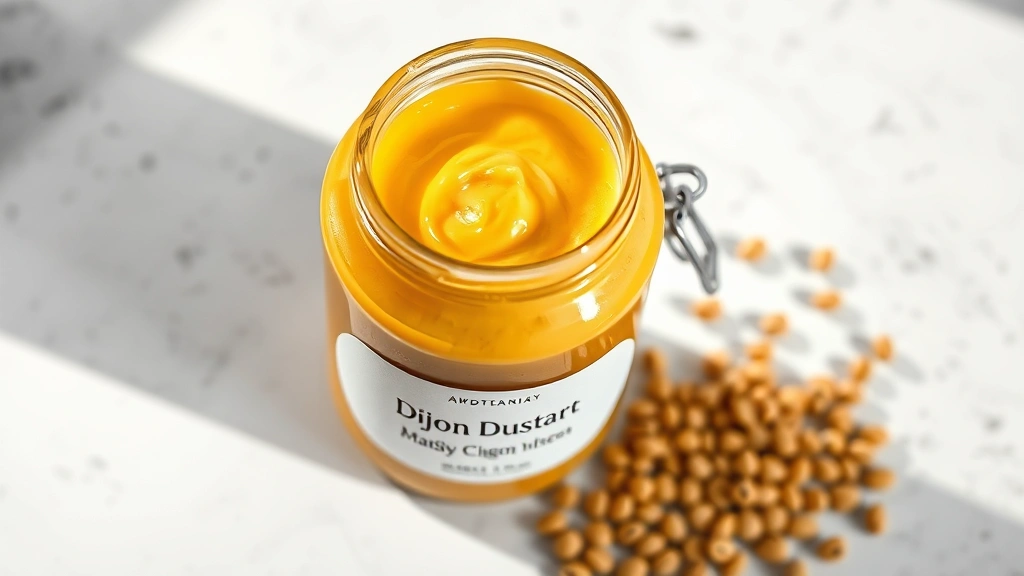
A dijon mustard recipe is one of those kitchen skills that feels fancy but is honestly so simple you’ll wonder why you haven’t been making it at home all along. This tangy, sophisticated condiment transforms from a basic pantry staple into something truly special when you take just a few minutes to craft it yourself. Once you master this essential recipe, you’ll find yourself reaching for it constantly.
I started making my own dijon mustard after tasting a friend’s homemade batch at a dinner party, and I haven’t looked back since. The difference between jarred and homemade is remarkable—fresher, brighter, and with a depth of flavor that makes you feel like a culinary genius. Plus, it’s the kind of thing that makes an impressive addition to any dinner table or gift basket.
Jump To Section
Why This Recipe Works
This dijon mustard recipe works because it honors the traditional French method while keeping things approachable for home cooks. The combination of mustard seeds, white wine, and a touch of honey creates that signature smooth, creamy texture with just the right amount of kick. You don’t need any fancy equipment—just a blender and a little patience.
The magic happens when you let the mustard seeds bloom and soften in the liquid before blending. This step ensures a silky consistency rather than a grainy one. Additionally, the flavors develop and meld beautifully as the mixture sits, making it even better the next day.
What makes homemade mustard so superior is the control you have over the heat level and flavor profile. You can adjust the ratio of seeds to liquid, add more or less sweetness, and even incorporate additional spices. It’s endlessly customizable to suit your palate perfectly.
Ingredient Tips & Substitutions
Yellow mustard seeds are the foundation here, but don’t skip the brown mustard seeds if you want extra heat and complexity. The white wine is essential for that classic French taste, though you can substitute white wine vinegar in a pinch (just use slightly less). For instance, if you prefer a sweeter mustard, increase the honey to 2 tablespoons.
The salt and turmeric aren’t just flavor boosters—they help preserve your mustard and deepen the color. If you’re sensitive to salt, taste as you go rather than adding it all at once. However, don’t skimp on salt entirely, as it’s crucial for bringing out all those subtle flavors.
Some people love adding a pinch of cayenne pepper for extra spice, while others prefer a touch of garlic powder for savory depth. The beauty of this recipe is that once you understand the base, you can play around and create your signature blend. I’ve experimented with adding tarragon, whole grain texture, and even a splash of brandy.
Essential Serving Suggestions
This homemade dijon mustard recipe becomes the star player in so many dishes. Spread it generously on your best grilled burger recipe for an instant upgrade that’ll make you never want store-bought again. It’s equally at home on sandwiches, where it adds sophistication to everything from roast beef to smoked turkey.
Mix it into a creamy sauce for roasted chicken, steak, or fish—the tangy brightness cuts through rich proteins beautifully. You can also whisk it into salad dressings; try combining it with perfect oil and vinegar salad dressing recipe for something restaurant-quality. For a truly elevated experience, dollop it onto charcuterie boards where it’ll become an instant talking point.
Don’t overlook the humble hot dog—a spoonful of homemade dijon transforms a simple summer meal into something memorable. Meanwhile, it’s the secret ingredient that takes best tuna salad sandwich recipe from good to absolutely incredible. You can even use it as a glaze for roasted vegetables or a component in your perfect smashburger sauce recipe.
Storage & Reheating Tips
Your homemade mustard will keep in the refrigerator for up to three weeks in a clean glass jar, though honestly it rarely lasts that long in my house. The flavors actually improve over the first few days as everything settles and melds together beautifully. Make sure you use a sterilized jar to prevent any unwanted bacteria from developing.
If you want to preserve it longer, you can water-bath can your mustard using proper canning techniques—it’ll keep for several months on the shelf. However, for most home cooks, keeping a jar in the fridge is the simplest solution. The mustard won’t separate or need stirring like some homemade condiments do.
There’s no reheating needed since you’ll use this cold straight from the jar. That said, if you’ve made a large batch and want to adjust the flavor, you can warm it gently on the stove (don’t boil) and taste as you go. Let it cool completely before returning it to your storage jar.
Why Make It At Home?
Beyond the incredible flavor, making your own dijon mustard recipe gives you complete control over ingredients—no mysterious additives or preservatives. It’s more economical than buying specialty mustards, especially if you go through it quickly like I do. Plus, there’s something deeply satisfying about creating a sophisticated condiment in your own kitchen.
This recipe makes an exceptional homemade gift for food-loving friends and family members. Package it in a beautiful jar with a handwritten label, and you’ve got something infinitely more thoughtful than store-bought. For the home cook who wants to elevate their cooking without spending hours in the kitchen, this is the perfect project.
For more inspiration on how to use your homemade mustard, check out perfect mustard potato salad recipe, which showcases this condiment beautifully. You’ll also find excellent guidance on mustard-making techniques at Serious Eats, where food scientists break down the chemistry. New York Times Cooking offers wonderful variations on classic mustard recipes, and Bon Appétit features creative ways to use homemade mustards in modern cooking.
Whether you’re a seasoned home cook or just starting to explore condiment-making, this dijon mustard recipe deserves a spot in your regular rotation. The combination of mustard seed flavor, vinegar tang, and subtle sweetness creates something that tastes like a professional chef made it. You’ll soon understand why homemade mustard is worth the minimal effort.
Ingredients
- 1/2 cup yellow mustard seeds
- 1/4 cup brown mustard seeds
- 1/2 cup dry white wine
- 1/4 cup white wine vinegar
- 1 tablespoon honey
- 1 teaspoon salt
- 1/2 teaspoon turmeric
- 1/4 teaspoon garlic powder
- Pinch of cayenne pepper (optional)
Instructions
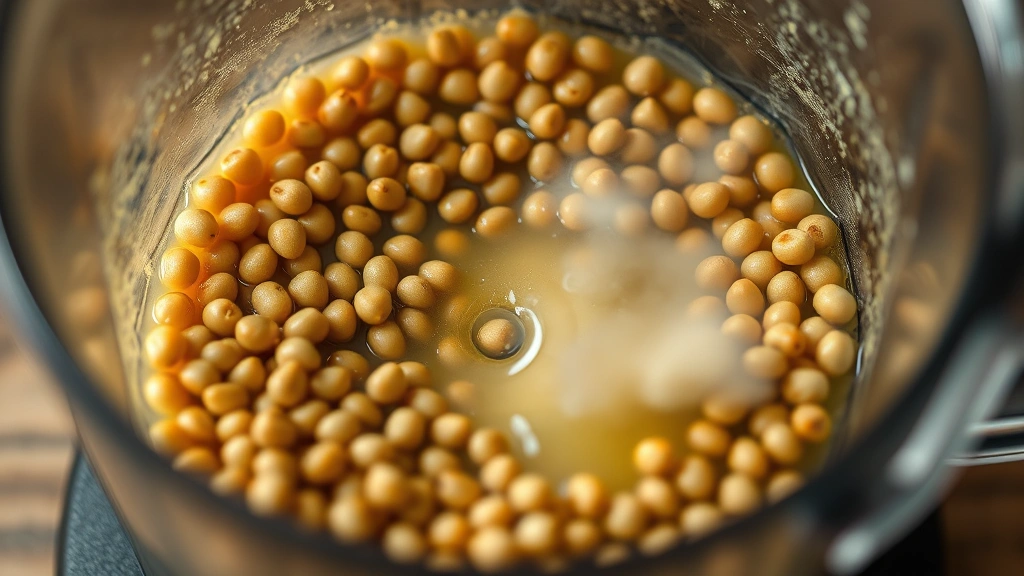
- Combine yellow and brown mustard seeds with white wine and white wine vinegar in a glass bowl. Let the mixture soak for 24 hours at room temperature, stirring occasionally—this allows the seeds to fully hydrate and soften.
- Transfer the soaked mustard seed mixture to a blender or food processor. Add honey, salt, turmeric, garlic powder, and cayenne pepper if using.
- Blend on high speed for 3-5 minutes until you reach your desired consistency. For a smoother mustard, blend longer; for one with slight texture, blend just until combined.
- Taste and adjust seasonings as needed. If you prefer it spicier, add more cayenne; for sweeter, add a touch more honey.
- Transfer your homemade mustard to a sterilized glass jar and refrigerate for at least 2 hours before using. The flavors will continue to develop and improve over the next few days.
- Store in the refrigerator in an airtight glass jar for up to three weeks. Give it a good stir before each use, though it should remain relatively smooth and creamy.
Pro Tips
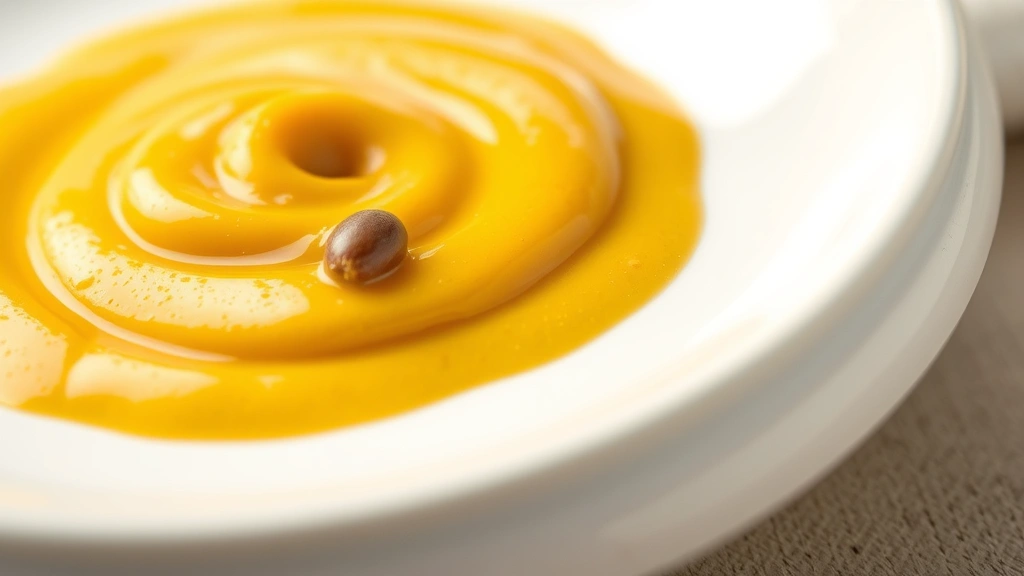
This recipe yields a classic smooth dijon-style mustard that rivals anything you’d buy in a specialty store. The 24-hour soaking time is important because it softens the mustard seeds and allows them to release their flavors more fully during blending. Don’t skip this step—it’s what creates that silky texture rather than a grainy one.
The ratio of yellow to brown mustard seeds matters for flavor balance. Yellow seeds provide milder heat and sweetness, while brown seeds bring sharper, spicier notes. If you prefer a milder mustard, use all yellow seeds; for extra kick, increase the brown seeds to 1/3 cup.
White wine is the traditional choice for dijon mustard, contributing subtle flavor complexity. However, if you don’t have it on hand, white wine vinegar mixed with a splash of water works in a pinch. The vinegar content is crucial for both flavor and preservation, so don’t eliminate it entirely.
Some home cooks prefer adding a tablespoon of prepared horseradish or a teaspoon of whole grain mustard for extra interest. You could also experiment with adding fresh thyme, tarragon, or even a pinch of smoked paprika. The base recipe is your canvas—make it your own.
If your finished mustard seems too thick, you can thin it with additional white wine or vinegar, one tablespoon at a time. Conversely, if it’s too thin, let it sit in the fridge for a few hours as it will thicken slightly. The texture will also continue to set as it sits over several days.
For longer storage, you can water-bath can your mustard using proper canning procedures. Sterilize jars, fill leaving 1/4 inch headspace, process in boiling water for 10 minutes, and store in a cool, dark place for up to one year. This makes it perfect for gift-giving or building your pantry.