
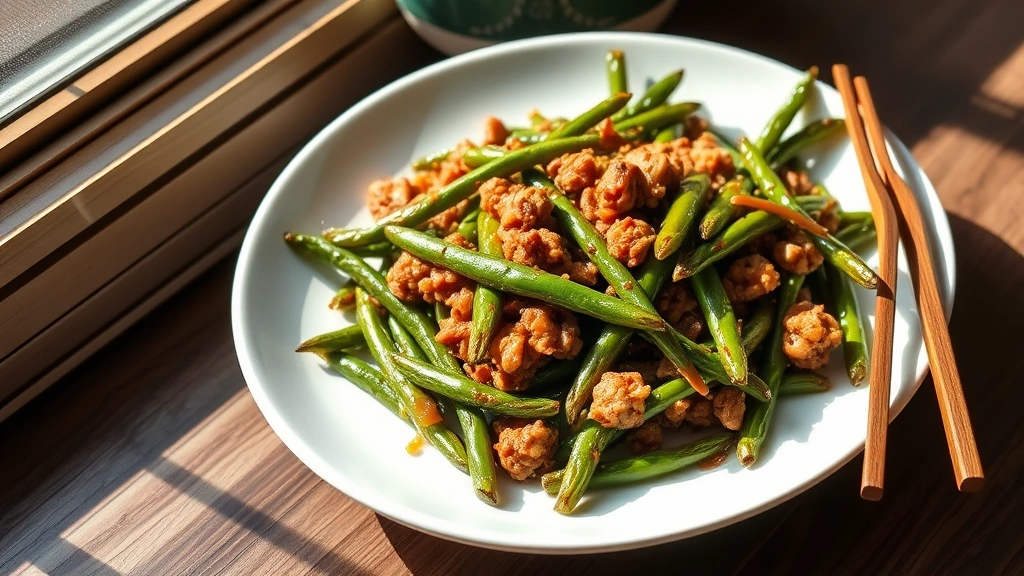
This din tai fung green beans recipe is your ticket to recreating those legendary crispy-fried beans with garlic and pork at home. If you’ve ever ordered this iconic dish at the famous dim sum restaurant, you know exactly why it’s worth learning to make yourself—those perfectly blistered green beans paired with savory ground pork and aromatic garlic are absolutely addictive.
The magic of this dish lies in its simplicity and technique. You don’t need fancy equipment or hard-to-find ingredients. What you do need is confidence in your pan, the right temperature, and a little patience. I’m going to walk you through every single step so you can nail this on your first try.
Jump To Section
Why This Recipe Works
Din Tai Fung’s green beans taste so good because they use a two-stage cooking method that most home cooks skip. First, the beans are fried until their skin blisters and wrinkles—this concentrates their natural sweetness and adds incredible texture. Then they’re combined with seasoned ground pork that’s been cooked until it’s perfectly browned and fragrant.
The key is not overcrowding your pan. When you throw too many beans in at once, they steam instead of fry, and you lose that gorgeous char. Work in batches if you need to. Additionally, using fresh garlic and a touch of soy sauce creates that umami depth that makes this dish so memorable.
This dish pairs beautifully with other Asian favorites. Try serving it alongside your homemade Taiwanese beef noodle soup recipe for an authentic dim sum experience. Or keep it simple with steamed rice and a light broth.
Ingredient Tips & Substitutions
Fresh green beans are absolutely essential here—they should be firm and bright green, not limp or yellowed. Look for beans that snap when you bend them. If you can only find frozen beans, thaw them completely and pat them dry before cooking, though fresh really does make a difference in texture.
The ground pork should be relatively lean, around 90/10 or 85/15. However, if you prefer, ground chicken or even minced shrimp work beautifully in this recipe. Some cooks like to add a tablespoon of oyster sauce for extra depth—go ahead if that appeals to you.
For the garlic, please use fresh minced garlic rather than the jarred version. The fresh stuff has so much more flavor and aroma. If you’re garlic-crazy like me, feel free to increase it to 6 cloves. This dish is forgiving and wants to taste amazing.
When it comes to soy sauce, I prefer using a good quality light soy sauce rather than the dark variety, which can make the dish too salty. Soy sauce is salty already, so taste as you go and adjust accordingly.
Serving Suggestions
These green beans are perfect as part of a larger spread—they’re technically a side dish, but honestly, they’re so good they could steal the show. Serve them warm, preferably right after cooking when the beans are still crispy and the pork is at its most fragrant.
Pair them with steamed jasmine rice to soak up all those delicious pan juices. They also work wonderfully alongside PF Chang’s lettuce wraps recipe for a restaurant-quality meal. For something lighter, serve with a refreshing spicy cucumber salad recipe on the side.
If you’re hosting a dinner party, make these about 15 minutes before serving. They’re best enjoyed fresh and warm, though they’ll stay reasonably good for up to 30 minutes. Meanwhile, you can finish up other dishes.
Storage & Reheating
Leftovers will keep in an airtight container in the refrigerator for up to 3 days. To reheat, simply warm them in a skillet over medium-high heat for 2-3 minutes, stirring occasionally, until warmed through. You won’t get that fresh-cooked crispiness back, but they’ll still taste delicious.
For the best results, store the beans and pork mixture separately if possible. This prevents the beans from getting too soft from the moisture released by the pork. When you’re ready to serve, combine them and warm together briefly.
Don’t freeze this dish—the texture of the beans really suffers. However, you can prep all your ingredients ahead of time and cook when you’re ready to serve. Have everything measured and ready to go (that’s called mise en place), and you’ll have this done in about 15 minutes.
Why Homemade Tastes Better
Making this din tai fung green beans recipe at home means you control every single element. You know exactly what oil you’re using, how much salt goes in, and whether there are any additives or preservatives. Plus, the aroma while it’s cooking? That’s something you can’t get from takeout.
Restaurant versions are amazing, but there’s something special about recreating them in your own kitchen. You get to taste the difference between good ingredients and great ingredients. You understand the technique instead of just enjoying the result.
For more Asian-inspired sides and dishes, check out our Oriental dressing recipe for salads that pairs wonderfully with similar meals. You might also enjoy exploring udon noodles recipe for a heartier component to your menu, or Mexican corn salad recipe if you want to explore similar crispy-vegetable preparations.
This recipe proves that restaurant favorites aren’t out of reach. With the right technique and fresh ingredients, you can absolutely nail it. The first time you taste your homemade version and realize it rivals the real thing? That’s when you know you’ve got a keeper recipe on your hands.
Ingredients
- 1 pound fresh green beans, trimmed and patted dry
- ½ pound ground pork
- 5 cloves garlic, minced
- 3 tablespoons vegetable oil (divided)
- 3 tablespoons light soy sauce
- 1 tablespoon oyster sauce
- 1 teaspoon sesame oil
- ½ teaspoon white pepper
- ¼ teaspoon sugar
- 2 tablespoons chicken broth or water
Instructions
- Pat your green beans completely dry with paper towels—this is crucial for getting them to blister properly instead of steaming.
- Heat 2 tablespoons of vegetable oil in a large skillet or wok over medium-high heat until it shimmers and moves easily around the pan.
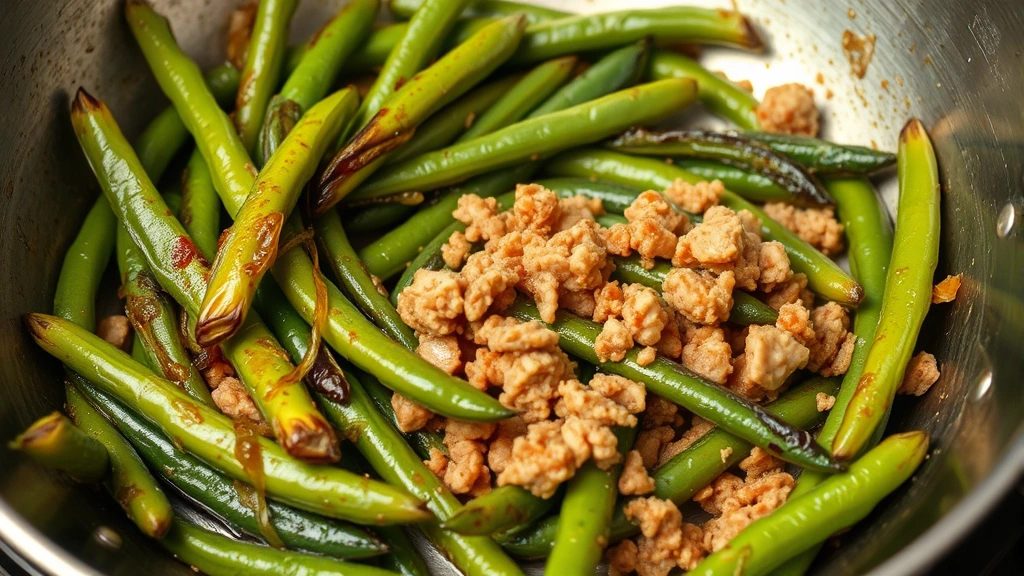
- Add the green beans in a single layer and let them cook undisturbed for 3-4 minutes until the bottoms start to blister and turn golden brown.
- Stir the beans and continue cooking for another 4-5 minutes, shaking the pan occasionally, until most of the beans have wrinkled, blistered skin and are tender-crisp.
- Push the beans to the side of the pan and add the remaining 1 tablespoon of oil to the empty space.
- Add the minced ground pork to the oil and cook, breaking it apart with a spoon, for 3-4 minutes until it’s completely cooked through and lightly browned.
- Add the minced garlic to the pork and stir everything together, cooking for about 30 seconds until fragrant.
- Add the soy sauce, oyster sauce, sesame oil, white pepper, sugar, and chicken broth to the pan.
- Toss everything together gently but thoroughly, coating the beans completely with the savory pork mixture.
- Cook for another 1-2 minutes until the sauce clings to the beans and the flavors meld together.
- Taste and adjust seasonings if needed—you might want a touch more soy sauce depending on your preferences.
- Transfer to a serving dish immediately while everything is hot and crispy, and serve right away.
Pro Tips
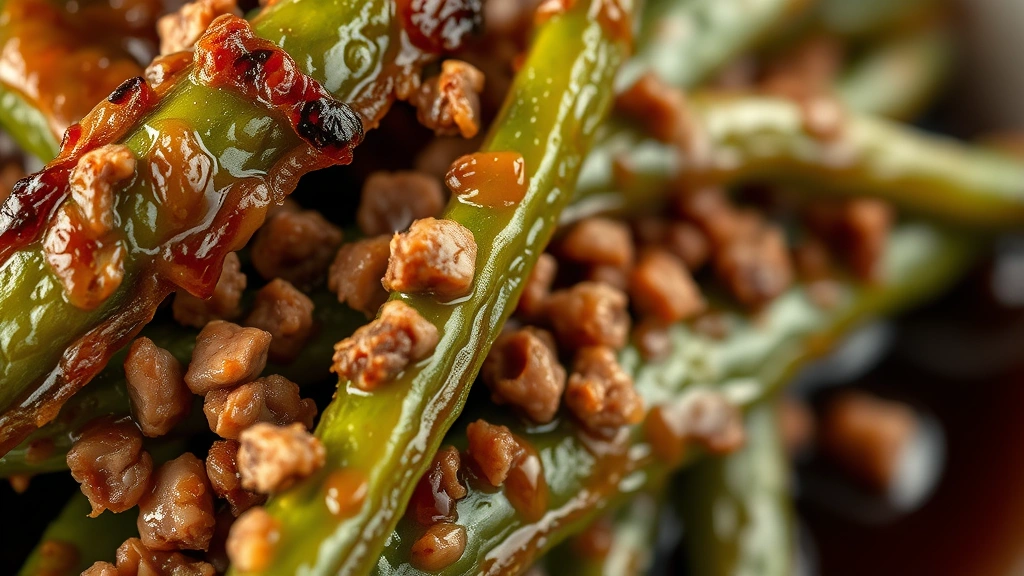
The most important factor in this recipe is keeping your heat high and your green beans dry. Moisture is the enemy of crispiness, so don’t skip the paper towel step. When the beans hit that hot oil, you should hear them sizzle immediately—if they’re silent, your oil isn’t hot enough.
Don’t stir the beans constantly while they’re frying. Let them sit undisturbed for those first few minutes so they develop proper color and char. This is how restaurants get that gorgeous blistered appearance. However, after that initial sear, you can stir more frequently to ensure even cooking.
The ground pork should be cooked through but not dried out. If you cook it too long on high heat, it becomes crumbly and loses its tender quality. Aim for just-cooked pork that’s lightly golden—it’ll continue cooking slightly in the residual heat.
If you’re concerned about the dish being too salty, start with 2 tablespoons of soy sauce instead of 3, then taste and add more if needed. Different brands of soy sauce vary in saltiness, so this flexibility is important.
This dish is best served immediately after cooking, while the beans are still crispy and warm. If you need to hold it for a few minutes, transfer it to a serving dish rather than leaving it in the hot skillet, which will continue to cook the beans and make them softer.
For extra flavor, some cooks add a pinch of dried chili flakes or a few drops of sriracha. Additionally, a squeeze of fresh lime juice at the end adds brightness that complements the rich pork and savory sauce beautifully.